Implante dental guiado por ordenador en España: las 3 mejores clínicas y sus precios


Revisado médicamente por
Fahad Mawlood
¿Cuál es el precio de Implante dental guiado por ordenador en España? Descubra ahora
El coste de la cirugía de implantes dentales asistida por ordenador en España suele oscilar de $1,200 a $2,400. Los precios varían según el número de implantes, la complejidad del caso, el tipo de sistema de implantes utilizado (como Nobel Biocare, Straumann, Zimmer) y la experiencia del dentista. En Estados Unidos, el coste medio es de $5,400 (según la AAID). Esto significa que los implantes dentales en España son aproximadamente un 67% más económicos que en EE. UU.
Las clínicas españolas suelen incluir la planificación digital 3D, la colocación del implante, el pilar estándar, la corona provisional y las visitas de seguimiento. En EE. UU., el precio anunciado suele cubrir solo el implante y la cirugía, mientras que la planificación digital, los pilares y las coronas se facturan por separado. Siempre confirmar qué está incluido en el plan de tratamiento en cada clínica.
| España | Estados Unidos | México | |
|---|---|---|---|
| Implante dental guiado por ordenador | ≈ $1,200 | ≈ $4,200 | de $1,300 |
| Implantes dentales guiados por ordenador All-on-6 | ≈ $15,000 | ≈ $18,500 | de $4,000 |
| Implantes dentales guiados por ordenador All-on-4 | ≈ $14,000 | ≈ $17,500 | de $18,000 |
Sus beneficios y garantías con Bookimed
Precios directos
Bookimed no añade cargos adicionales a los precios de Implante dental guiado por ordenador. Las tarifas proceden de las listas de precios oficiales de las clínicas. Pagará directamente en la clínica por su Implante dental guiado por ordenador a su llegada al país.
Sólo clínicas y médicos verificados
Bookimed está comprometido con su seguridad. Solo trabajamos con las clínicas que mantienen altos estándares internacionales en Implante dental guiado por ordenador y tienen las licencias necesarias para atender a pacientes internacionales en todo el mundo.
Asistencia 24/7 gratuita
Bookimed ofrece asistencia experta gratuita. Un coordinador médico personal le apoya antes, durante y después del tratamiento, resolviendo cualquier problema. Nunca estará solo en su viaje médico de Implante dental guiado por ordenador.

Su coordinador médico personal de Bookimed
- Le apoya en cada etapa
- Ayuda a elegir la clínica y el médico adecuados
- Asegura un acceso rápido y conveniente a la información
Descubra las mejores clínicas de Implante dental guiado por ordenador en España: 3 opciones verificadas y Precios
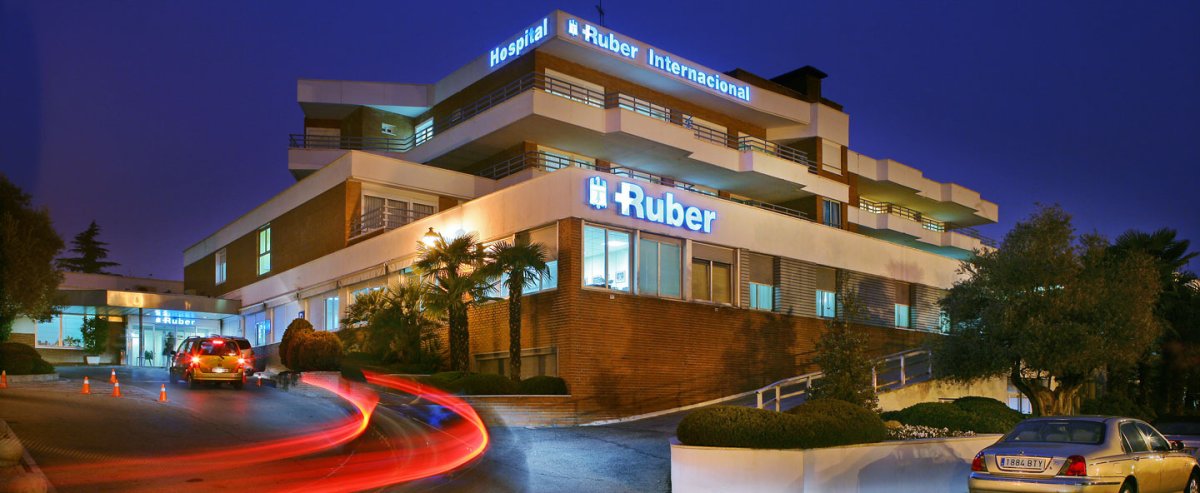


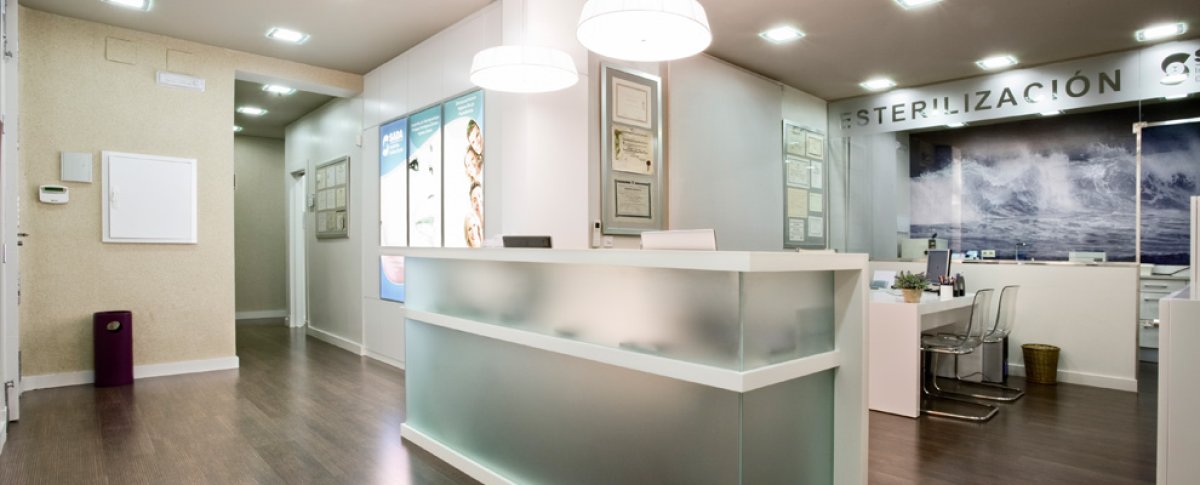

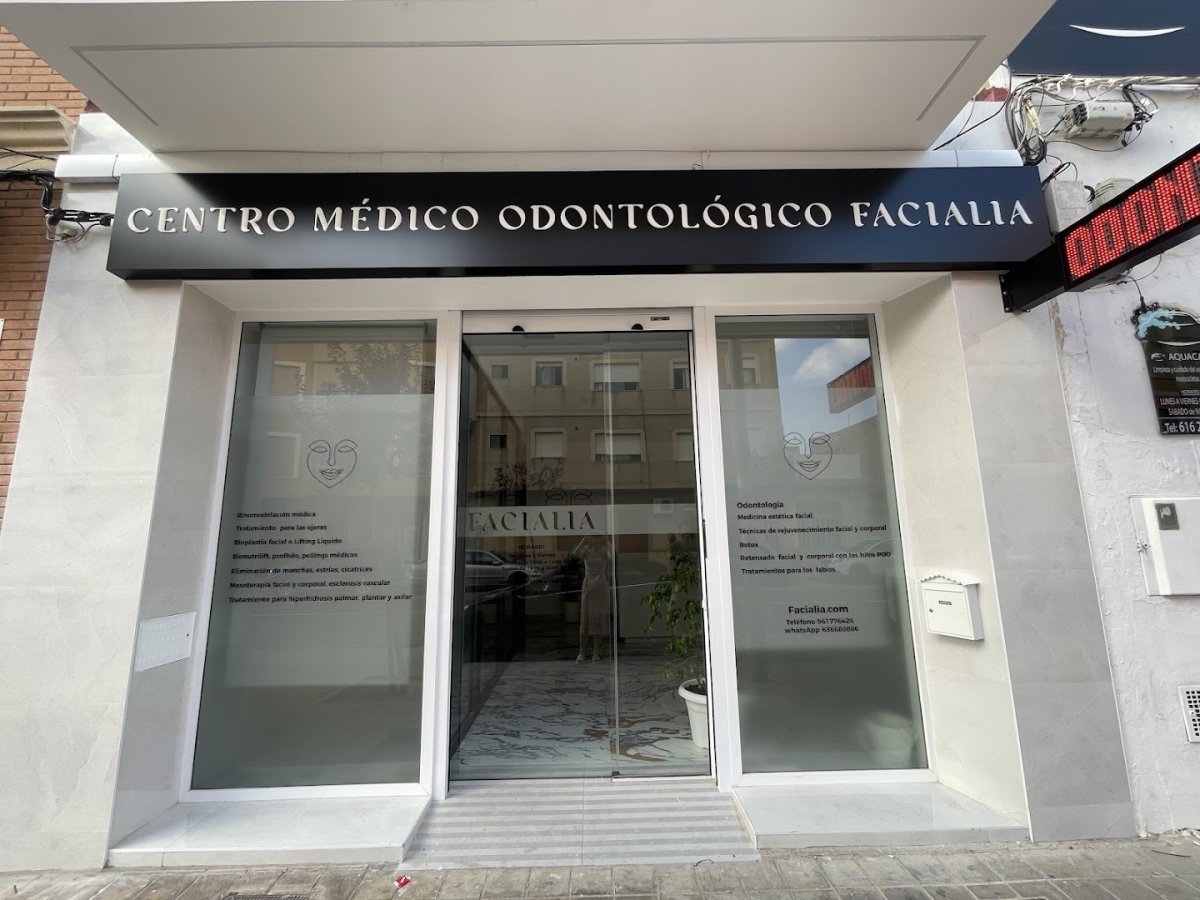

Descripción general de Implante dental guiado por ordenador en España
- Implantes dentales guiados por ordenador All-on-4 - de $14,000Esta terapia reemplaza los dientes perdidos utilizando cuatro implantes y un software avanzado, lo que garantiza resultados precisos, duraderos y estéticos.
- Implantes dentales guiados por ordenador All-on-6 - de $15,000Esta terapia implica la planificación digital para colocar seis implantes, lo que ayuda a la precisión, reduce el tiempo de recuperación y mejora la función dental.
- Implante dental guiado por ordenador - de $1,200Esta terapia utiliza precisión guiada por computadora para colocar implantes dentales, lo que mejora la precisión, la seguridad y los resultados.
Día 1
- Llegada al aeropuerto.
- Traslado al hotel.
- Descanso y aclimatación.
Dia 2
- Consulta con un cirujano dentista.
- Detallando el procedimiento de implante dental asistido por computadora.
- Realización de las pruebas médicas necesarias.
Día 3
- Preparación para la cirugía, incluidas las instrucciones de higiene bucal.
- Procedimientos adicionales si es necesario en base a los resultados de las pruebas.
Día 4
- Cirugía de implantes dentales asistida por ordenador (alrededor de 2-3 horas).
- Se utiliza anestesia local.
- Seguimiento postoperatorio en la clínica.
Dia 5
- Instrucciones de control y cuidados postoperatorios.
- Descanso y recuperación en el hotel.
Semana 1-2
- Visita de seguimiento a la clínica para retiro de puntos.
- Reanudación lenta de la dieta y actividades regulares.
Semana 3-4
- Volver al trabajo.
- Regreso gradual a los deportes y otras actividades.
Semana 5-6
- Los resultados finales son visibles y el implante completamente funcional.
Nota: Cada caso es diferente y el cronograma puede variar según la tasa de recuperación individual y la complejidad del procedimiento.
- Depósito de Bookimed: 200 $ o 200 €.
- Depósito de la clínica: Pague un porcentaje fijo por adelantado.
Historias en video de pacientes de Bookimed
Reseñas
Todas las reseñasCompartir contenido
 Olena Sikoza
Preguntas frecuentes sobre Implante dental guiado por ordenador en España
¿Qué es un implante dental asistido por computadora?
Los implantes dentales asistidos por computadora utilizan imágenes 3D y software digital para planificar y colocar reemplazos dentales con alta precisión. Esta tecnología emplea escaneos de tomografía computarizada de haz cónico (CBCT) y guías quirúrgicas impresas en 3D para eliminar las conjeturas manuales, asegurando una angulación óptima del implante y seguridad en su colocación.
- Tecnología de planificación: Los escaneos CBCT proporcionan datos 3D para evaluar la densidad ósea y la ubicación de los nervios.
- Flujo de trabajo digital: El software CAD/CAM diseña y fresa coronas personalizadas para la restauración en el mismo día cuando es posible.
- Guías quirúrgicas: Las plantillas personalizadas impresas en 3D dirigen el taladro a la profundidad exacta planificada previamente.
- Seguridad clínica: El mapeo digital preciso ayuda a los cirujanos a evitar estructuras vitales como los senos paranasales o los nervios.
Perspectiva del experto de Bookimed: Si bien muchas clínicas ofrecen imágenes digitales, la verdadera cirugía asistida por computadora requiere tanto escaneos CBCT como fresado CAD/CAM. Hospitales en Madrid como Ruber Internacional aprovechan la resonancia magnética de 3 Teslas de alta gama y los estándares acreditados por la JCI para casos complejos. Combinar esto asegura que el implante se integre perfectamente con el diseño pr
¿Cuáles son las ventajas de elegir implantes guiados?
Los implantes dentales guiados utilizan planificación 3D CBCT y plantillas quirúrgicas de precisión para garantizar una colocación exacta en el hueso maxilar. Este enfoque digital elimina el error humano, protege los nervios vitales y permite técnicas mínimamente invasivas sin colgajos, lo que reduce significativamente la hinchazón y las molestias postoperatorias en comparación con la cirugía tradicional.
- Mayor precisión quirúrgica: La imagen 3D identifica la densidad ósea óptima para una colocación segura del implante.
- Enfoque mínimamente invasivo: Las técnicas sin colgajos eliminan las grandes incisiones y la necesidad de puntos de sutura.
- Reducción del tiempo del procedimiento: La cirugía guiada por computadora generalmente toma aproximadamente 30 minutos.
- Periodo de recuperación acelerado: La mayoría de los pacientes retoman sus actividades normales en un plazo de 7 a 10 días.
Opinión del experto de Bookimed: Las instalaciones de primer nivel en España, como el Hospital Ruber Internacional, integran la planificación 3D CBCT en sus flujos de trabajo ambulatorios. Esta configuración digital permite la carga inmediata de dientes provisionales el mismo día. Elegir estas clínicas de alta tecnología a menudo garantiza niveles de seguridad más altos para rehabilitaciones complejas de arco completo como All-on-4 o All-on-6.
C
¿Cuál es la tasa de éxito de los implantes guiados?
Los implantes dentales asistidos por ordenador en España mantienen una alta tasa de éxito de entre el 90% y el 95%. Este enfoque digital ofrece tasas de fracaso casi tres veces menores que las técnicas tradicionales. La precisión mejora mediante la planificación 3D prequirúrgica, asegurando una colocación óptima y una mejor supervivencia a largo plazo de los dispositivos.
- Previsibilidad: La imagen 3D permite a los cirujanos mapear la densidad ósea antes de realizar cualquier incisión.
- Mínimamente invasivo: La cirugía guiada admite técnicas sin colgajo, reduciendo significativamente la hinchazón y las molestias postoperatorias.
- Tasa de supervivencia: Los datos a largo plazo muestran más del 90% de éxito después de 10 años con un mantenimiento adecuado.
- Tiempo de recuperación: La colocación precisa acelera la curación, permitiendo a los pacientes reanudar sus actividades normales más rápidamente.
Perspectiva del experto de Bookimed: Clínicas como el Hospital Ruber Internacional en Madrid demuestran que el éxito depende de combinar la tecnología con una gran experiencia. Aunque la guía por ordenador reduce el error humano, los resultados más fiables provienen de clínicas que realizan miles de colocaciones digitales. Los centros españoles suelen utilizar protocolos de perforación especializados, que evitan el sobrecalentamiento del hueso y
¿Por qué la gente elige España para implantes dentales?
Los pacientes eligen España para implantes dentales para acceder a estándares de salud europeos de élite con ahorros significativos. La proximidad a los principales centros europeos, las instalaciones modernas acreditadas por la JCI y la tecnología avanzada como la cirugía guiada por computadora la convierten en un destino de primer nivel. Los costos a menudo oscilan entre $1,200 y $2,400 por implante.
- Ahorros significativos: Los precios promedian $1,200, ahorrando hasta un 67% en comparación con los costos en EE. UU.
- Tecnología digital avanzada: Las clínicas utilizan cirugía guiada por computadora y diseño de sonrisa digital para una colocación precisa.
- Estrictos estándares de seguridad: Las instalaciones siguen las estrictas regulaciones de la Unión Europea y los estándares globales de la Joint Commission International.
- Infraestructura hospitalaria de élite: Centros como el Hospital Ruber Internacional están clasificados entre las mejores instalaciones europeas.
Perspectiva del experto de Bookimed: España ofrece un equilibrio único entre calidad premium y valor. Aunque los precios son más bajos que en EE. UU., las clínicas invierten mucho en tecnología de alta gama. Muchas instalaciones utilizan resonancia magnética de 3 Teslas y sistemas robóticos. Esto hace que España sea
¿Cómo funciona el procedimiento?
Los implantes dentales asistidos por computadora en España utilizan imágenes 3D y planificación digital para colocar postes de titanio con una precisión milimétrica. Los cirujanos utilizan tomografías computarizadas de haz cónico (CBCT) y software especializado para mapear la densidad ósea y la ubicación de los nervios, creando una guía física personalizada para dirigir la fresa quirúrgica.
- Mapeo digital: Los escaneos 3D CBCT de alta resolución capturan detalles precisos de la estructura de la mandíbula y el volumen óseo.
- Planificación virtual: El software determina el ángulo, la profundidad y la posición exactos del implante antes de la cirugía.
- Guías quirúrgicas: Las plantillas 3D fabricadas a medida bloquean físicamente la fresa en la trayectoria planificada previamente.
- Restauración CAD/CAM: La tecnología de fresado digital como CEREC crea coronas a menudo en una sola visita.
Opinión del experto de Bookimed: Aunque muchas clínicas ofrecen cirugía guiada por computadora, el verdadero factor diferenciador es la disponibilidad de fresado CAD/CAM. Las clínicas en Madrid y Barcelona que utilizan la tecnología CEREC a menudo pueden proporcionar la restauración final de la corona mucho más rápido que los laboratorios tradicionales. Esto reduce el tiempo total necesario para que los pacientes internacionales permanezcan en España.
¿Es la cirugía de implantes asistida por ordenador adecuada para todos los pacientes?
La cirugía de implantes asistida por ordenador es segura para la mayoría de las personas, pero no es universal. Aunque ofrece una precisión superior para casos complejos como las restauraciones de arco completo, los factores biológicos siguen siendo la principal limitación. Los cirujanos utilizan escáneres CBCT para verificar si el volumen óseo puede soportar el plan digital antes de proceder.
- Requisitos de densidad ósea: Es necesario un volumen óseo suficiente para asegurar los implantes, independientemente de la guía digital.
- Herramientas digitales específicas: Las clínicas utilizan escáneres CBCT y sistemas CAD/CAM para mapear la anatomía dental individual.
- Candidatos ideales: Este enfoque destaca para múltiples implantes o pacientes que necesitan carga inmediata.
- Limitaciones clínicas: Las deficiencias tisulares graves pueden requerir injertos tradicionales antes de utilizar métodos asistidos por ordenador.
Perspectiva del experto de Bookimed: La tecnología no puede anular la biología. Algunas clínicas en Madrid, como el Hospital Ruber Internacional, enfatizan el diagnóstico prequirúrgico según los estándares JCI por encima de las herramientas en sí. Los datos sugieren que, aunque la planificación guiada por ordenador garantiza una precisión de 0,5 mm, el éxito sigue dependiendo de la evaluación ósea inicial del cirujano. Priorice s
¿Cuál es el tiempo de recuperación después de una cirugía de implante dental asistida por computadora?
La recuperación de un implante dental asistido por computadora en España generalmente requiere de 2 a 5 días para la curación inicial de los tejidos blandos. La osteointegración completa, donde el hueso de la mandíbula se fusiona con el implante, toma de 3 a 6 meses. Esta técnica guiada reduce el trauma, asegurando una recuperación más predecible y, a menudo, más rápida.
- Curación inicial: La mayoría de los pacientes regresan a actividades ligeras dentro de las 24 a 48 horas posteriores a la cirugía.
- Baja laboral: Planifique de 2 a 5 días de descanso, especialmente si recibió sedación intravenosa.
- Pico de síntomas: El dolor leve y la hinchazón generalmente disminuyen significativamente después de las primeras 72 horas.
- Integración ósea: La estabilidad permanente a través de la osteointegración toma de 3 a 6 meses para la restauración final.
Perspectiva del experto de Bookimed: La cirugía guiada en España a menudo utiliza la planificación CAD/CAM para eliminar grandes incisiones. En centros como el Hospital Ruber Internacional, este enfoque de precisión reduce significativamente el riesgo de hinchazón postoperatoria en comparación con los métodos tradicionales. Los pacientes generalmente vuelven a sus dietas normales mucho más rápido cuando los implantes se colocan mediante navegación 3D.
Consenso de los pacientes: