Implantes dentales guiados por ordenador All-on-4 en España — obtén 3 clínicas con costos


Revisado médicamente por
Fahad Mawlood
¿Cuál es el precio de Implantes dentales guiados por ordenador All-on-4 en España? Descubra ahora
El coste de los implantes dentales All-on-4 guiados por ordenador en España suele oscilar desde $14,000 hasta $20,000. Los precios varían según la clínica, la experiencia del dentista, la marca de los implantes utilizados (como Nobel Biocare, Straumann o Zimmer) y si la restauración es inmediata o diferida. En Estados Unidos, el coste medio es de $22,300 (según la AAID). Esto significa que el tratamiento All-on-4 en España es aproximadamente un 37% más económico que en EE. UU.
Las clínicas españolas suelen ofrecer paquetes que incluyen diagnóstico 3D (escáner CBCT), guías quirúrgicas, cuatro implantes por arcada, dientes fijos temporales, pilares y visitas de seguimiento. Los dientes protésicos definitivos suelen estar incluidos tras la cicatrización. En EE. UU., muchas clínicas cobran un suplemento por el diagnóstico, la sedación o la prótesis final. Siempre confirmar exactamente qué incluye el paquete antes de reservar.
| España | Estados Unidos | México | |
|---|---|---|---|
| Implantes dentales guiados por ordenador All-on-4 | ≈ $14,000 | ≈ $17,500 | de $18,000 |
Sus beneficios y garantías con Bookimed
Precios directos
Bookimed no añade cargos adicionales a los precios de Implantes dentales guiados por ordenador All-on-4. Las tarifas proceden de las listas de precios oficiales de las clínicas. Pagará directamente en la clínica por su Implantes dentales guiados por ordenador All-on-4 a su llegada al país.
Sólo clínicas y médicos verificados
Bookimed está comprometido con su seguridad. Solo trabajamos con las clínicas que mantienen altos estándares internacionales en Implantes dentales guiados por ordenador All-on-4 y tienen las licencias necesarias para atender a pacientes internacionales en todo el mundo.
Asistencia 24/7 gratuita
Bookimed ofrece asistencia experta gratuita. Un coordinador médico personal le apoya antes, durante y después del tratamiento, resolviendo cualquier problema. Nunca estará solo en su viaje médico de Implantes dentales guiados por ordenador All-on-4.

Su coordinador médico personal de Bookimed
- Le apoya en cada etapa
- Ayuda a elegir la clínica y el médico adecuados
- Asegura un acceso rápido y conveniente a la información
Descubra las mejores clínicas de Implantes dentales guiados por ordenador All-on-4 en España: 3 opciones verificadas y Precios
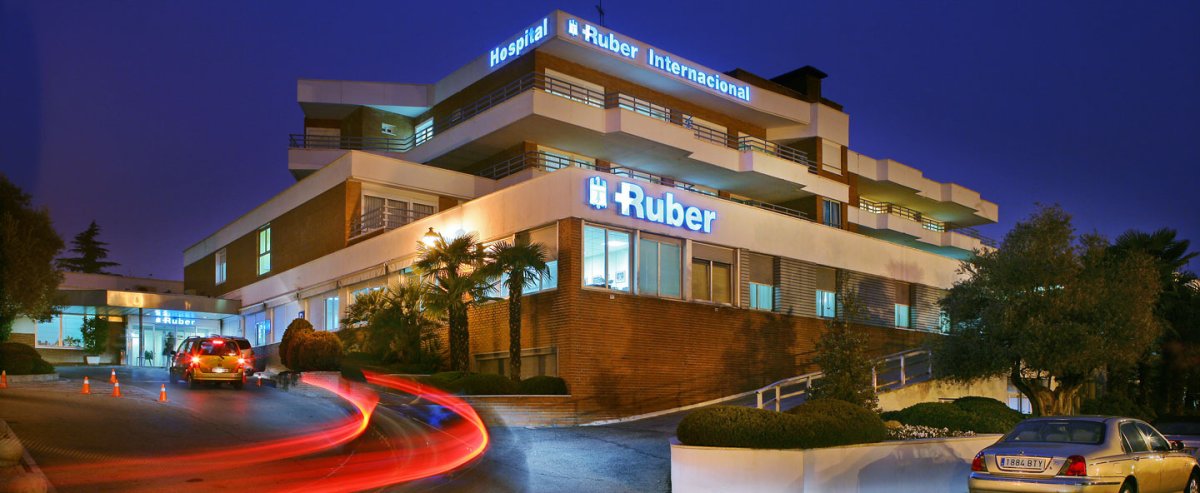


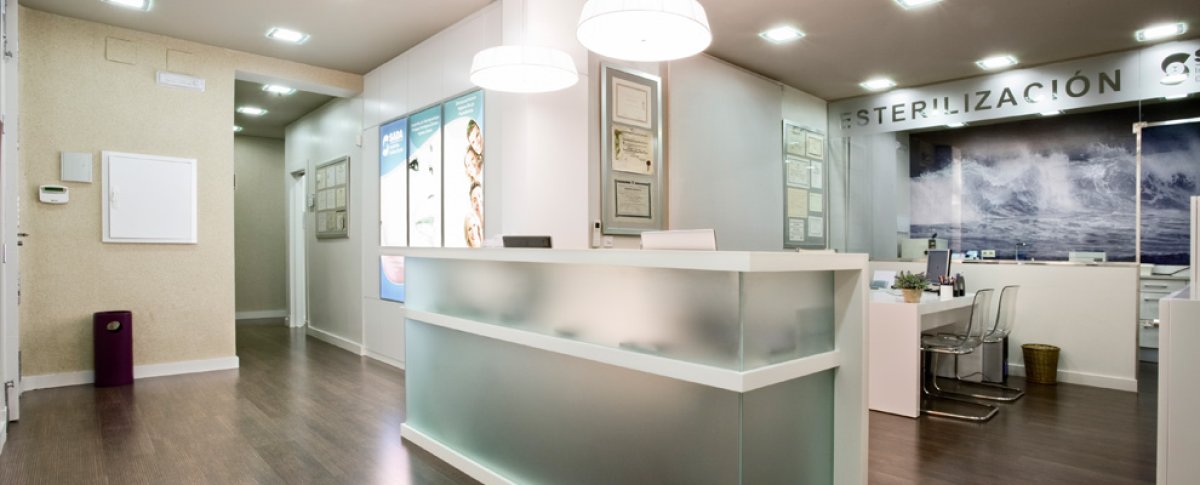

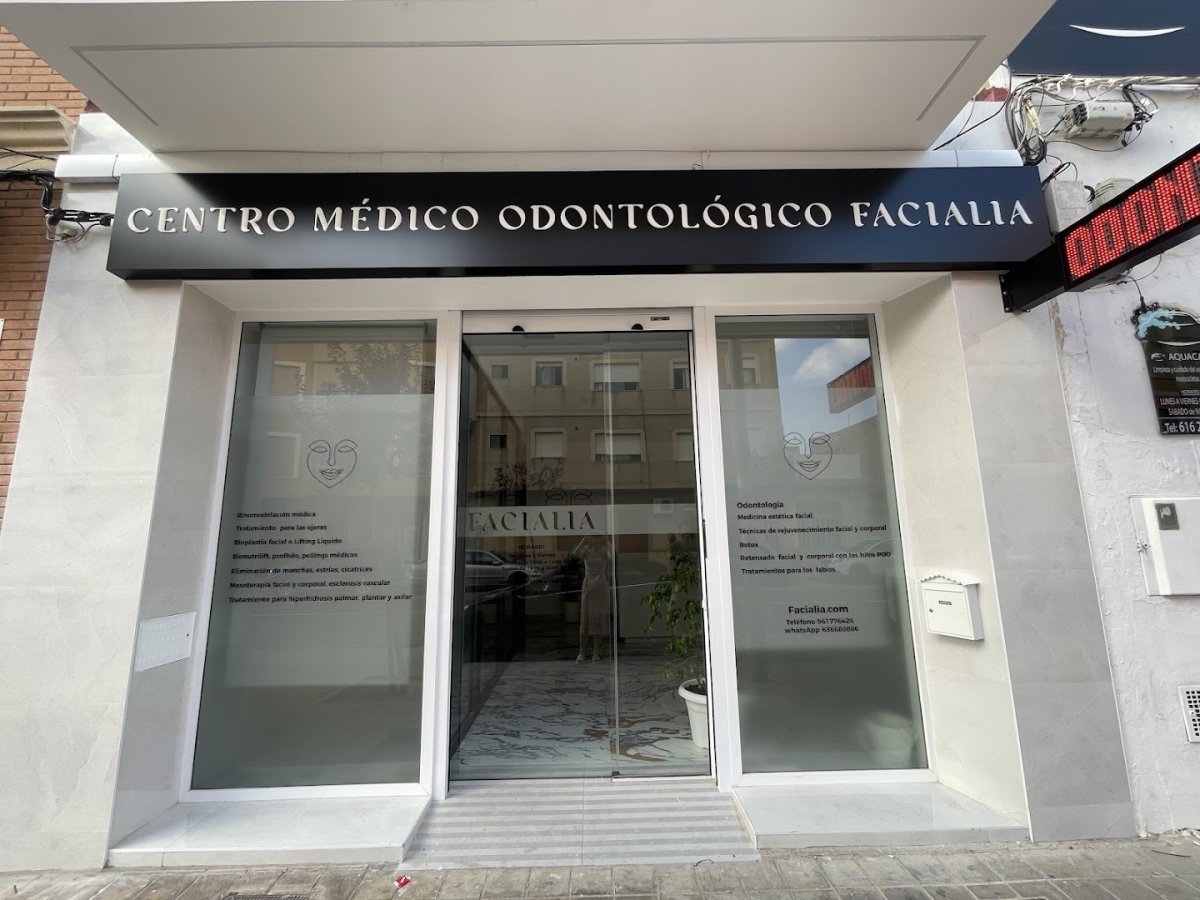

Descripción general de Implantes dentales guiados por ordenador All-on-4 en España
- Implantes dentales guiados por ordenador All-on-4 - de $14,000Esta terapia reemplaza los dientes perdidos utilizando cuatro implantes y un software avanzado, lo que garantiza resultados precisos, duraderos y estéticos.
- Implantes dentales guiados por ordenador All-on-6 - de $15,000Esta terapia implica la planificación digital para colocar seis implantes, lo que ayuda a la precisión, reduce el tiempo de recuperación y mejora la función dental.
- Implante dental guiado por ordenador - de $1,200Esta terapia utiliza precisión guiada por computadora para colocar implantes dentales, lo que mejora la precisión, la seguridad y los resultados.
Día 1
- Llegada y traslado al Hotel 4*.
- Descansa y ajústate a la zona horaria.
Dia 2
- Visita a la clínica dental para consulta.
- Los especialistas realizarán las pruebas médicas necesarias.
Día 3
- Revisión de los resultados de las pruebas y discusión del plan de tratamiento.
- Preparación para el próximo procedimiento.
Día 4
- Someterse al procedimiento de implantes dentales All-on-4 guiado por computadora.
- La duración del procedimiento es de aproximadamente 2-4 horas bajo anestesia local.
Dia 5
- Control postoperatorio en la clínica.
- Medicamentos e instrucciones de cuidados postoperatorios dados.
Semana 1
- Estancia en el país para seguimiento postoperatorio.
- Revisiones periódicas en la clínica.
Semana 2
- Segunda semana de recuperación y controles periódicos.
- Regresar a casa si el médico le da el visto bueno.
Semana 3-6
- Recuperación en el hogar con actualizaciones periódicas al médico.
- Reanude sus actividades normales según lo permita la comodidad.
Semana 6-12
- Regreso gradual a actividades y deportes más extenuantes.
- Resultado final perceptible después de aproximadamente 12 semanas.
Tenga en cuenta que el proceso de recuperación de cada paciente es individual y puede variar.
- Depósito de Bookimed: 200 $ o 200 €.
- Depósito de la clínica: Pague un porcentaje fijo por adelantado.
Obtenga una evaluación médica para Implantes dentales guiados por ordenador All-on-4 en España: Elija su especialista entre los mejores en el campo
Ver todos los médicos
Dr Alaa Ghuzlan
La Dra. Alaa Ghuzlan es odontóloga con más de 10 años de experiencia. Ha tratado a miles de pacientes en varios países. Cuenta con una especialización en implantología dental de la Universidad de Barcelona. Continúa formándose para ofrecer tratamientos actualizados.
Su consulta utiliza radiología 2D y 3D y un escáner intraoral 3D. Estas herramientas mejoran la experiencia del paciente y agilizan los flujos de trabajo. También permiten ofrecer una atención más rápida.

Maurizio Sanchez
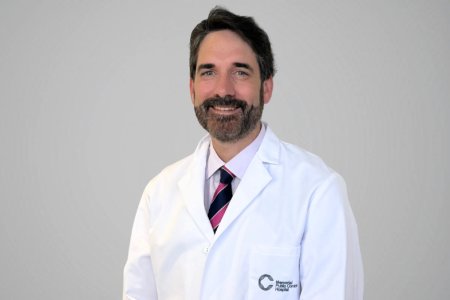
Pablo Garrido Martínez
El Dr. Pablo Garrido Martínez es dentista y periodoncista en el Hospital Memorial Publio Cordón de Madrid. Realiza implantes dentales y reconstrucciones complejas de sonrisa. El Dr. Garrido Martínez utiliza métodos de implantes All-on-4 y All-on-6 guiados por ordenador. También coloca prótesis de circonio monolítico y carillas de composite.
El doctor trabaja en un centro acreditado por la JCI, una certificación que garantiza la seguridad quirúrgica y la calidad asistencial. El Dr. Garri
Historias en video de pacientes de Bookimed
Reseñas
Todas las reseñasCompartir contenido
 Olena Sikoza
Preguntas frecuentes sobre Implantes dentales guiados por ordenador All-on-4 en España
¿Qué son los implantes dentales All-on-4 guiados por computadora?
Los implantes dentales All-on-4 guiados por computadora utilizan imágenes 3D y planificación digital para reemplazar arcos dentales completos. Los cirujanos utilizan guías quirúrgicas personalizadas para colocar cuatro implantes con precisión milimétrica. Esta tecnología permite la colocación inmediata de un puente fijo durante una sola visita.
- Planificación precisa: Las tomografías computarizadas de haz cónico (CBCT) mapean los nervios y la densidad ósea para garantizar una posición óptima del implante.
- Guías quirúrgicas: Las plantillas personalizadas dirigen la profundidad y el ángulo de perforación para una máxima precisión.
- Mínimamente invasivo: El mapeo digital a menudo permite una cirugía sin colgajo, lo que reduce el sangrado y la hinchazón.
- Resultados inmediatos: Los pacientes suelen recibir un puente fijo temporal el día de la cirugía.
Perspectiva del experto de Bookimed: Las clínicas españolas como el Hospital Ruber Internacional ofrecen una precisión avanzada al combinar escáneres 3D con experiencia en bioingeniería. El Dr. José Mate, dentista y bioingeniero, ha realizado más de 5,000 procedimientos. Este nivel de especialización técnica mejora significativamente la previsibilidad quirúrgica. Los pacientes pueden ahorrar hasta un 37% en comparación con los costos en EE. UU. mientras acceden a una infraes
¿Cuáles son los principales beneficios de la cirugía guiada?
La cirugía guiada proporciona una precisión inigualable en implantología dental mediante el uso de imágenes digitales en 3D y plantillas quirúrgicas. Este método garantiza una colocación precisa, reduce el trauma físico a través de incisiones sin colgajo (flapless) y acelera la curación. Es esencial para navegar de forma segura por estructuras óseas complejas y permite la colocación inmediata de los dientes.
- Precisión mejorada: Las tomografías computarizadas (CBCT) y las plantillas eliminan los errores manuales durante la colocación lineal o angular.
- Mínimamente invasiva: Las técnicas sin colgajo reducen el corte de tejido, lo que conlleva menos hinchazón y trauma.
- Recuperación más rápida: Los pacientes reportan significativamente menos molestias postoperatorias y un retorno más rápido a las actividades diarias.
- Carga inmediata: Los flujos de trabajo digitales planificados previamente permiten a los cirujanos colocar dientes protésicos el mismo día de la cirugía.
Perspectiva del experto de Bookimed: Aunque muchas clínicas ofrecen All-on-4, el verdadero beneficio de la cirugía guiada en España radica en la integración de la experiencia en bioingeniería. Algunos especialistas destacados, como José Mate en Cartagena, poseen patentes en materiales de regeneración ósea. Este alto nivel de especialización garantiza que las plantillas digitale
¿Soy un buen candidato para el tratamiento All-on-4 guiado por ordenador?
Usted es un candidato ideal para el tratamiento All-on-4 guiado por ordenador si se enfrenta a una pérdida dental significativa y busca una solución protésica fija y estable. Los candidatos ideales poseen suficiente densidad ósea en la mandíbula anterior para soportar los implantes sin necesidad de injertos complejos, manteniendo al mismo tiempo una salud general bien controlada para una correcta cicatrización.
- Planificación precisa: Los cirujanos utilizan escáneres intraorales 3D y tecnología CAD/CAM guiada por ordenador para una colocación exacta de los implantes.
- Volumen óseo: La técnica es adecuada para pacientes con volumen óseo reducido, eliminando a menudo la necesidad de injertos extensos.
- Salud óptima: Los candidatos deben tener controladas las enfermedades crónicas como la diabetes y no presentar enfermedades activas de las encías.
- Criterios de éxito: El éxito depende de dejar de fumar y del compromiso con los protocolos de higiene bucal a largo plazo.
Perspectiva de los expertos de Bookimed: Especialistas españoles como Jose Mate en Cartagena integran la experiencia en bioingeniería con la práctica clínica, habiendo realizado más de 5.000 procedimientos. Los datos muestran que elegir clínicas con radiología 3D interna y especialistas formados en odontología digital 3D, como los de la Clinica Dental Raices, mejora significativ
¿Qué debo preguntar a mi dentista antes de reservar?
Los pacientes deben preguntar sobre el software de planificación quirúrgica asistida por ordenador específico que se utiliza y la experiencia de los cirujanos con plantillas digitales. Verifique si la clínica cuenta con certificaciones de la Joint Commission International (JCI) o ISO. Confirme que el coste total incluye radiología 3D, prótesis y atención de seguimiento dentro de España.
- Software de planificación: Pregunte qué herramientas de odontología digital 3D se utilizan para la colocación precisa de implantes.
- Credenciales del cirujano: Confirme si el médico tiene formación universitaria especializada en implantología digital.
- Acceso a la tecnología: Asegúrese de que los escáneres intraorales 3D y las plantillas guiadas por ordenador estén disponibles en la clínica.
- Términos de garantía: Pregunte sobre la garantía del fabricante en las prótesis de circonio o monolíticas utilizadas.
Perspectiva del experto de Bookimed: Busque clínicas donde los cirujanos ocupen cargos académicos avanzados, como el Dr. Jose Mate en la Clinica Dental Raices. Los cirujanos que dirigen programas de máster universitario o poseen patentes en regeneración ósea a menudo manejan casos complejos de arcada completa con mayor precisión que las consultas dentales generales.
Consenso de los pacientes: Muchos aconsejan revisar su plan quir
¿Cuánto tiempo necesito quedarme en España para el tratamiento?
Los pacientes suelen requerir dos visitas separadas a España, lo que abarca un total de 5 a 11 días de viaje. Una estancia inicial de 3 a 7 días cubre el escaneo de diagnóstico 3D y la colocación de implantes, seguida de un viaje más corto de 2 a 4 días meses después para la colocación de la prótesis final.
- Cronograma de viaje: Planifique 2 viajes distintos separados por un período de curación de 3 a 6 meses.
- Visita inicial: Pase de 3 a 7 días para la cirugía utilizando radiología 3D y escáneres intraorales.
- Visita final: Regrese por 2 a 4 días una vez que se complete la osteointegración de los implantes.
- Seguridad aérea: Asegúrese de tener estabilidad médica para viajar en avión al menos 3 días después de su cirugía.
Perspectiva del experto de Bookimed: Aunque muchos países ofrecen carga rápida, los expertos españoles como el Dr. Jose Mate enfatizan la curación biológica. Su historial de 5,000 procedimientos sugiere que la espera de 3 a 6 meses entre visitas es vital. Este intervalo asegura que el hueso se regenere adecuadamente alrededor de los cuatro implantes de biomaterial sintético antes de colocar el puente final.
Consenso de los pacientes: Los viajeros recomiendan obtener múltiples opiniones profesionales antes de su primer viaje para confirmar que el procedimiento es necesario. La mayoría considera que l
¿Por qué elegir España para implantes All-on-4 guiados por ordenador?
España es un destino principal para implantes All-on-4 guiados por ordenador debido a su infraestructura dental altamente especializada y sus flujos de trabajo digitales avanzados. Las clínicas utilizan escáneres intraorales 3D e imágenes CBCT para garantizar una colocación precisa, reduciendo significativamente los tiempos de recuperación y ofreciendo ahorros de aproximadamente 37% en comparación con los costos en EE. UU.
- Tecnología avanzada: La planificación digital 3D y la tecnología CAD/CAM aseguran una colocación de implantes precisa y mínimamente invasiva.
- Cirujanos expertos: Especialistas como el Dr. Jose Mate en Clinica Dental Raices son bioingenieros reconocidos internacionalmente.
- Instalaciones de élite: Centros acreditados por la JCI como el Hospital Ruber Internacional se encuentran entre los mejores proveedores de atención médica europeos.
- Dientes en un día: Los flujos de trabajo digitales permiten prótesis temporales el mismo día para resultados funcionales inmediatos.
Perspectiva del experto de Bookimed: España ofrece una intersección única entre la experiencia académica y la innovación clínica. Mientras que muchos destinos se centran en el volumen, especialistas españoles como el Dr. Jose Mate poseen patentes en biomateriales y lideran investigaciones universitarias. Elegir una clínica donde el ciru