Clínica Dental Raíces
España, Tenerife


Revisado médicamente por
Fahad Mawlood
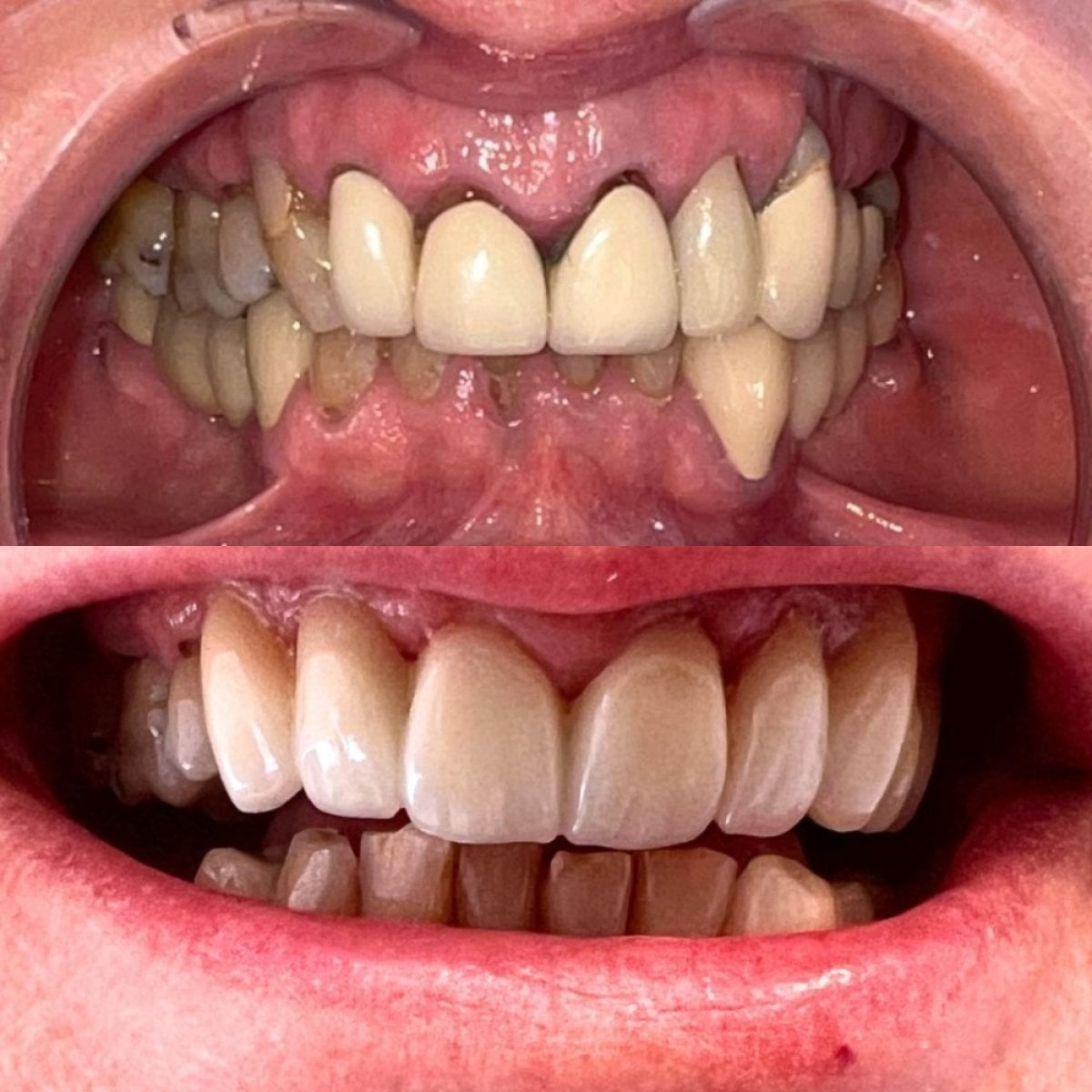
El costo de la colocación de una corona dental en España suele oscilar entre $300 y $350. Los precios pueden variar según el material utilizado (circonio, porcelana sobre metal, cerámica completa), la experiencia del dentista y la cantidad de coronas necesarias. En los Estados Unidos, el costo promedio es de $2,400 (según la ADA). Las coronas dentales en España son aproximadamente un 86% más económicas que en los EE. UU.
Las clínicas dentales españolas suelen incluir en el precio la consulta inicial, las radiografías digitales, la preparación del diente, la corona provisional, la corona definitiva y una visita de seguimiento. En los EE. UU., el precio indicado a menudo cubre solo la corona en sí, con cargos separados por diagnóstico, anestesia y cuidados posteriores. Confirme siempre exactamente qué está incluido antes de reservar su tratamiento.
| España | Estados Unidos | México | |
|---|---|---|---|
| Instalación de coronas dentales | de $300 | ≈ $1,800 | de $220 |
| Reemplazo de corona dental | de $500 | ≈ $1,000 | de $400 |
| Preparación dentaria para corona | de $280 | ≈ $900 | de $250 |
| Instalación de una corona de zirconio | ≈ $480 | ≈ $1,000 | de $420 |
| Instalación de una corona de porcelana. | de $680 | ≈ $1,200 | de $300 |
Día 1 - Llegada
Día 2 - Preoperatorio
Día 3 - Instalación de corona dental
Día 4 - Descanso
Día 5 - Colocación de la corona
Día 6 - Postoperatorio
Día 7 - Salida
Semana 1 - Rehabilitación
Tenga en cuenta que el proceso puede variar según las necesidades y situaciones individuales.

La Dra. Alaa Ghuzlan es odontóloga con más de 10 años de experiencia. Ha tratado a miles de pacientes en varios países. Cuenta con una especialización en implantología dental de la Universidad de Barcelona. Continúa formándose para ofrecer tratamientos actualizados.
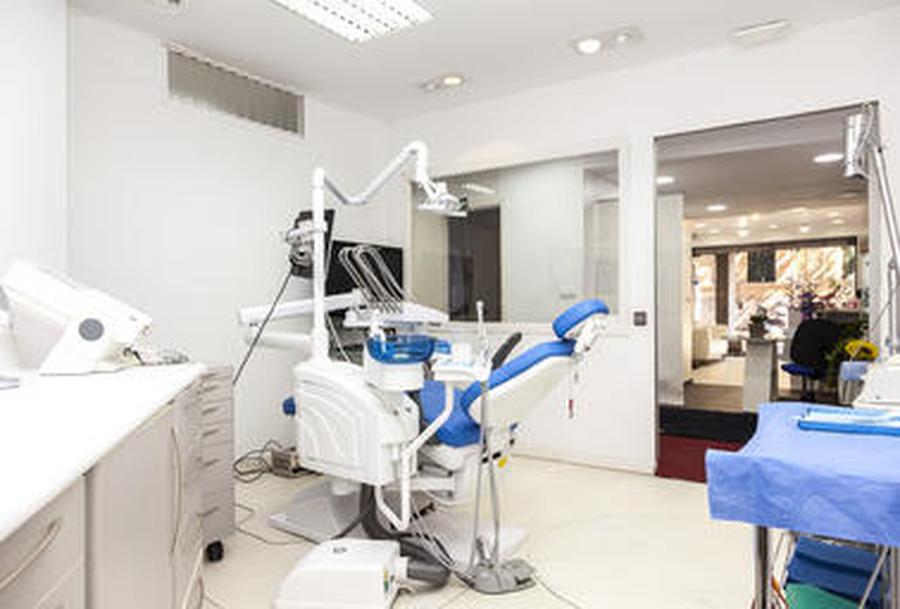
Su consulta utiliza radiología 2D y 3D y un escáner intraoral 3D. Estas herramientas mejoran la experiencia del paciente y agilizan los flujos de trabajo. También permiten ofrecer una atención más rápida.


 Olena Sikoza
La atención dental en España es segura y está estrictamente protegida por las leyes de la Unión Europea y los mandatos sanitarios nacionales. Todo dentista debe registrarse legalmente ante el colegio oficial de dentistas y poseer un título universitario verificado. Las instalaciones utilizan materiales con marcado CE y se someten a inspecciones radiológicas anuales obligatorias por seguridad.
Perspectiva del experto de Bookimed: Aunque la seguridad es alta, nuestros datos muestran una tendencia donde los mejores resultados provienen de clínicas que priorizan el ajuste sobre la velocidad. Algunos centros ofrecen coronas en el mismo día, pero las clínicas mejor valoradas a menudo incluyen una verificación vital de la mordida tras la cementación. Este ajuste es esencial para
Las coronas dentales generalmente duran de 10 a 15 años con un mantenimiento estándar. Los materiales de alta calidad como el circonio o el oro pueden durar de 20 a 30 años con una higiene bucal adecuada. La longevidad depende de la elección del material, las fuerzas de mordida y la precisión del ajuste inicial realizado por un dentista cualificado.
Perspectiva del experto de Bookimed: España atrae a muchos pacientes dentales porque clínicas como Clínica Dental Raíces utilizan escáneres intraorales 3D para lograr márgenes más precisos. Una mejor precisión marginal prolonga directamente la vida útil de la corona al reducir las trampas de bacterias. Mientras que el promedio en EE. UU. para una corona es de $2,400, elegir instalaciones españolas especializadas proporcion
Las técnicas modernas de anestesia y sedación aseguran que la instalación de coronas dentales en España sea efectivamente indolora. Los pacientes sienten presión y vibraciones durante la preparación del diente, pero no sensaciones agudas. La anestesia local adormece completamente el sitio de tratamiento, mientras que el dolor postoperatorio suele ser leve y se controla con medicamentos de venta libre.
Perspectiva de expertos de Bookimed: Las clínicas españolas como Clínica Dental Raíces utilizan escáneres intraorales 3D para garantizar un ajuste perfecto desde el principio. Los datos sugieren que las coronas con una oclusión alta son la causa principal del dolor postoperatorio. El escaneo digital reduce significativamente estos errores de "mordida alta" en comparación con los moldes manuales tradicionales.
Consenso de los pacientes: La iny
La instalación de una corona dental en España suele tardar entre 15 y 45 minutos para la colocación final de la restauración. Esta sesión clínica implica verificar el ajuste, ajustar la mordida y cementar la corona. Los procesos tradicionales realizados en laboratorio requieren 2 visitas separadas durante 1 a 2 semanas.
Perspectiva del experto de Bookimed: Clínicas como la Clínica Dental Raíces en Tenerife utilizan escáneres intraorales 3D para evitar los moldes físicos. Este enfoque digital a menudo resulta en un ajuste inicial más preciso. Una mayor precisión durante la etapa de impresión digital reduce significativamente el tiempo dedicado a los ajustes manuales de la mordida durante la colocación final.
Consenso de los pacientes: La segunda cita se siente mucho más rápida que la primera. Los pacientes informan que el cementado real es rápido, pero verificar los pu
España ofrece materiales profesionales para coronas dentales, incluyendo circonio de alta resistencia, cerámica translúcida E-max y metal-cerámica (PFM) duradera. Las clínicas en Barcelona y Madrid ofrecen estas opciones para satisfacer objetivos estéticos y necesidades funcionales, y muchas instalaciones cuentan con estándares internacionales ISO o acreditación de la Joint Commission International.
Perspectiva de expertos de Bookimed: Las clínicas españolas como Nart Clínica Dental suelen utilizar escáneres intraorales 3D para un ajuste de material más preciso. Si bien el circonio es popular por su resistencia, los centros de gran volumen en Barcelona enfatizan el E-max para los dientes anteriores. Esta elección de material específica mejora sign