Angiografia coronaria en España — obtén 3 clínicas con costos


Revisado médicamente por
Fahad Mawlood
¿Cuál es el precio de Angiografia coronaria en España? Descubra ahora
El costo de la angiografía coronaria en España suele oscilar entre $3,200 y $4,800. Los precios varían según el hospital, si el procedimiento es solo diagnóstico o incluye intervención, y la experiencia del cardiólogo. UU.
Los hospitales españoles suelen incluir en el precio total la angiografía, la anestesia local o sedación, el uso de la sala de hemodinámica, materiales desechables, una breve estancia hospitalaria y la monitorización posterior al procedimiento. En EE. UU., el precio indicado suele cubrir solo el procedimiento, con cargos separados por anestesia, uso de instalaciones y recuperación. Siempre confirmar qué está incluido con la clínica elegida.
Beneficios clave
¿Por qué elegir España para una angiografía coronaria?
- Clínicas acreditadas: Hospitales certificados por JCI y centros acreditados por el Ministerio de Sanidad de España que brindan atención de alta calidad.
- Últimas tecnologías: España emplea técnicas como la Reserva Fraccional de Flujo (FFR) y la Tomografía de Coherencia Óptica (OCT). Utilizan marcas líderes como Philips Azurion y Innova IGS 5 de GE Healthcare para mejorar la precisión diagnóstica.
- Altas tasas de éxito: La angiografía coronaria en España tiene una tasa de eficacia del 98%. Los resultados son excelentes en diversas condiciones de los pacientes.
- Cirujanos expertos: Reconocidos cardiólogos, certificados por la Junta Europea de Cardiología, han realizado más de 2,000 angiografías coronarias. Esto garantiza atención experta y precisión.
Accede a soluciones avanzadas de angiografía coronaria en clínicas de confianza de $3,200.
| España | Turquía | México | |
|---|---|---|---|
| Angiografia coronaria | ≈ $3,200 | de $1,800 | ≈ $2,800 |
Sus beneficios y garantías con Bookimed
Precios directos
Bookimed no añade cargos adicionales a los precios de Angiografia coronaria. Las tarifas proceden de las listas de precios oficiales de las clínicas. Pagará directamente en la clínica por su Angiografia coronaria a su llegada al país.
Sólo clínicas y médicos verificados
Bookimed está comprometido con su seguridad. Solo trabajamos con las clínicas que mantienen altos estándares internacionales en Angiografia coronaria y tienen las licencias necesarias para atender a pacientes internacionales en todo el mundo.
Asistencia 24/7 gratuita
Bookimed ofrece asistencia experta gratuita. Un coordinador médico personal le apoya antes, durante y después del tratamiento, resolviendo cualquier problema. Nunca estará solo en su viaje médico de Angiografia coronaria.

Su coordinador médico personal de Bookimed
- Le apoya en cada etapa
- Ayuda a elegir la clínica y el médico adecuados
- Asegura un acceso rápido y conveniente a la información
Descubra las mejores clínicas de Angiografia coronaria en España: 1 opciones verificadas y Precios
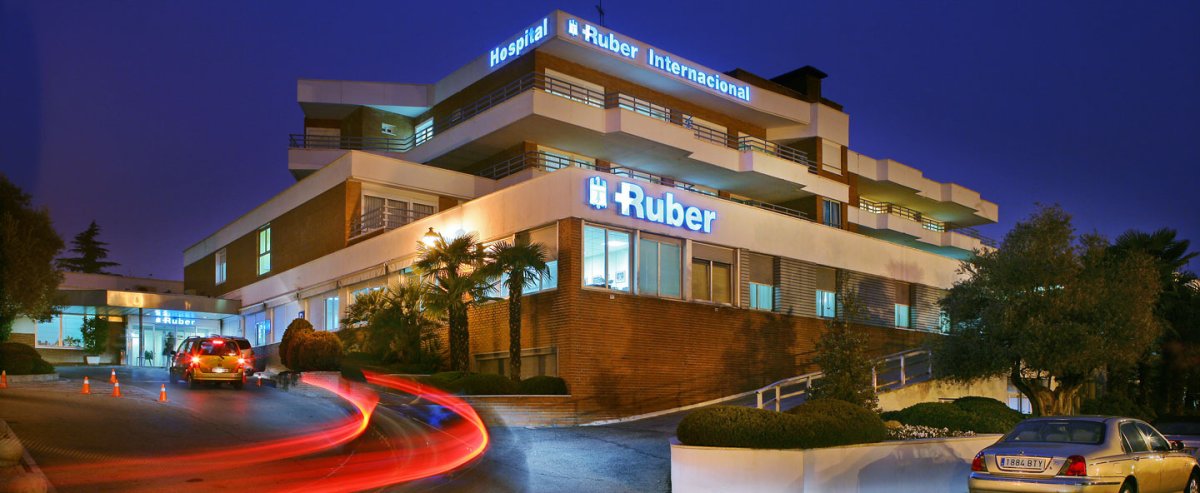


Descripción general de Angiografia coronaria en España
- Angiografia coronaria - de $3,200Este procedimiento visualiza las arterias del corazón, detecta bloqueos a través de un tinte y rayos X, lo que permite tratamientos precisos y específicos.
Día 1: Llegada
- Llegada al país y registro en su alojamiento.
- Se requiere traslado propio del aeropuerto al hospital.
Día 2: Preoperatorio
- Consulta inicial con un cardiólogo.
- Sométete a los análisis de sangre necesarios.
- Realice un examen físico y discuta el historial médico.
- Recibir instrucciones para el día del procedimiento.
Día 3: angiografía coronaria
- Llegada al hospital por la mañana, en ayunas.
- Recibir anestesia local.
- El procedimiento toma alrededor de 1-2 horas.
- Se inserta un catéter a través de un vaso sanguíneo hasta el corazón.
- Se inyecta un tinte y se toman radiografías para visualizar las arterias coronarias.
- Permanezca en la sala de recuperación hasta que desaparezca el efecto del sedante.
Día 4: Postoperatorio
- Permanezca en el hospital para observación, generalmente en una cámara individual.
- El cardiólogo revisa los resultados y analiza los próximos pasos.
Día 5: Alta y Rehabilitación
- Obtener el alta del hospital.
- Comience con ejercicios suaves como caminar como parte de la rehabilitación.
- Siga una dieta saludable según lo aconseje el médico.
Semana 2
- Aumentar gradualmente la actividad física.
- En general, se espera una recuperación completa y el regreso al trabajo.
Tenga en cuenta que la experiencia de cada paciente puede variar y es importante seguir los consejos de su médico para una recuperación exitosa.
- Depósito de Bookimed: 200 $ o 200 €.
- Depósito de la clínica: Pague un porcentaje fijo por adelantado.
Obtenga una evaluación médica para Angiografia coronaria en España: Elija su especialista entre los mejores en el campo
Ver todos los médicos
José Ángel Cabrera Rodríguez
El Dr. Cabrera dirige los departamentos de cardiología en Quironsalud Madrid y Ruber Juan Bravo, con décadas de experiencia en procedimientos cardíacos complejos.
- Dirigió unidades de arritmias en importantes hospitales de Madrid desde el año 2000
- Especialista en cardiología intervencionista y electrofisiología
- Profesor en el departamento de cardiología de la Universidad Europea de Madrid
- Miembro de sociedades de cardiología europeas y norteamericanas
- Extensa investigación publicada en las principales revistas de cardiología

Francisco Javier Alzueta Rodriguez
Más de 100 publicaciones científicas y 23 libros sobre cardiología – el Dr. Alzueta Rodríguez combina una profunda investigación con experiencia clínica en Quirónsalud Marbella.
- Especialista en arritmias cardíacas y ablación por catéter
- Jefe de la Unidad de Arritmias en la Clínica Puerta de Hierro
- Profesor titular en la Universidad de Málaga
- Miembro de la Sociedad Europea de Cardiología
- Coordinó la investigación sobre desfibriladores implantables para la Sociedad Española de Cardiología

Said Barakat
El Dr. Said Barakat es un cardiólogo líder en Andalucía, especializado en angiografía coronaria y cardiología intervencionista en Quirónsalud Marbella.
- 23 años de experiencia en cardiología
- Jefe de Unidad y Jefe de Pruebas Clínicas y Complementarias
- Autor de tres libros de cardiología y más de 80 publicaciones
- Especializado en cateterismo cardíaco diagnóstico y tratamientos percutáneos
- Jefe de la Unidad de Cardiología Nuclear en el Instituto Tanit de Málaga

Fernando Villagrá
Más de _doctor_3341_años_ liderando unidades de cirugía cardíaca pediátrica – El Dr. Villagrá se especializa en cardiopatías congénitas en el Hospital Universitario HM Montepríncipe.
- Jefe del Servicio de Cirugía Cardíaca Infantil desde 1999
- Formado en los mejores hospitales de EE. UU., incluidos Mayo Clinic y Cleveland Clinic
- Ha publicado más de 100 artículos en revistas internacionales
- Experto en reparaciones complejas de defectos cardíacos congénitos
Historias en video de pacientes de Bookimed
Reseñas
Todas las reseñasCompartir contenido
 Olena Sikoza
Preguntas frecuentes sobre Angiografia coronaria en España
¿Cuándo es seguro volar después de una angiografía coronaria en España?
Generalmente es seguro volar 2 días después de una angiografía coronaria sin complicaciones en España. Si los cirujanos en instalaciones como el Hospital Ruber Internacional realizan una angioplastia con colocación de stent, los pacientes suelen esperar de 1 a 2 semanas. La estabilidad en el sitio de acceso del catéter es el requisito principal para viajar.
- Angiografía diagnóstica: Los pacientes sin complicaciones pueden volar después de 2 días de descanso.
- Espera tras angioplastia: La colocación de un stent a menudo requiere de 1 a 2 semanas de recuperación antes de volar.
- Después de un ataque cardíaco: La autorización para volar varía de 3 días a 6 semanas según la gravedad clínica.
- Requisitos de viaje: Los cardiólogos certificados deben confirmar que el sitio de la punción esté seco y estable.
Perspectiva del experto de Bookimed: Los principales especialistas cardiovasculares de España a menudo cuentan con credenciales de la Cleveland Clinic o la Mayo Clinic. El Dr. José Ángel Cabrera Rodríguez señala que la razón clínica de la prueba dicta el momento del viaje más que el procedimiento en sí. Elegir un hospital acreditado por la JCI en Madrid garantiza que sus registros cumplan con los estándares internacionales de seguros para la cobertura de vuelos posoperatorios.
Consenso de los pacientes: Los viajeros encu
¿Qué es una angiografía coronaria?
Una angiografía coronaria es un procedimiento especializado de diagnóstico por imagen mediante rayos X utilizado para detectar bloqueos o estrechamientos en las arterias del corazón. Conocida como el estándar de oro para diagnosticar la enfermedad arterial coronaria, utiliza un medio de contraste y rayos X para visualizar el flujo sanguíneo y guiar tratamientos inmediatos, como la colocación de un stent.
- Tipos de enfoque: Incluye tanto la angiografía invasiva basada en catéter como las opciones de angiografía coronaria por TC no invasiva.
- Puntos de acceso: Los cirujanos suelen utilizar el acceso por la muñeca para una recuperación más sencilla, aunque pueden utilizar la ingle.
- Proceso: Los catéteres suministran un tinte radiográfico en las arterias mientras los rayos X capturan imágenes detalladas en tiempo real.
- Coste en España: Los procedimientos oscilan entre $3,200 y $4,800 en hospitales españoles de primer nivel.
Perspectiva del experto de Bookimed: España ofrece una ventaja única para los pacientes cardíacos al combinar una infraestructura de alta tecnología con ahorros significativos. Mientras que el promedio en EE. UU. para este procedimiento es de _price_compare_US_average_, elegir instalaciones acreditadas por la JCI en Madrid o Marbella le permite ahorrar aproximadamente un _price_percent_discount_%. Hos
¿Por qué un cardiólogo en España podría recomendar este examen?
Los cardiólogos en España recomiendan la angiografía coronaria para diagnosticar arterias estrechas u obstruidas y confirmar la enfermedad coronaria. Este procedimiento diagnóstico proporciona imágenes de alta calidad de los vasos sanguíneos. Ayuda a los especialistas a determinar la gravedad de la aterosclerosis y a planificar tratamientos, como la colocación de un stent o una cirugía de bypass, dentro de instituciones acreditadas por la JCI.
- Precisión diagnóstica: Evaluación de dolor inexplicable en el pecho, mandíbula, cuello o brazo para detectar enfermedades cardíacas ocultas.
- Seguimiento tras anomalías: Investigación de cambios en la actividad cardíaca detectados durante una prueba de esfuerzo anormal previa.
- Gestión de estados agudos: Necesidad inmediata para pacientes que sufren un ataque cardíaco agudo con elevación del segmento ST en el ECG.
- Planificación quirúrgica: Evaluación de defectos cardíacos congénitos o enfermedades valvulares antes de realizar una cirugía cardíaca correctiva.
Opinión de expertos de Bookimed: Los centros de cardiología españoles, como el Hospital Ruber Internacional, manejan un volumen enorme de más de 93 000 consultas al año. Esta alta capacidad permite a cirujanos como el Dr. Said Barakat en Quirónsalud Marbella realizar cateterismos diagnósticos y procedimientos TAVI con extrema precisión. Elegir c
¿Cuál es el papel de la angiografía coronaria en la era de la angioplastia?
La angiografía coronaria sigue siendo el estándar de oro para diagnosticar la enfermedad de las arterias, sirviendo como la hoja de ruta esencial para la angioplastia. Identifica las ubicaciones precisas de los bloqueos y permite la navegación de cables en tiempo real. La práctica moderna la utiliza como un punto de decisión crítico para el manejo médico, la colocación de stents o la cirugía de bypass.
- Evaluación definitiva: Identifica la ubicación exacta, la gravedad y las características de las obstrucciones de las arterias coronarias.
- Planificación del procedimiento: Guía la selección de los tamaños de los balones y stents para reducir la radiación y el contraste.
- Acceso radial: El acceso moderno a través de la muñeca ofrece una recuperación más rápida y menores riesgos de sangrado que el acceso femoral.
- Pruebas fisiológicas: La evaluación FFR integrada determina si un bloqueo realmente requiere un stent físico.
Opinión de los expertos de Bookimed: Si bien la angiografía proporciona el mapa visual, los principales centros de cardiología de España, como el Hospital Ruber Internacional, integran imágenes digitales avanzadas. Los datos muestran que realizar una angiografía en centros de gran volumen acreditados por la JCI en Madrid garantiza el acceso a especialistas como el Prof. Dr. José Ángel Cabrera Rodríguez. Los expertos ahora uti
¿Es dolorosa la coronariografía?
La coronariografía es generalmente un procedimiento de bajo dolor que se realiza bajo anestesia local y sedación consciente. La mayoría de los pacientes solo sienten un breve pinchazo por la inyección anestésica y una presión leve en el sitio de acceso. Las técnicas de imagen avanzadas utilizadas en España garantizan una alta precisión y una mínima incomodidad para el paciente.
- Aplicación de anestesia: Una pequeña inyección de anestesia local adormece el sitio de acceso en la muñeca o la ingle.
- Sensación del catéter: Los pacientes sienten presión o un ligero cosquilleo a medida que el catéter se mueve a través de los vasos.
- Reacción al contraste: La inyección del tinte de diagnóstico a menudo causa una breve sensación de calor en todo el cuerpo.
- Cuidados post-procedimiento: El dolor leve o los hematomas en el sitio de punción suelen durar unos pocos días.
Opinión experta de Bookimed: Elegir una clínica como el Hospital Ruber Internacional permite acceder a una atención acreditada por la JCI donde especialistas de alto volumen utilizan el acceso radial. Los datos muestran que los procedimientos basados en la muñeca ofrecen un movimiento más rápido después de la cirugía en comparación con el acceso a través de la ingle. Este enfoque reduce significativamente la incomodidad de tener que permanecer acostado durante varias horas durante la r
¿Cuánto tiempo dura el procedimiento?
La angiografía coronaria en España suele durar de 30 a 60 minutos para el procedimiento médico. La mayoría de los pacientes se someten al cateterismo cardíaco diagnóstico bajo anestesia local. Debe planificar una estancia hospitalaria total de 4 a 6 horas para incluir la preparación y la recuperación.
- Duración del procedimiento: La fase activa de cateterismo generalmente dura entre 30 y 60 minutos.
- Tiempo total en el hospital: Espere una estancia de 4 a 6 horas, incluyendo la supervisión obligatoria después del procedimiento.
- Tipo de anestesia: Los cirujanos utilizan anestesia local en el sitio de entrada percutáneo para la comodidad del paciente.
- Programación del alta: La mayoría de las clínicas españolas, como el Hospital Ruber Internacional, ofrecen el alta el mismo día.
Perspectiva del experto de Bookimed: Aunque el procedimiento en sí es breve, el punto de entrada determina su tiempo total. El acceso transradial a través de la muñeca a menudo permite una movilización más rápida que el acceso femoral en la ingle. Algunos especialistas españoles como el Dr. Said Barakat dirigen unidades que priorizan estas técnicas percutáneas eficientes para reducir las horas de recuperación.
Consenso de los pacientes: Los pacientes enfatizan que el monitoreo de la recuperación en el sitio de la punción es la parte más larga
¿Qué es un stent?
Un stent es un pequeño tubo de malla expandible que se utiliza para mantener abiertas las arterias estrechadas o bloqueadas con el fin de restablecer el flujo sanguíneo normal. Funcionando como un andamio permanente, estos marcos de metal en miniatura tratan la enfermedad de las arterias coronarias, alivian la angina y detienen los ataques cardíacos al apartar la placa.
- Tipos de materiales: La mayoría de los cirujanos utilizan stents liberadores de fármacos (DES) para evitar el nuevo crecimiento de tejido cicatricial.
- Método de colocación: Los médicos insertan stents mediante angioplastia mínimamente invasiva utilizando acceso radial o femoral.
- Función principal: El dispositivo sostiene las paredes de los vasos sin eliminar la placa para garantizar la permeabilidad a largo plazo.
- Farmacia requerida: Los pacientes deben seguir estrictamente los protocolos de medicación antiplaquetaria para evitar posibles coágulos sanguíneos.
Perspectiva del experto de Bookimed: Los principales centros cardíacos de España, como el Hospital Ruber Internacional, integran resonancia magnética de 3 Teslas y tecnología Da Vinci para un mapeo prequirúrgico de alta precisión. Los datos muestran que los especialistas españoles a menudo prefieren el abordaje por la arteria radial de la muñeca, lo que generalmente permite una movilización más rápida del paciente y
¿Dónde se realizan normalmente las angiografías coronarias en España?
Las angiografías coronarias en España se realizan en laboratorios especializados de cateterismo cardíaco ubicados dentro de grandes hospitales de tercer nivel. Estas instalaciones utilizan unidades de hemodinámica avanzadas en ciudades como Madrid y Marbella, contando con proveedores acreditados por la JCI y cardiólogos expertos de la Sociedad Española de Cardiología.
- Tipos de centros: Los procedimientos se realizan en hospitales universitarios públicos o unidades privadas de cardiología intervencionista.
- Ubicaciones principales: Los centros importantes incluyen Madrid y Marbella, que albergan centros de gran volumen como el Hospital Ruber Internacional.
- Acceso tecnológico: Las clínicas ofrecen tanto cateterismo cardíaco invasivo como angiografía coronaria por TC no invasiva.
- Estándares clínicos: La mayoría de los centros mantienen certificaciones ISO y brindan acceso inmediato a respaldo quirúrgico.
Perspectiva del experto de Bookimed: Aunque muchas instalaciones europeas se centran en el cateterismo estándar, los centros privados españoles como el Hospital Ruber Internacional integran resonancia magnética de 3 Teslas e imágenes por TC avanzadas. Esto permite a los pacientes someterse a pruebas de detección no invasivas antes de comprometerse a un acceso arterial invasivo, a menudo evitando estancias hospitalarias innecesarias.