Angiografia coronaria en Turquía — obtén 3 clínicas con costos


Revisado médicamente por
Fahad Mawlood
¿Cuál es el precio de Angiografia coronaria en Turquía? Descubra ahora
De $1,800. El precio depende de la clínica, la experiencia del cardiólogo y si el procedimiento es solo diagnóstico o incluye intervención. UU.
Las clínicas turcas suelen incluir la consulta inicial, análisis de sangre preoperatorios, medicación postoperatoria, visitas de seguimiento, personal que habla inglés y atención al paciente 24/7. También suelen ofrecer comidas durante la estancia en la clínica y planes de atención personalizados. En EE. UU., el precio listado a menudo cubre solo el procedimiento, con cargos separados por pruebas, medicamentos y seguimientos. Siempre confirmar qué está incluido en cada clínica.
Beneficios clave
¿Por qué elegir Turquía para una angiografía coronaria?
- Clínicas acreditadas: Hospitales certificados por JCI ofrecen atención de alta calidad y cumplen con los estándares internacionales de salud.
- Últimas tecnologías: Las clínicas emplean técnicas como la Reserva Fraccional de Flujo (FFR) y la Tomografía de Coherencia Óptica (OCT) para un diagnóstico preciso. También utilizan dispositivos de marcas líderes como Philips y Siemens.
- Altas tasas de éxito: Los procedimientos de angiografía coronaria en Turquía tienen una tasa de eficacia del 95% en la detección de enfermedades de las arterias coronarias. Esto asegura una planificación de tratamiento precisa y efectiva.
- Cirujanos expertos: Los principales cardiólogos, certificados por la Junta Europea de Cardiología, han realizado más de 5,000 angiografías coronarias. Su amplia experiencia y pericia están bien documentadas.
Accede a soluciones avanzadas de angiografía coronaria en clínicas de confianza de $1,800.
| España | Turquía | México | |
|---|---|---|---|
| Angiografia coronaria | ≈ $3,200 | de $1,800 | ≈ $2,800 |
Sus beneficios y garantías con Bookimed
Precios directos
Bookimed no añade cargos adicionales a los precios de Angiografia coronaria. Las tarifas proceden de las listas de precios oficiales de las clínicas. Pagará directamente en la clínica por su Angiografia coronaria a su llegada al país.
Sólo clínicas y médicos verificados
Bookimed está comprometido con su seguridad. Solo trabajamos con las clínicas que mantienen altos estándares internacionales en Angiografia coronaria y tienen las licencias necesarias para atender a pacientes internacionales en todo el mundo.
Asistencia 24/7 gratuita
Bookimed ofrece asistencia experta gratuita. Un coordinador médico personal le apoya antes, durante y después del tratamiento, resolviendo cualquier problema. Nunca estará solo en su viaje médico de Angiografia coronaria.

Su coordinador médico personal de Bookimed
- Le apoya en cada etapa
- Ayuda a elegir la clínica y el médico adecuados
- Asegura un acceso rápido y conveniente a la información
Descubra las mejores clínicas de Angiografia coronaria en Turquía: 28 opciones verificadas y Precios


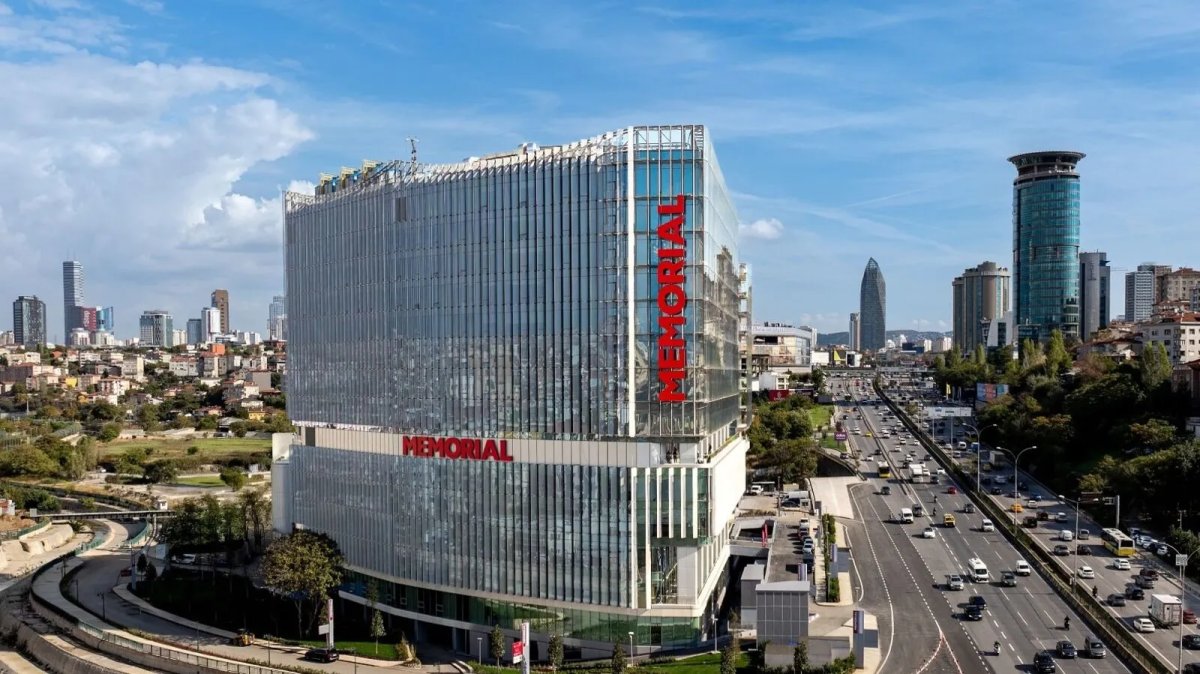
Memorial Göztepe Hospital



Centro médico Anadolu
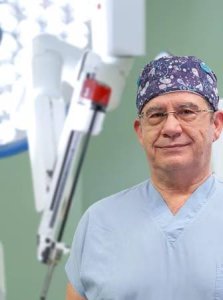
Hasim Ustunsoy











Hospital Lokman Hekim de Estambul (Lokman Hekim Istanbul Hospital)


Descripción general de Angiografia coronaria en Turquía
- Angiografia coronaria - de $1,800Este procedimiento visualiza las arterias del corazón, detecta bloqueos a través de un tinte y rayos X, lo que permite tratamientos precisos y específicos.
Día 1: Llegada
- Llegada al país y registro en su alojamiento.
- Se requiere traslado propio del aeropuerto al hospital.
Día 2: Preoperatorio
- Consulta inicial con un cardiólogo.
- Sométete a los análisis de sangre necesarios.
- Realice un examen físico y discuta el historial médico.
- Recibir instrucciones para el día del procedimiento.
Día 3: angiografía coronaria
- Llegada al hospital por la mañana, en ayunas.
- Recibir anestesia local.
- El procedimiento toma alrededor de 1-2 horas.
- Se inserta un catéter a través de un vaso sanguíneo hasta el corazón.
- Se inyecta un tinte y se toman radiografías para visualizar las arterias coronarias.
- Permanezca en la sala de recuperación hasta que desaparezca el efecto del sedante.
Día 4: Postoperatorio
- Permanezca en el hospital para observación, generalmente en una cámara individual.
- El cardiólogo revisa los resultados y analiza los próximos pasos.
Día 5: Alta y Rehabilitación
- Obtener el alta del hospital.
- Comience con ejercicios suaves como caminar como parte de la rehabilitación.
- Siga una dieta saludable según lo aconseje el médico.
Semana 2
- Aumentar gradualmente la actividad física.
- En general, se espera una recuperación completa y el regreso al trabajo.
Tenga en cuenta que la experiencia de cada paciente puede variar y es importante seguir los consejos de su médico para una recuperación exitosa.
Lo que les gusta a los pacientes:
- Precio. El costo de la angiografía coronaria en Turquía oscila entre $ 2000 y $ 3000. Esto es más barato en comparación con $ 5000 a $ 10 000 en los EE. UU. y $ 7000 a $ 15 000 en el Reino Unido.
- Profesionalidad del médico. Muchos pacientes aprecian a los médicos profesionales certificados por las juntas internacionales y europeas de cardiología intervencionista. Tienen membresía en organizaciones acreditadas y han realizado miles de procedimientos.
- Nivel de servicio. Los pacientes admiran el servicio de alta calidad que se brinda en los hospitales turcos. Dan crédito al personal hospitalario y los procedimientos organizados.
- Eficacia de la angiografía coronaria. Los pacientes a menudo expresan su satisfacción con las técnicas modernas utilizadas en Turquía, que dan como resultado resultados exitosos.
- Logística. A los pacientes les gusta la logística eficiente, incluida la recogida en el aeropuerto, el alojamiento y los servicios de traducción que se ofrecen.
Lo que no les gusta a los pacientes:
- Tiempo de espera. Algunos pacientes han mencionado tiempos de espera más largos para citas y procedimientos. Estos retrasos pueden causar estrés y ansiedad.
- Barrera de comunicación. A pesar de los servicios de traducción, algunos pacientes reportan dificultades en la comunicación debido a las barreras del idioma.
- Atención de seguimiento limitada. Ha habido quejas sobre la atención de seguimiento limitada proporcionada después del procedimiento.
- Depósito de Bookimed: 200 $ o 200 €.
- Depósito de la clínica: Pague un porcentaje fijo por adelantado.
Obtenga una evaluación médica de Angiografia coronaria en Turquía: haga una consulta con 45 médicos experimentados ahora
Ver todos los médicos
Cemsit Karakurt
El profesor Karakurt se especializa en cardiología pediátrica con décadas de experiencia, incluyendo roles académicos en la Universidad Inönü.
- Certificado en cardiología pediátrica con amplia formación en el Hospital Dr. Sami Ulus
- Miembro de la Sociedad Turca de Cardiología Pediátrica y Cirugía Cardíaca
- Ocupó cargos de liderazgo, incluyendo Jefe del Departamento de Salud y Enfermedades Infantiles
- Activo en el ámbito académico, contribuyendo a los avances en cardiología pediátrica
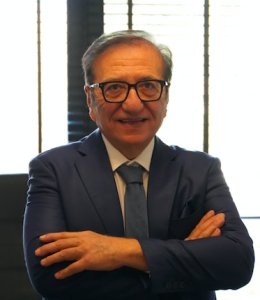
Öztekin Oto
Hasim Ustunsoy
El doctor tiene una carrera distinguida en cirugía cardiovascular con un enfoque en técnicas mínimamente invasivas y robóticas. Habiendo ocupado posiciones en instituciones prestigiosas en todo el mundo, el doctor ha hecho contribuciones significativas a la investigación y la educación en el campo.<\/p>
Después de completar una especialización en cirugía cardiovascular en la Universidad de Uludag, el doctor adquirió experiencia en varios centros médicos, incluyendo la Universidad

Mehmet Saygi
El médico completó su educación médica en la Facultad de Medicina de la Universidad de Ankara en 2013 y comenzó su especialización en cardiología en el Hospital de Entrenamiento e Investigación de Cirugía Torácica y Cardiovascular Siyami Ersek en 2014. Durante este período, el médico adquirió una amplia experiencia, realizando más de 2500 angiografías coronarias y más de 300 procedimientos de stent y balón, finalizando su especialización en 2019.<\/p>
Los intereses clínicos incluy
Historias en video de pacientes de Bookimed
Reseñas
Todas las reseñasCompartir contenido
 Olena Sikoza
Preguntas frecuentes sobre Angiografia coronaria en Turquía
¿Es segura la coronariografía en Turquía?
La coronariografía es excepcionalmente segura en Turquía cuando se realiza en hospitales acreditados por la Joint Commission International (JCI). Estas instalaciones mantienen altos estándares de seguridad utilizando tecnologías avanzadas como la Reserva de Flujo Fraccional (FFR) para garantizar una precisión diagnóstica del 95%. Los cardiólogos turcos líderes a menudo poseen certificaciones del European Board of Cardiology.
- Acreditación hospitalaria: Centros líderes como el Memorial Sisli Hospital poseen prestigiosas certificaciones de la JCI.
- Experiencia especializada: Cirujanos de primer nivel como Batur Gonenc Kanar han realizado más de 1.000 procedimientos intervencionistas.
- Tecnología avanzada: Las clínicas utilizan el dispositivo EOS para reducir significativamente la exposición a la radiación durante las imágenes.
- Reconocimiento global: El Anadolu Medical Center está clasificado entre los mejores hospitales del mundo en 2026 por Newsweek.
Perspectiva de expertos de Bookimed: El perfil de seguridad en Turquía se ve reforzado por los altos volúmenes de procedimientos. Por ejemplo, el Hisar Hospital Intercontinental trata a 250.000 pacientes al año. Esta escala masiva permite a los equipos perfeccionar protocolos para complicaciones raras. Elegir una instalación «Smart-and-Green» como el Istanbul Florence Nightingale minimiza aún m
¿Cuáles son los mejores hospitales o centros para una coronariografía en Turquía?
El Hospital Florence Nightingale de Estambul, el Centro Médico Anadolu y el Hospital Memorial Şişli se encuentran entre los mejores centros para realizarse una coronariografía en Turquía. Estas instalaciones acreditadas por la JCI ofrecen imágenes cardíacas avanzadas y experiencia intervencionista, a menudo contando con afiliaciones con instituciones prestigiosas como Johns Hopkins Medicine para garantizar protocolos de seguridad internacionales.
- Centro Médico Anadolu: Afiliado a Johns Hopkins, proporciona protocolos cardíacos de estándar estadounidense en Estambul.
- Hospital Memorial Şişli: Cuenta con un centro de dolor torácico 24/7 y fue el primer hospital acreditado por la JCI en Turquía.
- Hospital Florence Nightingale: Conocido por su alta experiencia, habiendo completado más de 150,000 coronariografías exitosas.
- Hisar Hospital Intercontinental: Instalación acreditada por la JCI que atiende a más de 250,000 pacientes anualmente con unidades cardiovasculares especializadas.
Perspectiva del experto de Bookimed: Aunque el prestigio importa, busque médicos con altos volúmenes de procedimientos en centros afiliados a universidades. El Dr. Ozkan Bekler en Medipol Acibadem ha realizado más de 10,000 intervenciones coronarias complejas. Elegir a un especialista con alto volumen a menudo se correlaciona con tasas de complicaciones más bajas q
¿Cuál es el tiempo típico de recuperación después de una coronariografía?
La recuperación típica después de una coronariografía permite a la mayoría de los pacientes reanudar sus actividades normales en un plazo de 24 a 48 horas. Aunque el alta hospitalaria suele producirse entre 2 y 6 horas después del procedimiento, la cicatrización completa del sitio de acceso en la muñeca o la ingle suele tardar hasta 7 días.
- Estancia hospitalaria: La mayoría de los pacientes reciben el alta el mismo día tras 2 a 6 horas de observación clínica.
- Reanudación de actividades: El trabajo de oficina y caminar suavemente suelen ser seguros en un plazo de 24 a 48 horas.
- Restricciones físicas: Evite levantar objetos de más de 4,5 kg (10 libras) durante 2 a 7 días después del procedimiento.
- Sitio de acceso: Espere hematomas leves o sensibilidad en el punto de inserción durante 1 semana.
Perspectiva del experto de Bookimed: Elegir un cirujano especializado en acceso radial, como los del Liv Hospital Vadistanbul, acelera significativamente la recuperación. Mientras que el acceso femoral requiere 6 horas de reposo absoluto en cama, los pacientes con acceso radial a menudo caminan en 1 hora. Nuestros datos muestran que esta técnica minimiza las complicaciones vasculares y permite una preparación para viajar mucho más rápida para los pacientes internacionales.
Consenso de los pacientes: Muchos pacientes informan
¿Cuánto tiempo debo planificar quedarme en Turquía cuando viajo para una coronariografía?
Planifique una estancia de 7 días en Turquía para una coronariografía para cubrir las pruebas preoperatorias, el procedimiento y un margen de recuperación seguro. Aunque la intervención médica en sí dura entre 30 y 60 minutos, los pacientes internacionales necesitan un margen antes de volar para controlar posibles hinchazones y garantizar una correcta cicatrización del lugar de la punción.
- Fase previa al procedimiento: Dedique 1 o 2 días a análisis de sangre, ECG y consultas con cardiólogos turcos.
- Duración de la hospitalización: Espere una estancia ambulatoria o 1 noche de hospitalización para observación en centros acreditados por la JCI.
- Cronograma de recuperación: Mantenga de 24 a 48 horas de actividad restringida antes de explorar Estambul o la costa de Antalya.
- Preparación para el vuelo: Espere al menos 48 horas después del procedimiento antes de tomar un vuelo de regreso.
Perspectiva de expertos de Bookimed: Elegir una clínica que priorice el abordaje transradial a través de la muñeca, como el Hospital Hisar Intercontinental, a menudo permite el alta el mismo día. Nuestros datos muestran que este método reduce significativamente el requisito de reposo en cama de 4 a 6 horas en comparación con el acceso por la ingle. Esta recuperación más rápida le permite utilizar los 3 o 4 días restantes en Turquía para hacer turismo ligero en l