Cirugía de hallux valgus en España: las 10 mejores clínicas y sus precios


Revisado médicamente por
Fahad Mawlood
Cómo funciona
¿Cuál es el precio de Cirugía de hallux valgus en España? Descubra ahora
De $6,500. Los precios pueden variar según la técnica quirúrgica (mínimamente invasiva vs. abierta), la clínica, la experiencia del cirujano y si se trata uno o ambos pies. UU.
Las clínicas españolas suelen incluir pruebas preoperatorias, anestesia local o general, honorarios quirúrgicos, implantes estándar o materiales de fijación, estancia hospitalaria (si es necesaria) y el seguimiento postoperatorio inicial. En EE. UU., el precio anunciado suele cubrir solo los honorarios del cirujano, mientras que la anestesia, los gastos hospitalarios y el material se facturan por separado. Siempre confirmar exactamente qué está incluido con la clínica elegida.
Descubra las mejores clínicas de Cirugía de hallux valgus en España: 10 opciones verificadas y Precios















Policlinica Ntra. Sra. del Rosario



Descripción general de Cirugía de hallux valgus en España
- Tratamiento quirúrgico de la deformidad en valgo - de $10,100La operación corrige la desalineación del juanete, lo que implica un corte y una realineación precisos del hueso, lo que alivia el dolor y mejora la funcionalidad del pie.
- Cirugía de hallux valgus - de $6,500Este procedimiento corrige los juanetes realineando el dedo del pie, aliviando el dolor y mejorando la apariencia del pie.
- Hallux Valgus Lapiplastía 3D - de $6,700Este procedimiento realinea los huesos torcidos del pie y aborda la causa raíz de los juanetes con un riesgo mínimo de recurrencia.
- Hallux Valgus - Lapiplastía 3D - de $6,700Esta operación corrige las deformidades de los juanetes mediante la realineación de los huesos en 3D, lo que genera resultados permanentes y sin dolor.
Día 1 - Llegada
- Llegada al país.
- Traslado VIP del aeropuerto al hospital.
- Regístrese en el hospital.
- Consulta con el cirujano ortopédico.
Día 2 - Preoperatorio
- Exámenes médicos según indicación del cirujano ortopédico.
- Consulta final con el cirujano.
- Preparación para la cirugía.
Día 3 - Día de la cirugía
- Cirugía de hallux valgus realizada bajo anestesia local.
- El proceso quirúrgico dura de una a dos horas.
- Después de la cirugía, lo trasladarán a la sala de recuperación.
Día 4 - Postoperatorio
- Evaluación postoperatoria por el cirujano ortopédico.
- Se proporcionan instrucciones para la atención domiciliaria y la rehabilitación.
- Traslado al hotel para recuperación.
Semana 1-2 - Rehabilitación
- Descanse y eleve el pie para reducir la hinchazón.
- Asistir a las sesiones de fisioterapia según lo recomendado.
Semana 3-4 - Rehabilitación
- Regreso gradual a las actividades diarias según lo aconseje el médico.
- Continúe asistiendo a las sesiones de fisioterapia.
Semana 5-6 - Rehabilitación
- Regreso al trabajo, dependiendo de la naturaleza de su trabajo.
- Continuar con fisioterapia.
Semana 7-8 - Rehabilitación
- Regreso gradual a los deportes y otras actividades extenuantes.
- Control postoperatorio final con el cirujano ortopédico.
Tenga en cuenta que el tiempo de recuperación de cada paciente puede variar, según su salud general y la complejidad de la cirugía.
- Depósito de Bookimed: 200 $ o 200 €.
- Depósito de la clínica: Pague un porcentaje fijo por adelantado.
Obtenga una evaluación médica para Cirugía de hallux valgus en España: Elija su especialista entre los mejores en el campo
Ver todos los médicos
Pablo De La Cuadra
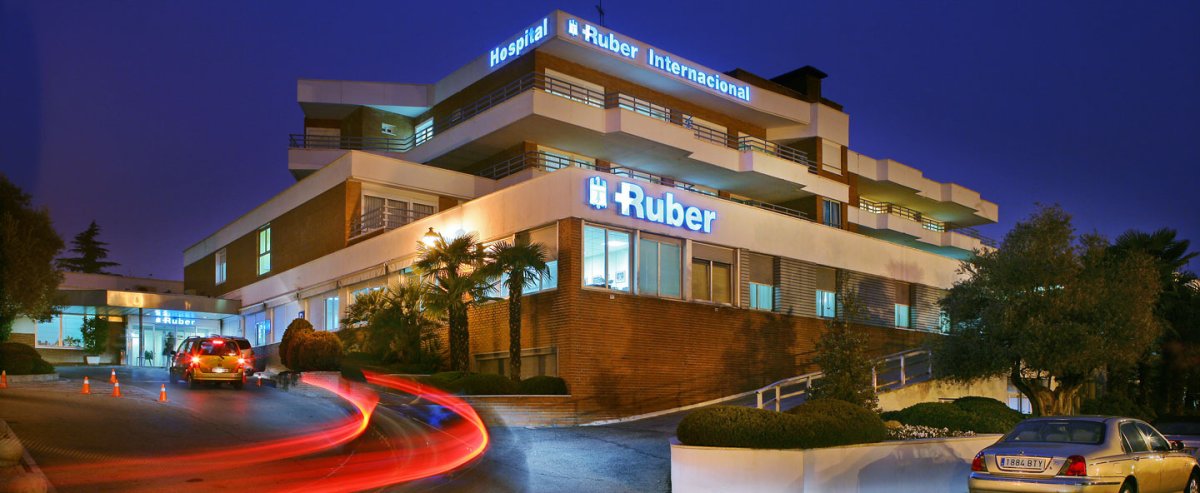
Más de 25 años de especialización en cirugía ortopédica – El Dr. Pablo De La Cuadra dirige un equipo de traumatología dedicado en el Hospital Ruber Internacional.
- Experto en técnicas artroscópicas mínimamente invasivas
- Especializado en lesiones deportivas y reconstrucción articular
- Profesor asociado en la Universidad Autónoma de Madrid
- Enfocado en la recuperación rápida y resultados funcionales óptimos

Inmaculada Gómez Arrayás
La Dra. Inmaculada Gómez Arrayás es una de las 100 mejores doctoras de España según Forbes. Ejerce como Jefa de Traumatología en el Hospital Ruber Internacional de Madrid. La Dra. Arrayás es pionera en el uso de sistemas de navegación para cirugías precisas de reemplazo articular. Se especializa en procedimientos mínimamente invasivos de cadera y rodilla y en protocolos de recuperación acelerada.
- Posee la certificación ISO 9001 de calidad en cirugías de reemplazo de cadera y rodill

Javier Albiñana
41 años especializado en cirugía ortopédica – el Dr. Albiñana combina su experiencia pediátrica con la corrección de deformidades del pie en adultos en Quironsalud Madrid.
- Jefe de Ortopedia Pediátrica en el Hospital La Paz
- Formación de fellowship en la Universidad de Iowa y Oxford
- Investigaciones publicadas sobre tratamientos de displasia de cadera
- Profesor asociado en la Universidad Autónoma de Madrid

Pedro Delgado
El Dr. Pedro Delgado dirige el servicio de Traumatología y Cirugía Ortopédica en el Hospital Universitario HM Montepríncipe, especializado en cirugía de mano.
- Jefe del servicio de Traumatología y Cirugía Ortopédica
- Trabaja junto a especialistas con formación internacional en cirugía de mano
- Parte de un equipo con diploma europeo en Cirugía de Mano
Reseñas
Todas las reseñas
Compartir contenido
Historias en video de pacientes de Bookimed
 Olena Sikoza
Preguntas frecuentes sobre Cirugía de hallux valgus en España
¿Cuáles son los mejores hospitales para la cirugía de hallux valgus (juanete) en España?
Los mejores hospitales para la cirugía de hallux valgus en España incluyen el Centro Médico Teknon, el Hospital Ruber Internacional y la Clínica Universidad de Navarra. Estas instalaciones utilizan estándares acreditados por la Joint Commission International y técnicas avanzadas como la cirugía percutánea mínimamente invasiva y la corrección 3D Lapidus para una recuperación óptima.
- Técnicas especializadas: Las clínicas ofrecen cirugía percutánea (MIS) y procedimientos de realineación ósea 3D Lapidus.
- Estándares de acreditación: Los centros líderes mantienen certificaciones de calidad de la Joint Commission International (JCI) e ISO 9001.
- Imágenes de alta precisión: Instalaciones como el Hospital HM Nou Delfos utilizan imágenes EOS para la alineación musculoesquelética.
- Equipos quirúrgicos expertos: Los cirujanos a menudo poseen becas internacionales y lideran unidades dedicadas al pie y tobillo.
Perspectiva del experto de Bookimed: España presenta un nivel único de atención médica donde clínicas privadas como el Centro Médico Teknon atienden a atletas de clase mundial. Este enfoque en el alto rendimiento ha llevado a los ortopedistas españoles a perfeccionar las técnicas mínimamente invasivas. A diferencia de las clínicas genéricas, estos centros a menudo proporcionan unidades especializadas de pie y tobillo que gestionan más de 200 ope
¿Cuál es la tasa de éxito documentada de la cirugía de hallux valgus (juanete)?
La cirugía de hallux valgus mantiene una tasa de éxito documentada de entre el 85% y el 95%, basada en el alivio del dolor y la mejora funcional. Los datos clínicos muestran una tasa de supervivencia sin revisión del 93,1% a lo largo de 20 años. Las fusiones articulares 3D modernas, como el procedimiento de Lapidus, reducen significativamente las tasas de recurrencia en comparación con los métodos tradicionales.
- Medición del éxito: La mayoría de los pacientes reportan una mejora del 78–81% en las escalas de dolor en un plazo de 4 años.
- Riesgo de recurrencia: Las correcciones 3D avanzadas muestran una baja recurrencia del 0,8–3% en comparación con la osteotomía tradicional.
- Satisfacción del paciente: Aproximadamente el 89,4% de los pacientes evalúan el resultado de su cirugía como exitoso.
- Estabilidad a largo plazo: Menos del 7% de los pacientes requieren una cirugía de repetición en un período de 20 años.
Perspectiva del experto de Bookimed: Aunque las tasas de éxito son altas, existe una clara brecha de calidad entre las técnicas. Los datos de Bookimed muestran que clínicas españolas como el Hospital HM Nou Delfos utilizan imágenes de alta precisión EOS para planificar mejor estas correcciones. Elegir una clínica con herramientas de diagnóstico avanzadas es esencial, ya que las estadísticas de alineación crudas importan menos a los pac
¿Cuándo es médicamente necesaria la cirugía para un juanete?
La cirugía es médicamente necesaria cuando el dolor crónico del juanete dificulta significativamente caminar o realizar actividades diarias a pesar de 6 a 12 meses de tratamiento conservador. Los indicadores clínicos incluyen un ángulo de hallux valgus superior a 20 grados, el cruce progresivo de los dedos y una inflamación articular persistente que resiste las intervenciones no quirúrgicas.
- Fracaso del tratamiento conservador: Persistencia del dolor después de usar ortesis personalizadas y calzado de punta ancha.
- Deformidad grave del pie: Desviación del dedo gordo que causa problemas secundarios como dedos en martillo o metatarsalgia.
- Limitación funcional: Incapacidad para caminar distancias rutinarias o trabajar a pesar de usar calzado de apoyo.
- Salud articular: Aparición de artritis o pérdida de movilidad en la articulación del dedo gordo.
Perspectiva del experto de Bookimed: Aunque la cirugía tradicional es común, los centros españoles como el Centro Médico Teknon lideran en técnicas percutáneas mínimamente invasivas. Estos métodos a menudo permiten una movilización más rápida que la cirugía abierta estándar. Los datos muestran que los pacientes que eligen clínicas acreditadas por la JCI en Barcelona o Madrid a menudo priorizan estos protocolos avanzados de corrección 3D para reducir el riesgo de recurrencia del 10% al 20% observado
¿Cuánto tiempo dura el procedimiento quirúrgico?
La cirugía de hallux valgus en España suele durar entre 45 minutos y 2,5 horas, dependiendo de la gravedad de la deformidad. La mayoría de los procedimientos sencillos concluyen en 1,5 horas en el quirófano. Los casos complejos o las cirugías bilaterales pueden extender el tiempo, ya que los cirujanos priorizan la alineación ósea precisa y la estabilización.
- Duración del procedimiento: La mayoría de las cirugías estándar duran de 45 minutos a 1,5 horas.
- Casos complejos: Las deformidades graves o las revisiones pueden requerir hasta 2,5 horas.
- Técnica quirúrgica: Los enfoques mínimamente invasivos suelen ser más rápidos que la cirugía abierta tradicional.
- Tiempo total en el centro: Espere de 3 a 4 horas, incluyendo la preparación preoperatoria y la recuperación.
Perspectiva del experto de Bookimed: España ocupa el quinto lugar a nivel mundial en solicitudes médicas en Bookimed, en gran parte debido a centros de alta capacidad como el Centro Médico Teknon. Con 23.500 operaciones al año, su alto volumen quirúrgico a menudo conduce a flujos de trabajo operativos optimizados. Esta eficiencia procedimental garantiza que los pacientes pasen menos tiempo bajo anestesia mientras se mantienen altos estándares clínicos.
Consenso de los pacientes: Los pacientes informan que, si bien la cirugía activa es rápida, la fase de pr
¿Es necesaria la anestesia general para la cirugía de juanetes?
¿Cuál es el tiempo de recuperación esperado después de una cirugía de hallux valgus?
La recuperación después de una cirugía de hallux valgus en España suele abarcar 6 semanas para la movilidad básica y 6 meses para deportes ligeros. Los pacientes utilizan calzado ortopédico especializado inmediatamente, pasando a zapatillas de deporte con soporte para la semana 6. La consolidación ósea completa y la resolución de toda la hinchazón pueden tardar 12 meses.
- Curación inicial: Las suturas se retiran durante las semanas 1-2, priorizando la elevación del pie para reducir la hinchazón.
- Fase de transición: La mayoría de los pacientes comienzan a caminar con una bota protectora sin muletas para la semana 3.
- Consolidación ósea: Los cirujanos confirman la fusión exitosa mediante radiografías generalmente alrededor de la semana 6.
- Actividades de impacto: Volver a correr o realizar deportes de alto impacto generalmente requiere de 4 a 6 meses.
Opinión de expertos de Bookimed: Elegir una cirugía percutánea mínimamente invasiva en centros como el Centro Médico Teknon a menudo acelera el cronograma significativamente. Los datos sugieren que estas técnicas permiten volver al calzado estándar en 6 semanas. La cirugía abierta tradicional a menudo requiere 3 meses para alcanzar el mismo hito.
Consenso de los pacientes: Espere que las primeras 2 semanas sean las más difíciles para el manejo del dolor. Muchos pacientes