Ligadura de trompas por laparoscopia en España — obtén 3 clínicas con costos


Revisado médicamente por
Fahad Mawlood
¿Cuál es el precio de Ligadura de trompas por laparoscopia en España? Descubra ahora
El costo de la ligadura de trompas laparoscópica en España suele oscilar entre $2,200 y $3,200. El precio varía según la clínica, la experiencia del cirujano y si se requieren procedimientos adicionales o noches de hospitalización. UU.
Las clínicas españolas suelen incluir la consulta inicial, análisis de sangre preoperatorios, medicación postoperatoria, visitas de seguimiento, personal que habla inglés, comidas durante la estancia en la clínica y atención al paciente 24/7. En EE. UU., el precio base suele cubrir solo la cirugía, con facturas separadas para la anestesia, los análisis y los seguimientos. Siempre confirmar exactamente qué está incluido con la clínica elegida.
Sus beneficios y garantías con Bookimed
Precios directos
Bookimed no añade cargos adicionales a los precios de Ligadura de trompas por laparoscopia. Las tarifas proceden de las listas de precios oficiales de las clínicas. Pagará directamente en la clínica por su Ligadura de trompas por laparoscopia a su llegada al país.
Sólo clínicas y médicos verificados
Bookimed está comprometido con su seguridad. Solo trabajamos con las clínicas que mantienen altos estándares internacionales en Ligadura de trompas por laparoscopia y tienen las licencias necesarias para atender a pacientes internacionales en todo el mundo.
Asistencia 24/7 gratuita
Bookimed ofrece asistencia experta gratuita. Un coordinador médico personal le apoya antes, durante y después del tratamiento, resolviendo cualquier problema. Nunca estará solo en su viaje médico de Ligadura de trompas por laparoscopia.

Su coordinador médico personal de Bookimed
- Le apoya en cada etapa
- Ayuda a elegir la clínica y el médico adecuados
- Asegura un acceso rápido y conveniente a la información
Descubra las mejores clínicas de Ligadura de trompas por laparoscopia en España: 1 opciones verificadas y Precios
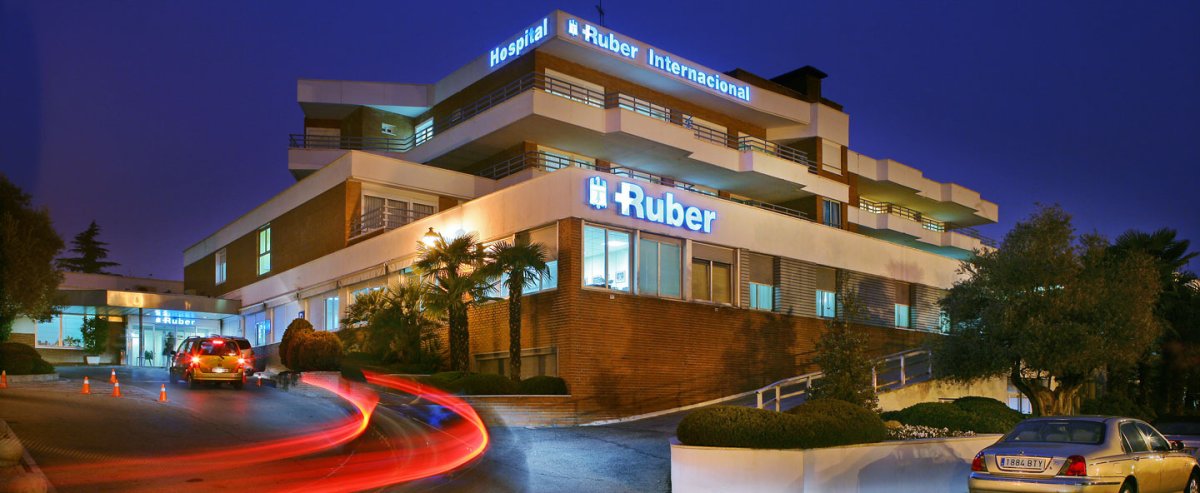


Descripción general de Ligadura de trompas por laparoscopia en España
- Depósito de Bookimed: 200 $ o 200 €.
- Depósito de la clínica: Pague un porcentaje fijo por adelantado.
Obtenga una evaluación médica de Ligadura de trompas por laparoscopia en España: haga una consulta con 7 médicos experimentados ahora
Ver todos los médicos
Guillermo Luis Bassols
El médico comenzó su carrera médica como interno en cirugía y traumatología en la Clínica Sant Jordi en 1983, seguido de un puesto como médico en la Mutua Catalana de Accidentes en Barcelona. Continuó ganando experiencia como interno médico en el Hospital General de Catalunya y como médico residente en cirugía general en el Hospital de Sant Jaume i Santa Magdalena. Especializándose en obstetricia y ginecología, se desempeñó como consultor en la Clínica Sant Josep y el Hospital General en Manr

Antonio Fernandez Oliva
La Dra. Fernández Oliva se especializa en ligadura de trompas por laparoscopia en Centro Médico Teknon, combinando la práctica clínica con la formación continua y el trabajo científico.
- Graduada con honores por la Universitat Autònoma de Barcelona
- Residencia en Obstetricia y Ginecología en el Hospital de la Vall d'Hebrón
- Docente en la CTO Medical Academy
- Participante en el congreso de la European Society for Gynaecological Endoscopy
- Formada en cirugía robótica y laparoscópica en el Hospital Vall d'Hebrón
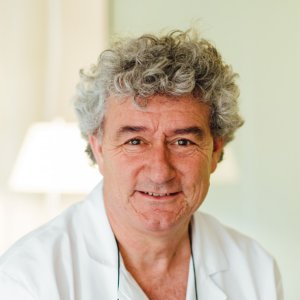
Jordi Antoni Vives
El Dr. Jordi Antoni Vives es especialista en Ginecología y Obstetricia en Teknogin (Centro Médico Teknon, Barcelona). Centra su actividad en la cirugía oncológica ginecológica, la patología uterina y pélvica compleja y la coordinación de comités de tumores. Dirige el área de Obstetricia del Hospital CIMA desde 2015. Es médico consultor en el Parc Taulí desde 1990.
Formación/acreditaciones: Licenciado en Medicina y Cirugía por la Universidad de Barcelona (1983). Residencia MIR en Gineco

Xavier Centeno Fornies
El Dr. Centeno se formó en cirugía colorrectal en la Clínica Mayo y dirige el departamento de cirugía en el Centro Médico Teknon.
- Especializado en Cirugía General y Gastrointestinal desde 1993
- Completó formación avanzada en Cirugía Colorrectal Laparoscópica
- Miembro de la Sociedad Americana de Cirujanos de Colon y Recto
- Acreditado por la ERAS-Society para la recuperación mejorada después de la cirugía
Historias en video de pacientes de Bookimed
Reseñas
Todas las reseñasCompartir contenido
 Olena Sikoza
Preguntas frecuentes sobre Ligadura de trompas por laparoscopia en España
¿Qué es la ligadura de trompas laparoscópica?
La ligadura de trompas laparoscópica es un procedimiento quirúrgico de esterilización mínimamente invasivo que previene el embarazo de forma permanente mediante el bloqueo, corte o extirpación de las trompas de Falopio. Realizado bajo anestesia general, los cirujanos utilizan una cámara delgada con luz para guiar instrumentos especializados a través de 2 o 3 pequeñas incisiones abdominales.
- Técnicas de esterilización: Los cirujanos utilizan cauterización, clips, anillos o salpingectomía bilateral para el bloqueo permanente.
- Recuperación típica: La mayoría de los pacientes regresan a actividades ligeras en un plazo de 4 a 7 días.
- Impacto físico: El procedimiento no afecta las hormonas ni interrumpe los ciclos menstruales naturales.
- Acceso al procedimiento: Las clínicas privadas en España ofrecen un acceso más rápido que el sistema de salud público.
Perspectiva del experto de Bookimed: Aunque la ligadura tradicional utiliza clips, los centros acreditados por la JCI, como el Hospital Ruber Internacional, realizan cada vez más la salpingectomía bilateral. Los datos sugieren que esta extirpación completa suele preferirse por su mayor eficacia. Elegir a un especialista capacitado en robótica, como los del Centro Médico Teknon, garantiza la máxima precisión durante estas delicadas maniobras laparoscópicas.
Consenso de los pacien
¿Afecta la ligadura de trompas al ciclo menstrual o a los niveles hormonales?
La ligadura de trompas no afecta a los niveles hormonales ni al ciclo menstrual, ya que solo bloquea las trompas de Falopio sin alterar los ovarios. La producción de estrógeno y progesterona permanece estable, y el revestimiento uterino continúa su proceso normal de descamación mensual durante los periodos regulares.
- Producción hormonal: Los ovarios permanecen intactos, asegurando que los niveles naturales de estrógeno y progesterona se mantengan sin cambios.
- Consistencia del ciclo: Los periodos menstruales regulares continúan ya que la vía de señalización hormonal permanece totalmente funcional.
- Enfoque quirúrgico: Clínicas españolas como el Hospital Ruber Internacional utilizan técnicas laparoscópicas acreditadas por la JCI.
- Cambios percibidos: Las variaciones en el sangrado suelen ser resultado de dejar los anticonceptivos hormonales, no de la esterilización.
Perspectiva del experto de Bookimed: Los centros españoles ofrecen un alto nivel de experiencia, con especialistas como el Dr. Jordi Antoni Vives del Centro Médico Teknon, formado en la Clínica Mayo. Aunque el coste de la cirugía oscila entre $2,200 y $3,200, los pacientes a menudo pasan por alto que se trata de una solución permanente; aquellos que buscan controlar la menstruación deberían considerar la ablación endometrial en su lugar.
¿Cuál es el tiempo de recuperación después de una ligadura de trompas laparoscópica?
La recuperación después de una ligadura de trompas laparoscópica suele ser rápida, y la mayoría de las pacientes retoman sus rutinas diarias en un plazo de 3 a 7 días. Este procedimiento ambulatorio mínimamente invasivo permite el alta pocas horas después de la cirugía. La recuperación física completa y el retorno al ejercicio intenso generalmente requieren de 2 a 6 semanas.
- Recuperación inicial: Las pacientes suelen irse a casa de 2 a 4 horas después de que desaparecen los efectos de la anestesia.
- Actividades diarias: La mayoría reanuda el trabajo ligero o rutinas no extenuantes dentro de la primera semana tras la cirugía.
- Límites de carga: Los cirujanos suelen restringir levantar más de 10 libras (aprox. 4,5 kg) durante al menos 1 a 3 semanas.
- Ejercicio físico: Se deben evitar los entrenamientos intensivos de core y el trabajo pesado durante 2 a 6 semanas.
Perspectiva del experto de Bookimed: Aunque muchas clínicas como el Hospital Ruber Internacional ofrecen tecnología avanzada como el Da Vinci Xi, la velocidad de recuperación depende en gran medida de la técnica del cirujano. Nuestros datos muestran que especialistas como el Dr. Antonio Fernández Oliva en el Centro Médico Teknon enfatizan la formación en robótica y laparoscopia para minimizar el trauma tisular. Elegir a un cirujano miembro de la Sociedad Europea de Endoscopia Gineco
¿Cuánto tiempo duran el procedimiento y la estancia en la clínica?
La ligadura de trompas laparoscópica en España suele ser un procedimiento ambulatorio con una estancia total en la clínica de 4 a 6 horas. La cirugía en sí es breve, dura de 15 a 45 minutos, mientras que el tiempo restante en el centro se dedica a la preparación preoperatoria y al control de la recuperación.
- Duración del procedimiento: La cirugía laparoscópica propiamente dicha suele durar 30 minutos.
- Estancia hospitalaria: La mayoría de las pacientes reciben el alta el mismo día, entre 4 y 6 horas después de su llegada.
- Recuperación de la anestesia: El control de las constantes vitales en la unidad de recuperación dura aproximadamente entre 30 y 60 minutos.
- Recuperación inicial: Las pacientes suelen volver a realizar actividades ligeras entre 2 y 3 días después de la cirugía.
Opinión de los expertos de Bookimed: Aunque la cirugía es rápida, los mejores centros de España, como el Hospital Ruber Internacional y el Centro Médico Teknon, se centran en la eficiencia administrativa. Los datos muestran que estas clínicas acreditadas por la JCI minimizan los tiempos de espera, pero rara vez acortan la observación de 60 minutos tras la anestesia para garantizar la seguridad de la paciente antes del alta.
Consenso de los pacientes: Espere que la cirugía sea muy rápida, pero asegúrese de tener un acompañante para el viaje
¿Dónde se encuentran los mejores centros médicos en España para este procedimiento?
Los mejores centros médicos para la ligadura de trompas por laparoscopia se concentran en Barcelona y Madrid. Estas ciudades albergan centros acreditados por la Joint Commission International, como el Centro Médico Teknon y el Hospital Ruber Internacional. Estos centros ofrecen cirujanos ginecológicos especializados en laparoscopia, certificados por la Sociedad Española de Ginecología y Obstetricia.
- Centros regionales: Barcelona y Madrid siguen siendo los principales destinos para la atención ginecológica avanzada.
- Centros acreditados: El Hospital Ruber Internacional mantiene los estándares de seguridad de la Joint Commission International y la ISO.
- Cirujanos expertos: Especialistas como el Dr. Antonio Fernández Oliva en Teknon practican técnicas laparoscópicas avanzadas.
- Centros académicos públicos: El Hospital Clínic de Barcelona y el Hospital Vall d’Hebron son opciones de gran reputación.
Opinión de los expertos de Bookimed: Aunque las clínicas privadas como el Centro Médico Teknon ofrecen tecnología laparoscópica de alta gama, los centros académicos públicos de España suelen servir como punto de referencia en cuanto a reputación quirúrgica. Los cirujanos de estos centros, incluidos los del Hospital La Paz, suelen tener múltiples membresías en juntas directivas y credenciales de formación internacional de instituciones como la Clínic