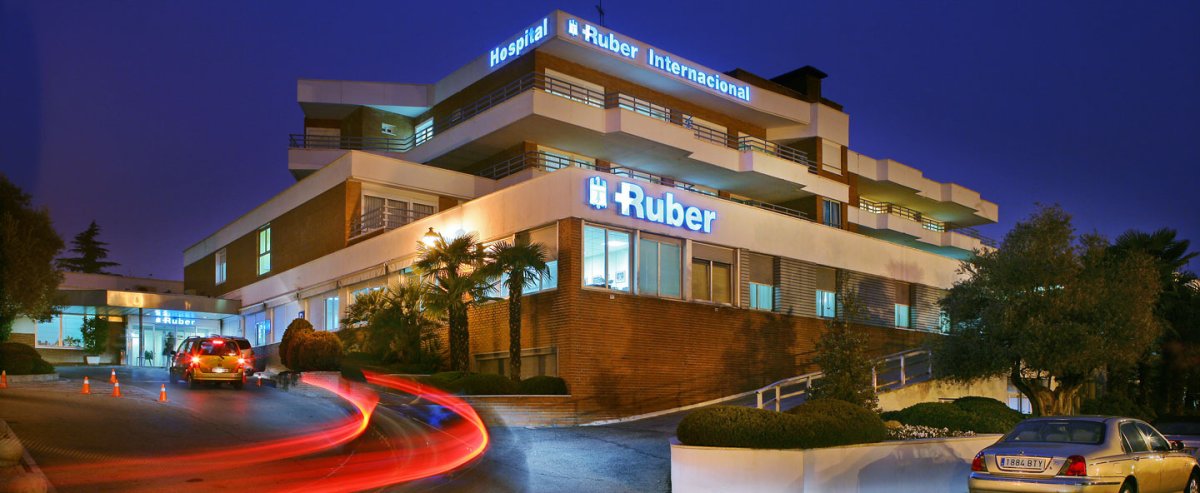
Centro Médico Teknon
España, Barcelona
Javier Herrero Jover
46 años de experiencia • 10000+ tratamientos realizados

Clínica certificada por : 





Revisado médicamente por
Fahad Mawlood
De $300. El precio final depende de la tecnología láser específica utilizada, la superficie tratada y la ubicación de la clínica. Los pacientes ahorran aproximadamente un 92% en comparación con los Estados Unidos, donde el precio promedio es de $3,700. La mayoría de los presupuestos de las clínicas españolas incluyen la consulta inicial, la anestesia tópica y las visitas de seguimiento. Los principales centros médicos para estos tratamientos incluyen Barcelona, Alicante y Málaga.
Perspectiva del experto de Bookimed: Elegir a un especialista con décadas de experiencia ofrece la mejor relación valor-seguridad. Por ejemplo, el Dr. Camps Fresneda del Centro Médico Teknon ejerce desde 1978. Fundó el Grupo Español de Láser y se especializa en cirugía de Mohs. Clínicas como Teknon cuentan con la acreditación JCI y atienden a clientes de alto perfil. Este nivel de experiencia garantiza resultados precisos independientemente del sistema láser específico elegido.
| España | Estados Unidos | México | |
|---|---|---|---|
| Rejuvenecimiento de la piel con láser | de $300 | ≈ $2,200 | de $320 |
| Tratamiento con láser VBeam | ≈ $170 | ≈ $450 | de $800 |
| Tratamiento con láser MOXI | ≈ $450 | ≈ $1,200 | de $1,500 |
| Tratamiento con láser HALO | ≈ $900 | ≈ $1,500 | de $2,200 |
| Tratamiento con láser Fraxel | ≈ $650 | ≈ $1,100 | de $800 |


Día 1 - Llegada
Día 2 - Preoperatorio
Día 3 - Rejuvenecimiento cutáneo con láser
Día 4 - Postoperatorio
Semana 1-2 - Rehabilitación
Semana 3-4
Semana 5
Tenga en cuenta que cada caso es individual y el cronograma puede variar en consecuencia.
El Dr. Javier Herrero Jover es un cirujano plástico certificado en el Centro Médico Teknon de Barcelona. Es pionero en planificación quirúrgica virtual y utiliza simulación 3D para obtener resultados precisos. El Dr. Herrero Jover fundó Alma IT Systems para desarrollar software de imagen médica específico para el paciente. Ha realizado más de 10.000 procedimientos quirúrgicos a lo largo de su carrera.

Presidente de la Sociedad Internacional de Cirugía Dermatológica – El Dr. Camps se especializa en tratamientos láser para el rejuvenecimiento cutáneo y lesiones pigmentadas en Centro Médico Teknon.

Pionero en terapia láser – El Dr. López Gil fundó el Departamento de Dermatología en el Centro Médico Teknon y se especializa en tratamientos láser avanzados.
 Olena Sikoza
Los láseres ablativos como el CO2 y el Erbio vaporizan la capa externa de la piel para forzar una renovación completa de la superficie y una producción intensa de colágeno. Los láseres no ablativos dejan la superficie intacta, calentando el tejido subyacente para estimular la curación desde el interior. Mientras que las opciones ablativas ofrecen resultados espectaculares en una sola sesión, los tratamientos no ablativos requieren un tiempo de inactividad mínimo.
Perspectiva de expertos de Bookimed: Aunque los láseres de CO2 son el estándar de oro para las arrugas profundas, clínicas como el Centro Médico Teknon a menudo sugieren el Erbio YAG para pacientes que necesitan una curación más rápida. Las longitudes de onda del Erbio son absorbidas por el agua 10 veces más eficientemente que las del CO2. Esto reduce el daño térmico al tejido circundante y acorta la rec
El rejuvenecimiento cutáneo con láser sirve como un tratamiento versátil para los signos de envejecimiento, el daño solar y las irregularidades estructurales. Aborda eficazmente las líneas finas, las cicatrices del acné y la pigmentación desigual al eliminar el tejido dañado y estimular el colágeno. Los expertos en España utilizan con frecuencia sistemas como los láseres de CO2 fraccionado y Er:YAG.
Perspectiva del experto de Bookimed: Aunque el rejuvenecimiento con láser es altamente efectivo para las cicatrices post-acné, no es una solución para el acné activo. En clínicas como el Centro Médico Teknon, los cirujanos a menudo combinan el rejuvenecimiento con láser con terapias especializadas para el acné primero. Esto asegura que la piel esté e
La recuperación típica después de un rejuvenecimiento con láser toma de 1 a 3 semanas para que la piel sane visiblemente. Los tratamientos no ablativos como MOXI requieren de 3 a 7 días de inactividad, mientras que los láseres de CO2 ablativos requieren hasta 21 días para que la superficie se reepitelice y revele piel nueva.
Perspectiva del experto de Bookimed: España es un centro mundial de dermatología, con centros como el Centro Médico Teknon que atienden a 10.000 pacientes al año. Si bien los láseres de CO2 ofrecen resultados espectaculares, nuestros datos muestran una tendencia a combinar tratamientos. Expertos como el Dr. Camps Fresneda a menudo utilizan peelings láser especializados para equilibrar un rejuvenecimiento intenso con tiempos de curación manejables.
Consenso del paciente: La primera semana a me
Los riesgos del rejuvenecimiento láser incluyen enrojecimiento temporal, hinchazón y picazón durante el proceso de curación de la piel. Las complicaciones graves como hiperpigmentación, infecciones o cicatrices son raras cuando son realizadas por especialistas certificados que utilizan tecnologías ablativas o no ablativas avanzadas en centros acreditados como el Centro Médico Teknon.
Perspectiva del experto de Bookimed: Las mejores clínicas de España suelen utilizar tecnologías de plataforma dual como HALO o CO2 para equilibrar los resultados y la seguridad. Los datos muestran que los centros líderes de Barcelona, como el Antiaging Group, cuentan con las credenciales de la American Society of Plastic Surgeons (ASPS). Esta supervisión internacional a menudo se traduce en protocolos de seguridad más estrictos de lo que exig
El rejuvenecimiento cutáneo con láser en España es generalmente bien tolerado porque los especialistas utilizan cremas anestésicas tópicas y anestésicos locales para bloquear las señales de dolor. Durante el procedimiento, puede sentir un calor leve o sensaciones de chasquido, mientras que las molestias posteriores al tratamiento incluyen enrojecimiento e hinchazón similares a una quemadura solar grave.
Perspectiva del experto de Bookimed: Los datos de centros de primer nivel como el Centro Médico Teknon muestran que el manejo del dolor está altamente especializado, con fundadores del Spanish Laser Group dirigiendo los departamentos. Si bien muchas clínicas ofrecen tratamientos de modalidad única, los centros españoles a menudo ofrecen una opción entre siete tipos diferentes de láser, incluidos CO2 y MOXI. Esta vari
Los fototipos de piel más oscuros (Fitzpatrick IV–VI) pueden someterse a un rejuvenecimiento láser de forma segura utilizando longitudes de onda especializadas como el Nd:YAG de 1064 nm o láseres fraccionados no ablativos. La seguridad depende de ajustes de energía conservadores y protocolos de enfriamiento para proteger el tejido rico en melanina de daños térmicos e hiperpigmentación.
Perspectiva del experto de Bookimed: Los mejores dermatólogos de España, como el Dr. Camps Fresneda del Centro Médico Teknon, desempeñan funciones de liderazgo dual en cirugía láser y cirugía de Mohs. Este trasfondo quirúrgico es vital. Nuestros datos muestran que los especialistas experimentados a menudo prefieren tratamientos escalonados en lugar de pasadas únicas agresivas para garantizar la seguridad del pigmento.
Consenso de los pacient