Disección de ganglios linfáticos en España — obtén 3 clínicas con costos


Revisado médicamente por
Fahad Mawlood
¿Cuál es el precio de Disección de ganglios linfáticos en España? Descubra ahora
El costo de la disección de ganglios linfáticos en España suele oscilar desde $6,500 hasta $10,500. Los precios varían según el hospital, la experiencia del cirujano, la cantidad de ganglios extraídos y si el procedimiento es abierto o mínimamente invasivo. UU.
Los hospitales españoles suelen incluir en el precio las pruebas preoperatorias, la anestesia, el procedimiento quirúrgico, la estancia hospitalaria, el análisis patológico y las visitas de seguimiento. En EE. UU., la anestesia, la patología y las tarifas hospitalarias suelen facturarse por separado. Siempre confirmar qué está incluido con la clínica elegida.
| España | Turquía | México | |
|---|---|---|---|
| Disección de ganglios linfáticos | ≈ $6,500 | de $5,700 | ≈ $8,500 |
Sus beneficios y garantías con Bookimed
Precios directos
Bookimed no añade cargos adicionales a los precios de Disección de ganglios linfáticos. Las tarifas proceden de las listas de precios oficiales de las clínicas. Pagará directamente en la clínica por su Disección de ganglios linfáticos a su llegada al país.
Sólo clínicas y médicos verificados
Bookimed está comprometido con su seguridad. Solo trabajamos con las clínicas que mantienen altos estándares internacionales en Disección de ganglios linfáticos y tienen las licencias necesarias para atender a pacientes internacionales en todo el mundo.
Asistencia 24/7 gratuita
Bookimed ofrece asistencia experta gratuita. Un coordinador médico personal le apoya antes, durante y después del tratamiento, resolviendo cualquier problema. Nunca estará solo en su viaje médico de Disección de ganglios linfáticos.

Su coordinador médico personal de Bookimed
- Le apoya en cada etapa
- Ayuda a elegir la clínica y el médico adecuados
- Asegura un acceso rápido y conveniente a la información
Descubra las mejores clínicas de Disección de ganglios linfáticos en España: 1 opciones verificadas y Precios


Descripción general de Disección de ganglios linfáticos en España
- Linfadenectomía - de $11,300Esta cirugía apunta y extirpa los ganglios linfáticos para detener la propagación del cáncer, lo que brinda un mejor pronóstico para el paciente.
- Disección de ganglios linfáticos - de $6,500El procedimiento consiste en extirpar los ganglios linfáticos para prevenir, detectar o tratar el cáncer, lo que garantiza la contención de la enfermedad.
Día 1: Llegada
- Llegue al hospital y complete el registro.
- Consulte con su cirujano y anestesiólogo.
Día 2: Preoperatorio
- Sométete a un examen físico completo.
- Se realizarán análisis de sangre previos a la operación.
- Se puede realizar una prueba de EKG si es necesario.
- Es posible que necesite una radiografía de tórax dependiendo de su condición.
Día 3: Día de la operación
- La disección de los ganglios linfáticos se realizará bajo anestesia general.
- El procedimiento puede durar entre 2 a 3 horas.
- Su cirujano extirpará los ganglios linfáticos a través de pequeñas incisiones.
- Se pueden colocar drenajes para eliminar los líquidos después de la cirugía.
Día 4 - Día 7: Postoperatorio
- Estancia en el hospital para recuperación y seguimiento.
- Se administrarán analgésicos según sea necesario.
- Los drenajes se retirarán cuando disminuya la salida de líquido.
- Se puede sugerir fisioterapia para recuperar el movimiento del brazo.
Semana 1 - Semana 3: Rehabilitación
- Regresar gradualmente a las actividades livianas.
- Continuar con los ejercicios de fisioterapia en casa.
- Asista a las citas de seguimiento con su cirujano.
Semana 4
- Regrese al trabajo, considerando su nivel de comodidad.
- Las actividades deportivas se pueden reanudar, según el consejo del médico.
- Los resultados finales ahora deberían ser visibles.
Recuerde que el caso de cada paciente es único y el tiempo de recuperación puede variar. Siempre consulte con su médico antes de reanudar sus actividades normales.
- Depósito de Bookimed: 200 $ o 200 €.
- Depósito de la clínica: Pague un porcentaje fijo por adelantado.
Historias en video de pacientes de Bookimed
Reseñas
Todas las reseñas


Compartir contenido
 Olena Sikoza
Preguntas frecuentes sobre Disección de ganglios linfáticos en España
¿Qué es una disección de ganglios linfáticos y qué implica?
La disección de ganglios linfáticos es un procedimiento quirúrgico para extirpar uno o más ganglios linfáticos con el fin de estadificar o tratar el cáncer. Realizado bajo anestesia general, los cirujanos extirpan ganglios de regiones como el cuello, la axila o la ingle para examinarlos en busca de células metastásicas. Este proceso ayuda a determinar la progresión del cáncer y guía los planes de tratamiento posteriores.
- Tipos de procedimientos: Los cirujanos realizan una linfadenectomía regional o radical, extirpando algunos o todos los ganglios regionales.
- Ubicaciones comunes: Los sitios estándar incluyen los ganglios axilares para el cáncer de mama y los ganglios inguinales para los cánceres relacionados con la ingle.
- Vía diagnóstica: Una biopsia del ganglio centinela a menudo precede a la disección completa para identificar el punto de drenaje primario.
- Objetivo quirúrgico: El objetivo principal es extirpar el tejido potencialmente canceroso y prevenir una mayor propagación de la enfermedad.
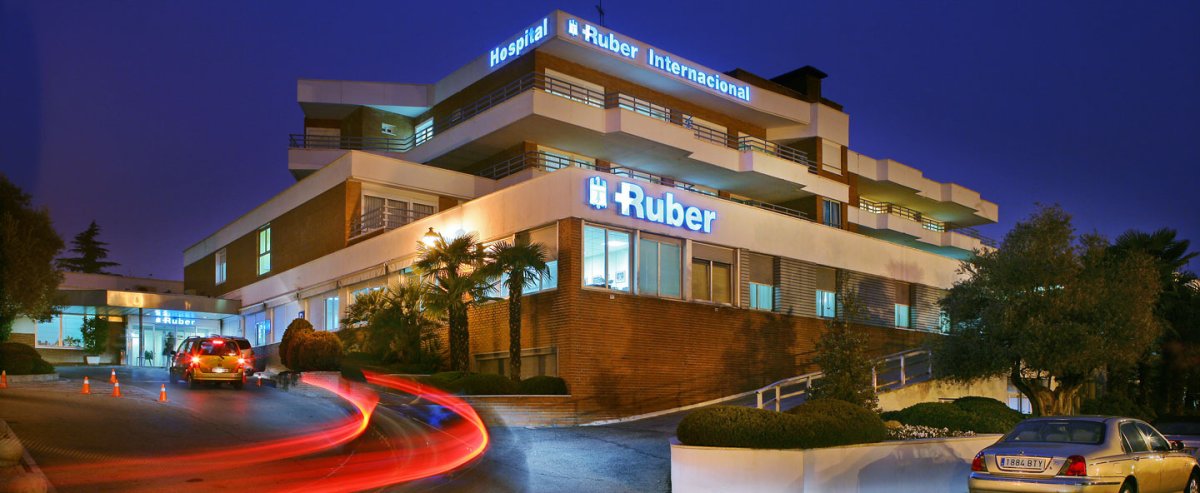
Opinión de expertos de Bookimed: Centros españoles líderes como el Hospital Ruber Internacional utilizan sistemas robóticos como Da Vinci Xi para las disecciones. Estos enfoques mínimamente invasivos a menudo permiten que el 90% de los pacientes retomen sus actividades normales en un plazo de 14 días. Esta velocidad es mucho mayor que la de la c
¿Qué tipos de cáncer requieren habitualmente una disección de ganglios linfáticos en España?
Los protocolos oncológicos españoles priorizan la disección de ganglios linfáticos en casos de cáncer de mama, melanoma y neoplasias gastrointestinales y genitourinarias. Los expertos en centros acreditados por la Joint Commission International (JCI) en Madrid utilizan la biopsia del ganglio centinela (BGC) para confirmar la propagación antes de proceder con una extirpación quirúrgica más invasiva o una disección axilar.
- Cáncer de mama: Los cirujanos realizan disecciones axilares si los ganglios centinela confirman la presencia de células malignas.
- Tratamiento del melanoma: La linfadenectomía completa representa la respuesta estándar ante resultados positivos en la biopsia.
- Tumores gastrointestinales: Los procedimientos incluyen la escisión mesorrectal para el cáncer colorrectal y el muestreo regional gástrico.
- Cánceres genitourinarios: Los médicos realizan disecciones pélvicas limitadas o extendidas para cáncer de próstata y vejiga.
Perspectiva del experto de Bookimed: Centros españoles como el Hospital Ruber Internacional combinan la experiencia quirúrgica con robótica avanzada como el Da Vinci Xi. Los datos muestran que estos hospitales de alta capacidad atienden a más de 25,000 pacientes al año. Este volumen permite a los cirujanos dominar protocolos menos invasivos como el Z0011. Estos protocolos a menudo sustituyen la disección co
¿Existen diferentes tipos de disección de ganglios linfáticos?
Los tipos de disección de ganglios linfáticos incluyen la biopsia del ganglio centinela, la extirpación selectiva regional y la disección radical completa. Los cirujanos eligen el enfoque según el estadio y la ubicación del cáncer. Los sitios comunes incluyen la axila para el cáncer de mama, el cuello para tumores de cabeza y la pelvis o la ingle para cánceres reproductivos.
- Biopsia centinela: Elimina solo 1–3 ganglios para verificar la propagación temprana del cáncer.
- Disección radical: Elimina la mayoría o todos los ganglios en una región, a menudo en casos de cáncer confirmados.
- Disección axilar: Se dirige a 30–39 ganglios en la axila, común en el cáncer de mama avanzado.
- Disección regional: Se centra en un grupo específico de ganglios directamente adyacentes al tumor.
Perspectiva del experto de Bookimed: Clínicas como el Hospital Ruber Internacional en Madrid integran sistemas robóticos Da Vinci Xi. Esta tecnología permite una precisión extrema durante las disecciones pélvicas o abdominales. La estandarización de la atención en instalaciones acreditadas por la JCI garantiza que los cirujanos sigan protocolos estrictos para la preservación de los nervios durante estos procedimientos complejos.
Consenso de los pacientes: Los pacientes enfatizan comenzar con la biopsia del ganglio centinela para reducir los ries
¿Qué es la disección de ganglios linfáticos axilares (ALND) y cuándo se utiliza?
La disección de ganglios linfáticos axilares (ALND) es una cirugía que consiste en extirpar de 10 a 40 ganglios linfáticos de la axila. Este procedimiento trata el cáncer de mama o el melanoma que ya se ha propagado. Determina el estadio del cáncer, previene la recurrencia local y ayuda a guiar los planes de tratamiento sistémico para casos agresivos.
- Alcance del procedimiento: Los cirujanos suelen extirpar las almohadillas grasas que contienen los ganglios linfáticos de nivel I y II.
- Disparadores quirúrgicos: Se realiza si las biopsias de ganglio centinela muestran cáncer en 3 o más ganglios.
- Indicadores clínicos: Se utiliza para tumores de más de 5 centímetros o afectación ganglionar visible en la ecografía.
- Enfermedad persistente: Requerida cuando el cáncer permanece en los ganglios después de tratamientos de quimioterapia o radiación.
Perspectiva del experto de Bookimed: Las instalaciones de primer nivel en España, como el Hospital Ruber Internacional, integran tecnologías avanzadas como la resonancia magnética de 3 Teslas para mapear la afectación ganglionar antes de la cirugía. Esta precisión ayuda a los cirujanos a determinar si una disección completa es realmente necesaria o si una biopsia centinela es suficiente. Los centros de alto volumen que realizan más de 6,000 cirugías al año a menudo brindan acceso a la reconstrucción li