Linfadenectomía en España: las 5 mejores clínicas y sus precios


Revisado médicamente por
Fahad Mawlood
Cómo funciona
¿Cuál es el precio de Linfadenectomía en España? Descubra ahora
El costo de la linfadenectomía en España suele oscilar entre $5,200 y $8,500. Los precios pueden variar según la clínica, la experiencia del cirujano y si el procedimiento es abierto o mínimamente invasivo. UU.
Las clínicas españolas suelen incluir la consulta inicial, análisis de sangre preoperatorios, medicación postoperatoria, consultas de seguimiento y atención al paciente las 24 horas. El personal que habla inglés y los planes de atención personalizados son habituales, junto con comidas durante las visitas a la clínica e instrucciones detalladas para el cuidado postoperatorio. En EE. UU., el precio suele cubrir solo la cirugía, con facturas separadas para laboratorios, consultas y cuidados posteriores. Siempre confirmar qué está incluido en la clínica elegida.
| España | Turquía | México | |
|---|---|---|---|
| Linfadenectomía | ≈ $5,200 | de $4,000 | ≈ $8,000 |
| Disección de ganglios linfáticos | ≈ $6,500 | de $5,700 | ≈ $8,500 |
Descubra las mejores clínicas de Linfadenectomía en España: 5 opciones verificadas y Precios







Hospital Sant Joan de Déu Barcelona








Descripción general de Linfadenectomía en España
- Linfadenectomía - de $5,200Esta cirugía apunta y extirpa los ganglios linfáticos para detener la propagación del cáncer, lo que brinda un mejor pronóstico para el paciente.
- Disección de ganglios linfáticos - de $6,500El procedimiento consiste en extirpar los ganglios linfáticos para prevenir, detectar o tratar el cáncer, lo que garantiza la contención de la enfermedad.
Día 1 - Llegada
- Llegada al hospital y check-in en recepción.
- Reúnase con su equipo quirúrgico para una consulta preoperatoria.
- Someterse a las pruebas médicas necesarias, como análisis de sangre y estudios de imagen.
Día 2 - Preoperatorio
- Reúnase con un anestesiólogo para analizar las opciones de anestesia.
- Ayuno desde la medianoche de la noche anterior a su cirugía.
- Llegue temprano al hospital para prepararse para la cirugía.
Día 3 - Linfadenectomía
- Someterse a una linfadenectomía bajo anestesia general.
- La cirugía dura de 2 a 4 horas dependiendo de la complejidad.
- Espere despertarse en la sala de recuperación después de la cirugía.
Día 4 - Postoperatorio
- Estancia en el hospital para control y manejo del dolor.
- Comience una fisioterapia suave para promover la curación y la movilidad.
- Espere ser dado de alta una vez que esté estable.
Semana 1 - Rehabilitación
- Continuar con la fisioterapia en casa.
- Asista a las citas de seguimiento con su equipo quirúrgico.
- Comience las actividades diarias ligeras según lo tolere.
Semana 2-6 - Rehabilitación
- Regrese gradualmente al trabajo y otras actividades normales.
- Continúe asistiendo a las citas de seguimiento y fisioterapia.
- Vea el resultado final de su cirugía al final de la semana 6.
Tenga en cuenta que el cronograma de recuperación y la experiencia de cada paciente pueden variar según factores individuales como la edad, el estado de salud general y la complejidad de la cirugía.
- Depósito de Bookimed: 200 $ o 200 €.
- Depósito de la clínica: Pague un porcentaje fijo por adelantado.
Obtenga una evaluación médica para Linfadenectomía en España: Elija su especialista entre los mejores en el campo
Ver todos los médicos
Lana Bijelic
La Dra. Lana Bijelic se especializa en cirugía de carcinomatosis peritoneal en Centro Médico Teknon, formada bajo la tutela del Prof. Paul Sugarbaker en el Washington Hospital Center.
- Certificada por el American Board of Surgery
- Miembro de la Society of Surgical Oncology y de la American Society of Peritoneal Surface Malignancies
- Exdirectora de investigación en el Inova Fairfax Hospital
- Múltiples premios por excelencia quirúrgica e investigación
Historias en video de pacientes de Bookimed
Reseñas
Todas las reseñas


Compartir contenido
 Olena Sikoza
Preguntas frecuentes sobre Linfadenectomía en España
¿Qué ciudades y clínicas españolas son las mejores para una linfadenectomía?
Madrid, Barcelona y Pamplona son las ciudades españolas más destacadas para la linfadenectomía, con instalaciones acreditadas por la Joint Commission International y comités multidisciplinarios de tumores. UU.
- Mejores clínicas de Barcelona: El Centro Médico Teknon y el Hospital Sant Joan de Déu (SJD) Barcelona Children’s Hospital ofrecen experiencia oncológica de alto volumen.
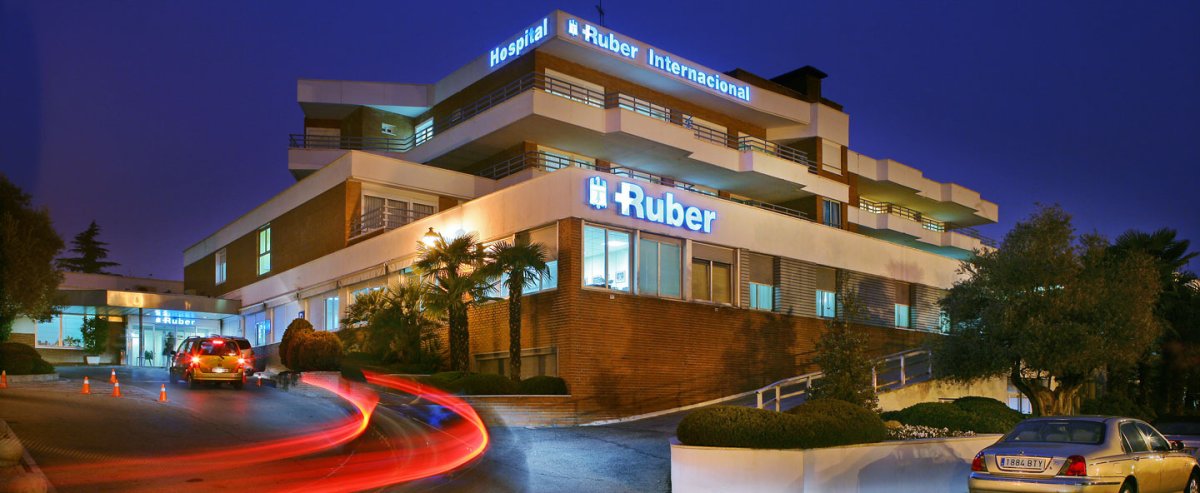
- Principales instalaciones de Madrid: El Hospital Ruber Internacional y HM Madrid utilizan la cirugía robótica Da Vinci Xi.
- Atención especializada en Pamplona: La Clinica Universidad de Navarra es un centro designado por la Sociedad Europea de Oncología Médica.
- Cirugía oncológica experta: La Dra. Lana Bijelic en Teknon ha realizado más de 1,300 cirugías oncológicas complejas.
Perspectiva del experto de Bookimed: Si bien muchas clínicas ofrecen la extirpación de ganglios, los centros más sofisticados de España ahora integran técnicas de reconstrucción linfática o bypass durante la cirugía inicial. Elegir un centro como Teknon, donde los cirujanos se especializan en estas medidas preventivas, reduce significativament
¿Qué es una linfadenectomía y por qué se realiza?
La linfadenectomía es la extirpación quirúrgica de uno o más ganglios linfáticos para estadificar o tratar el cáncer. Los cirujanos realizan este procedimiento para determinar si las células malignas se han propagado desde un tumor primario, detener la progresión del cáncer y guiar los planes de tratamiento posoperatorios como la quimioterapia.
- Estadificación y diagnóstico: Los patólogos examinan los ganglios extirpados para identificar metástasis cancerosas y determinar el estadio de la enfermedad.
- Intención curativa: La extirpación de ganglios cancerosos ayuda a prevenir una mayor propagación a órganos o sistemas distantes.
- Variaciones de técnica: Los procedimientos van desde la biopsia de ganglio centinela hasta la disección radical de toda una región.
- Sitios comunes: Los cirujanos suelen apuntar a las cuencas ganglionares axilares (axila), cervicales (cuello) o inguinales (ingle).
Perspectiva del experto de Bookimed: Los mejores centros oncológicos de España priorizan la biopsia de ganglio centinela sobre la disección radical para minimizar los efectos secundarios a largo plazo. En la Clinica Universidad de Navarra, los cirujanos utilizan imágenes moleculares avanzadas para identificar los ganglios específicos con mayor probabilidad de albergar cáncer. Este enfoque de precisión reduce significativamente el riesgo de linfedema mientr
¿Qué tipos de cirugías de extirpación de ganglios linfáticos están disponibles?
Los pacientes eligen entre la biopsia del ganglio centinela, la disección axilar y la extirpación pélvica según las necesidades de estadificación del cáncer. Los centros oncológicos españoles como el Centro Medico Teknon utilizan enfoques laparoscópicos o abiertos para diagnosticar la propagación, con costos que van desde $5,200 hasta $8,500.
- Biopsia centinela: Los cirujanos extirpan de 1 a 3 ganglios específicos para estadificación con una recuperación de 1 semana.
- Disección axilar: Extirpación de más de 10 ganglios de la axila, lo que requiere de 3 a 4 semanas de recuperación.
- Extirpación pélvica: Disección especializada de ganglios pélvicos que a menudo se realiza mediante técnicas laparoscópicas avanzadas.
- Linfadenectomía regional: Muestreo dirigido de ganglios cercanos al tumor para prevenir la propagación local.
Perspectiva del experto de Bookimed: Mientras que los protocolos de EE. UU. a menudo favorecen la quimioterapia primero para reducir los ganglios, los cirujanos españoles frecuentemente realizan la extirpación de ganglios desde el principio. Los datos de las mejores clínicas muestran que este enfoque quirúrgico inicial sigue siendo un estándar para la estadificación inmediata. Esto es especialmente cierto en centros acreditados por la JCI como la Clinica Universidad de Navarra.
Consen
¿Qué técnicas quirúrgicas se utilizan en España para la linfadenectomía?
Las clínicas españolas ofrecen una linfadenectomía avanzada utilizando técnicas robóticas, laparoscópicas y de cirugía abierta, priorizando la precisión oncológica. Centros especializados como el Hospital Universitario Donostia y el Centro Médico Teknon emplean la linfadenectomía D2 para tumores gástricos y la linfadenectomía inguinal videoendoscópica (VEIL) para minimizar el trauma tisular y las complicaciones cutáneas.
- Cirugía mínimamente invasiva: Los sistemas robóticos y laparoscópicos reducen el tiempo de recuperación mediante pequeñas incisiones.
- Linfadenectomía D2: La mayoría de los centros oncológicos españoles recomiendan este estándar preciso para resecciones gástricas radicales.
- Técnica VEIL: La disección inguinal endoscópica evita la necrosis del colgajo cutáneo tradicional mediante el uso de guía ecográfica intraoperatoria.
- Abordaje extraperitoneal: Los hospitales universitarios realizan la disección paraórtica aislando los principales vasos, como la aorta.
Perspectiva del experto de Bookimed: La linfadenectomía en España rara vez es un costo independiente. En clínicas como el Centro Médico Teknon, expertos como la Dra. Lana Bijelic integran estas disecciones en cirugías oncológicas complejas, como HIPEC o resecciones hepáticas. Para los pacientes, esto significa que el rango de 9,000 a 16,000 $ suele cubrir la extirpación
¿Cuánto tiempo dura la estancia hospitalaria típica tras una linfadenectomía?
Las estancias hospitalarias típicas tras una linfadenectomía en España varían desde el alta el mismo día para biopsias mínimamente invasivas hasta 1-3 noches para disecciones más extensas. El momento del alta depende del abordaje quirúrgico, la ubicación del ganglio y si el procedimiento se combina con una cirugía oncológica mayor.
- Estancia mínimamente invasiva: Los procedimientos laparoscópicos o robóticos suelen permitir el alta el mismo día o después de 1 noche.
- Disección mayor: Las disecciones pélvicas o retroperitoneales completas suelen requerir 2-3 noches para su seguimiento.
- Impacto de la ubicación quirúrgica: Los procedimientos de ganglio centinela o de cuello suelen implicar estancias más cortas que las cirugías abdominales.
- Cirugía combinada: Las estancias se prolongan cuando se extirpan ganglios durante una mastectomía o resección de órganos.
Opinión experta de Bookimed: España ocupa el sexto lugar a nivel mundial en solicitudes médicas, debido en parte a centros especializados como el Centro Médico Teknon. Nuestros datos muestran que cirujanos líderes como la Dra. Lana Bijelic han realizado más de 1,300 cirugías oncológicas complejas. Aunque la estancia hospitalaria suele ser breve, estos especialistas experimentados priorizan la movilidad y el manejo de drenajes como indicadores principales para un alta segura.
¿Qué efectos secundarios o complicaciones debo esperar después de la extirpación de los ganglios linfáticos?
Los efectos secundarios de la extirpación de ganglios linfáticos incluyen dolor localizado, entumecimiento y movimiento restringido cerca del sitio quirúrgico. Los riesgos a largo plazo incluyen linfedema, que causa hinchazón crónica, y la formación de seromas por acumulación de líquido. Las tasas de complicaciones dependen de la extensión de la disección y del uso de cirujanos oncólogos certificados.
- Efectos nerviosos directos: El entumecimiento u hormigueo debajo del brazo a menudo persiste durante meses o años.
- Riesgos de linfedema: Las disecciones completas conllevan un riesgo del 20-40% en comparación con el 5% de las biopsias de ganglio centinela.
- Sensación de cordón: La tirantez temporal, conocida como efecto de cuerda de banjo, requiere fisioterapia.
- Complicaciones de curación: Pueden ocurrir seromas o infecciones si los pacientes omiten la compresión o levantan objetos pesados.
Opinión experta de Bookimed: Los principales centros de oncología de España, como el Centro Médico Teknon y el Hospital Ruber Internacional, utilizan tecnologías avanzadas como el sistema Da Vinci Xi para minimizar el trauma tisular. Los datos muestran que cirujanos altamente experimentados como la Dra. Lana Bijelic, quien ha realizado más de 1,300 procedimientos oncológicos quirúrgicos complejos, pueden reducir significativamente el riesgo de daño nervio
¿La linfadenectomía es dolorosa durante la recuperación?
La recuperación de una linfadenectomía en España implica dolor leve a moderado, que generalmente se controla con analgésicos estándar. Los pacientes suelen informar de sensaciones agudas relacionadas con los nervios o entumecimiento cerca de la incisión. La mayoría de las molestias mejoran significativamente en un plazo de 3 meses, aunque los tiempos de recuperación varían según el sitio quirúrgico y la técnica.
- Cronograma de recuperación: Las disecciones de cuello requieren de 1 a 2 días, mientras que los procedimientos en la ingle necesitan 1 mes.
- Cambios en la sensibilidad: La irritación nerviosa causa dolores punzantes comunes, hormigueo o hipersensibilidad al tacto.
- Impacto en la movilidad: La inactividad puede empeorar el dolor; el movimiento suave ayuda a prevenir la rigidez y la hinchazón.
- Técnicas especializadas: La biopsia de ganglio centinela (BGC) generalmente causa menos dolor que las disecciones completas.
Opinión experta de Bookimed: Si bien muchos se centran en la cirugía, la elección del centro en España influye directamente en los recursos de recuperación. Los centros principales como el Hospital Ruber Internacional y el Centro Médico Teknon ofrecen resonancia magnética de 3 Teslas y tecnología Da Vinci Xi para un mapeo nervioso preciso. Estos diagnósticos avanzados ayudan a los cirujanos a evitar daños nerviosos innec
¿Cuándo puedo retomar mis actividades diarias normales?
La mayoría de los pacientes retoman actividades diarias ligeras, como caminar y tareas básicas, entre 3 y 7 días después de una linfadenectomía en España. La recuperación completa para trabajos físicos o levantar objetos pesados suele requerir de 2 a 4 semanas, dependiendo del sitio quirúrgico y la complejidad.
- Movilidad inicial: Comience a caminar suavemente en un plazo de 2 días para estimular la circulación y prevenir coágulos sanguíneos postoperatorios.
- Regreso al trabajo: Retome el trabajo de oficina o remoto entre 1 y 2 semanas después del procedimiento.
- Restricciones de carga: Evite cargar objetos de más de 4,5 kg (10 lbs) durante al menos 2 a 4 semanas.
- Actividad completa: Aplaze los entrenamientos intensivos en el gimnasio o deportes de alto impacto durante 4 a 6 semanas para permitir la curación.
Opinión experta de Bookimed: Los centros líderes de España, como el Hospital de Navarra, enfatizan la preservación de las extremidades y la recuperación funcional, logrando una tasa de éxito del 95% en la salvación de las extremidades afectadas. Cirujanos como la Dra. Lana Bijelic, certificada por el American Board en el Centro Médico Teknon, utilizan técnicas avanzadas para minimizar el trauma tisular en más de 1,300 procedimientos realizados. Elegir instalaciones acreditadas por la JCI en Madrid o Barcelona garantiza protocolos de a