Rinoplastia para hombres en España — obtén 3 clínicas con costos


Revisado médicamente por
Fahad Mawlood
¿Cuál es el precio de Rinoplastia para hombres en España? Descubra ahora
El costo de la rinoplastia masculina en España suele oscilar entre _price_from_ y _price_to_. Los precios varían según la clínica, la experiencia del cirujano, la complejidad del caso y si se trata de una rinoplastia abierta o cerrada. UU.
Las clínicas españolas suelen incluir en el precio los honorarios del cirujano, la anestesia, los gastos hospitalarios, las pruebas preoperatorias, la medicación postoperatoria y las visitas de seguimiento. En EE. UU., el precio anunciado suele cubrir solo los honorarios del cirujano, cobrando aparte la anestesia, las tarifas de las instalaciones y los cuidados posteriores. Siempre confirmar exactamente qué está incluido con la clínica elegida.
Sus beneficios y garantías con Bookimed
Precios directos
Bookimed no añade cargos adicionales a los precios de Rinoplastia para hombres. Las tarifas proceden de las listas de precios oficiales de las clínicas. Pagará directamente en la clínica por su Rinoplastia para hombres a su llegada al país.
Sólo clínicas y médicos verificados
Bookimed está comprometido con su seguridad. Solo trabajamos con las clínicas que mantienen altos estándares internacionales en Rinoplastia para hombres y tienen las licencias necesarias para atender a pacientes internacionales en todo el mundo.
Asistencia 24/7 gratuita
Bookimed ofrece asistencia experta gratuita. Un coordinador médico personal le apoya antes, durante y después del tratamiento, resolviendo cualquier problema. Nunca estará solo en su viaje médico de Rinoplastia para hombres.

Su coordinador médico personal de Bookimed
- Le apoya en cada etapa
- Ayuda a elegir la clínica y el médico adecuados
- Asegura un acceso rápido y conveniente a la información
Descubra las mejores clínicas de Rinoplastia para hombres en España: 2 opciones verificadas y Precios
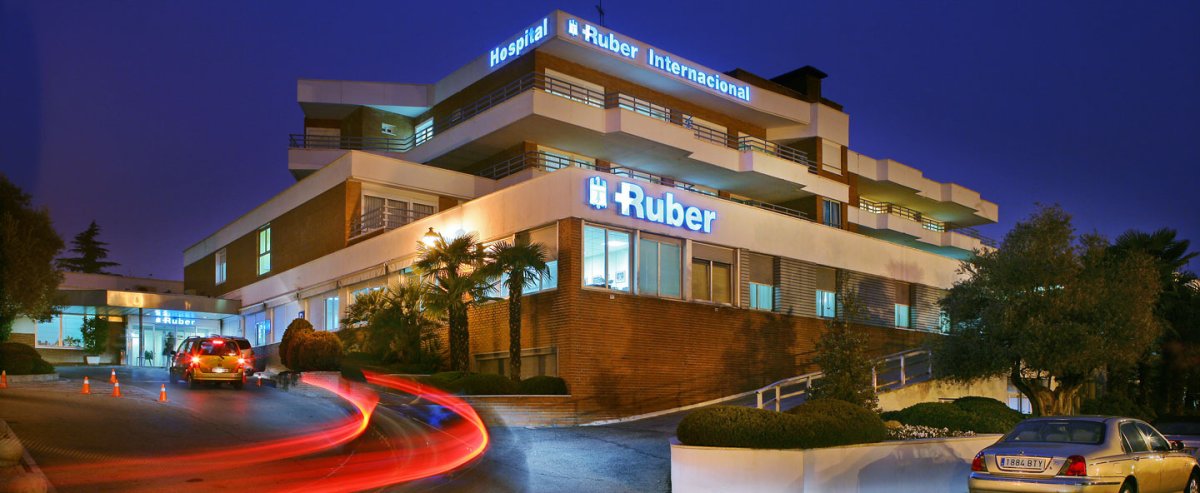


Clínica ANDSURGEONS
Descripción general de Rinoplastia para hombres en España
- Rinoplastia - de $3,500El procedimiento altera la forma o el tamaño de la nariz, mejorando la armonía facial y mejorando los problemas respiratorios.
- Rinoplastia de la punta nasal - de $9,000El procedimiento refina la punta de la nariz, mejorando el equilibrio y la armonía nasal a través de la remodelación, ofreciendo una apariencia estéticamente más agradable.
- Rinoplastia cerrada - de $11,200La operación remodela la nariz internamente, asegurando un mejor perfil con cicatrices mínimas y una recuperación más rápida.
- Rinoplastia abierta - de $15,100La operación remodela la nariz a través de incisiones en el exterior, ofreciendo mayor control quirúrgico y visibilidad.
- Rinoplastia de revisión - de $11,200El procedimiento repara cirugías de nariz anteriores, mejorando la función y la apariencia a través de técnicas reconstructivas precisas.
- Eliminación de joroba nasal - de $4,300El procedimiento suaviza la forma de la nariz eliminando el exceso de hueso y cartílago, mejorando la armonía facial.
- Prótesis nasal - de $2,600La operación ofrece una estructura nasal artificial, mejora la apariencia, restaura la función y mejora la confianza en sí mismo. Es no invasivo y personalizable.
- Rinoplastia asiática - de $5,300**Rinoplastia asiática**: Esta cirugía remodela la nariz para conseguir un aspecto natural y armonioso, a menudo utilizando implantes o injertos de cartílago, centrándose en las preferencias culturales y estéticas.
- Depósito de Bookimed: 200 $ o 200 €.
- Depósito de la clínica: Pague un porcentaje fijo por adelantado.
Obtenga una evaluación médica para Rinoplastia para hombres en España: Elija su especialista entre los mejores en el campo
Ver todos los médicos
Javier Herrero Jover
Con más de _doctor_1728_años_ de experiencia en rinoplastia, el Dr. Javier Herrero Jover es pionero en la planificación quirúrgica 3D para resultados precisos.
- Fundador de Alma IT Systems, revolucionando la planificación quirúrgica virtual
- Líder de la unidad Herrero Jover Médicos en el Centro Médico Teknon
- Especialista en rinoplastia primaria y de revisión, reconocido mundialmente
- Autor de más de 150 publicaciones en cirugía plástica y reconstructiva
- Ex presidente de CARS, líder en tecnología quirúrgica
Historias en video de pacientes de Bookimed
Reseñas
Todas las reseñasCompartir contenido
 Olena Sikoza
Preguntas frecuentes sobre Rinoplastia para hombres en España
¿Qué cualificaciones debo buscar en un cirujano plástico en España?
Verifique que su cirujano posea el título oficial de Especialista en Cirugía Plástica, Reparadora y Estética. Esto requiere un grado en medicina de 6 años seguido de una residencia MIR competitiva de 5 años. Asegúrese de que tenga una membresía activa en la Sociedad Española de Cirugía Plástica (SECPRE).
- Título de especialista: Debe haber completado la residencia MIR de 5 años en cirugía plástica y reparadora.
- Registro médico: Es obligatorio estar registrado en el Colegio de Médicos provincial local.
- Certificaciones avanzadas: El European Board of Plastic, Reconstructive and Aesthetic Surgery (EBOPRAS) indica una validación internacional.
- Acreditación hospitalaria: Los cirujanos deben operar en centros acreditados por la Joint Commission International (JCI) o ISO.
Opinión de expertos de Bookimed: Busque cirujanos que combinen la cirugía plástica con la innovación tecnológica. El Dr. Javier Herrero Jover, del Centro Médico Teknon, fue pionero en la navegación quirúrgica 3D. Elegir a un especialista que utilice planificación asistida por ordenador y técnicas ultrasónicas suele conducir a resultados más precisos en casos complejos de rinoplastia masculina.
Consenso de los pacientes: Céntrese en especialistas con formación en Otorrinolaringología (ORL) para garantizar que se aborden tanto la respiración como la estét
¿En qué se diferencia la rinoplastia masculina de la femenina?
La rinoplastia masculina enfatiza un puente nasal recto y una punta robusta para mantener la armonía facial masculina. A diferencia de los procedimientos femeninos que a menudo buscan un perfil pequeño y respingado, la cirugía masculina preserva un ángulo nasolabial de 90 a 95 grados y requiere un soporte estructural más fuerte debido a la mayor densidad ósea y la piel más gruesa.
- Perfil estético: Los cirujanos mantienen un dorso recto en lugar de una pendiente cóncava para evitar la feminización.
- Rotación de la punta: Las puntas permanecen bien proyectadas y no rotadas para evitar un aspecto demasiado refinado o respingado.
- Grosor de la piel: La piel más densa en los hombres provoca una hinchazón más prolongada y oculta los detalles estructurales finos.
- Soporte estructural: El cartílago más grueso requiere técnicas de injerto robustas y una fuerza quirúrgica más controlada durante la remodelación.
Perspectiva de expertos de Bookimed: Los cirujanos españoles como el Dr. Javier Herrero Jover utilizan la navegación quirúrgica 3D para gestionar la mayor densidad ósea que se encuentra en los pacientes varones. Esta tecnología es vital para los hombres que a menudo combinan cambios estéticos con reparaciones funcionales para problemas respiratorios relacionados con el deporte. Si bien clínicas como ANDSURGEONS priorizan la experiencia certif
¿Qué es la rinoplastia ultrasónica y es popular entre los hombres en España?
La rinoplastia ultrasónica es una técnica que preserva los tejidos y utiliza ondas sonoras piezoeléctricas para remodelar los huesos nasales sin dañar los tejidos blandos ni los vasos sanguíneos. En España, es muy popular entre los hombres que buscan una corrección precisa de la giba dorsal con muchos menos hematomas y un regreso al trabajo más rápido.
- Precisión de la técnica: La energía piezoeléctrica esculpe el hueso de forma selectiva, respetando el cartílago y la mucosa circundantes.
- Ventaja en la recuperación: Los pacientes reportan menos hinchazón postoperatoria en comparación con los métodos tradicionales de raspado mecánico.
- Estética masculina: Los especialistas españoles se centran en perfiles rectos, evitando resultados excesivamente cóncavos o feminizados.
- Centros regionales: Los principales centros de Madrid, Barcelona y Marbella lideran la adopción europea de herramientas piezoeléctricas.
Opinión de los expertos de Bookimed: España destaca porque cirujanos de primer nivel como el Dr. Jorge Planas en Clínica Planas y el Dr. Javier Herrero Jover en Centro Médico Teknon integran herramientas ultrasónicas con planificación asistida por ordenador en 3D. Esta combinación es vital para los hombres, ya que permite la simulación virtual del perfil masculino final antes de realizar la primera incisión.
Consenso de los
¿Cuál es el cronograma típico de recuperación después de la cirugía?
La recuperación social inicial para la rinoplastia masculina en España suele tomar de 7 a 14 días, aunque el refinamiento nasal final continúa durante 1 a 2 años. La mayoría de los pacientes regresan al trabajo ligero después de que se retira la férula alrededor del día 6 al 10, una vez que los hematomas y la hinchazón primarios disminuyen.
- Estancia hospitalaria: Los pacientes suelen pasar 1 noche en la clínica para la observación inicial y la recuperación.
- Retirada de la férula: El yeso o la férula externa se retira normalmente entre el día 6 y el día 10.
- Límites de actividad: El ejercicio extenuante o levantar objetos pesados está restringido durante al menos 4 a 6 semanas.
- Refinamiento final: La definición de la punta nasal continúa asentándose y mejorando durante 12 a 24 meses.
Perspectiva del experto de Bookimed: Aunque la recuperación inicial es rápida, cirujanos como Javier Herrero Juve en Centro Médico Teknon utilizan la planificación 3D para gestionar las expectativas ante una piel masculina más gruesa. Los datos muestran que estas vistas previas digitales ayudan a los pacientes a mantener la paciencia durante la fase de remodelación de 2 años, ya que la piel nasal masculina a menudo retiene la hinchazón de la punta por más tiempo que la piel femenina.
Consenso de los pacientes: Las primeras 2 semanas so
¿Cuánto tiempo debo permanecer en España si viajo internacionalmente para el procedimiento?
Los pacientes que viajan a España para una rinoplastia masculina generalmente necesitan permanecer entre 7 y 14 días. Este plazo permite a los cirujanos retirar la férula o el yeso nasal, generalmente alrededor del día 7, y garantiza que usted reciba el alta médica para viajar en avión una vez que la hinchazón inicial se estabilice.
- Estancia mínima: Planifique 10 días para cubrir la consulta, la cirugía y la retirada obligatoria de la férula.
- Autorización de vuelo: Los cirujanos suelen proporcionar una autorización de viaje por escrito después del primer chequeo en persona.
- Retirada de la férula: La mayoría de las clínicas programan esta visita de seguimiento clave 7 días después del procedimiento.
- Planificación avanzada: Médicos como Javier Herrero Jover utilizan planificación 3D para agilizar el proceso quirúrgico.
Perspectiva del experto de Bookimed: Las clínicas españolas a menudo se especializan en diagnósticos de alta tecnología, como la navegación quirúrgica 3D utilizada en el Centro Médico Teknon. Aunque la cirugía es precisa, nuestros datos muestran que quedarse 14 días en lugar de 7 reduce significativamente el estrés del viaje. Este margen adicional ayuda a controlar la fatiga postoperatoria y los cambios de presión en la cabina durante su vuelo de regreso.
Consenso de los pacientes: La mayoría de los