Rinoplastia para hombres en Tailandia: las 6 mejores clínicas y sus precios


Revisado médicamente por
Fahad Mawlood
¿Cuál es el precio de Rinoplastia para hombres en Tailandia? Descubra ahora
La rinoplastia masculina en Tailandia suele costar desde Precio a consultar hasta Precio a consultar. Los precios varían según la técnica quirúrgica, como los enfoques abiertos o cerrados, y la ubicación de la clínica en centros como Bangkok y Pattaya. En los EE. La mayoría de los costos incluyen los honorarios del cirujano, la anestesia, las pruebas preoperatorias y la atención de seguimiento.
- Variación de la técnica: La rinoplastia ultrasónica o Piezo suele añadir una prima del 20-30% sobre el limado óseo manual tradicional.
- Enfoque quirúrgico: La rinoplastia abierta suele costar más que las técnicas cerradas debido al mayor tiempo de quirófano y complejidad.
- Centros urbanos: Las clínicas en Bangkok y Pattaya ofrecen precios competitivos debido a una alta concentración de proveedores especializados.
- Acreditación de la clínica: Los centros con acreditación de la Joint Commission International (JCI) pueden tener tarifas de instalación más altas que las clínicas locales no acreditadas.
Perspectiva del experto de Bookimed: Elegir un centro multiespecialidad como el Bumrungrad International Hospital ofrece una seguridad de alto valor para reconstrucciones masculinas complejas. Este centro acreditado por la JCI atiende a más de 1,000,000 de pacientes al año y está clasificado entre los mejores del mundo por Newsweek. Si bien las clínicas boutique como Charismma Clinic ofrecen mejoras faciales más asequibles y enfocadas, los hospitales más grandes ofrecen una atención integrada que justifica su precio ligeramente más alto para los pacientes internacionales.
Sus beneficios y garantías con Bookimed
Precios directos
Bookimed no añade cargos adicionales a los precios de Rinoplastia para hombres. Las tarifas proceden de las listas de precios oficiales de las clínicas. Pagará directamente en la clínica por su Rinoplastia para hombres a su llegada al país.
Sólo clínicas y médicos verificados
Bookimed está comprometido con su seguridad. Solo trabajamos con las clínicas que mantienen altos estándares internacionales en Rinoplastia para hombres y tienen las licencias necesarias para atender a pacientes internacionales en todo el mundo.
Asistencia 24/7 gratuita
Bookimed ofrece asistencia experta gratuita. Un coordinador médico personal le apoya antes, durante y después del tratamiento, resolviendo cualquier problema. Nunca estará solo en su viaje médico de Rinoplastia para hombres.

Su coordinador médico personal de Bookimed
- Le apoya en cada etapa
- Ayuda a elegir la clínica y el médico adecuados
- Asegura un acceso rápido y conveniente a la información
Descubra las mejores clínicas de Rinoplastia para hombres en Tailandia: 6 opciones verificadas y Precios
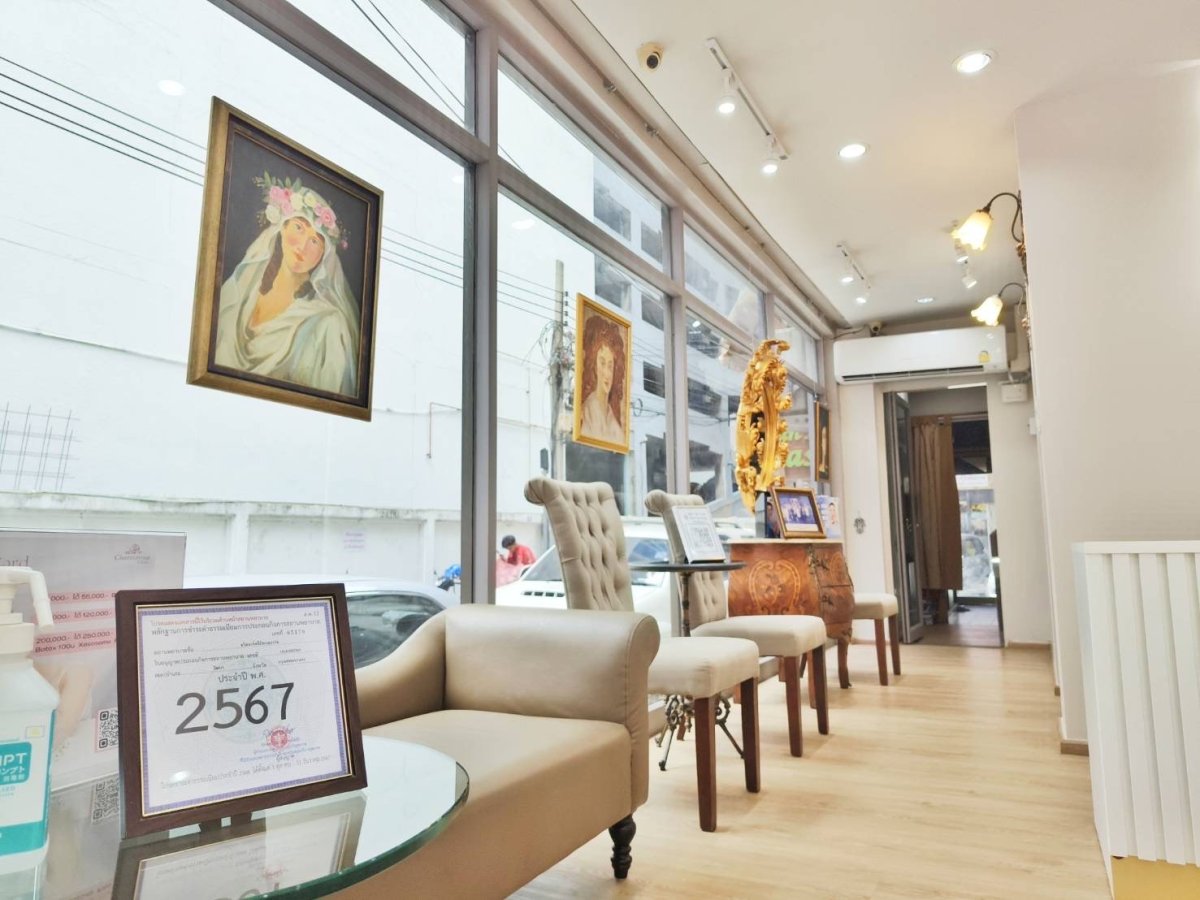






Preecha Aesthetic Institute





Clínica Tonliew
Descripción general de Rinoplastia para hombres en Tailandia
- Rinoplastia - de $1,600El procedimiento altera la forma o el tamaño de la nariz, mejorando la armonía facial y mejorando los problemas respiratorios.
- Rinoplastia de la punta nasal - de $1,500El procedimiento refina la punta de la nariz, mejorando el equilibrio y la armonía nasal a través de la remodelación, ofreciendo una apariencia estéticamente más agradable.
- Rinoplastia cerrada - de $1,800La operación remodela la nariz internamente, asegurando un mejor perfil con cicatrices mínimas y una recuperación más rápida.
- Rinoplastia abierta - de $3,000La operación remodela la nariz a través de incisiones en el exterior, ofreciendo mayor control quirúrgico y visibilidad.
- Rinoplastia de revisión - de $3,300El procedimiento repara cirugías de nariz anteriores, mejorando la función y la apariencia a través de técnicas reconstructivas precisas.
- Eliminación de joroba nasal - de $2,400El procedimiento suaviza la forma de la nariz eliminando el exceso de hueso y cartílago, mejorando la armonía facial.
- Prótesis nasal - de $3,200La operación ofrece una estructura nasal artificial, mejora la apariencia, restaura la función y mejora la confianza en sí mismo. Es no invasivo y personalizable.
- Rinoplastia asiática - de $1,700**Rinoplastia asiática**: Esta cirugía remodela la nariz para conseguir un aspecto natural y armonioso, a menudo utilizando implantes o injertos de cartílago, centrándose en las preferencias culturales y estéticas.
- Depósito de Bookimed: 200 $ o 200 €.
- Depósito de la clínica: Pague un porcentaje fijo por adelantado.
Obtenga una evaluación médica para Rinoplastia para hombres en Tailandia: Elija su especialista entre los mejores en el campo
Ver todos los médicos
Dr Phatcharasak Kraisornphongsakul Md


Kittitouch Bunjongleelahong
El médico es un cirujano plástico altamente cualificado con sede en Tailandia, con amplia experiencia tanto en procedimientos reconstructivos como estéticos. Su enfoque clínico incluye el tratamiento de heridas crónicas y agudas, así como el manejo de fracturas óseas faciales traumáticas.
Las ofertas quirúrgicas especializadas incluyen estiramientos faciales, blefaroplastia, rinoplastia abierta y cerrada, y cirugía mamaria integral, incluyendo aumento, reducción y mastopexia. Además, el
Historias en video de pacientes de Bookimed
Reseñas
Todas las reseñas


Compartir contenido
 Olena Sikoza
Preguntas frecuentes sobre Rinoplastia para hombres en Tailandia
¿Cómo elijo al cirujano o la clínica adecuados en Bangkok para una rinoplastia masculina?
Elegir un cirujano de rinoplastia masculina en Bangkok requiere verificar las credenciales del Thai Board of Plastic Surgery y dar prioridad a especialistas con experiencia en estructuras nasales masculinas. Los buenos resultados dependen de mantener un dorso recto y una punta firme, además de asegurar que el centro cuente con acreditación de la Joint Commission International.
- Certificación profesional: Verifique a los cirujanos a través del Medical Council of Thailand o de organismos internacionales como ISAPS.
- Portafolio masculino: Solicite fotografías de antes y después que muestren específicamente puentes nasales rectos, en lugar de perfiles cóncavos y femeninos.
- Estándares del centro: Elija centros acreditados por JCI, como Bumrungrad International Hospital, para tener acceso a respaldo completo de UCI.
- Técnica quirúrgica: Priorice la rinoplastia abierta con cartílago autólogo frente a simples implantes de silicona en L para lograr una mayor estabilidad.
Perspectiva del experto de Bookimed: Aunque las clínicas boutique suelen destacar a cirujanos formados en EE. UU., los grandes hospitales de Bangkok ofrecen una seguridad superior para los hombres. Centros como Sikarin Hospital o Bumrungrad atienden a más de 250.000 pacientes al año y proporcionan apoyo en varios idiomas. Esta infraestructura es esencial para los pacientes internac
¿Tienen los cirujanos tailandeses experiencia en la realización de rinoplastias masculinas en narices masculinas no asiáticas u occidentales?
Los cirujanos tailandeses de centros internacionales de primer nivel cuentan con amplia experiencia en narices masculinas occidentales y realizan con frecuencia rinoplastias de reducción y estructurales para pacientes de todo el mundo. Los principales especialistas suelen tener becas de formación occidentales y tratan a personas de diversas etnias en instalaciones acreditadas por la JCI, donde corrigen gibas dorsales prominentes y refinan estructuras nasales más grandes.
- Técnicas especializadas: Los cirujanos utilizan rinoplastia abierta o estructural para reducir gibas y estrechar el puente nasal.
- Experiencia clínica: Centros como Bumrungrad International Hospital atienden a pacientes de más de 190 países diferentes.
- Credenciales de los cirujanos: Los mejores médicos mantienen certificaciones de la Junta Tailandesa de Cirugía Plástica.
- Enfoque personalizado: Los procedimientos se centran en reforzar el soporte del cartílago y adelgazar la piel para anatomías no asiáticas.
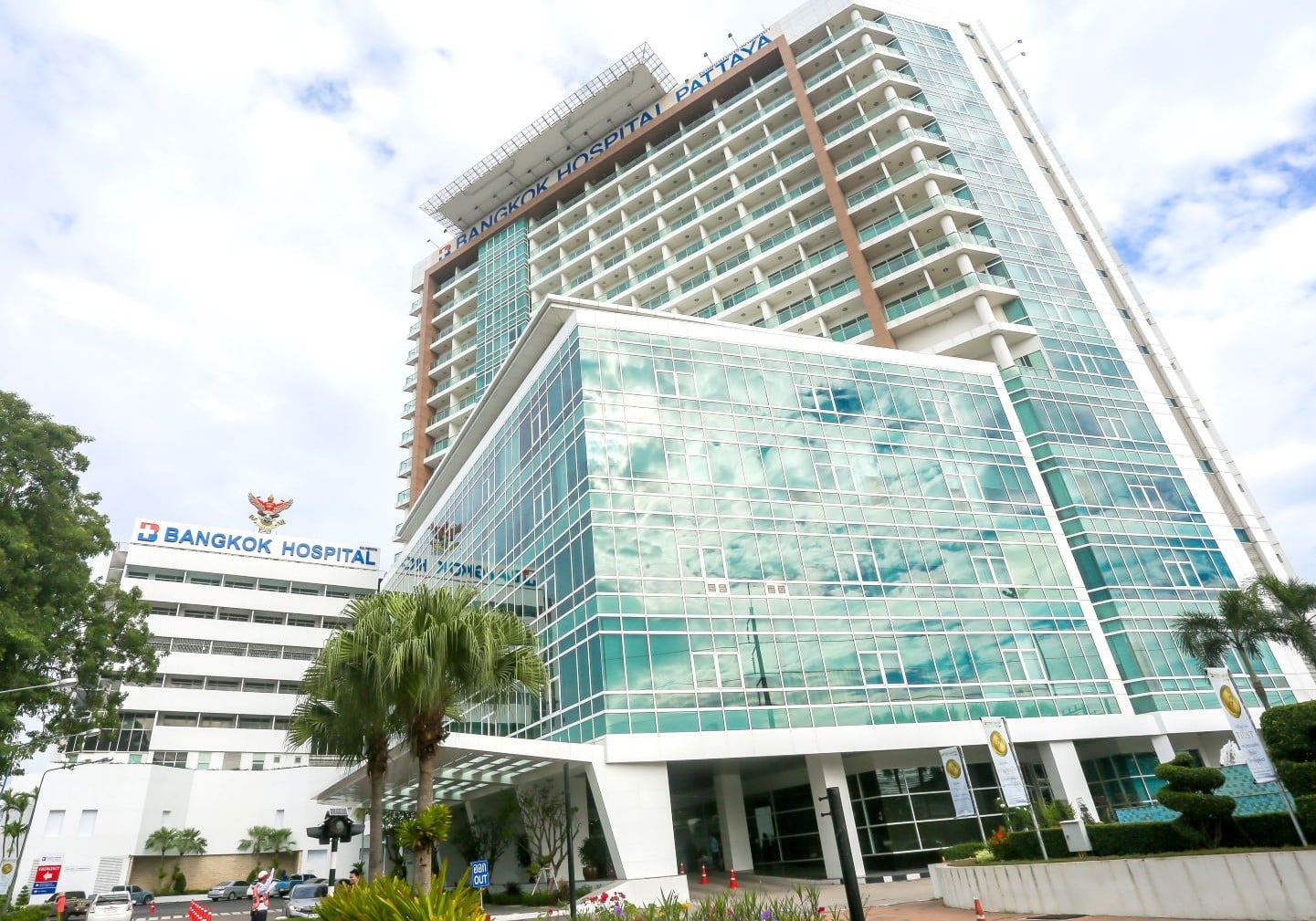
Perspectiva de expertos de Bookimed: Los datos muestran una clara brecha de experiencia entre las clínicas estéticas locales y los grandes centros internacionales. Mientras que el mercado nacional se centra en el aumento del puente nasal, los cirujanos de hospitales como Bumrungrad o Bangkok Hospital Pattaya atienden miles de casos internacionales al año. Elegir a un
¿En qué se diferencia la rinoplastia masculina de la rinoplastia femenina en Tailandia?
La rinoplastia masculina en Tailandia prioriza un puente nasal recto y una punta robusta y más ancha para mantener la armonía de los rasgos faciales masculinos. A diferencia de los procedimientos femeninos, que buscan curvas suaves y puntas estrechas, los cirujanos hacen hincapié en la altura estructural desde el nasion y en proporciones angulares que combinen con unas cejas y una línea mandibular más marcadas.
- Puente nasal: Los cirujanos mantienen un perfil recto o sutilmente marcado, sin una pendiente cóncava.
- Rotación de la punta: La punta se mantiene más ancha y angular, evitando la delicada elevación hacia arriba común en las mujeres.
- Base alar: Las clínicas conservan la anchura natural de las fosas nasales para adaptarse a estructuras faciales más anchas y a una piel más gruesa.
- Planificación estructural: Los planes tienen en cuenta un cartílago más denso, que a menudo requiere técnicas especializadas como el refinamiento estructural masculino.
Perspectiva de un experto de Bookimed: Tailandia es líder mundial en remodelación facial, y cirujanos como el Dr. Phatcharasak Kraisornphongsakul han realizado más de 20.000 procedimientos. Los datos muestran que las instalaciones acreditadas por la JCI, como Bumrungrad y Sikarin Hospital, son las preferidas para los casos masculinos porque manejan el complejo soporte estructural necesario
¿Qué materiales se utilizan habitualmente para el aumento de nariz masculino en Tailandia?
El aumento nasal masculino en Tailandia suele utilizar silicona de grado médico o Gore-Tex (ePTFE) para el dorso nasal, a menudo combinado con cartílago autólogo de oreja o costilla para la punta. Los cirujanos prefieren estas técnicas híbridas para crear líneas dorsales rectas y definidas, habitualmente solicitadas en los perfiles masculinos.
- Implantes sintéticos para el dorso nasal: Los cirujanos utilizan silicona o Gore-Tex para lograr una definición marcada y masculina del dorso nasal.
- Injertos autólogos para la punta: El cartílago de la oreja protege la punta nasal y evita la extrusión del implante.
- Cartílago costal: El cartílago de la costilla proporciona un soporte estructural sólido para reconstrucciones complejas o cirugías de revisión.
- Cartílago septal: Este material ayuda a enderezar las columnas medias, pero ofrece un volumen limitado para el aumento.
Perspectiva de un experto de Bookimed: Aunque la silicona es el estándar por su asequibilidad, las principales clínicas de Bangkok ahora prefieren una combinación de puente de silicona y punta de cartílago costal. El Dr. Phatcharasak Kraisornphongsakul de ID Clinic Bangkok ha realizado más de 20.000 procedimientos y suele utilizar estos métodos híbridos para garantizar estabilidad a largo plazo en pacientes masculinos activos.
Consenso de los pacientes:
¿Cuál es el cronograma típico de recuperación después de una rinoplastia masculina en Tailandia?
La recuperación típica después de una rinoplastia masculina en Tailandia requiere una estancia de 7 a 14 días para la cicatrización inicial y la retirada de la férula. La hinchazón visible suele disminuir en un plazo de 2 semanas, mientras que volver a realizar actividades físicas completas lleva unas 6 semanas. El refinamiento final de la nariz continúa durante 12 meses.
- Periodo de viaje: Permanezca de 7 a 14 días en Tailandia para las revisiones de seguimiento obligatorias con el cirujano.
- Cicatrización inicial: Las férulas y los vendajes de yeso suelen retirarse 7 días después del procedimiento quirúrgico.
- Actividad física: Evite levantar peso y hacer ejercicio intenso durante 6 semanas para prevenir sangrados.
- Resultados finales: La hinchazón de la punta nasal dura más tiempo, y la definición final de la nariz alcanza su máximo a los 12 meses.
Perspectiva de expertos de Bookimed: Los cirujanos de centros acreditados por la JCI, como Bumrungrad International Hospital, atienden a un gran volumen de pacientes, lo que mejora su precisión. Los niveles de experiencia son altos; por ejemplo, el Dr. Phatcharasak Kraisornphongsakul de ID Clinic ha realizado 20.000 procedimientos. Este alto volumen suele dar lugar a plazos más predecibles para estructuras nasales masculinas complejas.
Consenso de los pacientes: Los pac
¿Por qué Tailandia es un destino popular para la rinoplastia masculina?
Tailandia atrae a hombres para la rinoplastia debido a su alto volumen quirúrgico, su enfoque especializado en las proporciones faciales masculinas y sus hospitales acreditados por Joint Commission International (JCI). Los cirujanos suelen combinar reparaciones funcionales de la respiración con remodelación estética, utilizando técnicas avanzadas como injertos de costilla para garantizar la integridad estructural y resultados de aspecto natural.
- Cirujanos expertos: Médicos como Kittitouch Bunjongleelahong cuentan con credenciales de la Thai Board of Plastic Surgery.
- Instalaciones acreditadas: Los principales hospitales, como Bumrungrad International, cuentan con certificaciones de Joint Commission International y GHA.
- Técnicas estructurales: Las clínicas utilizan injertos de costilla e implantes Gore-Tex para lograr líneas dorsales fuertes y masculinas.
Perspectiva del experto de Bookimed: Aunque muchas personas buscan precios bajos, los datos muestran que los hospitales de primer nivel de Tailandia, como Bumrungrad International, atienden a más de 1.000.000 de pacientes al año. Estas grandes instalaciones proporcionan respaldo crítico de UCI del que carecen las clíni
¿Cuánto tiempo debo permanecer en Tailandia después de una rinoplastia masculina?
Los pacientes deben planificar una estancia en Tailandia de 7 a 14 días después de una rinoplastia masculina. Este periodo permite a los cirujanos controlar la inflamación aguda y realizar un seguimiento crucial el día 7 para retirar de forma segura la férula nasal, el yeso y los puntos externos.
- Estancia clínica: Prevea pasar unos 3 días en un entorno clínico para la supervisión inicial.
- Retirada de la férula: La mayoría de los cirujanos programan la revisión postoperatoria decisiva exactamente 7 días después de la cirugía.
- Seguridad al volar: Evite volar durante al menos 7 a 10 días para prevenir complicaciones relacionadas con la presión.
- Recuperación total: Reserve de 10 a 14 días en el país si se somete a una reconstrucción compleja o a correcciones respiratorias.
Perspectiva de expertos de Bookimed: Aunque muchas clínicas, como Sikarin Hospital, ofrecen traslados gratuitos desde el aeropuerto, el verdadero valor está en elegir centros acreditados por la JCI en Bangkok. Estos hospitales mantienen altos estándares de control de infecciones, algo vital cuando se está recuperando en un clima tropical lejos de casa. Con cirujanos como el Dr. Phatcharasak Kraisornphongsakul, que ha realizado más de 20.000 procedimientos, el riesgo de necesitar revisiones urgentes durante su estancia es significativamente menor.
Consenso d