Corona dental metálica en España: clínica verificada y sus precios


Revisado médicamente por
Fahad Mawlood
¿Cuál es el precio de Corona dental metálica en España? Descubra ahora
El costo de una corona dental metálica en España suele oscilar entre $330 y $500. Los precios pueden variar según la clínica dental, la experiencia del dentista y el tipo de metal utilizado (como aleación de oro, níquel-cromo o cobalto-cromo). En Estados Unidos, el costo promedio es de $1,300 (según la Asociación Dental Americana). Esto significa que las coronas dentales metálicas en España son aproximadamente un 68% más económicas que en EE. UU.
Las clínicas dentales españolas suelen incluir en el precio la consulta inicial, radiografías digitales o escaneos 3D, preparación del diente, la corona personalizada, la colocación y los ajustes posteriores. En EE. UU., el precio anunciado suele cubrir solo la corona, con cargos adicionales por imágenes, anestesia y visitas de seguimiento. Siempre comprobar qué incluye cada clínica en su paquete antes de reservar.
| España | Estados Unidos | México | |
|---|---|---|---|
| Corona dental metálica | ≈ $330 | ≈ $900 | de $150 |
Sus beneficios y garantías con Bookimed
Precios directos
Bookimed no añade cargos adicionales a los precios de Corona dental metálica. Las tarifas proceden de las listas de precios oficiales de las clínicas. Pagará directamente en la clínica por su Corona dental metálica a su llegada al país.
Sólo clínicas y médicos verificados
Bookimed está comprometido con su seguridad. Solo trabajamos con las clínicas que mantienen altos estándares internacionales en Corona dental metálica y tienen las licencias necesarias para atender a pacientes internacionales en todo el mundo.
Asistencia 24/7 gratuita
Bookimed ofrece asistencia experta gratuita. Un coordinador médico personal le apoya antes, durante y después del tratamiento, resolviendo cualquier problema. Nunca estará solo en su viaje médico de Corona dental metálica.

Su coordinador médico personal de Bookimed
- Le apoya en cada etapa
- Ayuda a elegir la clínica y el médico adecuados
- Asegura un acceso rápido y conveniente a la información
Descubra las mejores clínicas de Corona dental metálica en España: 1 opciones verificadas y Precios
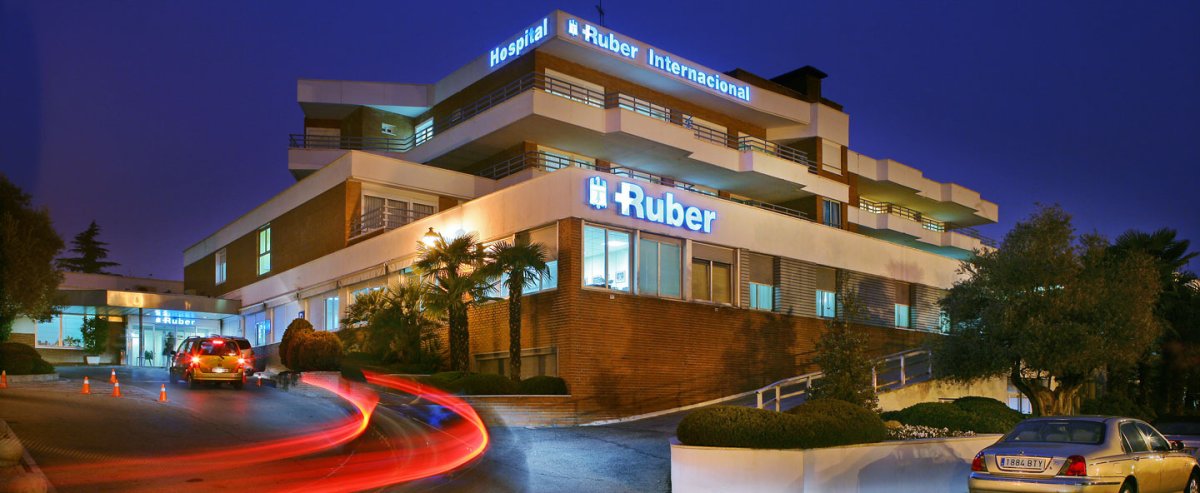


Descripción general de Corona dental metálica en España
- Instalación de corona PFM - de $300El procedimiento consiste en colocar una tapa de porcelana fusionada con metal para mejorar la apariencia y función del diente dañado.
- Instalación de una corona de porcelana. - de $680Este procedimiento restaura los dientes dañados utilizando cofias de cerámica, ofreciendo durabilidad, una apariencia natural y una mejor salud bucal.
- Instalación de coronas dentales - de $300Este tratamiento restaura la estructura del diente con una tapa de diseño personalizado, típicamente de porcelana o cerámica. Ofrece durabilidad y apariencia natural.
- Instalación de una corona de zirconio - de $550Este tratamiento reemplaza los dientes dañados con cofias de zirconio duraderas y de apariencia natural, lo que mejora la función y la estética bucal.
- Preparación dentaria para corona - de $280El procedimiento remodela los dientes dañados, ofreciendo refuerzo con cofias diseñadas a medida, lo que permite mejorar la salud y la estética bucal.
- Reemplazo de corona dental - de $510Esta terapia reemplaza las fundas dentales dañadas, mejora la apariencia y restaura la fuerza a través de una cubierta hecha a medida, lo que garantiza la salud dental.
- Corona dental metálica - de $330Esta terapia reemplaza la estructura dental dañada con una cubierta metálica resistente y duradera, lo que mejora la función y la estética dental.
- Corona dental el mismo día - de $470Este procedimiento proporciona una corona dental inmediata, con fabricación y ajuste realizados en una sola visita, ofreciendo eficiencia de tiempo y comodidad.
Día 1: Llegada
- Llegada al país y registro en su alojamiento.
- Descansar y aclimatarse a la nueva zona horaria y entorno.
Día 2: Preoperatorio
- Visite la clínica dental para una consulta con un especialista.
- Someterse a un examen dental y pruebas necesarias.
Día 3: Preoperatorio Continuación
- Revise los resultados de las pruebas con el especialista.
- Discuta el plan para el procedimiento de la corona dental.
Día 4: Proceso de Corona Dental Metálica
- Llegada a la clínica para el procedimiento.
- El procedimiento comienza con la aplicación de anestesia local.
- Se preparan los dientes para la colocación de la corona.
- Se coloca y ajusta la corona de metal.
- El procedimiento suele durar de 2 a 3 horas.
Día 5: Post-Operación
- Regrese a la clínica para una consulta de seguimiento.
- Especialista comprueba la corona y el proceso de curación.
Día 6-7: Recuperación
- Descansa y recupérate en tu alojamiento.
- Siga las instrucciones prescritas para el cuidado posoperatorio.
Semana 2: Rehabilitación
- Reanude gradualmente las actividades normales según lo permita la comodidad.
- Continúe con la rutina de higiene oral prescrita.
Semana 3: Regreso al trabajo
- Regreso al trabajo, normalmente sin actividad física intensa.
- Continúe siguiendo las instrucciones de higiene dental.
Semana 4: Resultado Final
- Vea el resultado final de la corona dental metálica.
- Se recomiendan revisiones dentales periódicas.
Tenga en cuenta que la experiencia de cada paciente puede variar, y este cronograma sirve como una guía general.
- Depósito de Bookimed: 200 $ o 200 €.
- Depósito de la clínica: Pague un porcentaje fijo por adelantado.
Historias en video de pacientes de Bookimed
Reseñas
Todas las reseñasCompartir contenido
 Olena Sikoza
Preguntas frecuentes sobre Corona dental metálica en España
¿Cuáles son los beneficios de elegir una corona de metal?
Elegir una corona dental de metal proporciona una durabilidad excepcional y preserva la estructura de los molares. Estas restauraciones soportan fuerzas de mordida intensas sin fracturarse. Requieren significativamente menos desgaste del diente natural que las alternativas de porcelana. Las aleaciones de metales nobles también ofrecen una biocompatibilidad superior en el entorno oral.
- Longevidad extrema: Las coronas de metal a menudo permanecen funcionales durante 20 a 30 años o más.
- Preservación del diente: Las paredes delgadas y fuertes permiten una preparación más conservadora del diente natural.
- Protección del esmalte: Las aleaciones metálicas son menos abrasivas para los dientes naturales opuestos que la porcelana.
- Ajuste superior: Los sellados marginales precisos previenen eficazmente la caries secundaria bajo la superficie de la corona.
- Resistencia a la fractura: Estas coronas no se astillan ni se agrietan incluso bajo una fuerte presión de masticación.
Perspectiva del experto de Bookimed: Aunque muchos pacientes solicitan circonio por estética, las aleaciones metálicas siguen siendo el estándar de oro para los molares. Centros españoles líderes como el Hospital Ruber Internacional utilizan aleaciones de metales nobles para pacientes con bruxismo. Estos materiales soportan el rechinamiento intenso donde
¿Qué materiales se utilizan en las clínicas dentales españolas para las coronas metálicas?
Las clínicas dentales españolas utilizan aleaciones de metales preciosos de alta calidad, fundición de oro y cobalto-cromo para fabricar coronas duraderas. Los cirujanos utilizan con frecuencia metal-cerámica (PFM) por motivos estéticos. Centros como el Hospital Ruber Internacional siguen estrictas normas ISO y de la Joint Commission International (JCI) en cuanto a biocompatibilidad dental.
- Aleaciones de oro: Utilizan oro biocompatible de primera calidad para un ajuste superior y una longevidad de 30 años.
- Coronas PFM: Combinan una subestructura metálica con un exterior de porcelana para una apariencia natural.
- Metales base: Emplean aleaciones de níquel-cromo o cobalto-cromo como soluciones dentales rentables y de alta resistencia.
- Acero inoxidable: Sirve como material fiable para la protección temporal durante la fabricación de la corona permanente.
Opinión del experto de Bookimed: Aunque los metales base ofrecen una gran resistencia, las clínicas españolas de primer nivel suelen recomendar aleaciones de oro para pacientes con bruxismo. El oro se expande de forma similar al esmalte dental natural. Esto evita las grietas en los dientes opuestos mejor que los metales base o las cerámicas más duros. La calidad varía según el porcentaje de la aleación, así que confirme siempre el contenido de oro antes de proceder.
Consenso
¿Dónde se utilizan mejor las coronas metálicas?
Las coronas metálicas se utilizan mejor en los dientes posteriores, como los molares, donde se requiere una alta durabilidad para soportar fuerzas de masticación intensas. Estas restauraciones son ideales para pacientes con bruxismo, casos con espacio vertical limitado o como soporte a largo plazo para puentes dentales en áreas de alta carga.
- Molares posteriores: Soportan una presión de mordida extrema sin agrietarse ni astillarse.
- Pacientes con bruxismo: Resisten el desgaste por el rechinar nocturno mientras protegen los dientes naturales opuestos.
- Espacio limitado: Requieren una reducción dental mínima en comparación con las coronas de porcelana o circonio.
- Protección tras endodoncia: Proporcionan un refuerzo estructural superior para dientes internos muy dañados.
Perspectiva del experto de Bookimed: Aunque las opciones de porcelana sobre metal (PFM) son populares, las aleaciones de oro siguen siendo el estándar de oro para los molares. Se expanden y contraen de manera similar al esmalte dental natural. Esto crea un sellado superior que previene la filtración bacteriana a largo plazo y la caries secundaria.
Consenso de los pacientes: Los pacientes valoran las coronas metálicas por su longevidad en los dientes posteriores. Sin embargo, muchos recomiendan aleaciones de metales nobles sobre los metales base para e
¿Son visibles las coronas metálicas?
Las coronas dentales metálicas son muy visibles porque sus superficies de oro, platino o aleaciones de metales base no coinciden con el esmalte dental natural. Estas restauraciones crean un destello metálico distintivo al sonreír. Los cirujanos en España suelen recomendarlas para los molares posteriores no visibles debido a este contraste estético.
- Nivel de visibilidad: Su alta visibilidad las hace inadecuadas para restauraciones de dientes frontales o superiores.
- Colocación estratégica: Se utilizan principalmente para molares posteriores donde la visibilidad durante el habla normal es mínima.
- Alternativas estéticas: Las opciones de porcelana sobre metal utilizan cubiertas de cerámica para ocultar la estructura metálica interna.
- Recesión gingival: Los bordes metálicos pueden volverse visibles como una línea oscura si el tejido de la encía retrocede.
Opinión experta de Bookimed: Las clínicas españolas como el Hospital Ruber Internacional mantienen altos estándares con certificaciones JCI e ISO. Los datos muestran que los pacientes a menudo eligen metal para las superficies de masticación mientras usan porcelana para los bordes visibles. Este enfoque híbrido equilibra la durabilidad del metal con un aspecto natural sin costo adicional.
Consenso de los pacientes: La mayoría de los pacientes considera que las coronas