Centro Médico Teknon
España, Barcelona
Xavier Ruyra Baliarda
34 años de experiencia

Clínica certificada por : 





Revisado médicamente por
Fahad Mawlood
De $46,000. El precio depende del tipo de válvula (mecánica o biológica), la complejidad del procedimiento, el hospital y la experiencia del cirujano cardíaco. UU.
Los hospitales españoles suelen ofrecer paquetes integrales que incluyen pruebas preoperatorias, el procedimiento quirúrgico, anestesia, válvulas protésicas de alta calidad, 5–10 días de hospitalización, cuidados en UCI, medicamentos y visitas de seguimiento. En EE. UU., el precio base suele cubrir solo los honorarios del cirujano y del hospital, con facturación separada para la anestesia, las válvulas protésicas, la estancia en UCI y la atención postoperatoria. Siempre confirmar exactamente qué está incluido con cada clínica española antes de reservar.
¿Por qué elegir España para cirugía plástica de válvulas cardíacas?
Acceda a soluciones avanzadas de cirugía plástica para válvulas cardíacas en clínicas de confianza de $46,000.
| España | Turquía | México | |
|---|---|---|---|
| Cirugia plastica de valvula cardiaca | de $46,000 | de $11,000 | ≈ $24,000 |
Bookimed no añade cargos adicionales a los precios de Cirugia plastica de valvula cardiaca. Las tarifas proceden de las listas de precios oficiales de las clínicas. Pagará directamente en la clínica por su Cirugia plastica de valvula cardiaca a su llegada al país.
Bookimed está comprometido con su seguridad. Solo trabajamos con las clínicas que mantienen altos estándares internacionales en Cirugia plastica de valvula cardiaca y tienen las licencias necesarias para atender a pacientes internacionales en todo el mundo.
Bookimed ofrece asistencia experta gratuita. Un coordinador médico personal le apoya antes, durante y después del tratamiento, resolviendo cualquier problema. Nunca estará solo en su viaje médico de Cirugia plastica de valvula cardiaca.

Día 1: Llegada
Día 2: Preoperatorio
Día 3: Cirugía Plástica de Válvula Cardiaca
Día 4 a Día 10: Post-Operación
Semana 2 a Semana 8: Rehabilitación
Tenga en cuenta que el caso de cada paciente es único y el cronograma puede variar en consecuencia.
Uno de los principales especialistas mundiales en la intervención de Ross, el Dr. Xavier Ruyra Baliarda, aporta 34 años de experiencia en cirugía cardíaca al Centro Médico Teknon.

Más de 100 publicaciones científicas y 23 capítulos de libros: el Dr. Alzueta Rodríguez es un experto líder en arritmias cardíacas y electrofisiología en Quirónsalud Marbella.

Jefe de Cardiología en Quironsalud Madrid con _doctor_8447_ años de especialización en electrofisiología cardíaca y arritmias.

El Dr. Angel Pinto Gonzalez es cardiólogo intervencionista en el Hospital Universitario HM Montepríncipe de Madrid. Trata la enfermedad de las arterias coronarias, la aterosclerosis y los trastornos de las válvulas cardíacas. El Dr. Pinto Gonzalez realiza la colocación de stents, ablación por radiofrecuencia e instalación de marcapasos. Trabaja en un hospital con acreditación ISO que atiende a 500,000 pacientes anualmente.
 Olena Sikoza

Este procedimiento se centra en reparar o modificar las válvulas cardiacas existentes para mejorar la función y el flujo sanguíneo.
España ofrece amplias opciones mínimamente invasivas para la cirugía de válvula cardíaca, incluyendo la implantación de válvula aórtica transcatéter (TAVI) y la reparación percutánea de la válvula mitral (MitraClip). Centros especializados en Madrid y Barcelona utilizan pequeñas incisiones o acceso por la ingle para tratar las válvulas, reduciendo significativamente el trauma y la estancia hospitalaria en comparación con la cirugía a corazón abierto.
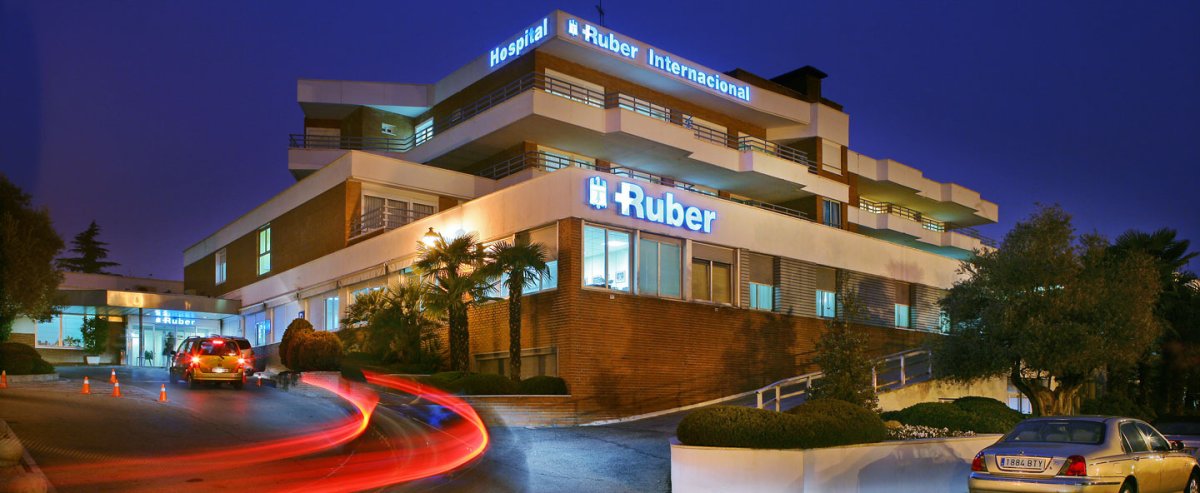
Perspectiva del experto de Bookimed: Aunque muchos centros ofrecen reparación de válvulas cardíacas, España destaca por su concentración de hospitales acreditados por JCI que utilizan el sistema Da Vinci Xi. Los datos muestran que clínicas como el Hospital Ruber Internacional realizan más de 6,000
La cirugía plástica de una válvula cardíaca, o valvuloplastia, es una técnica reconstructiva que repara válvulas cardíacas dañadas utilizando el propio tejido del paciente. A diferencia del reemplazo, este método preserva la anatomía natural, restaura la hemodinámica y reduce significativamente la necesidad de medicamentos anticoagulantes de por vida, a la vez que mejora la supervivencia.
Perspectiva del experto de Bookimed: Los centros cardíacos de élite de España, como el Centro Médico Teknon, mantienen perfiles de seguridad superiores al promedio porque integran experiencia multidisciplinaria. Cirujanos como el Dr. Xavier Ruyra Baliarda poseen más de 35 años de experiencia especializada en cirugía valvular reconstructiva. Este
La recuperación inicial tras una cirugía de válvula cardíaca en España requiere una estancia hospitalaria de 3 días para observación. Los pacientes generalmente recuperan el 70% de su capacidad física dentro de las 5 semanas, mientras que la restauración completa de la fuerza y la resistencia diaria toma típicamente de 4 a 6 meses de rehabilitación.
Perspectiva del experto de Bookimed: Los principales centros cardíacos de España como el Centro Médico Teknon albergan cirujanos con más de 35 años de experiencia. Aunque algunos cronogramas de recuperación sugieren 4 meses, estos veteranos especialistas a menudo aconsejan un período completo de 6 meses. Este período más largo asegura que el músculo cardíaco y el esternón se estabilicen completamente antes de reanudar actividades de alto impacto.
Consenso de los pacientes: La recuperación es un proceso constante donde los pacientes sienten ganancias sig
La recuperación inicial tras una cirugía de válvula cardíaca suele llevar de 4 a 8 semanas, mientras que la recuperación física completa requiere a menudo de 3 a 6 meses. La velocidad de recuperación depende del abordaje quirúrgico, siendo las técnicas percutáneas como TAVI significativamente más rápidas que los procedimientos tradicionales a corazón abierto.
Perspectiva del experto de Bookimed: Los centros españoles como el Centro Médico Teknon se centran en la extubación temprana y protocolos especializados para la intervención de Ross. Este enfoque suele acortar la fase inicial de recuperación de alta intensidad. UU.
Consenso de los pacientes: El primer mes s
La necesidad de anticoagulantes después de una reparación de válvula cardíaca en España depende de la técnica quirúrgica utilizada. Los pacientes que reciben válvulas mecánicas requieren anticoagulantes de por vida. Aquellos que se someten a una reparación de válvula de tejido o reemplazo bioprotésico generalmente solo necesitan medicación temporal durante 3 a 6 meses para prevenir la coagulación.
Opinión experta de Bookimed: España atrae a muchos pacientes para el procedimiento de Ross, en el cual el Dr. Xavier Ruyra Baliarda del Centro Médico Teknon es una autoridad reconocida. Esta técnica compleja utiliza su propia válvula pulmonar para reemplazar la aórtica. La mayor ventaja es evitar por completo los anticoagulantes de por vida, lo cual es raro en los reemplazos de válvula tradicionales.
Consenso de los pacientes: