Cirugia plastica de valvula cardiaca en Turquía — obtén 3 clínicas con costos


Revisado médicamente por
Fahad Mawlood
¿Cuál es el precio de Cirugia plastica de valvula cardiaca en Turquía? Descubra ahora
De $11,000. El precio varía según el tipo de válvula (mecánica o bioprotésica), la complejidad de la cirugía y la acreditación del hospital. UU.
Los hospitales turcos suelen incluir en el precio total los diagnósticos preoperatorios, los honorarios del cirujano y anestesiólogo, la prótesis valvular, la atención en UCI, varios días de hospitalización, medicamentos rutinarios y visitas de seguimiento. En EE. UU., los cargos hospitalarios, los honorarios del cirujano, las válvulas protésicas y las estancias en UCI suelen facturarse por separado. Siempre confirmar exactamente qué está incluido antes de reservar el procedimiento.
Beneficios clave
¿Por qué eligen los pacientes Turquía para la cirugía plástica de válvulas cardíacas?
- Clínicas acreditadas: Los pacientes pueden confiar en hospitales certificados por JCI y centros acreditados por el Ministerio de Salud de Turquía. Estas instituciones garantizan atención de la más alta calidad.
- Últimas tecnologías: Técnicas como el Reemplazo Valvular Aórtico Transcatéter (TAVR) y el uso de materiales biocompatibles de marcas como Edwards Lifesciences y Medtronic ofrecen soluciones efectivas.
- Altas tasas de éxito: La cirugía plástica de válvulas cardíacas en Turquía cuenta con una impresionante eficacia del 95% en diversas condiciones de los pacientes.
- Cirujanos expertos: Cirujanos cardíacos líderes, a menudo certificados por organismos internacionales, han realizado miles de cirugías de válvulas exitosas. Esto garantiza manos experimentadas para tu procedimiento.
Accede a soluciones avanzadas de cirugía plástica de válvulas cardíacas en clínicas de confianza de $11,000.
| España | Turquía | México | |
|---|---|---|---|
| Cirugia plastica de valvula cardiaca | de $46,000 | de $11,000 | ≈ $24,000 |
Sus beneficios y garantías con Bookimed
Precios directos
Bookimed no añade cargos adicionales a los precios de Cirugia plastica de valvula cardiaca. Las tarifas proceden de las listas de precios oficiales de las clínicas. Pagará directamente en la clínica por su Cirugia plastica de valvula cardiaca a su llegada al país.
Sólo clínicas y médicos verificados
Bookimed está comprometido con su seguridad. Solo trabajamos con las clínicas que mantienen altos estándares internacionales en Cirugia plastica de valvula cardiaca y tienen las licencias necesarias para atender a pacientes internacionales en todo el mundo.
Asistencia 24/7 gratuita
Bookimed ofrece asistencia experta gratuita. Un coordinador médico personal le apoya antes, durante y después del tratamiento, resolviendo cualquier problema. Nunca estará solo en su viaje médico de Cirugia plastica de valvula cardiaca.

Su coordinador médico personal de Bookimed
- Le apoya en cada etapa
- Ayuda a elegir la clínica y el médico adecuados
- Asegura un acceso rápido y conveniente a la información
Descubra las mejores clínicas de Cirugia plastica de valvula cardiaca en Turquía: 24 opciones verificadas y Precios




Hospital Hisar Intercontinental
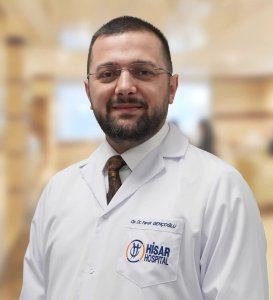
Faruk Gencoglu














Hospital Lokman Hekim de Estambul (Lokman Hekim Istanbul Hospital)


Descripción general de Cirugia plastica de valvula cardiaca en Turquía
- Reemplazo de válvula cardíaca - de $15,000Esta cirugía reemplaza las válvulas cardíacas dañadas, mejorando el flujo sanguíneo y la función cardíaca para una vida más saludable.
- Cirugia plastica de valvula cardiaca - de $11,000La operación modifica las válvulas del corazón para mejorar el flujo sanguíneo, empleando técnicas mínimamente invasivas para una recuperación rápida.
- Implante transcatéter de válvula aórtica (TAVI) - de $19,000El procedimiento reemplaza una válvula cardíaca defectuosa mediante un catéter, lo que reduce la invasión y el tiempo de recuperación.
- Reemplazo de la válvula aórtica - de $13,100La operación sustituye una válvula cardíaca dañada por una sana, lo que mejora el flujo sanguíneo y la función cardíaca.
- Reemplazo valvular en la edad pediátrica - de $12,000La operación, cuyo objetivo es mejorar la salud del corazón, consiste en reemplazar la válvula mitral defectuosa de un niño y mejorar el flujo sanguíneo.
- Reemplazo de válvula aórtica en niños - de $12,000Esta operación reemplaza la válvula cardíaca dañada de un niño, mejorando el flujo sanguíneo y la función cardíaca en general.
- Valvuloplastia - de $8,000Esta terapia repara las válvulas del corazón, mejorando el flujo sanguíneo. Es mínimamente invasivo, menos riesgoso e implica una recuperación más rápida.
Día 1: Llegada
- Llegada al país y traslado a la clínica.
- Instalación en la cámara individual prevista.
Día 2: Preoperatorio
- Consulta con cirujano cardíaco y anestesiólogo.
- Someterse a las pruebas médicas necesarias, incluidos los análisis de orina.
Día 3: Cirugía Plástica de Válvula Cardiaca
- Ingreso al quirófano.
- Administración de anestesia general.
- Comienza el procedimiento de cirugía plástica de válvulas cardíacas.
- La cirugía dura aproximadamente de tres a seis horas.
Día 4 a Día 10: Post-Operación
- Observación y cuidados en la Unidad de Cuidados Intensivos.
- Revisiones periódicas por cirujanos y cardiólogos.
- El paciente permanece durante al menos una semana después de la cirugía.
Semana 2 a Semana 8: Rehabilitación
- Comienza la fisioterapia y la rehabilitación cardiaca.
- Aumento gradual de la actividad física.
- Para la semana 6, es posible un regreso al trabajo.
- Para la semana 8, regrese al deporte y otras actividades.
Tenga en cuenta que el caso de cada paciente es único y el cronograma puede variar en consecuencia.
- Depósito de Bookimed: 200 $ o 200 €.
- Depósito de la clínica: Pague un porcentaje fijo por adelantado.
Obtenga una evaluación médica de Cirugia plastica de valvula cardiaca en Turquía: haga una consulta con 45 médicos experimentados ahora
Ver todos los médicosFaruk Gencoglu
Realizó más de 3000 cirugías cardiovasculares, incluidos procedimientos de válvula aórtica y mitral, en el Instituto de Cardiología Cerrahpaşa de Estambul y en el Hospital de Investigación y Formación de Batman.
- Especializado en enfermedades de las válvulas cardíacas desde 2020
- Dirigió un departamento de cirugía a corazón abierto durante 11 años
- Formación de fellowship en el Instituto Cerrahpaşa de Estambul, el centro de cardiología líder en Turquía
- Realiza cirugías complejas de aorta y carótida

Ali Fedakar
Realizó más de 4000 cirugías a corazón abierto: el Prof. Fedakar se especializa en procedimientos cardíacos complejos en el Hisar Hospital Intercontinental.
- Experto en técnicas de cirugía cardíaca mínimamente invasiva
- Realizó trasplantes de corazón como cirujano principal para 8 pacientes
- Fundó clínicas de cirugía cardiovascular en varios hospitales
- Se especializa en cirugías de reintervención valvular (segundos o terceros procedimientos)

Öztekin Oto

Ibrahim Halil Tanboga
El Prof. Dr. Ibrahim Halil Tanboga se especializa en el tratamiento de enfermedades valvulares, incluyendo la valvuloplastia mitral con balón y los procedimientos TAVI en el Hisar Hospital Intercontinental.
- Formado en cardiología en el Hospital de Formación e Investigación Kartal Koşuyolu Yüksek İhtisas
- Trabajó en válvulas cardíacas en el St Thomas Hospital de Londres
- Experto en enfermedades cardíacas estructurales congénitas y tratamientos valvulares
- Miembro de la Sociedad Europea de Cardiología
Historias en video de pacientes de Bookimed
Reseñas
Todas las reseñasCompartir contenido
 Olena Sikoza
Datos сlave sobre Cirugia plastica de valvula cardiaca

Cirugía plástica de válvulas cardiacas
Este procedimiento se centra en reparar o modificar las válvulas cardiacas existentes para mejorar la función y el flujo sanguíneo.
Preguntas frecuentes sobre Cirugia plastica de valvula cardiaca en Turquía
¿Qué ciudades y hospitales son los mejores para la cirugía de válvulas cardíacas en Turquía?
¿Es la `cirugía plástica` de válvulas cardíacas lo mismo que la cirugía estética?
La cirugía plástica de una válvula cardíaca es un procedimiento reconstructivo médicamente necesario llamado valvuloplastia o anuloplastia, no una mejora cosmética. A diferencia de las cirugías estéticas, estas operaciones reparan los tejidos o estructuras valvulares dañados para restaurar el flujo sanguíneo adecuado y prevenir la insuficiencia cardíaca.
- Propósito médico: Restaura la función cardíaca vital mediante la reparación de válvulas cardíacas con fugas o estrechas.
- Cirujanos especializados: Realizada por cirujanos cardiotorácicos, a menudo certificados o miembros de la Society of Thoracic Surgeons.
- Técnicas procedimentales: Incluye plastia de la válvula mitral, anuloplastia y remodelación quirúrgica mediante parches pericárdicos.
- Entorno clínico: Realizada en hospitales acreditados por la JCI como Memorial Şişli o Hisar Hospital Intercontinental.
Perspectiva de expertos de Bookimed: Aunque los pacientes a menudo asocian la cirugía plástica con la estética, la cirugía plástica cardíaca en Turquía se centra en el éxito de las reparaciones de alto volumen. Cirujanos como el Dr. Ali Fedakar han realizado más de 4.000 cirugías a corazón abierto. Este alto volumen permite a los centros turcos mantener tasas de éxito superiores al 90% para reconstrucciones valvulares complejas.
Consenso de los pacientes: Los pac
¿Cuáles son los riesgos comunes asociados con la cirugía de válvulas cardíacas en Turquía?
La cirugía de válvulas cardíacas en Turquía es altamente exitosa, con tasas de éxito del 91%-97% en hospitales acreditados por la JCI. Los riesgos comunes incluyen sangrado postoperatorio en el 10% de los casos, arritmias temporales como la fibrilación auricular y un riesgo de accidente cerebrovascular del 5%-10%. Algunos pacientes también pueden experimentar disfunción renal temporal o infecciones en el sitio de la incisión.
- Tasas de éxito: Los procedimientos de válvula aórtica alcanzan un 94%-97% de éxito en los principales centros turcos.
- Riesgo de arritmia: La fibrilación auricular ocurre en el 40% de los pacientes durante la recuperación inicial.
- Durabilidad de la válvula: Las válvulas de tejido bioprotésico generalmente requieren reemplazo después de 10 a 15 años.
- Cuidado a largo plazo: Las válvulas mecánicas requieren medicación anticoagulante de por vida para prevenir coágulos sanguíneos peligrosos.
Perspectiva del experto de Bookimed: Aunque muchos se centran en la cirugía, el período de recuperación de 3 a 6 meses es donde surgen la mayoría de las complicaciones. Los datos de cirujanos de alto volumen como el Dr. Ali Fedakar en el Hospital Hisar Intercontinental, quien ha realizado más de 4,000 procedimientos, muestran que la adherencia a una estancia local de 2 semanas reduce significativamente las tasas de rehospitalización.
¿Cuáles son las tasas de éxito reportadas para los procedimientos de válvulas cardíacas en centros turcos?
Los centros cardíacos turcos reportan tasas de éxito de entre el 90% y el 98% para los procedimientos principales de válvulas cardíacas. Las instalaciones líderes en Estambul logran hasta un 99,9% de éxito en reemplazos aórticos. Estos resultados están respaldados por altos volúmenes quirúrgicos y el estricto cumplimiento de los estándares de seguridad de la Joint Commission International (JCI).
- Reemplazo de válvula aórtica: Los centros reportan entre un 94% y un 98% de éxito utilizando válvulas mecánicas o bioprotésicas.
- TAVI mínimamente invasivo: El éxito del procedimiento alcanza entre el 95% y el 98% para pacientes de alto riesgo debidamente seleccionados.
- Reparación de válvula mitral: Las clínicas especializadas logran un 95% de éxito mediante la modificación del tejido valvular existente.
- Puntos de referencia de supervivencia: Los hospitales acreditados por la JCI mantienen tasas de supervivencia a 30 días superiores al 97% para casos electivos.
Perspectiva del experto de Bookimed: El alto volumen se correlaciona directamente con la seguridad en Turquía. Por ejemplo, el Prof. Ali Fedakar en el Hisar Hospital Intercontinental ha realizado personalmente más de 4.000 cirugías a corazón abierto. Este nivel de experiencia individual en centros que atienden a más de 250.000 pacientes al año a menudo resulta en tasas de complicaciones má
¿Cuánto dura el periodo de recuperación tras una cirugía de válvula cardíaca en Turquía?
La recuperación tras una cirugía de válvula cardíaca en Turquía suele implicar una estancia hospitalaria de 7 a 10 días y de 6 a 12 semanas para la curación física completa. Los pacientes que utilizan técnicas mínimamente invasivas como TAVI a menudo se recuperan en un plazo de 2 a 4 semanas, mientras que los procedimientos a corazón abierto requieren periodos de curación esternal más largos.
- Cronograma de viaje: Los pacientes internacionales deben permanecer en Turquía entre 10 y 21 días después de la operación.
- Restricciones de actividad: Se restringe levantar objetos pesados de más de 4,5 kg (10 lbs) durante un mínimo de 8 a 12 semanas.
- Conducción: La mayoría de los cirujanos requieren de 4 a 6 semanas antes de reanudar la conducción por seguridad.
- Regreso profesional: Los trabajos de oficina son manejables después de 6 semanas; el trabajo físico requiere 3 meses.
Perspectiva del experto de Bookimed: Los centros de gran volumen como el Hisar Hospital Intercontinental y el Memorial Şişli utilizan protocolos acreditados por la JCI que priorizan la movilización temprana. Los datos muestran que cirujanos experimentados como el Dr. Ali Fedakar, con más de 4.000 procedimientos, logran la estabilidad más rápido. Los pacientes deben elegir clínicas que ofrezcan de 5 a 7 noches de recuperación hotelera integrada para un mejor seguimiento.
¿Qué se incluye habitualmente en un paquete de viaje médico con todo incluido para una cirugía de válvula cardíaca en Turquía?
Los paquetes de cirugía de válvula cardíaca con todo incluido en Turquía suelen agrupar el procedimiento quirúrgico, el diagnóstico preoperatorio como ecocardiografía y angiografía, y de 3 a 7 días de hospitalización. La mayoría de los planes también incluyen traslados VIP del aeropuerto al hotel, coordinadores de pacientes bilingües y alojamiento para un acompañante durante la estancia clínica.
- Cirugía principal: Incluye honorarios del cirujano, anestesia e implantes de válvulas mecánicas o biológicas.
- Suite de diagnóstico: Cubre análisis de sangre, ECG, radiografías de tórax e imágenes cardíacas avanzadas.
- Estancia hospitalaria: Generalmente proporciona de 3 a 7 noches, incluidos 1-2 días en la UCI cardíaca.
- Logística de viaje: Los paquetes estándar incluyen traslados privados y habitaciones de hospital compartidas para acompañantes.
Perspectiva de expertos de Bookimed: Si bien muchas clínicas como Hisar Hospital Intercontinental o Memorial Shishli ofrecen estancias hospitalarias estándar de 7 días, el verdadero diferenciador es la proporción entre UCI y planta. Los centros de gran volumen a menudo incluyen 2 días completos de monitoreo cardíaco intensivo. Esto es 24 horas más que el promedio europeo, lo que proporciona una red de seguridad crítica antes de trasladarse a una habitación estándar.
Consenso de los paciente