Extracción del cuerpo extraño en los conductos radiculares mediante un microscopio en España — obtén 3 clínicas con costos


Revisado médicamente por
Fahad Mawlood
¿Cuál es el precio de Extracción del cuerpo extraño en los conductos radiculares mediante un microscopio en España? Descubra ahora
El coste de la extracción de un cuerpo extraño en los conductos radiculares utilizando un microscopio en España suele oscilar entre $180 y $380. Los precios varían según la clínica, la experiencia del dentista, la complejidad del caso y si hay varios conductos implicados. En Estados Unidos, el coste medio es de $1,800 (según la AAE). Esto significa que se puede ahorrar aproximadamente un 84% realizando el procedimiento en España.
Las clínicas dentales españolas suelen incluir en el precio la consulta inicial, radiografías preoperatorias, anestesia local, uso de microscopio operatorio, medicación postoperatoria y visitas de seguimiento. El personal que habla inglés y un plan de tratamiento personalizado suelen ser habituales. En EE. UU., el precio base suele cubrir solo el procedimiento en sí, con cargos adicionales por imágenes, anestesia y cuidados posteriores. Siempre confirmar qué está incluido con la clínica elegida.
| España | Estados Unidos | México | |
|---|---|---|---|
| Extracción del cuerpo extraño en los conductos radiculares mediante un microscopio | ≈ $180 | ≈ $1,200 | de $280 |
Sus beneficios y garantías con Bookimed
Precios directos
Bookimed no añade cargos adicionales a los precios de Extracción del cuerpo extraño en los conductos radiculares mediante un microscopio. Las tarifas proceden de las listas de precios oficiales de las clínicas. Pagará directamente en la clínica por su Extracción del cuerpo extraño en los conductos radiculares mediante un microscopio a su llegada al país.
Sólo clínicas y médicos verificados
Bookimed está comprometido con su seguridad. Solo trabajamos con las clínicas que mantienen altos estándares internacionales en Extracción del cuerpo extraño en los conductos radiculares mediante un microscopio y tienen las licencias necesarias para atender a pacientes internacionales en todo el mundo.
Asistencia 24/7 gratuita
Bookimed ofrece asistencia experta gratuita. Un coordinador médico personal le apoya antes, durante y después del tratamiento, resolviendo cualquier problema. Nunca estará solo en su viaje médico de Extracción del cuerpo extraño en los conductos radiculares mediante un microscopio.

Su coordinador médico personal de Bookimed
- Le apoya en cada etapa
- Ayuda a elegir la clínica y el médico adecuados
- Asegura un acceso rápido y conveniente a la información
Descubra las mejores clínicas de Extracción del cuerpo extraño en los conductos radiculares mediante un microscopio en España: 1 opciones verificadas y Precios


Descripción general de Extracción del cuerpo extraño en los conductos radiculares mediante un microscopio en España
- Tratamiento de conducto - de $340El procedimiento trata infecciones de cavidades profundas, quitando la pulpa de un diente, desinfectándolo y luego sellándolo.
- Tratamiento de la pulpitis - de $140Esta terapia tiene como objetivo el manejo de la inflamación dental, involucrando limpieza, desinfección y sellado, aliviando así el dolor.
- Eliminación de quistes dentales - de $1,100El procedimiento extrae el saco lleno de líquido de un diente, mejorando la salud bucal y previniendo complicaciones.
- Extracción del cuerpo extraño en los conductos radiculares mediante un microscopio - de $180El procedimiento extrae restos invisibles de las raíces de los dientes, mejorando la precisión y la recuperación, a través de una visualización ampliada.
Día 1 - Llegada
- Llegue a la clínica y complete el proceso de registro.
- Reúnase con el cirujano dental para la consulta inicial.
- Someterse a las pruebas médicas necesarias, incluidas las radiografías.
Día 2 - Preoperatorio
- Revise su historial médico con el cirujano dental.
- Discuta el procedimiento y el resultado esperado.
- Recibir instrucciones sobre la preparación previa a la operación.
Día 3 - Extracción del cuerpo extraño en los conductos radiculares
- Llegada a la clínica temprano en la mañana.
- El procedimiento se realiza bajo anestesia local.
- El proceso tarda entre 1 y 3 horas en completarse.
- El cirujano dental opera usando un microscopio.
Día 4 - Postoperatorio
- Permanezca en la clínica para el seguimiento postoperatorio.
- Recibir instrucciones sobre los cuidados postoperatorios.
- Si es necesario, se proporcionan medicamentos para el control del dolor.
Semana 1 - Rehabilitación
- Descanse y siga las instrucciones de cuidado postoperatorio.
- Asistir a la cita de seguimiento con el cirujano dentista.
- Reanude las actividades ligeras según lo tolere.
Semana 2 - Rehabilitación
- Continúe descansando y recuperándose.
- Reanude el trabajo y las actividades normales según lo recomendado.
- Revisión final con cirujano dentista.
Tenga en cuenta: cada caso es individual y el tiempo de recuperación puede variar según los factores específicos del paciente y la complejidad del procedimiento.
- Depósito de Bookimed: 200 $ o 200 €.
- Depósito de la clínica: Pague un porcentaje fijo por adelantado.
Historias en video de pacientes de Bookimed
Reseñas
Todas las reseñasCompartir contenido
 Olena Sikoza
Preguntas frecuentes sobre Extracción del cuerpo extraño en los conductos radiculares mediante un microscopio en España
¿Qué es un cuerpo extraño en un conducto radicular y por qué eliminarlo?
Un cuerpo extraño es un objeto no deseado, como una lima metálica rota, algodón o restos de comida atrapados dentro de un diente. Su eliminación es esencial para eliminar bacterias, prevenir infecciones periapicales crónicas y permitir un sellado completo del sistema de conductos radiculares para salvar el diente natural.
- Recuperación microscópica: La visualización de alta resolución permite la extracción de fragmentos invisibles al ojo humano.
- Prevención de infecciones: Eliminar el material orgánico atrapado evita que las bacterias lleguen a los tejidos óseos circundantes.
- Alternativas quirúrgicas: La apicectomía guiada elimina la punta de la raíz si la recuperación no quirúrgica es imposible.
- Seguridad a largo plazo: La eliminación oportuna evita que los objetos migren hacia la cavidad sinusal o el hueso.
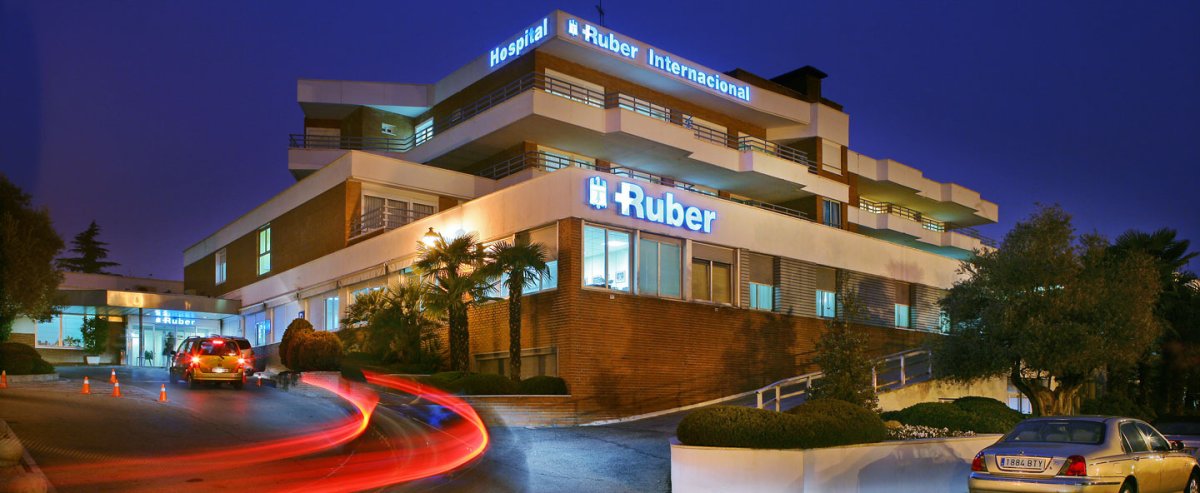
Perspectiva del experto de Bookimed: España alberga más de 80 clínicas, incluidas instalaciones de clase mundial como el Hospital Ruber Internacional. Este hospital cuenta con la acreditación de la Joint Commission International (JCI) y atiende a 25,000 pacientes al año. Si bien la eliminación no quirúrgica mediante microscopio es la primera opción, estos centros avanzados ofrecen alternativas quirúrgicas para garantizar la preservación del diente. El procedimiento en España ofrece un valor significativo, con un costo de _op_989_pric
¿Cómo ayuda un microscopio a recuperar instrumentos rotos?
Un microscopio dental ayuda a recuperar instrumentos rotos proporcionando un aumento de alta potencia e iluminación coaxial para visualizar los conductos radiculares oscuros. Esta visibilidad permite a los especialistas crear una plataforma de acceso, exponiendo de 2 a 3 mm del fragmento. Esto permite una navegación precisa con puntas ultrasónicas mientras se preserva la estructura dental sana.
- Evaluación visual: El dentista identifica la ubicación del fragmento en relación con la curvatura del conducto radicular.
- Eliminación conservadora: El aumento elevado evita la eliminación excesiva de dentina y evita los riesgos de perforación radicular.
- Guía ultrasónica: Los especialistas utilizan puntas ultrasónicas para hacer vibrar la cabeza del instrumento sin dañar las paredes.
- Tasas de éxito: Una mejor visualización aumenta la probabilidad de recuperación en comparación con simplemente pasar por alto el instrumento.
Opinión de expertos de Bookimed: Elegir instalaciones acreditadas por la JCI, como el Hospital Ruber Internacional, garantiza el acceso a tecnología endodóntica avanzada. Nuestros datos muestran que las clínicas españolas que ofrecen estos procedimientos mantienen altos estándares mediante resonancia magnética de 3 Teslas y certificaciones ISO. Este nivel de equipamiento suele costar alrededor de un 84% men
¿Cuál es la tasa de éxito en la extracción de instrumentos rotos con microscopio?
Las tasas de éxito para la extracción de instrumentos rotos con microscopio oscilan entre el 70% y el 93%. La microcirugía endodóntica especializada logra hasta un 94% de éxito en comparación con solo el 59% de los métodos tradicionales. La visualización avanzada permite a los especialistas evitar o recuperar limas fracturadas mientras preservan la integridad estructural del conducto radicular.
- Acceso visual: Las tasas de éxito alcanzan el 85% cuando el fragmento es visible bajo un aumento de alta potencia.
- Curvatura del conducto: Los conductos rectos muestran un 95% de éxito, cayendo al 42% en curvaturas superiores a 30 grados.
- Ubicación del fragmento: La recuperación desde la parte media de la raíz tiene un promedio de éxito del 83%, mientras que las extracciones apicales promedian el 61%.
- Estándar de oro: La combinación de microscopios dentales con puntas ultrasónicas proporciona los niveles más altos de éxito clínico a nivel mundial.
Opinión del experto de Bookimed: Si bien las clínicas pequeñas ofrecen endodoncia básica, el éxito de la recuperación depende de la tecnología avanzada que se encuentra en los grandes centros españoles. El Hospital Ruber Internacional utiliza imágenes de alta gama y resonancia magnética de 3 Teslas para diagnósticos complejos. Elegir un centro con acreditación JCI garantiza que los cirujanos sigan los p
¿Existen alternativas si no se puede extraer el cuerpo extraño?
Cuando la extracción microscópica estándar de un cuerpo extraño en el conducto radicular falla, los tratamientos alternativos incluyen la cirugía apical (apicectomía), la extracción dental o la observación a largo plazo. Los cirujanos en centros como el Hospital Ruber Internacional de Madrid suelen priorizar la preservación del diente mediante intervenciones quirúrgicas especializadas antes de considerar la extracción permanente.
- Apicectomía: La resección quirúrgica del extremo de la raíz permite acceder al cuerpo extraño a través de las encías.
- Extracción dental: El último recurso cuando la estructura dental ya no es salvable.
- Implantes dentales: Los implantes sustituyen al diente extraído para prevenir la pérdida ósea y el desplazamiento de los dientes.
- Observación vigilante: Los objetos pequeños y asintomáticos se monitorean si no causan infección.
Perspectiva del experto de Bookimed: El análisis de las tendencias clínicas en España muestra que el diagnóstico de alta tecnología a menudo cambia el pronóstico. Recomendamos una tomografía computarizada de haz cónico (CBCT) antes de someterse a una extracción. Los centros acreditados por la JCI, como el Hospital Ruber Internacional, utilizan estas imágenes 3D para localizar objetos con precisión, encontrando a menudo una vía de extracción que las radiografías 2D estándar pasan por alto.<
¿Cuánto tiempo dura el procedimiento?
La eliminación microscópica de un cuerpo extraño de los conductos radiculares en España suele durar 2 horas por visita. Los pacientes a menudo requieren varias sesiones para garantizar una limpieza precisa y una extracción exitosa. Los especialistas utilizan microscopios endodónticos de gran aumento para navegar por estructuras complejas de los conductos y preservar la estructura natural del diente.
- Duración de la sesión: Las citas duran un promedio de 2 horas debido al trabajo microscópico detallado y la precisión.
- Frecuencia del tratamiento: Las extracciones complejas a menudo abarcan 2 visitas para separar los pasos de extracción y desinfección.
- Precisión clínica: Los endodoncistas utilizan equipos láser especializados y microscopios para evitar daños en el conducto.
- Prioridad de éxito: El enfoque sigue siendo la preservación del diente para evitar costosos procedimientos de implante en el futuro.
Perspectiva del experto de Bookimed: España ocupa el sexto lugar a nivel mundial en solicitudes médicas en nuestra plataforma. Las instalaciones de alto nivel, como el Hospital Ruber Internacional, mantienen la acreditación JCI y las normas ISO. Si bien los procedimientos dentales menores son más rápidos, la eliminación de cuerpos extraños requiere un especialista en endodoncia. Elegir una clínica con tecnología de resonancia magnética de 3
¿Dónde puedo encontrar un endodoncista especializado con microscopio en España?
Los endodoncistas especializados que utilizan microscopios se encuentran en centros dentales españoles de alta gama, particularmente en Madrid y Valencia. Estas instalaciones privadas especializadas utilizan microscopios quirúrgicos para tareas complejas. Esto incluye la eliminación de instrumentos rotos o cuerpos extraños dentro de los conductos radiculares para garantizar una preservación precisa del diente.
- Certificación de especialidad: Busque clínicos identificados como endodoncista exclusivo para obtener acceso a tecnología microscópica superior.
- Tecnología requerida: Confirme la presencia de microscopía endodontica antes de reservar extracciones complicadas.
- Centros de ubicación: Centros en Madrid como el Hospital Ruber Internacional ofrecen una infraestructura quirúrgica y de imagen avanzada.
- Proceso de derivación: Los dentistas generales a menudo derivan los casos de cuerpos extraños a estas clínicas privadas especializadas.
Opinión del experto de Bookimed: Aunque la odontología general está muy extendida en España, la extracción microscópica sigue siendo un nicho. Las instalaciones acreditadas por la JCI, como el Hospital Ruber Internacional, tratan a 25.000 pacientes al año. Proporcionan la imagen de alto nivel necesaria para estos casos. Elegir a un especialista dedicado en lugar de un generalista aumenta significativamente