Abdominoplastia inversa en España — obtén 3 clínicas con costos


Revisado médicamente por
Fahad Mawlood
¿Cuál es el precio de Abdominoplastia inversa en España? Descubra ahora
El costo de una abdominoplastia inversa en España suele oscilar desde $5,200 hasta $7,600. Los precios varían según la clínica, la experiencia del cirujano y si se requieren procedimientos adicionales como la liposucción. En Estados Unidos, el costo promedio es de $11,500 (según la ASPS). Elegir España para una abdominoplastia inversa puede ahorrar aproximadamente un 44% en comparación con EE. UU.
Las clínicas españolas suelen incluir en el precio la consulta preoperatoria, anestesia general, el procedimiento quirúrgico, la estancia hospitalaria, las prendas postoperatorias y las visitas de seguimiento. En EE. UU., los precios publicados suelen cubrir solo los honorarios del cirujano, mientras que la anestesia, los cargos de las instalaciones y el cuidado posterior se facturan por separado. Siempre confirmar exactamente qué está incluido en la clínica elegida.
| España | Estados Unidos | México | |
|---|---|---|---|
| Abdominoplastia inversa | ≈ $5,200 | ≈ $8,000 | de $5,800 |
Sus beneficios y garantías con Bookimed
Precios directos
Bookimed no añade cargos adicionales a los precios de Abdominoplastia inversa. Las tarifas proceden de las listas de precios oficiales de las clínicas. Pagará directamente en la clínica por su Abdominoplastia inversa a su llegada al país.
Sólo clínicas y médicos verificados
Bookimed está comprometido con su seguridad. Solo trabajamos con las clínicas que mantienen altos estándares internacionales en Abdominoplastia inversa y tienen las licencias necesarias para atender a pacientes internacionales en todo el mundo.
Asistencia 24/7 gratuita
Bookimed ofrece asistencia experta gratuita. Un coordinador médico personal le apoya antes, durante y después del tratamiento, resolviendo cualquier problema. Nunca estará solo en su viaje médico de Abdominoplastia inversa.

Su coordinador médico personal de Bookimed
- Le apoya en cada etapa
- Ayuda a elegir la clínica y el médico adecuados
- Asegura un acceso rápido y conveniente a la información
Descubra las mejores clínicas de Abdominoplastia inversa en España: 1 opciones verificadas y Precios


Descripción general de Abdominoplastia inversa en España
- Abdominoplastia - de $5,000La operación aplana el abdomen eliminando el exceso de grasa y piel, creando un perfil más firme y delgado.
- Esta terapia remodela tres partes del cuerpo y tensa el abdomen, combinando la eliminación de grasa asistida por láser y el estiramiento de la piel.
- Abdominoplastia y liposucción - de $15,100El procedimiento elimina el exceso de grasa abdominal, tensa la piel para lograr un estómago más plano y da forma al cuerpo mediante succión quirúrgica.
- Abdominoplastia en Flor de Lis - de $5,800Esta cirugía elimina el exceso de piel y tensa los músculos abdominales a través de una incisión vertical y horizontal, ofreciendo un contorno mejorado y una mejor recuperación para aquellos con una pérdida de peso significativa.
- Abdominoplastia inversa - de $5,200Esta cirugía estética consiste en tensar y elevar la piel de la parte superior del abdomen mediante la eliminación del exceso de tejido, lo que da como resultado un aspecto más firme y una mejora del contorno corporal.
- Paniculectomía - de $5,200Este procedimiento quirúrgico elimina el exceso de piel y grasa de la parte inferior del abdomen, a menudo después de una pérdida de peso significativa, para mejorar la movilidad y la comodidad personal.
- Abdominoplastia masculina - de $5,200Esta cirugía estética elimina el exceso de piel y grasa del abdomen, tensa los músculos para conseguir un aspecto más plano y suele requerir un período de recuperación de varias semanas.
- Abdominoplastia y grabado abdominal en hombres - de $5,800Esta cirugía estética esculpe el abdomen mediante la eliminación del exceso de grasa y piel, mejorando la definición muscular para crear una apariencia tonificada, six-pack, por lo general requiere unas semanas de recuperación.
- Depósito de Bookimed: 200 $ o 200 €.
- Depósito de la clínica: Pague un porcentaje fijo por adelantado.
Historias en video de pacientes de Bookimed
Reseñas
Todas las reseñasCompartir contenido
 Olena Sikoza
Preguntas frecuentes sobre Abdominoplastia inversa en España
¿Qué es una abdominoplastia inversa y en qué se diferencia de una tradicional?
La abdominoplastia inversa tensa la piel flácida de la parte superior del abdomen tirando del tejido hacia arriba, hacia el pecho. Las abdominoplastias tradicionales se centran en la parte inferior del abdomen tirando de la piel hacia abajo. Este procedimiento es ideal para pacientes con una laxitud significativa por encima del ombligo tras una pérdida de peso.
- Ubicación de la incisión: Los cirujanos ocultan las incisiones en el pliegue inframamario, directamente debajo de los senos.
- Dirección del estiramiento: El exceso de piel se estira hacia arriba en lugar de hacia la línea púbica.
- Combinaciones comunes: Los pacientes suelen combinar esto con un levantamiento de senos para compartir la misma incisión.
- Tiempo de recuperación: La mayoría de los pacientes regresan al trabajo de oficina dentro de los 7 días posteriores al procedimiento.
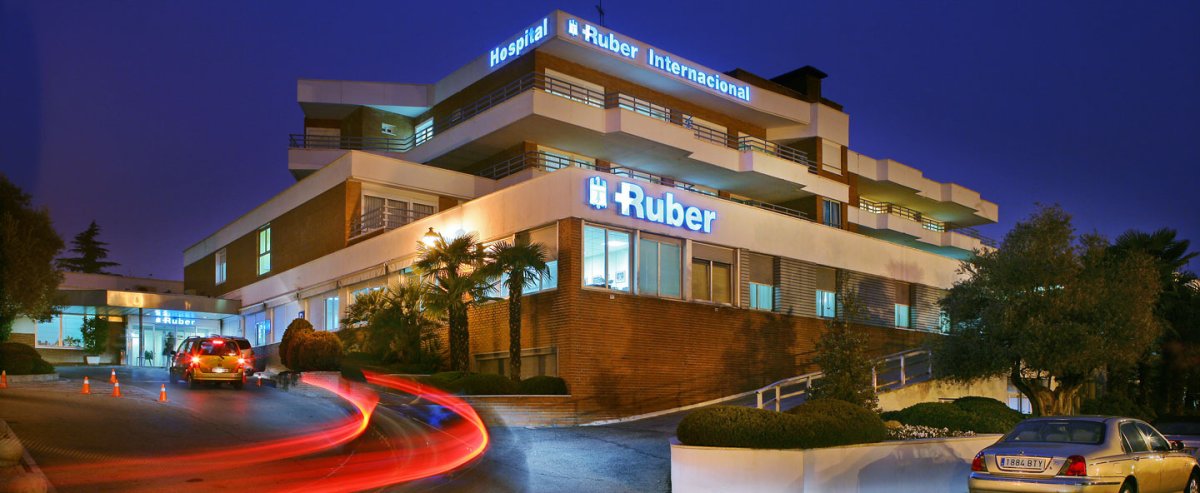
Opinión del experto de Bookimed: Aunque la abdominoplastia tradicional es común, la técnica inversa es especializada y menos frecuente a nivel mundial. España ofrece una ventaja única para este procedimiento, ya que centros de gran volumen como el Hospital Ruber Internacional mantienen la acreditación JCI y realizan más de 6,000 cirugías al año. Este volumen quirúrgico es una señal de calidad crítica para técnicas raras donde la precisión en el anclaje del tejido es esencial para evitar la migración vert
¿Se puede combinar una abdominoplastia inversa con otros procedimientos?
Combinar una abdominoplastia inversa con procedimientos de la parte superior del cuerpo es común en España. Los cirujanos a menudo lo combinan con levantamiento (mastopexia) o aumento de senos. Este enfoque utiliza las mismas incisiones en el pliegue inframamario para tensar la parte superior del abdomen mientras se contornea simultáneamente los senos para lograr un equilibrio estético.
- Mastopexia: Las incisiones compartidas en el pliegue mamario permiten el levantamiento simultáneo de los senos y la piel abdominal.
- Liposucción: A menudo se añade liposucción de 360 grados para refinar el contorno de la cintura y la parte superior de la espalda.
- Contorno de la parte superior del cuerpo: Los levantamientos de espalda o de la línea del sostén abordan la laxitud de la piel en todo el torso.
- Eficiencia: Las cirugías combinadas ofrecen un único período de recuperación y menores tarifas de anestesia y hospitalización.
Perspectiva del experto de Bookimed: Aunque técnicamente es compatible, algunos cirujanos en centros acreditados por la JCI, como el Hospital Ruber Internacional, priorizan la seguridad. Pueden limitar las combinaciones porque levantar la piel contra la gravedad requiere un excelente suministro de sangre. Si tiene una laxitud abdominal inferior significativa, una abdominoplastia estándar sigue siendo la opción más efectiva.
<¿Cuál es el tiempo de recuperación de una abdominoplastia inversa?
La recuperación de una abdominoplastia inversa requiere 6 semanas de curación inicial. La mayoría de los pacientes regresan a actividades ligeras en un plazo de 1 a 2 semanas. La recuperación completa y el contorno abdominal final suelen ocurrir entre los 3 y 6 meses. Este cronograma depende de las técnicas específicas y de la velocidad de curación individual.
- Actividades diarias: Regreso al trabajo de oficina ligero y caminatas dentro de los 7 a 14 días posteriores a la cirugía.
- Restricciones físicas: Evite levantar objetos pesados de más de 10 libras (aprox. 4,5 kg) y ejercicios de núcleo durante 6 semanas.
- Cuidados postoperatorios: Use prendas de compresión especializadas durante 4 a 12 semanas para reducir la hinchazón.
- Maduración de la cicatriz: La curación de la incisión y el aplanamiento final de la cicatriz continúan hasta por 6 meses.
Perspectiva del experto de Bookimed: Las instalaciones de alto nivel en España, como el Hospital Ruber Internacional, utilizan protocolos estándar JCI que priorizan las visitas de seguimiento tempranas. Los datos muestran que las clínicas aquí recomiendan una estancia local de 7 días. Este período garantiza que los cirujanos especializados puedan controlar la curación inicial antes de que los pacientes regresen a casa. Este estándar es vital para los 25,000 pacientes anuales que buscan atención es
¿Cuáles son las fortalezas de España como destino para una cirugía de abdominoplastia inversa?
España es un destino de primer nivel para la cirugía de abdominoplastia inversa, combinando la seguridad acreditada por la JCI con ahorros significativos. Los pacientes suelen pagar entre $5,200 y $7,600, ahorrando hasta un 44% en comparación con los promedios de EE. UU. de $11,500. Los centros líderes en Madrid y Barcelona utilizan planificación quirúrgica 3D avanzada para un contorneado preciso de la parte superior del abdomen.
- Acreditación de élite: Clínicas como el Hospital Ruber Internacional mantienen certificaciones JCI e ISO para la seguridad.
- Cirujanos expertos: Los especialistas españoles son reconocidos por corregir casos complejos de contorno corporal y revisiones.
- Tecnología avanzada: Las instalaciones cuentan con resonancia magnética de 3 Teslas de última generación e imágenes 3D especializadas para la planificación.
- Ubicaciones estratégicas: Los principales centros médicos son fácilmente accesibles en ciudades como Madrid y Marbella.
Perspectiva del experto de Bookimed: Mientras que muchos países se centran en clínicas de alto volumen, la fortaleza de España radica en sus hospitales multidisciplinarios. Instalaciones como el Hospital Ruber Internacional tratan a 25,000 pacientes al año con 800 médicos. Esta infraestructura garantiza el acceso inmediato a e
¿Dónde se encuentran las mejores clínicas para una abdominoplastia inversa en España?
Las mejores clínicas para una abdominoplastia inversa se encuentran en Madrid, Barcelona y Marbella. Estos centros se especializan en la resuspensión abdominal superior y la corrección de la flacidez cutánea. Las instalaciones clave incluyen el Hospital Ruber Internacional en Madrid, acreditado por la JCI, y centros avanzados de contorno corporal como Cirumed Clinic en Marbella e IM Clinic en Barcelona.
- Credenciales del cirujano: Asegúrese de que los cirujanos posean la certificación de la Sociedad Española de Cirugía Plástica (SECPRE).
- Ubicaciones principales: Barcelona y Madrid albergan la mayor concentración de centros estéticos especializados.
- Estándares hospitalarios: El Hospital Ruber Internacional mantiene certificaciones de calidad JCI e ISO 9001.
- Técnicas especializadas: Clínicas como Cirumed se centran en el remodelado abdominal complejo para pacientes internacionales.
Perspectiva del experto de Bookimed: Aunque muchos buscan procedimientos inversos, los cirujanos españoles a menudo los combinan con liposucción de flancos. Los datos de Bookimed muestran que el Hospital Ruber Internacional se encuentra entre los 6 mejores hospitales de España. Elegir un hospital multidisciplinario en lugar de una clínica boutique privada a menudo garantiza un mejor acceso a recursos de emergencia.
Consenso de los pacientes: