Injerto óseo sintético en España — obtén 3 clínicas con costos


Revisado médicamente por
Fahad Mawlood
¿Cuál es el precio de Injerto óseo sintético en España? Descubra ahora
| España | Estados Unidos | México | |
|---|---|---|---|
| Injerto óseo sintético | ≈ $350 | ≈ $600 | ≈ $350 |
Sus beneficios y garantías con Bookimed
Precios directos
Bookimed no añade cargos adicionales a los precios de Injerto óseo sintético. Las tarifas proceden de las listas de precios oficiales de las clínicas. Pagará directamente en la clínica por su Injerto óseo sintético a su llegada al país.
Sólo clínicas y médicos verificados
Bookimed está comprometido con su seguridad. Solo trabajamos con las clínicas que mantienen altos estándares internacionales en Injerto óseo sintético y tienen las licencias necesarias para atender a pacientes internacionales en todo el mundo.
Asistencia 24/7 gratuita
Bookimed ofrece asistencia experta gratuita. Un coordinador médico personal le apoya antes, durante y después del tratamiento, resolviendo cualquier problema. Nunca estará solo en su viaje médico de Injerto óseo sintético.

Su coordinador médico personal de Bookimed
- Le apoya en cada etapa
- Ayuda a elegir la clínica y el médico adecuados
- Asegura un acceso rápido y conveniente a la información
Descubra las mejores clínicas de Injerto óseo sintético en España: 1 opciones verificadas y Precios
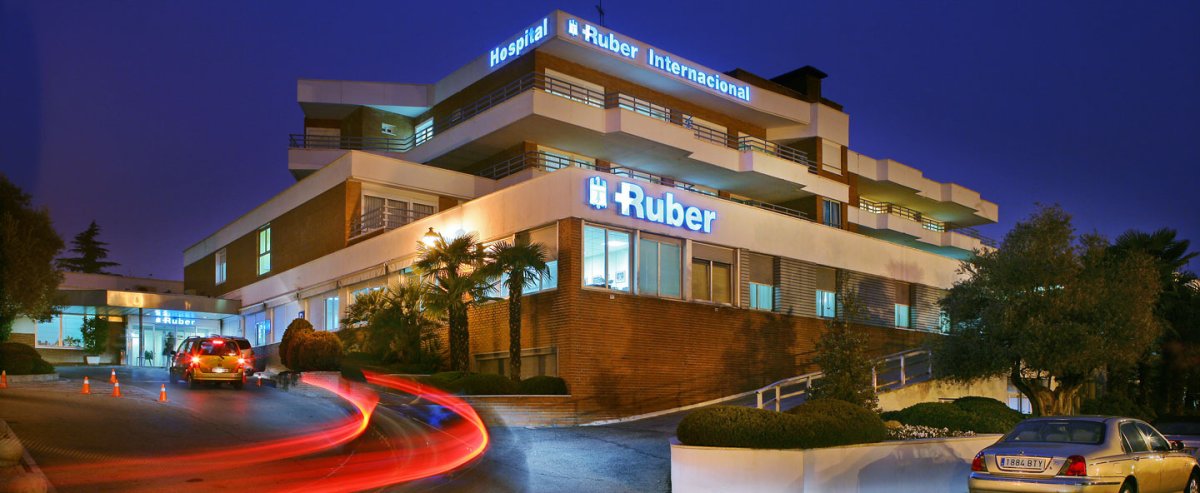


Descripción general de Injerto óseo sintético en España
- Osteoplastia - de $450Esta terapia remodela o repara huesos, involucrando ingeniería quirúrgica. Ofrece mayor movilidad y alivio del dolor.
- Injerto óseo - de $300Esta terapia reemplaza o repara el hueso faltante, usando material natural o sintético, promoviendo la curación y la fuerza.
- Injerto óseo autógeno - de $840Esta terapia utiliza el propio hueso del paciente para reparar, reconstruir o reemplazar el tejido óseo dañado o faltante.
- Injerto óseo en bloque - de $750Este procedimiento trasplanta tejido óseo para reparar y reconstruir huesos enfermos o dañados.
- Injerto óseo Infuse - de $450El procedimiento estimula el crecimiento óseo utilizando una solución a base de proteínas, lo que ayuda en el proceso de curación después de las cirugías esqueléticas.
- Injerto óseo Onlay - de $2,500Esta terapia trasplanta hueso para mejorar la cicatrización, la estabilidad y el apoyo donde se produjo la pérdida ósea o en las fracturas.
- Injerto óseo particulado - de $280El procedimiento implica el uso de pequeños trozos de hueso para ayudar a regenerar las áreas dañadas, promoviendo una curación más rápida y efectiva.
- Injerto óseo sintético - de $350Esta terapia recrea el hueso dañado utilizando sustitutos cultivados en laboratorio, lo que ayuda al crecimiento óseo natural y a una curación rápida y eficiente.
Día 1 - Llegada
- Llegada al país y traslado a un hotel 4*.
- Descansa y adáptate a la nueva zona horaria.
Día 2 - Preoperatorio
- Consulta con el cirujano ortopédico y anestesiólogo.
- Realice las pruebas médicas necesarias, como análisis de sangre y radiografías.
- Discuta el procedimiento, los riesgos y los beneficios con el cirujano.
Día 3 - Injerto Óseo Sintético
- Someterse a la cirugía bajo anestesia general.
- El procedimiento tarda de 2 a 3 horas en completarse.
- El cirujano utiliza un injerto óseo sintético para reparar el defecto óseo.
Día 4 - Postoperatorio
- Permanezca en la clínica para monitoreo y manejo del dolor.
- Inicie ejercicios suaves de fisioterapia bajo la guía de un fisioterapeuta.
Semana 1 - Rehabilitación
- Continúe con los ejercicios de fisioterapia en el hotel.
- Consulta de seguimiento con el cirujano.
Semana 2 - Regreso a casa
- Consulta final con el cirujano antes de la salida.
- Viaje de regreso a casa y continúe con la fisioterapia.
Semana 6 - Regreso al trabajo
- Reanudar tareas ligeras en el trabajo.
Semana 12 - Regreso al Deporte
- Regresar gradualmente a las actividades deportivas regulares.
Tenga en cuenta que el cronograma de recuperación de cada paciente puede variar según factores individuales, como la salud general, la edad y la complejidad de la cirugía.
- Depósito de Bookimed: 200 $ o 200 €.
- Depósito de la clínica: Pague un porcentaje fijo por adelantado.
Historias en video de pacientes de Bookimed
Reseñas
Todas las reseñasCompartir contenido
 Olena Sikoza
Preguntas frecuentes sobre Injerto óseo sintético en España
¿Qué es un injerto óseo sintético?
Los injertos óseos sintéticos son materiales artificiales biocompatibles utilizados para reparar defectos y estimular el crecimiento óseo natural. Estos sustitutos artificiales, que incluyen cerámica a base de calcio y vidrio bioactivo, actúan como un andamio estructural. Son totalmente reabsorbibles y se convierten en hueso natural en un plazo de 6 meses.
- Composición del material: Los injertos modernos utilizan cerámica a base de calcio, biopolímeros o vidrio sintético.
- Función biológica: Proporcionan un andamio estructural para la actividad osteoblástica y la regeneración.
- Perfil de seguridad: Los materiales sintéticos eliminan los riesgos de transmisión de enfermedades y las reacciones del sistema inmunológico.
- Aplicación clínica: Los cirujanos los utilizan para sitios de extracción dental y reparaciones ortopédicas.
Opinión del experto de Bookimed: Los centros acreditados por la JCI, como el Hospital Ruber Internacional en Madrid, mantienen altos estándares de seguridad. Los datos muestran que las clínicas a menudo utilizan por defecto hueso animal o de donante humano. Debe solicitar explícitamente opciones sintéticas si prefiere materiales no orgánicos. Los especialistas españoles suelen ofrecer estas opciones cuando los pacientes priorizan evitar los injertos biológicos.
Consenso de los pacientes: Muchos pa
¿Cuál es la diferencia entre los injertos óseos sintéticos y los naturales?
Los injertos óseos naturales provienen de fuentes biológicas y ofrecen una regeneración superior mediante factores de crecimiento activos. Los injertos sintéticos son materiales cerámicos o de fosfato de calcio fabricados en laboratorio. Si bien los injertos naturales se integran más rápido, las opciones sintéticas proporcionan un suministro constante sin riesgo de transmisión de enfermedades ni preocupaciones éticas.
- Orígenes naturales: Derivados del paciente, donantes humanos o tejido animal como el bovino.
- Materiales sintéticos: Compuestos inorgánicos fabricados como hidroxiapatita o fosfato tricálcico para una alta reproducibilidad.
- Mecánica de curación: Los injertos naturales inducen el crecimiento de hueso nuevo; los sintéticos proporcionan principalmente un andamio poroso.
- Cronología de integración: Todos los tipos requieren de 4 a 6 meses de curación antes de colocar implantes dentales.
Perspectiva del experto de Bookimed: Las instalaciones de alto nivel en España, como el Hospital Ruber Internacional, utilizan protocolos acreditados por la JCI para la selección de injertos. Nuestros datos muestran que los pacientes eligen cada vez más injertos sintéticos para evitar sitios de cirugía secundaria. Muchos especialistas en Madrid ahora los combinan con PRP (plasma rico en plaquetas) para cerrar la brecha de curación entre los mater
¿Qué tipos de materiales sintéticos se utilizan en España?
Los injertos óseos sintéticos de grado médico en España suelen consistir en biocerámicas como fosfato de calcio, hidroxiapatita o vidrio bioactivo. Estos materiales biocompatibles sirven como andamios osteoconductores. Permiten que el hueso natural se regenere y eventualmente reemplace el injerto dentro de los 6 meses durante los procedimientos ortopédicos o dentales.
- Composición del material: La mayoría de los injertos sintéticos utilizan cerámicas a base de calcio para imitar los componentes minerales naturales.
- Aplicación clínica: Los cirujanos utilizan estos materiales en centros acreditados por la JCI como el Hospital Ruber Internacional.
- Proceso de regeneración: Los andamios sintéticos proporcionan soporte estructural mientras el tejido óseo nativo crece lentamente.
- Estándares de seguridad: Las clínicas nacionales se adhieren a las normas ISO para garantizar materiales de injerto estériles y de alta calidad.
Opinión del experto de Bookimed: Aunque los materiales sintéticos están ganando popularidad, los centros ortopédicos españoles de gran volumen a menudo priorizan los xenoinjertos o aloinjertos. Estos materiales biológicos procesados a menudo se prefieren a las opciones puramente sintéticas porque proporcionan señales biológicas superiores para la curación ósea. Si prefiere una opción sintética no animal, debe solicitarla espec
¿Cuáles son las aplicaciones comunes de los injertos óseos sintéticos en España?
Los injertos óseos sintéticos en España se aplican principalmente en implantología dental y reconstrucciones ortopédicas. Los casos de uso incluyen elevación de seno maxilar, preservación del reborde alveolar, fusión espinal y relleno de vacíos óseos traumáticos. Estos materiales biocompatibles, como la hidroxiapatita y el fosfato de calcio, proporcionan soporte estructural mientras promueven el crecimiento óseo natural.
- Restauración dental: Los cirujanos utilizan partículas sintéticas para reconstruir el hueso de la mandíbula después de extracciones dentales.
- Aumento de seno: Los materiales elevan el suelo del seno para crear bases estables para implantes dentales.
- Fusión espinal: Los rellenos o cajas sintéticas estabilizan las vértebras en pacientes con trastornos espinales degenerativos.
- Traumatología ortopédica: Los rellenos reabsorbibles reparan fracturas complejas y defectos óseos en articulaciones principales.
Perspectiva del experto de Bookimed: Centros españoles de primer nivel como el Hospital Ruber Internacional combinan injertos sintéticos con imágenes avanzadas de resonancia magnética de 3 Teslas. Esta precisión permite a los cirujanos mapear los defectos óseos con extrema exactitud antes de la cirugía. El uso de estándares acreditados por la JCI garantiza que los materiales sintéticos cumplan con los requisitos más altos d
¿Por qué elegir España para procedimientos de injerto óseo?
España es un destino líder para injertos óseos debido a su experiencia médica de alta calidad y las estrictas regulaciones de salud de la UE. Los pacientes se benefician de tecnologías modernas como la imagen 3D en instalaciones de clase mundial en Madrid y Barcelona. El procedimiento es rentable, ahorrando a los pacientes internacionales alrededor del 50% en comparación con los promedios de EE. UU.
- Estándares de calidad: Las instalaciones cumplen con rigurosas regulaciones de la UE que garantizan materiales de injerto sintéticos seguros.
- Especialistas expertos: Los procedimientos son realizados por periodoncistas certificados capacitados en aumento de reborde avanzado.
- Clasificaciones hospitalarias: Los principales centros como el Hospital Ruber Internacional son reconocidos mundialmente por su excelencia ortopédica.
- Cronograma de curación: La mayoría de los pacientes requieren 3 meses para que el injerto sintético se endurezca por completo.
Opinión del experto de Bookimed: Aunque clínicas como el Hospital Ruber Internacional atienden a 25,000 pacientes al año, pocos se dan cuenta de que los mejores hospitales de España a menudo ofrecen una mayor acreditación que las clínicas dentales locales. Elegir un hospital multipropósito acreditado por la JCI para un injerto óseo garantiza el acceso a tecnología de imagen co