Diagnóstico en Tailandia — Costos 2026


Revisado médicamente por
Fahad Mawlood
¿Cuál es el precio de procedimientos de Diagnóstico en Tailandia? Descubra ahora
Los diagnósticos en Tailandia suelen costar desde $3,100 / 114,700฿ hasta $5,000 / 185,000฿. Los precios varían según el tipo de centro, la complejidad de las pruebas de imagen o de laboratorio, y si elige un paquete de chequeo integral. Los pacientes a menudo encuentran ahorros del 60-70% en comparación con los precios de pruebas idénticas en los EE. UU.
Costos típicos de diagnóstico en Tailandia
- Ecografía: de $140 / 5,200฿
- Resonancia magnética (MRI) de una zona: de $500 / 18,500฿
- Chequeo básico: Precio a consultar
- Chequeo femenino: Precio a consultar
- Colonoscopia: $500 / 18,500฿ – $870 / 32,200฿
- Chequeo masculino: Precio a consultar
- Hemograma completo: de $25 / 930฿
- TC (tomografía computarizada): Precio a consultar
- Pruebas de laboratorio: Precio a consultar
- Consulta con un ortopedista (traumatólogo): Precio a consultar
Los principales centros médicos se concentran en Bangkok, Chiang Mai y Phuket. Los precios en Bangkok suelen ser entre un 10 y un 15% más altos que en otras regiones. Debe consultar con un especialista o un coordinador médico para obtener un presupuesto preciso para sus necesidades de diagnóstico específicas.
| Tailandia | España | Turquía | |
|---|---|---|---|
| Tratamiento del dolor crónico después de la cirugía de hernia | ≈ $2,900 / 107,300฿ | ≈ $2,400 / 88,800฿ | de $350 / 13,000฿ |
| Operación por recomendación del médico | ≈ $2,200 / 81,400฿ | ≈ $2,600 / 96,200฿ | de $2,200 / 81,400฿ |
| Laparoscopia diagnóstica | ≈ $2,900 / 107,300฿ | de $7,800 / 288,600฿ | de $4,400 / 162,800฿ |
Sus beneficios y garantías con Bookimed
Precios directos
Bookimed no añade cargos extra a los precios de los tratamientos de Diagnóstico. Las tarifas proceden de las listas de precios oficiales de las clínicas. Pagará directamente en la clínica por su tratamiento a su llegada al país.
Sólo clínicas y médicos verificados
Bookimed está comprometido con su seguridad. Solo trabajamos con las clínicas que mantienen altos estándares internacionales en el tratamiento de Diagnóstico y tienen las licencias necesarias para atender a pacientes internacionales en todo el mundo.
Asistencia 24/7 gratuita
Bookimed ofrece asistencia experta gratuita. Un coordinador médico personal le apoya antes, durante y después del tratamiento, resolviendo cualquier problema. Nunca estará solo en su viaje médico de procedimientos de Diagnóstico.

Su coordinador médico personal de Bookimed
- Le apoya en cada etapa
- Ayuda a elegir la clínica y el médico adecuados
- Asegura un acceso rápido y conveniente a la información
Descubra las mejores clínicas de Diagnóstico en Tailandia: 37 opciones verificadas y Precios







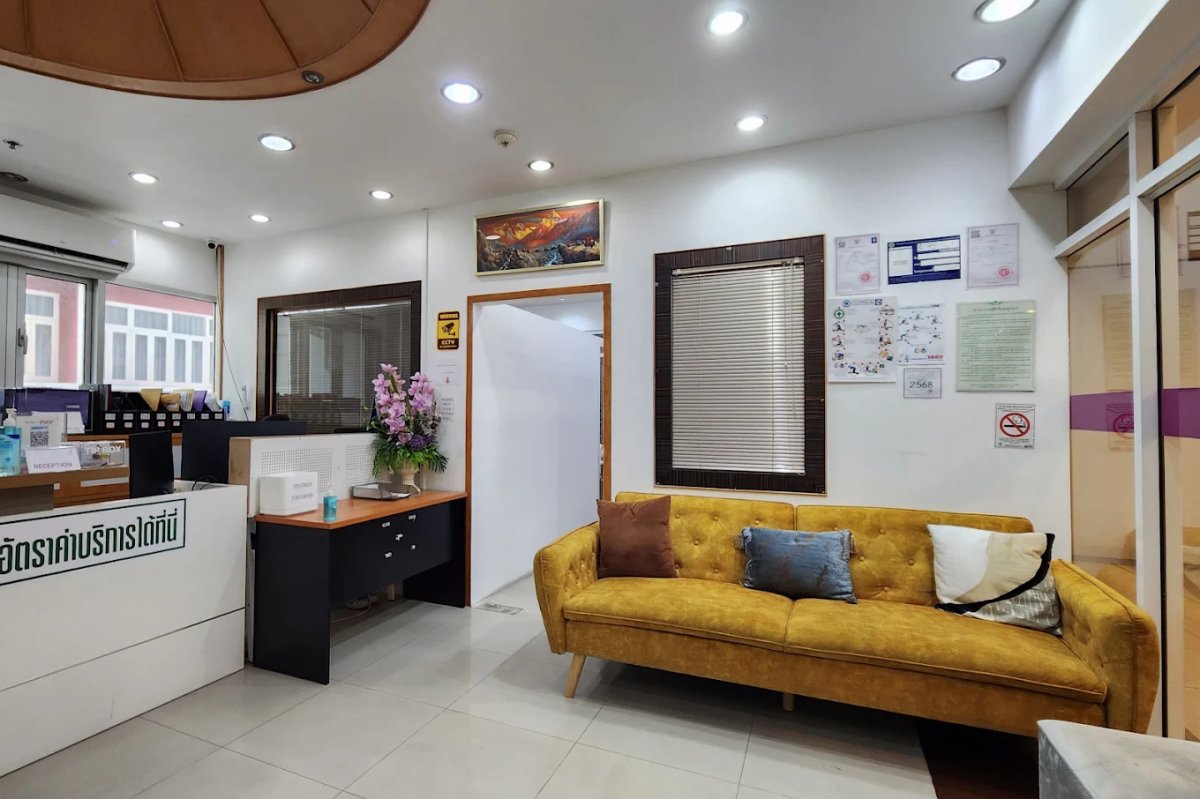
Clínica MedEx Neo (Asoke – Nana sucursal principal)



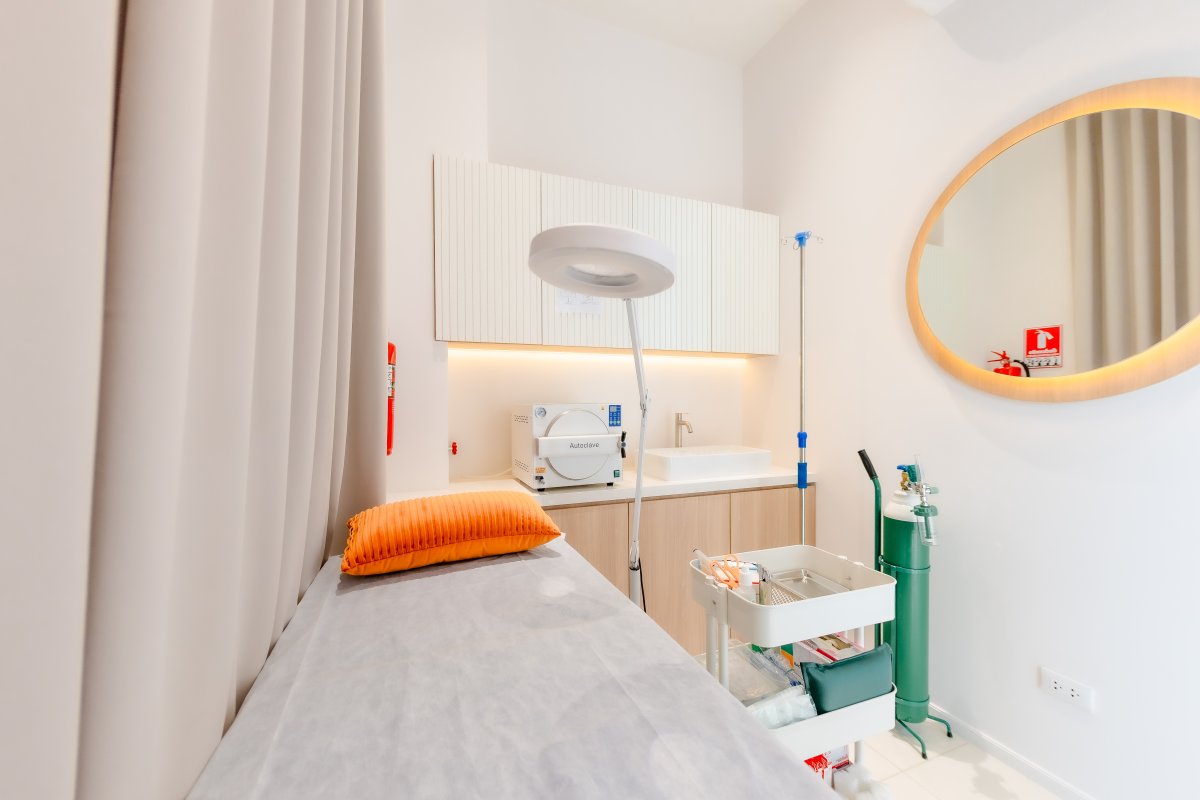
PrimeCare Bkk



Centro médico B.Care
Los mejores centros médicos de Diagnóstico en Tailandia
- Intrarat Hospital, Tailandia
- Clínica Menness Wellness, Tailandia
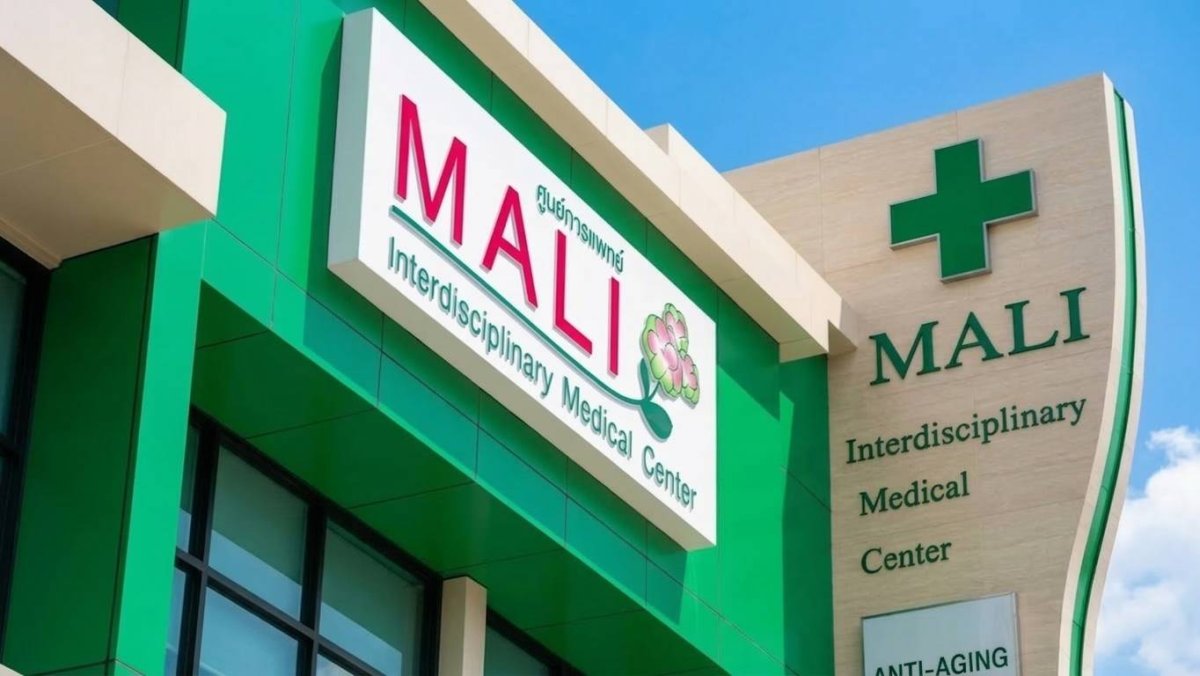
- Hospital interdisciplinario Mali, Tailandia
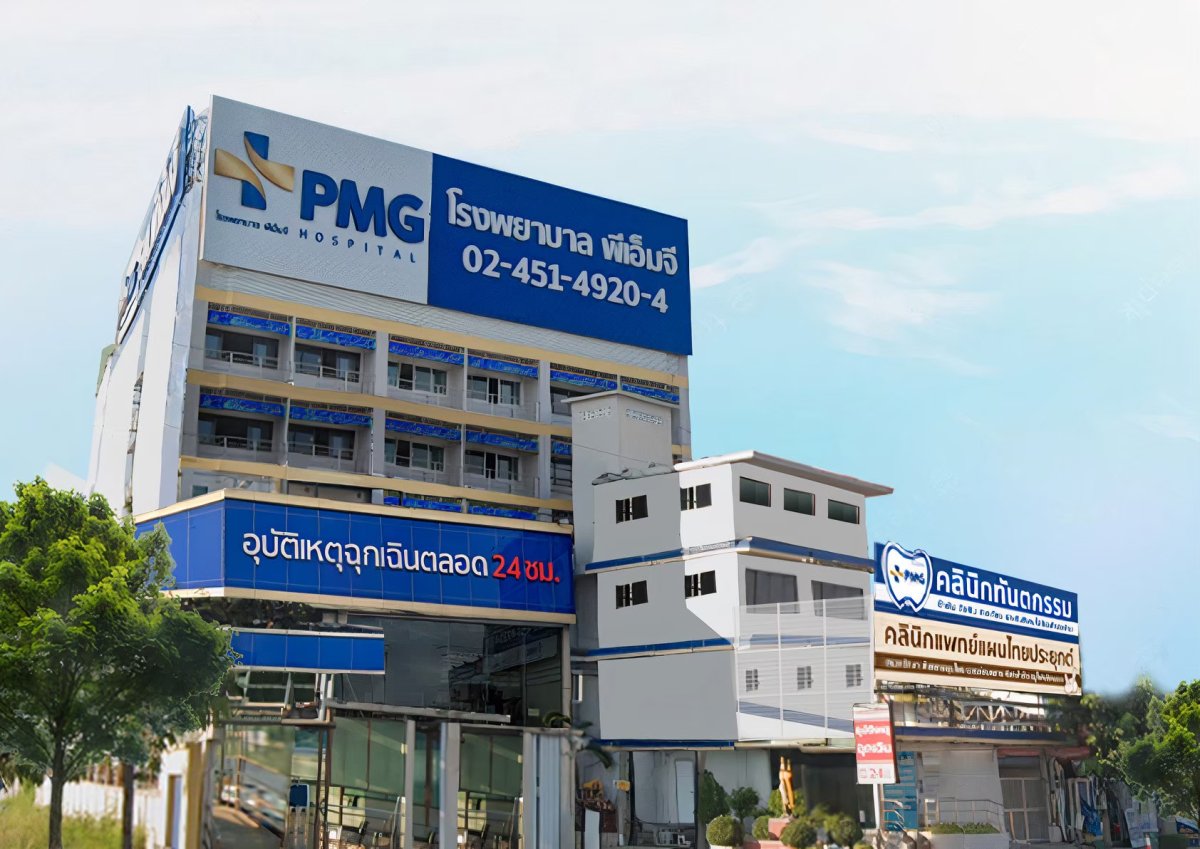
- PMG Hospital, Tailandia
- Panacee Hospital Rama2, Tailandia
- Clínica MedEx Neo (Asoke – Nana sucursal principal), Tailandia
- Asia Cosmetic Hospital, Tailandia
- PrimeCare Bkk, Tailandia
- Bumrungrad International Hospital, Tailandia
- Centro médico B.Care, Tailandia
Obtenga una evaluación médica de Diagnóstico en Tailandia: haga una consulta con 86 médicos experimentados ahora
Ver todos los médicos
Ohm Sudchumphae
El Dr. Ohm Sudchumphae combina la nutrición clínica y la medicina integrativa para diagnósticos precisos en el Hospital Panacee Rama2.
- Posee varios títulos de maestría en nutrición clínica y medicina integrativa
- Certificado en oncología integrativa y bienestar de la fertilidad
- Se especializa en análisis bioquímico y clínico
- Capacitado en gastroenterología funcional y alergias alimentarias pediátricas

Nawaporn Ungpraphakorn
Especialista en dermatología y dermatocirugía en el Hospital Intrarat con formación avanzada del Hospital Memorial King Chulalongkorn.
- Posee una Maestría en Dermatología Clínica de la Universidad de Thammasat
- Formación de subespecialidad (Fellowship) en dermatocirugía en un hospital tailandés líder
- Dermatólogo certificado con experiencia quirúrgica especializada

Songpoj Tanprasert
El Dr. Songpoj Tanprasert es especialista en Medicina Física y Rehabilitación (PM&R). Posee el título de médico (M.D.) y completó formación especializada en Medicina de Rehabilitación. Tiene amplia experiencia en rehabilitación tanto hospitalaria como ambulatoria.
Su experiencia incluye la rehabilitación tras accidente cerebrovascular, el dolor crónico, las lesiones deportivas y los trastornos de la columna. Elabora planes de rehabilitación individualizados y basados en la evidenci

Layim Cheecharoen
La Dra. Layim Cheecharoen es médica general en la clínica MedEx Neo en Bangkok. Se centra en el diagnóstico médico, la dermatología y la salud sexual. La Dra. Cheecharoen completó una formación a largo plazo en dermato-cirugía y farmacología en Tailandia. Posee habilidades especializadas en acupuntura y terapia de ventosas para el manejo del dolor.
- Especializada en el tratamiento de afecciones de la piel e infecciones de transmisión sexual (ITS).
- Realiza la interpretación d
Reseñas
Todas las reseñasCompartir contenido
Historias en video de pacientes de Bookimed
 Olena Sikoza
Preguntas frecuentes sobre Diagnóstico en Tailandia
¿Por qué Tailandia es un destino popular para el diagnóstico médico?
Tailandia es un centro mundial de primer nivel para el diagnóstico médico y la atención preventiva. Su popularidad se debe a su tecnología médica de alto nivel, a unos costes significativamente inferiores a los de las naciones occidentales y a un modelo de servicio de cinco estrellas. Los pacientes internacionales se benefician de un acceso rápido a pruebas de detección avanzadas en centros acreditados por la JCI.
- Rentabilidad: Los servicios de diagnóstico en Tailandia oscilan generalmente entre _price_from_ y _price_to_.
- Tecnología avanzada: Centros líderes como el Bumrungrad International Hospital utilizan IA e imágenes digitales.
- Centros acreditados: Más de 60 hospitales cuentan con la acreditación de la JCI, lo que garantiza rigurosas normas internacionales de seguridad.
- Programación rápida: Los hospitales privados ofrecen citas para el mismo día o el siguiente para exploraciones avanzadas de PET-TC o RM.
Opinión de los expertos de Bookimed: Los datos de Bookimed muestran que los centros de gran volumen, como el Hospital Intrarat, que atiende a 100.000 pacientes al año, mantienen más de 15 departamentos especializados. Esta escala permite a las clínicas proporcionar diagnósticos más precisos mediante consultas especializadas integradas que a menudo se completan en un solo día.
Consenso de los pacientes: Los p
¿Qué paquetes de diagnóstico están disponibles para pacientes internacionales?
Los pacientes internacionales en Tailandia pueden acceder a diversos paquetes de diagnóstico que van desde chequeos médicos básicos hasta chequeos ejecutivos especializados. Estos paquetes integrales suelen incluir análisis de sangre, diagnóstico por imagen y consultas. Centros como el Bumrungrad International Hospital y el Intrarat Hospital ofrecen evaluaciones especializadas para necesidades cardíacas, oncológicas y específicas de género.
- Paquetes ejecutivos: Chequeos corporales completos que a menudo se completan en un solo día para los viajeros.
- Chequeos específicos de género: Programas personalizados que incluyen chequeos para mujeres desde Precio a consultar o chequeos para hombres.
- Evaluaciones cardíacas: Evaluaciones especializadas centradas en la salud del corazón mediante ECG y pruebas de esfuerzo.
- Diagnóstico especializado: Opciones avanzadas de imagenología como resonancia magnética de una zona desde $500.
Opinión de expertos de Bookimed: Los datos sugieren una preferencia por centros de alto volumen como la MedEx Neo Clinic, que atiende a más de 112.000 pacientes al año. Estas instalaciones a menudo combinan el diagnóstico en la clínica con la telemedicina para una entrega más rápida de los resultados. Elegir clínicas con acreditaciones ISO o JCI, como el Panacee Hospital Rama 2, garantiza estándares de ca
¿Cómo debo prepararme para una cita de diagnóstico en Tailandia?
Prepárese para una cita de diagnóstico en Tailandia ayunando durante 8 a 12 horas antes de los análisis de sangre. Debe traer su pasaporte original para el registro en instalaciones acreditadas por la JCI, como el Bumrungrad International Hospital. La mayoría de los centros ofrecen servicios integrales donde los resultados están disponibles en un solo día.
- Preparación física: Ayune de todos los alimentos y bebidas, excepto agua, durante 8 a 12 horas.
- Documentación médica: Traiga una carpeta con los resultados de laboratorio anteriores y las listas de medicamentos actuales.
- Registro en la clínica: Llegue 30 minutos antes a los hospitales de Bangkok para completar el registro por primera vez.
- Requisitos de las pruebas: Use zapatos deportivos para las pruebas de esfuerzo y manténgase hidratado para las ecografías.
Perspectiva de expertos de Bookimed: Los centros médicos tailandeses como el Hospital Intrarat manejan volúmenes masivos, y algunos atienden a más de 100,000 pacientes al año. Esta alta eficiencia significa que a menudo utilizan aplicaciones patentadas para la entrega de resultados. Descargue la aplicación del hospital un día antes de su cita para realizar un seguimiento de sus diagnósticos en tiempo real.
Consenso de los pacientes: Los pacientes consideran que el proceso es muy rápido, pero sugieren traer
¿Puedo confiar en mis resultados de diagnóstico tailandeses para recibir tratamiento en otro lugar?
Los resultados de diagnóstico tailandeses son ampliamente aceptados a nivel internacional cuando son emitidos por instalaciones acreditadas por la JCI, como el Bumrungrad International Hospital. Estos centros utilizan laboratorios estandarizados por la ISO y proporcionan informes en inglés. La mayoría de los proveedores globales reconocen estos resultados para la planificación inicial del tratamiento. Sin embargo, los protocolos clínicos locales aún pueden requerir pruebas de confirmación.
- Estado de acreditación: La acreditación de la Joint Commission International (JCI) garantiza que los laboratorios cumplan con rigurosos estándares de seguridad globales.
- Requisitos de idioma: Los principales hospitales proporcionan informes médicos oficiales en inglés para simplificar los traslados internacionales.
- Estandarización: Las pruebas de laboratorio básicas, como la función tiroidea o hepática, utilizan métricas sincronizadas globalmente.
- Formatos de datos: Asegúrese de que los resultados de las imágenes utilicen formatos DICOM estándar para la compatibilidad con sistemas extranjeros.
Perspectiva del experto de Bookimed: Los centros de alto volumen como el Hospital Intrarat, que atiende a 100 000 pacientes al año, a menudo tienen procesos administrativos más ágiles para las solicitudes de registros internacionales. Esta eficiencia impulsada p
¿Necesito una visa especial para pruebas de diagnóstico?
Por lo general, no necesita una visa médica especial para pruebas de diagnóstico en Tailandia. La mayoría de los pacientes internacionales ingresan utilizando una exención de visa de turista estándar de 60 días o una visa a la llegada. Estos permisos cubren completamente las evaluaciones médicas a corto plazo, como tomografías PET-CT, endoscopias o chequeos médicos integrales.
- Requisitos de entrada: La mayoría de las nacionalidades utilizan la exención de visa de 60 días para exámenes de diagnóstico rápidos.
- Extensiones de estancia: Los pacientes pueden extender su estancia por 30 días en la oficina de inmigración local por 1,900 THB.
- Aceptación clínica: Centros como el Bumrungrad International Hospital tratan regularmente a pacientes con visas de turista estándar.
- Necesidades de documentación: Traiga una carta de referencia de su médico de cabecera para simplificar la facturación del hospital y el seguro.
Opinión de expertos de Bookimed: Los datos muestran que las clínicas con un alto volumen internacional, como el Bumrungrad International Hospital (que atiende al 50% de pacientes extranjeros), han simplificado el registro para turistas. Si sus diagnósticos conducen a una cirugía no planificada, estos grandes centros a menudo proporcionan la documentación necesaria para cambiar su estatus a una estancia médica formal sin salir del país
¿Cuáles son los hospitales o clínicas más recomendados en Tailandia para procedimientos de diagnóstico?
El Bumrungrad International Hospital y el Intrarat Hospital son centros de primer nivel para diagnósticos en Tailandia. Estos centros cuentan con acreditaciones JCI e ISO 9001:2015. Ofrecen imágenes avanzadas como PET/CT y exámenes asistidos por IA. La mayoría de los pacientes reciben resultados completos en un plazo de 72 horas en estas instituciones con sede en Bangkok.
- Bumrungrad International: Cuenta con un enorme centro de detección de salud que utiliza IA y tecnología robótica.
- Intrarat Hospital: Proporciona evaluaciones de diagnóstico rápidas en 15 departamentos con calidad certificada por ISO.
- Panacee Hospital Rama 2: Especializado en diagnósticos integrativos, incluidas pruebas genéticas y resonancia cuántica QRS.
- Costos de diagnóstico: Los chequeos completos en Tailandia generalmente oscilan entre _price_from_ y _price_to_.
Perspectiva de expertos de Bookimed: Los datos muestran que los centros de alto volumen como el Bumrungrad International Hospital, que atiende a más de 1.000.000 de pacientes al año, ofrecen una velocidad de diagnóstico superior. Aunque su prestigio es notable, las instalaciones más pequeñas certificadas por ISO, como el Intrarat Hospital, a menudo brindan el mismo tiempo de respuesta rápido de 1 a 3 días para exámenes básicos. Utilice hospitales más grandes para casos complejos de múltiples especialidades
¿Los médicos, enfermeros y el personal de apoyo hablan inglés durante todo el proceso de diagnóstico?
El personal médico de los principales hospitales privados tailandeses habla inglés con fluidez durante el proceso de diagnóstico. Los médicos a menudo se forman en los EE. UU. o el Reino Unido. Instalaciones como el Bumrungrad International Hospital atienden a más de 1.000.000 de pacientes al año. Priorizan al personal de habla inglesa para apoyar a su base de pacientes internacionales, que representa el 50%.
- Competencia médica: Muchos especialistas, como el Dr. Tarin Piangsuk, poseen certificaciones de juntas médicas con sede en EE. UU.
- Servicios de apoyo: Los centros acreditados por la JCI a menudo brindan servicios de interpretación médica las 24 horas para casos complejos.
- Personal de enfermería: Los enfermeros en los departamentos internacionales se comunican bien, pero pueden usar un inglés más sencillo.
- Registros médicos: Las clínicas de primer nivel proporcionan resúmenes de diagnóstico y resultados en inglés bajo petición.
Opinión de expertos de Bookimed: Los datos de clínicas como MedEx Neo Clinic, que atiende a 112.500 pacientes al año, muestran un cambio hacia la atención coordinada. Combinan diagnósticos presenciales con telemedicina en inglés. Esta configuración es útil porque permite a los pacientes revisar resultados complejos con un médico fluido antes de salir de casa.
Consenso de los pacientes:
¿Con qué rapidez recibiré mis resultados de diagnóstico?
Los resultados de diagnóstico en Tailandia son notablemente rápidos. La mayoría de los pacientes reciben los resultados de análisis de sangre de rutina y ecografías en un plazo de 1 a 4 horas. Los centros académicos y hospitales privados suelen proporcionar informes digitales o impresos completos antes de que usted abandone las instalaciones. Las imágenes avanzadas suelen tardar de 24 a 48 horas.
- Laboratorios de rutina: Los resultados del hemograma completo (CBC) suelen estar listos en 1 a 2 horas.
- Imágenes médicas: Los informes de ecografías y radiografías a menudo se finalizan en 2 a 3 horas.
- Escáneres complejos: La interpretación de resonancias magnéticas (MRI) y tomografías computarizadas (CT) generalmente requiere de 24 a 48 horas para su revisión.
- Chequeos preventivos: Los resultados completos de los exámenes suelen discutirse con los médicos el mismo día.
Perspectiva de expertos de Bookimed: Nuestros datos muestran que las clínicas con un alto volumen de pacientes, como el Hospital Intrarat o el Hospital Internacional Bumrungrad, utilizan laboratorios en el lugar para evitar retrasos en el envío. Esta configuración les permite procesar más de 100,000 diagnósticos al año. Los hospitales con más de 20 departamentos especializados a menudo proporcionan hallazgos preliminares en menos de 60 minutos. Esto es ideal para pacientes inter
¿Cómo debo prepararme antes de someterme a pruebas diagnósticas en Tailandia?
La preparación para pruebas diagnósticas en Tailandia requiere ayuno de 8 a 12 horas y evitar el alcohol durante 24 horas. Los pacientes deben llevar su pasaporte original para el registro en instalaciones como el Bumrungrad International Hospital. La mayoría de los centros requieren solo agua natural durante el período de ayuno para garantizar resultados precisos de sangre e imágenes.
- Requisitos de ayuno: Absténgase de alimentos y bebidas saborizadas durante 8 a 12 horas antes de análisis de sangre o escaneos.
- Documentación: Presente su pasaporte original. Algunas clínicas también pueden requerir copias o cartas de la embajada.
- Protocolo de medicación: Continúe con los medicamentos recetados para la presión arterial, pero informe al personal sobre todos los tratamientos crónicos actuales.
- Elección de ropa: Use ropa holgada con mangas fáciles de remangar. Empaque un suéter para las salas de examen frías.
- Restricciones de actividad: Evite la cafeína y el ejercicio intenso. Duerma de 6 a 8 horas para garantizar lecturas estables.
Perspectiva del experto de Bookimed: Los datos muestran que los centros de alto volumen como el Bumrungrad International Hospital, que atiende a 1.000.000 de pacientes al año, a menudo tienen aplicaciones patentadas para los resultados. El uso de estas herramientas digitales le ayuda a e
¿Qué categorías de paquetes de diagnóstico se ofrecen habitualmente a los pacientes internacionales?
Los paquetes de diagnóstico para pacientes internacionales en Tailandia suelen seguir una estructura escalonada basada en la edad, el género y la profundidad del cribado. La mayoría de las instalaciones ofrecen categorías básicas, avanzadas y ejecutivas que agrupan análisis de sangre, pruebas de imagen como ecografías o tomografías computarizadas (TC) y consultas con especialistas en visitas de uno o dos días.
- Paquetes básicos: Cribados esenciales para pacientes menores de 40 años, incluyendo hemogramas, IMC y radiografías de tórax.
- Paquetes avanzados: Dirigidos a pacientes mayores de 40 años con ecografía abdominal y pruebas de esfuerzo cardíaco añadidas.
- Paquetes ejecutivos: Opciones integrales que incluyen resonancia magnética de cuerpo completo, puntuación de calcio por TC y paneles extensos de marcadores cancerosos.
- Paneles especializados: Cribados específicos por género, como mamografías para mujeres o pruebas de antígeno prostático específico para hombres.
Perspectiva del experto de Bookimed: Los hospitales tailandeses como el Bumrungrad International Hospital gestionan más de 1 millón de pacientes al año, con un 50% de demografía internacional. Nuestros datos muestran que los centros de gran volumen suelen proporcionar los resultados en inglés el mismo día. Los pacientes pueden combinar eficazmente estos cribados rápidos con con