Boao International Medical Center
China, Qionghai


Revisado médicamente por
Fahad Mawlood
Los diagnósticos médicos en China suelen costar entre $5,200 y $7,400, lo que ofrece una alternativa muy asequible a la atención sanitaria occidental. Los precios de los servicios de diagnóstico dependen del nivel del hospital, la complejidad de la prueba y de si elige un procedimiento único o un paquete de chequeo integral. Los pacientes pueden esperar ahorros del 70-85% en comparación con los EE. UU.
Costos típicos de diagnóstico en China
Los principales centros médicos para diagnósticos incluyen Pekín, Shanghái y Cantón, donde se encuentran los hospitales de grado 3A de primer nivel. Aunque los precios están generalmente estandarizados, algunos centros regionales pueden ofrecer tarifas aún más bajas. Consulte con un especialista para obtener precios precisos para sus necesidades de diagnóstico específicas.
| China | España | Turquía | |
|---|---|---|---|
| Tratamiento del dolor crónico después de la cirugía de hernia | ≈ $2,500 | ≈ $2,400 | de $350 |
| Operación por recomendación del médico | ≈ $2,800 | ≈ $2,600 | de $2,200 |
| Laparoscopia diagnóstica | ≈ $4,800 | de $7,800 | de $4,400 |
Bookimed no añade cargos extra a los precios de los tratamientos de Diagnóstico. Las tarifas proceden de las listas de precios oficiales de las clínicas. Pagará directamente en la clínica por su tratamiento a su llegada al país.
Bookimed está comprometido con su seguridad. Solo trabajamos con las clínicas que mantienen altos estándares internacionales en el tratamiento de Diagnóstico y tienen las licencias necesarias para atender a pacientes internacionales en todo el mundo.
Bookimed ofrece asistencia experta gratuita. Un coordinador médico personal le apoya antes, durante y después del tratamiento, resolviendo cualquier problema. Nunca estará solo en su viaje médico de procedimientos de Diagnóstico.

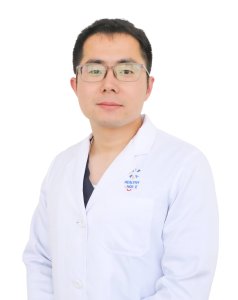
El Dr. Wang Shun es médico adjunto. Tiene un máster en Medicina por la Universidad Médica de Tianjin.
Ejerce la medicina general con un enfoque psicosomático basado en la evidencia. Proporciona manejo estandarizado y planes individualizados para enfermedades crónicas. Coordina derivaciones para casos complejos. También apoya la rehabilitación posoperatoria tras enfermedad grave o cirugía mayor. Su experiencia incluye ansiedad y depresión comórbidas y otros síndromes psicosomáticos. Hac

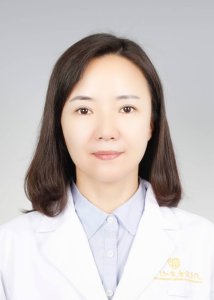
La profesora Liang Xiaoxiao es Directora del Departamento y Jefa de Servicio de Neurorrehabilitación. Cuenta con una maestría en neurología. Es experta en neuromodulación para trastornos de la conciencia, la cognición y el movimiento. Su labor se centra en casos de enfermedad cerebrovascular, enfermedad de Parkinson y afecciones relacionadas. También realiza inyecciones de toxina botulínica guiadas por ecografía para el blefaroespasmo, el espasmo hemifacial, la espasticidad de las extremidade
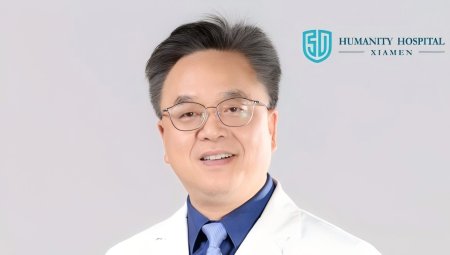
El profesor WANG Jun es director y profesor de Medicina de Familia y Geriatría, y un destacado experto en rehabilitación cardíaca y de la osteoporosis. Tiene una maestría en Medicina por la Primera Universidad Médica Militar. Está reconocido como líder médico provincial. Se formó con el Prof. Du Jian y trabajó anteriormente en el Hospital 174.
Se especializa en medicina geriátrica y en la atención integrada chino-occidental para trastornos cardiovasculares y respiratorios y condiciones
 Olena Sikoza
Los extranjeros pueden someterse a exámenes de diagnóstico en China sin restricciones legales. Los hospitales públicos y privados ofrecen análisis de sangre y pruebas de diagnóstico por imagen a visitantes y residentes extranjeros. Se requiere un pasaporte válido para registrarse. Los extranjeros suelen acudir a clínicas privadas o a los departamentos internacionales de hospitales especializados que ofrecen servicios en inglés.
Opinión de expertos de Bookimed: Los grandes hospitales, como el Hospital Internacional Janda, atienden a 2.500.000 pacientes al año. Este volumen de operaciones suele traducirse en diagnósticos más rápidos. Los centros especializados, como el Hospital Oncológico Fuda, ofrecen tecnologías únicas, como el NanoKnife. Los pacientes que requieren diagnósticos para afecciones específicas deberían priorizar los hos
En China, los resultados de las pruebas diagnósticas suelen estar disponibles en un plazo de 24 a 48 horas para exámenes médicos rutinarios y pruebas de imagen. En grandes ciudades como Pekín o Guangzhou, los resultados de análisis de sangre y ecografías suelen estar disponibles el mismo día. Las pruebas de patología especializadas o el análisis de marcadores genéticos generalmente requieren de 3 a 7 días para su procesamiento.
Opinión de expertos de Bookimed: Grandes instituciones médicas como el Hospital Internacional Janda atienden a 2.500.000 pacientes al año. Esta magnitud obliga a las clínicas a automatizar los procesos de diagnóstico. Para los pacientes internacionales, elegir centros acreditados por la JCI, como el Hospital Oncológico F
En China, los informes médicos se emiten principalmente en chino. Las principales instituciones médicas, como el Hospital Internacional de Yanda y el Hospital Oncológico de Fuda, suelen proporcionar informes en inglés a los pacientes internacionales. Los pacientes deben solicitar una versión en inglés al registrarse. Los informes de diagnóstico estándar en los hospitales públicos generalmente requieren traducción profesional.
Opinión de expertos de Bookimed: En China, el elevado volumen de pacientes afecta la rapidez de los trámites administrativos. Instituciones como el Hospital Internacional Yanda atienden a 2.500.000 pacientes al año. Debido a este gran volumen de información, los resúmenes en inglés suelen ser breves. Si necesita información más detallada en inglés, elija clínicas con men
La programación de exámenes médicos en China depende del tipo de centro médico y de la complejidad del examen. Los grandes hospitales públicos suelen aceptar pacientes sin cita previa para diagnósticos rutinarios si llegan temprano. Las clínicas privadas y los centros especializados, como el Hospital Oncológico Fuda, generalmente requieren cita previa para garantizar la disponibilidad de especialistas y equipos.
Según los expertos de Bookimed: Los datos del Hospital Internacional Yanda muestran que atiende a 2.500.000 pacientes al año. Las grandes instituciones con un volumen tan elevado de pacientes suelen utilizar sistemas de reserva digitales como WeChat. Usar estas plataformas o contar con un coordinador puede ayudarle a evitar largas colas para reg
En China, las pruebas diagnósticas suelen requerir el pago completo por adelantado antes de recibir el servicio. La mayoría de los hospitales y centros especializados, como el Hospital Oncológico Fuda o el Hospital Internacional Yanda, aceptan pagos mediante aplicaciones móviles o tarjetas de crédito. Los pacientes internacionales a menudo pagan los servicios de su propio bolsillo, ya que se requiere una autorización previa para la cobertura del seguro en el extranjero.
Opinión de los expertos de Bookimed: Los datos muestran que las clínicas de Clase A III, el nivel más alto en China, atienden a un gran volumen de pacientes, hasta
China alberga centros de diagnóstico líderes para casos complejos, especialmente en Pekín, Shanghái y Guangzhou. Instituciones de primer nivel como el Hospital Internacional Yanda y el Hospital Oncológico Fuda cuentan con la acreditación JCI. Estos centros utilizan más de 28 500 tecnologías de diagnóstico. Centros especializados como el Hospital Dr. Eber se especializan en neuroimagen.
Opinión de expertos de Bookimed: Los grandes hospitales públicos, como el Hospital Internacional Janda, atienden a aproximadamente 2.500.000 personas al año. Esta magnitud les permite invertir en tecnologías de diagnóstico avanzadas. Por ejemplo, el Hospital Janda utiliza más de 28.500 tecnologías modernas diferentes. Los pacientes que buscan pruebas de detección de enfermedades raras deberían optar por estos centros de Cl