Ir a inicio

Cómo funciona

Hemos transformado el proceso de búsqueda de clínicas, haciéndolo simple, rápido y personalizado.
Responda algunas preguntasComplete un breve formulario para contarnos sobre su estado de salud y necesidades médicas.
Obtenga ofertas personalizadas3 clínicas seleccionadas especialmente según sus respuestas le proporcionan planes de tratamiento personalizados y presupuestos.
Elija la mejor opciónCompare ofertas y elija la clínica que más le convenga.
También puede consultar las 14 clínicas a continuación.
820К+ pacientes han recibido asistencia desde 2014
50 países
1,500 clínicas
6K+ reseñas
3K+ médicos calificados

¿Cuál es el precio del diagnóstico y los tratamientos de Paradontosis en Tailandia? Descubra ahora

El costo del tratamiento de la paradontosis en Tailandia varía según los procedimientos y servicios involucrados. Los tratamientos como los implantes All-on-4 suelen oscilar entre 8.500 € y 10.400 €. Estos procedimientos a menudo incluyen consultas, extracciones y la colocación de implantes, pero pueden aplicarse costos adicionales por medicamentos, materiales o prótesis híbridas. Otros factores como el alojamiento y la asistencia de transporte también pueden influir en el costo total.

TailandiaEspañaTurquía
Membrana de colágenode $500 / 18,500฿de $1,000 / 37,000฿de $300 / 11,100฿
Datos verificados por Bookimed a partir de July 2026, basados en solicitudes de pacientes y cotizaciones oficiales de 166 clínicas en todo el mundo. Los costos medianos se basan en facturas reales (2025–2026) y se actualizan mensualmente. Los precios reales pueden variar.

Descubra las mejores clínicas de tratamiento de Paradontosis en Tailandia: 14 opciones verificadas y Precios

El ranking de clínicas de Bookimed se basa en algoritmos de data science, ofreciendo una comparación confiable, transparente y objetiva. Tiene en cuenta la demanda de pacientes, las puntuaciones de reseñas (positivas y negativas), la frecuencia de actualización de opciones de tratamiento y precios, la rapidez de respuesta y las certificaciones de las clínicas.
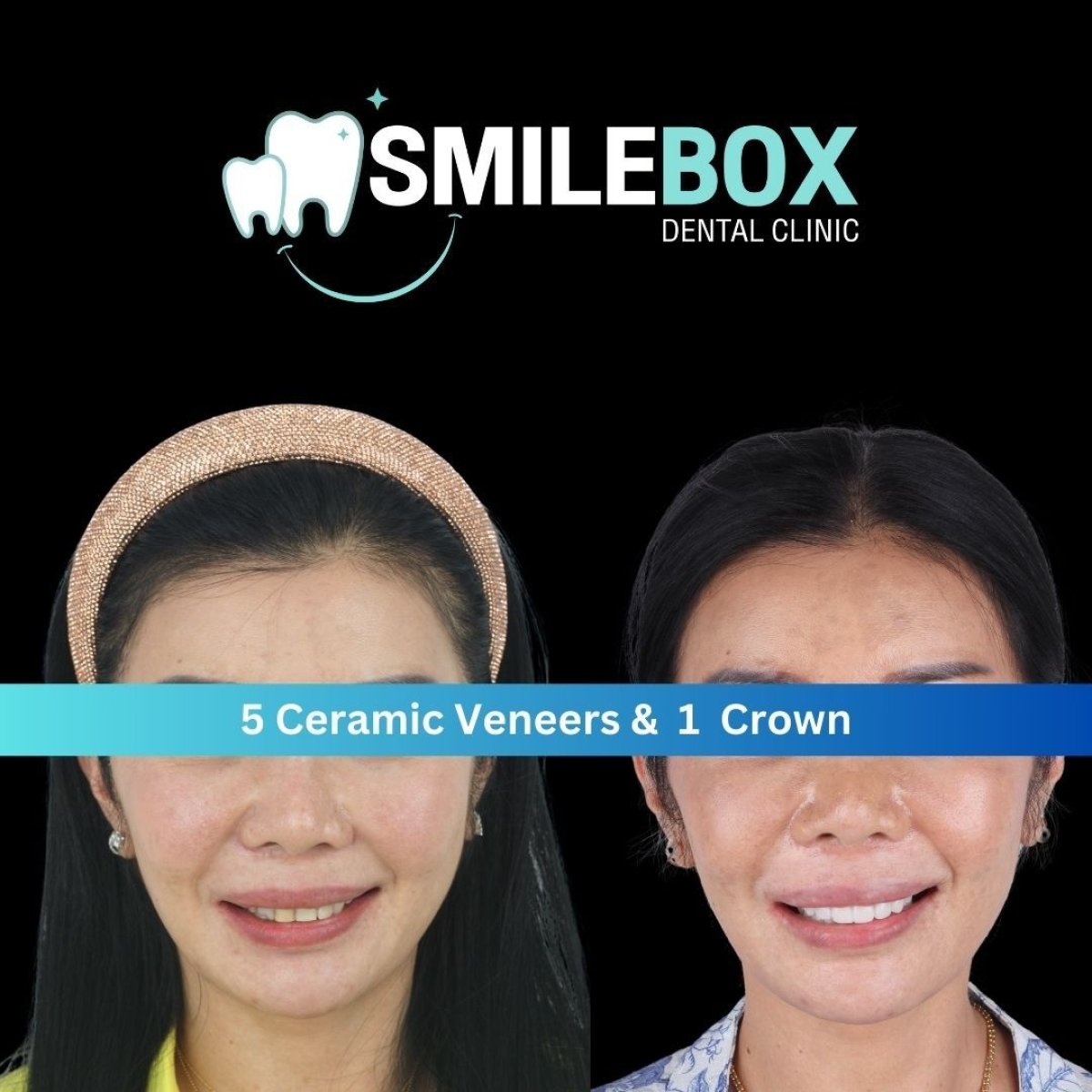
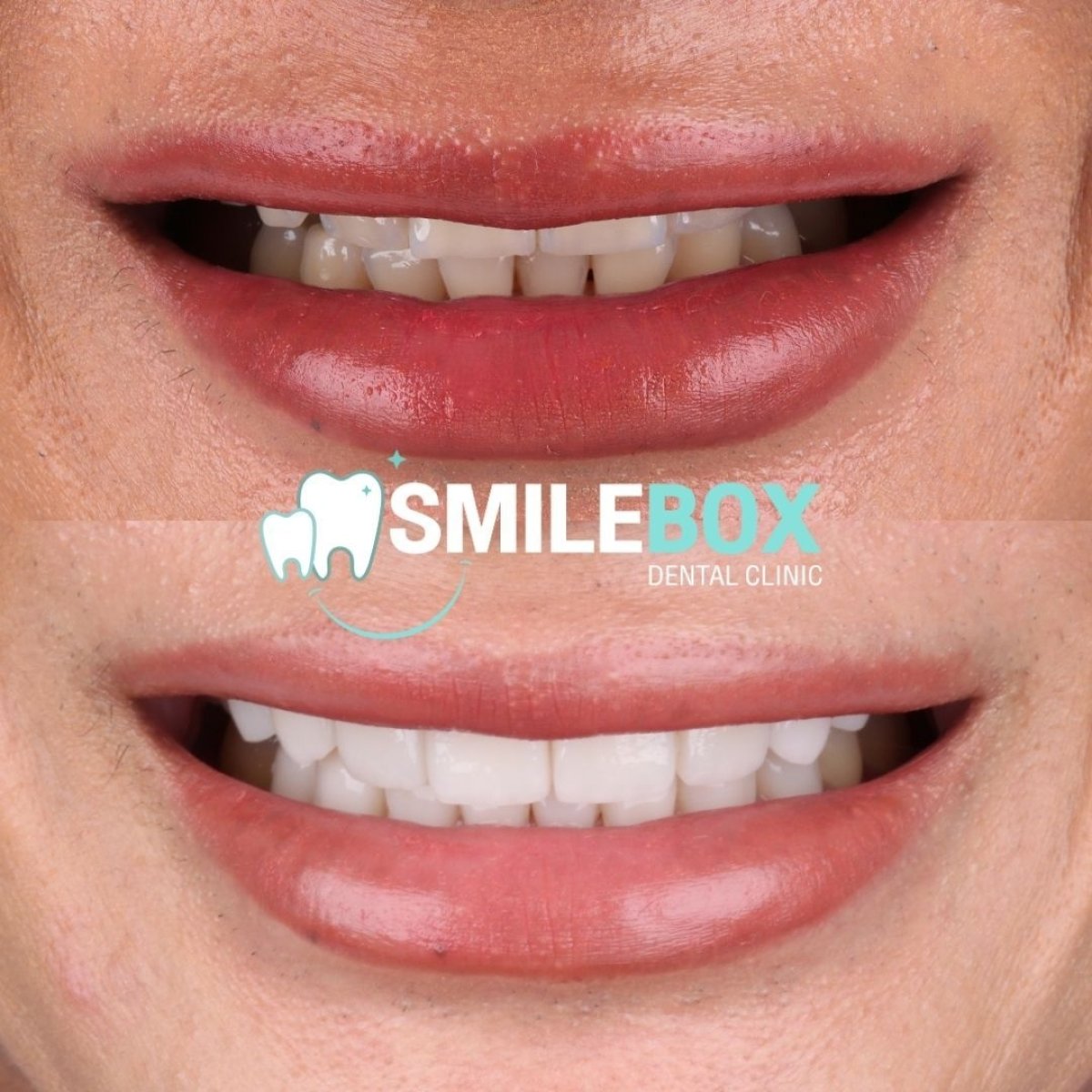
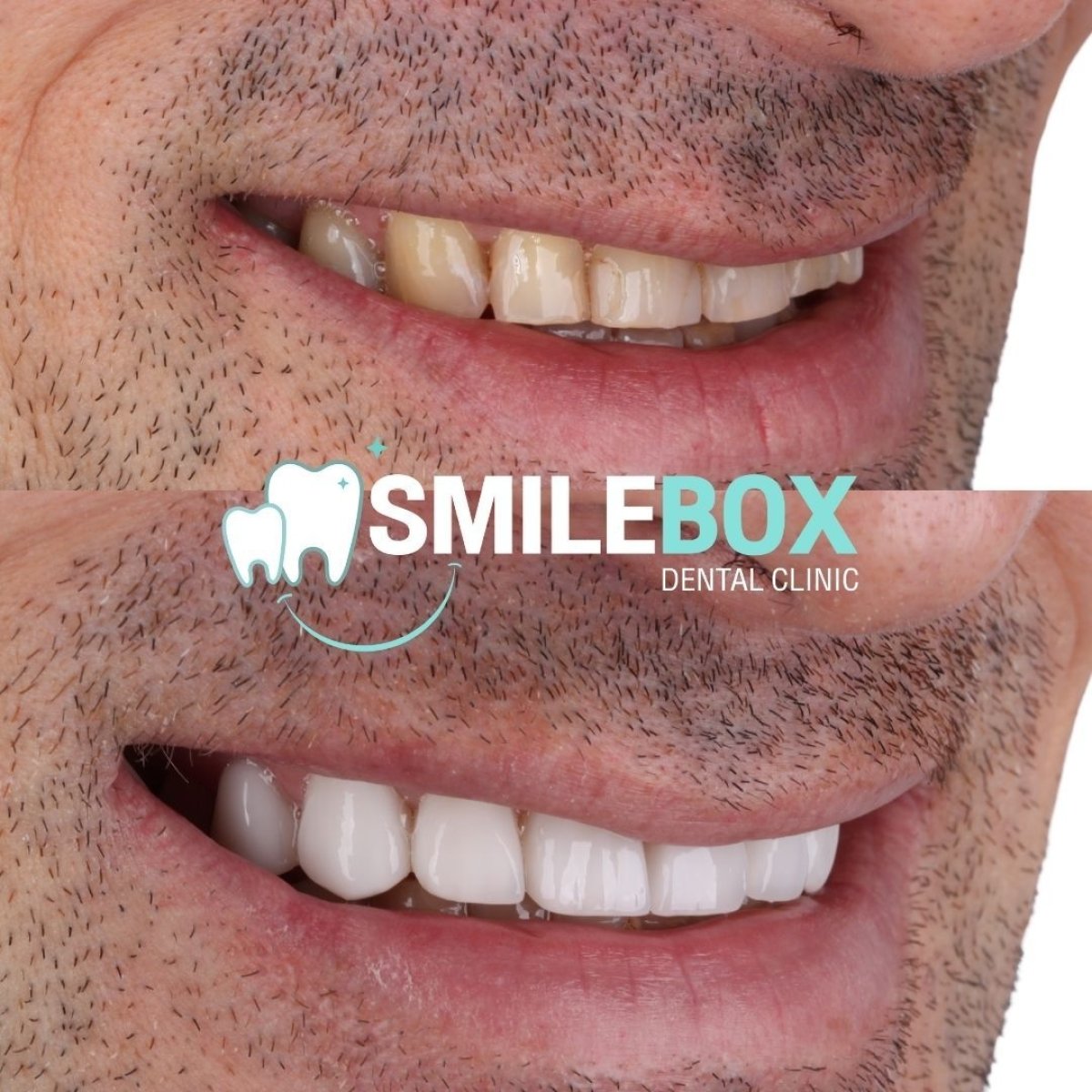
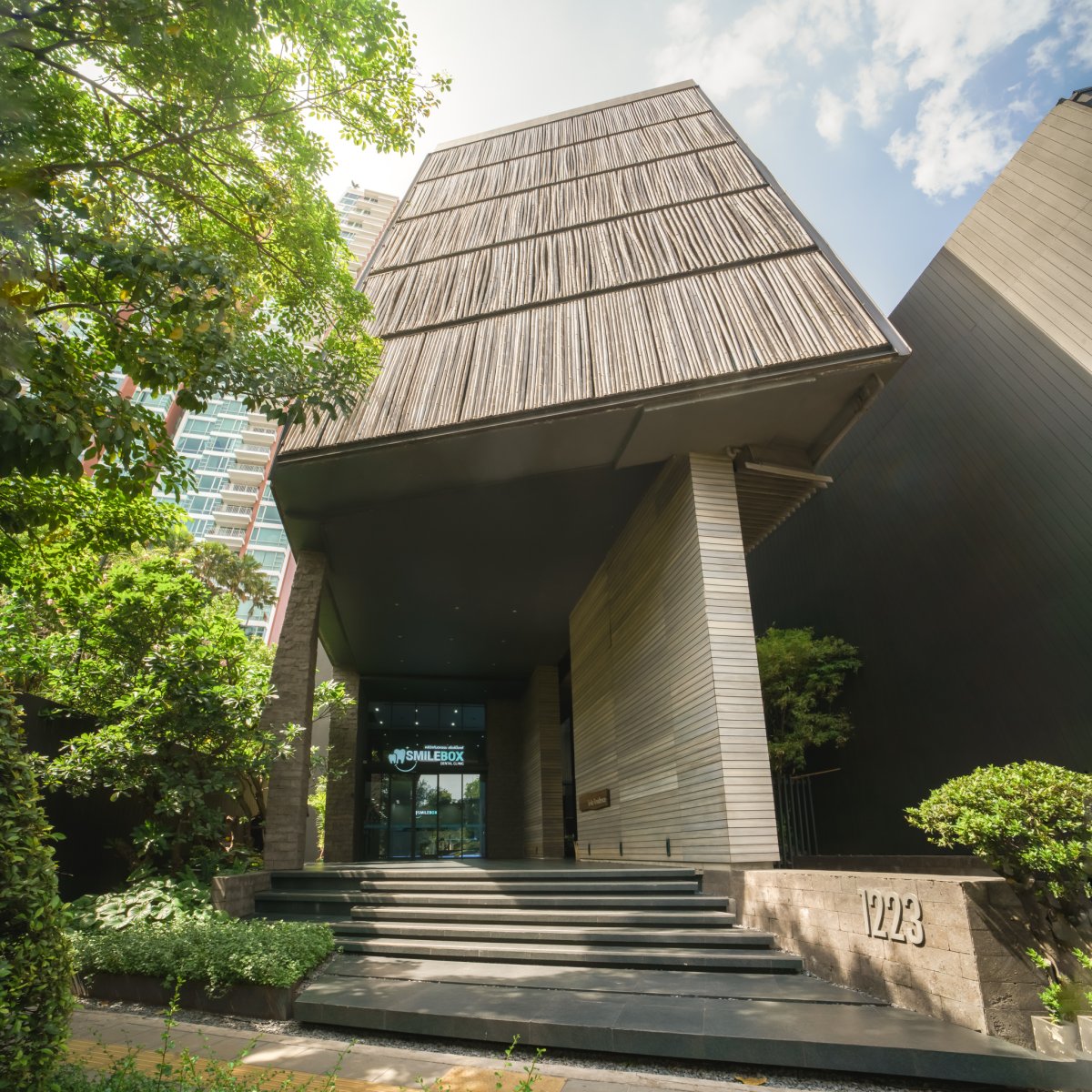
Clínica Dental SmileBox - Thonglor, Sukhumvit Branch
4.9
Precio a consultar
Más información
Intrarat Hospital
4.58 reseñas
Precio a consultar
Más información
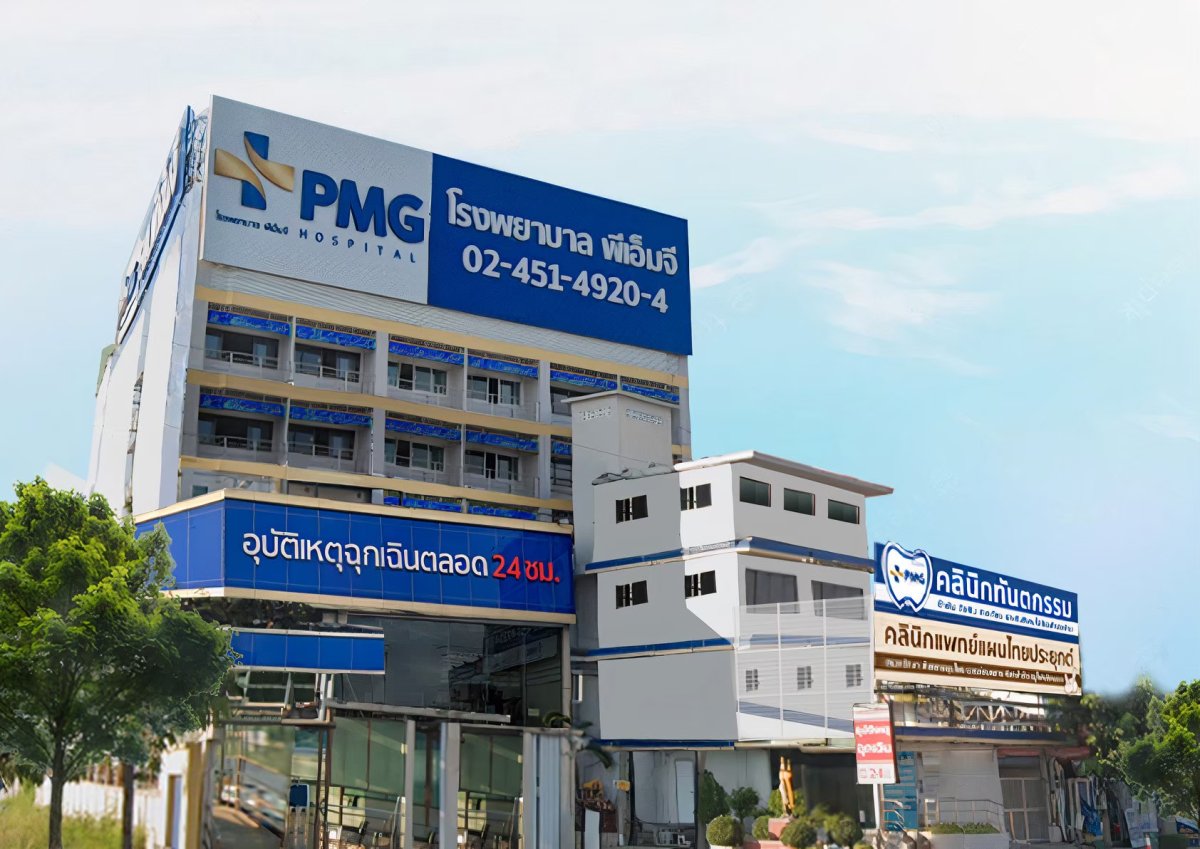
Hospital PMG
4.65 reseñas
Precio a consultar
Más información
Bangkok International Dental Center
5.07 reseñas
Precio a consultar
Más información
Clínica Dental Kitcha
Ha visto 5 de 14 clínicas

Obtenga una evaluación médica de tratamiento de Paradontosis en Tailandia: haga una consulta con 52 médicos experimentados ahora

Ver todos los médicos
verificado

Palawat Laoharungpisit

33 años de experiencia

El Dr. Palawat combina la precisión de su formación suiza en odontología de implantes estéticos con una experiencia avanzada en prostodoncia en SmileBox Dental Clinic.

  • Doctorado en Ciencias Dentales por la Universidad Mahidol
  • Especialización en prótesis maxilofacial
  • Miembro de la Asociación Dental Tailandesa y de la Asociación de Prostodoncia
  • Formado en técnicas de implantes de Nobel Biocare
  • Instructor en el departamento de Odontología Protésica de la Universidad Prasarnmit
verificado

Siriporn Lramaneerat

36 años de experiencia

Especialista en periodoncia con formación en instituciones de primer nivel, incluidas la Universidad de Chulalongkorn y la East London School of Dentistry.

  • Graduado con honores de segunda clase en Odontología
  • Poseer una maestría de la East London School of Dentistry
  • Ejercer en el Hospital Intrarat
verificado

Kanokporn Lramaneerat

28 años de experiencia

La Dra. Kanokporn Lramaneerat se especializa en tratamientos de ortodoncia para anomalías dentales en el Hospital Intrarat.

  • Graduada con honores de la Universidad de Chulalongkorn
  • Doctorado en Ortodoncia por la Universidad Médica y Dental de Tokio
  • Experta en el tratamiento de dientes torcidos y problemas de mordida
verificado

Napapas Nidhidvanich

31 años de experiencia

La Dra. Napapas Nidhidvanich se especializa en problemas dentales complejos, centrándose en la pulpa dental y los tejidos profundos en el Hospital Intrarat.

  • Graduarse con honores en Cirugía Dental en la Universidad Chulalongkorn
  • Poseer una Maestría en Endodoncia de la misma prestigiosa universidad
  • Estar certificada por la Junta Tailandesa de Endodoncia
  • Centrarse en la preservación de los dientes naturales mediante tratamientos endodónticos avanzados

Compartir contenido

Historias en video de pacientes de Bookimed

Dayana
Combiné mis vacaciones en Antalya con un chequeo médico.
Procedimiento: Chequeo femenino
Igor
¡Fue genial! Traslados, alojamiento, tratamiento, todo incluido.
Procedimiento: Implante dental
Clínica: WestDent Clinic
Marina
Bookimed se encargó de todo. No tuve que preocuparme por nada.
Procedimiento: Chequeo femenino
Actualizado: 02/27/2026
Escrito por
Olena Sikoza
Olena Sikoza
Сopywriter en español
Copywriter médica certificada responsable del contenido en español de Bookimed. Más de 7 años de experiencia en redacción sobre salud y turismo médico, con formación académica en edición científica y desarrollo de contenidos.
Fahad Mawlood
Editor médico y Científico de datos
Médico general. Ganador de 4 premios científicos. Sirvió en Asia Occidental. Es el ex jefe del equipo médico que soporta a pacientes de habla árabe. Ahora es responsable del procesamiento de datos y la precisión del contenido médico.
Fahad Mawlood Linkedin
Esta página puede incluir información relacionada con diversas afecciones médicas, tratamientos y servicios de salud disponibles en diferentes países. Tenga en cuenta que el contenido se proporciona sólo con fines informativos y no debe interpretarse como asesoramiento médico o orientación. Por favor consulte con su médico o con un profesional médico calificado antes de comenzar o cambiar el tratamiento médico.

Preguntas frecuentes sobre el tratamiento de Paradontosis en Tailandia

Estas preguntas frecuentes provienen de pacientes reales que buscan atención médica a través de Bookimed. Las respuestas son proporcionadas por coordinadores médicos experimentados y representantes autorizados de las clínicas.

Is periodontal (gum) treatment in Thailand safe and up to international standards?

Periodontal treatment in Thailand is safe and follows global quality benchmarks. Major dental centers hold JCI and ISO certifications for infection control. Many Thai gum specialists receive advanced training in the USA or Europe. Facilities utilize 3D imaging for precise diagnosis and laser technology for surgery.

  • Clinic certifications: Facilities like Bangkok International Dental Center (BIDC) hold JCI dental accreditation.
  • Specialist training: Periodontists often hold certifications from prestigious medical boards in Western countries.
  • Advanced diagnostics: Clinics use 3D Cone Beam Computed Tomography for accurate bone assessment.
  • Hygiene standards: Major centers follow strict four-step sterilization and use FDA-approved clinical materials.
  • Surgical technology: Laser-assisted procedures provide minimally invasive options for sensitive gum treatments.

Bookimed Expert Insight: Thailand leads in dental quality because its top clinics operate within multidisciplinary hospitals. Centers like Bumrungrad International Hospital integrate dentistry with full medical support. This setup ensures immediate care for patients with health conditions affecting gum healing. This hospital-based model often exceeds the safety protocols of standalone dental offices.

Patient Consensus: Patients note the clinics feel cleaner and more modern than many Western offices. They frequently praise doctors for explaining every step and providing clear follow-up care instructions.

What modern techniques do Thai periodontists use for gum disease and bone loss?

Thai periodontists treat gum disease using laser therapy and guided tissue regeneration. These specialists utilize platelet-rich plasma to accelerate bone growth. They also offer the pinhole technique for recession without scalpels. These advanced methods preserve healthy tissue and shorten recovery times.

  • Bone regeneration: Guided tissue regeneration uses membranes to block gum interference with bone.
  • Growth factors: Platelet-rich fibrin promotes faster healing by using the patient's own blood.
  • Laser dentistry: LANAP technology targets bacteria in deep pockets and stimulates tissue reattachment.
  • Subgingival cleaning: Perioflow systems remove harmful biofilm from periodontal pockets up to 10mm deep.

Bookimed Expert Insight: Leading dental centers in Bangkok often combine PRGF with xenograft materials for faster results. Clinics like Bangkok International Dental Center provide specialized periodontists with over 15 years experience. This high volume of specialized cases ensures expertise in complex regenerative procedures.

Patient Consensus: Patients note that using lasers makes deep cleaning much more comfortable during treatment. Many express relief at avoiding traditional stitches when clinics use the pinhole method.

How long must I stay in Thailand for complete periodontal therapy?

Complete periodontal therapy in Thailand requires a stay of 4 to 14 days. Non-surgical treatments like deep scaling usually take 3 to 5 days. Complex surgical cases or bone grafts require 10 to 14 days. This allows for initial healing and follow-up monitoring.

  • Non-surgical care: Scaling and root planing often need 3 to 5 days.
  • Surgical therapy: Flap surgery or gum grafts require 7 to 10 days.
  • Advanced restoration: Management involving implants may extend the stay to 14 days.
  • Follow-up visits: Surgeons perform check-ups within 7 days to monitor tissue healing.

Bookimed Expert Insight: Many patients underestimate the wait period between phases. While scaling takes under a week, complex cases may require a second visit. Some Thai clinics recommend 4 to 8 weeks of healing before starting restorative surgery. This ensures the gums are healthy enough to support long-term implants.

Patient Consensus: Patients note that scheduling appointments close together helps maximize their travel time. They often suggest arriving two days early for initial x-rays and consultations.

Am I a good candidate for periodontal treatment as a medical tourist?

Good candidates for periodontal treatment in Thailand include those needing non-surgical scaling or root planing. Effective candidacy requires staying for several weeks to allow proper healing. You must have a local dentist willing to provide maintenance every 3 to 4 months.

  • Procedure scope: Best for deep cleaning or minor gum therapy with minimal follow-up needs.
  • Health status: Candidates should have controlled glucose levels to ensure predictable tissue healing.
  • Trip duration: A 4 to 6 week stay allows for vital post-treatment re-evaluation.
  • Dental records: Specialists require clear diagnosis and staging before scheduling complex surgical work.

Bookimed Expert Insight: Our data shows most patients choose Bangkok or Phuket for their specialized clinics. These facilities often feature JCI accreditation and Western-trained periodontists for complex cases. Selecting a clinic in a major hub ensures access to laboratory-grade sterilization protocols.

Patient Consensus: Patients emphasize that coordinating with a home dentist is vital for long-term results. They note that the process feels safer when the clinic provides detailed digital records.

What is the expected recovery and after-care plan once I fly home?

Recovery after parodontosis treatment in Thailand involves a strict oral hygiene protocol. Healing starts immediately and stabilizes within two weeks. Patients must transition care to local dentists once home. Standard aftercare focuses on infection prevention and supporting tissue regeneration through professional cleanings and specialized home care.

  • Wound monitoring: Check gums for spreading redness or unusual swelling daily.
  • Activity level: Resume gentle movement immediately to support blood flow and healing.
  • Records transfer: Provide your local dentist with the Thai clinic's discharge summary.
  • Oral hygiene: Use antiseptic rinses and soft-bristled brushes as surgeons originally instructed.

Bookimed Expert Insight: Our data shows that Thai dental clinics often provide comprehensive digital X-rays. These records are vital for your local dentist to track bone density changes. Always request these digital files on a USB before your flight home. This prevents diagnostic gaps during your first follow-up appointment in your home country.

Patient Consensus: Patients note it is important to stay hydrated after the long flight. They frequently mention that keeping a recovery zone with pre-prepped soft foods makes the first few days home much easier.

Which Thai destinations and hospitals are best known internationally for periodontal care?

Bangkok, Phuket, and Chiang Mai are the primary hubs for professional periodontal care in Thailand. These cities host JCI-accredited facilities and specialized dental hospitals. International patients frequent these destinations for advanced gum surgery. Specialists here often hold Western credentials and international certifications.

  • Bangkok destinations: This capital city features the highest density of specialized periodontists.
  • Phuket facilities: Centers like Phuket Dental Signature combine treatment with proximity to beach resorts.
  • Chiang Mai options: This northern hub offers a relaxed environment for long-term gum treatments.
  • Hospital standards: Top centers utilize 3D CT scans for precise periodontal surgery planning.

Bookimed Expert Insight: While Bangkok dominates in volume, Phuket serves a specific clinical pattern. Many patients book periodontal surgery there as a prerequisite for cosmetic work. Facilities in Phuket often specialize in these multidisciplinary cases. This makes it ideal for complex rehabilitation rather than just isolated gum care.

Patient Consensus: Patients often note that clinics in Phuket and Bangkok provide exceptionally clear communication. They appreciate the detailed digital imaging used during their initial gum health assessments.

What complications can occur and how are they handled for overseas patients?

Thai dental centers manage periodontosis complications like infection or swelling through strict sterilization and antibiotic protocols. Surgeons specialize in laser treatments and deep scaling to minimize tissue trauma. International patients receive detailed recovery plans and emergency contact points to ensure safe travel after treatment.

  • Infection control: Clinics use JCI-accredited sterilization and ISO-certified labs to prevent bacterial contamination.
  • Travel safety: Specialists provide fit-to-fly certificates only after confirming healthy gum tissue healing.
  • Communication tools: Staff use medical translation services to ensure patients understand post-operative medication.
  • Revision protocols: Facilities offer corrective care or follow-up coordination if gum sensitivity persists.

Bookimed Expert Insight: Thai dental clinics often serve over 10,000 international patients annually. Their protocols are built for high volume and rapid recovery. We noticed top doctors often suggest a three-day observation period before flying. This minimizes pressure-related pain in sensitive gum tissues after deep cleaning. Choosing clinics with long-stay packages often ensures better stabilization before departure.

Patient Consensus: Patients note they feel safer when doctors explain the healing process clearly. Many suggest staying near the clinic for a few days to check for any initial gum sensitivity.

Do I need to see a specialised periodontist for paradontosis treatment in Thailand?

A specialised periodontist in Thailand is essential for treating advanced gum disease like paradontosis. These specialists handle complex cases involving bone loss and inflammation. Leading Bangkok centres provide internationally trained periodontists. They use procedures like collagen membrane therapy to restore gum health.

  • Periodontal expertise: Specialists like Dr Teerawit Chotipanich hold diplomas in periodontology.
  • Clinical standards: Major clinics like Bangkok International Dental Center maintain JCI and ISO certifications.
  • Specialised procedures: Specialists manage deep root planing, pocket reduction, and gum grafting.
  • AU-relevant care: Many top-tier clinics in Bangkok and Phuket specifically serve Australian patients.

Bookimed Expert Insight: General dentists treat minor issues, but paradontosis requires specialists. Data shows clinics like Bangkok International Dental Center and BIDH Dental Hospital employ surgeons. These doctors often have US or Swiss training. This expertise is vital for complex treatments like collagen membrane placement. These procedures may cost around A$700 to A$1,400. Choosing a dedicated dental hospital ensures access to specialist teams and surgical standards.

Patient Consensus: Patients note that anything beyond a routine cleaning in Thailand needs a specialist. They suggest checking for periodontal charting and clear plans for long-term gum maintenance.

Can my teeth be saved if I have paradontosis and seek treatment in Thailand?

Teeth can often be saved in Thailand through specialised periodontal treatments if bone loss is not extreme. Experts use collagen membranes and deep scaling to stabilise gums. Clinics in Bangkok and Chiang Mai provide hospital-level care to halt disease and preserve natural dental structures.

  • Periodontal specialisation: Dr Teerawit Chotipanich at Bangkok International Dental Center holds specific postgraduate qualifications in periodontology.
  • Effective stabilisation: Specialists use collagen membranes to encourage tissue regeneration and support loose teeth.
  • Clinical volume: Major centres such as Intrarat Hospital serve 100,000 patients annually across specialised dental departments.
  • International standards: Facilities like Bangkok Smile Dental Clinic maintain JCI accreditation for patient safety.

Bookimed Expert Insight: Many general clinics offer gum cleaning. However, Thai dental hospitals like BIDH provide higher safety with hospital-grade sterilisation. Data shows these centres manage 10,000+ patients annually. This makes them better suited for complex cases where infection control is vital for saving teeth.

Patient Consensus: Patients note that saving teeth depends on early staging and bone health. Many emphasise that while Thai specialists can stabilise gum disease, regular maintenance is essential. Realistic expectations about bone regrowth are also vital for long-term success.

What advanced treatments for paradontosis are available in Thai dental clinics?

Thai dental clinics provide periodontosis treatments like laser therapy, collagen membrane regeneration, and specialised bone grafting. JCI-accredited centres in Bangkok and Chiang Mai use these techniques to restore gum health. They also help prevent tooth loss. Specialist periodontists often combine these with minimally invasive flap surgery.

  • Regenerative techniques: Clinics use collagen membranes to promote natural bone and tissue regrowth.
  • Deep disinfection: Laser therapy removes diseased tissue and bacteria with minimal bleeding.
  • Bone grafting: Surgeons rebuild lost jawbone structure to support natural teeth or implants.
  • Specialist expertise: Dr Teerawit Chotipanich at BIDC holds diplomas in clinical periodontology.

Bookimed Expert Insight: Thailand is a global hub for dentistry, serving over 7,000 international patients through Bookimed. Leading centres like Bangkok International Dental Center (BIDC) are official Straumann providers. This means patients receive materials that match Australian dental standards for long-term reliability.

Patient Consensus: Patients note it is important to confirm a periodontist is on-site in Thailand. They highlight that getting a written treatment plan helps manage follow-up care. Through these steps, many successfully coordinate their recovery with their Australian GP.

What is the standard approach for treating paradontosis in Thailand?

Thai clinics treat paradontosis using international protocols focused on deep cleaning and tissue regeneration. Standard care includes scaling and root planing to remove sub-gingival bacteria. Specialists like Dr Teerawit Chotipanich perform periodontal surgery. They use collagen membranes to regrow lost bone and soft tissue.

  • Surgical procedures: Experts perform flap surgery or gingivectomies to clean deep pockets.
  • Regenerative techniques: Clinics use collagen membranes to rebuild bone lost to infection.
  • Qualified specialists: Many periodontists hold international credentials from the US or Europe.
  • Hospital standards: Facilities like Bangkok International Dental Center (BIDC) maintain JCI accreditation.

Bookimed Expert Insight: Thailand is home to 154 dental clinics and ranks 2nd globally for dental requests. This high volume means specialists often handle more complex gum disease cases. They see more of these than most general dentists in Australia. For example, BIDC treats over 20,000 international patients annually. This massive experience leads to refined surgical techniques for bone grafting.

What are the common risk factors for periodontal disease?

Periodontal disease risk factors include poor oral hygiene, smoking, diabetes, and genetic predisposition. These factors contribute to plaque build-up and chronic inflammation. Australian adults face a 30% risk of gum disease. Managing these risks through professional dental care can prevent tooth loss.

  • Tobacco use: Smoking reduces oxygen in blood. This slows gum healing and increases infection risk.
  • Systemic health: Poorly managed diabetes impairs immune response. This makes gum infections more aggressive.
  • Genetics: Family history can increase susceptibility even for patients with excellent hygiene habits.
  • Hormonal shifts: Puberty, pregnancy, and menopause change gum sensitivity, making them prone to inflammation.

Bookimed Expert Insight: Thailand is a major hub for periodontal care. Specialists like Dr Teerawit Chotipanich at Bangkok International Dental Center hold postgraduate diplomas in Periodontology. This level of specialisation is essential for complex cases. Many Thai clinics use international Straumann materials for restorations. This means Australian patients receive globally recognised components during treatment.

Patient Consensus: Patients note that poor plaque control and skipping professional cleanings often trigger the disease. Many recommend addressing bleeding gums early in Thailand to prevent faster progression caused by smoking or dry mouth.

How should I manage my gum health following dental treatment in Thailand?

Managing gum health in Thailand requires following dentist instructions for procedures like scaling or collagen membrane placement. Patients should use a soft toothbrush and alcohol-free mouthwash. Regular periodontal maintenance every 3–4 months is vital to prevent periodontosis from returning. This follows intensive clinical treatment.

  • Post-op hygiene: Clean gently even if gums feel sore to prevent plaque buildup.
  • Specific methods: Thai clinics often use collagen membranes to help regenerate lost gum tissue.
  • Warning signs: Watch for persistent bleeding, swelling, or a bad taste after procedures.
  • Professional maintenance: Schedule regular cleanings at JCI-accredited centres like Bangkok International Dental Center.

Bookimed Expert Insight: Thailand ranks second globally for dental tourism. Clinics like Kitcha Dental Clinic serve 10,000+ patients annually. Australian patients should seek specialists with American Board of Prosthodontics (ABPros) recognition. These doctors often handle complex restorative cases that require precise follow-up protocols post-surgery.

Patient Consensus: Patients note that using a soft toothbrush and following rinse schedules are essential. Many recommend arranging local follow-up care in Australia before leaving Thailand. This helps to ensure continuous gum monitoring.

Pedir una consulta gratis

Seleccione la mejor manera de contactarle