Pérdida auditiva neurosensorial Tratamiento en Tailandia — Costos 2026


Revisado médicamente por
Fahad Mawlood
¿Cuál es el precio del diagnóstico y los tratamientos de Pérdida auditiva neurosensorial en Tailandia? Descubra ahora
| Tailandia | España | Turquía | |
|---|---|---|---|
| Colocación de implante coclear | ≈ $25,000 / 925,000฿ | de $22,000 / 814,000฿ | de $14,000 / 518,000฿ |
Sus beneficios y garantías con Bookimed
Precios directos
Bookimed no añade cargos extra a los precios de los tratamientos de Pérdida auditiva neurosensorial. Las tarifas proceden de las listas de precios oficiales de las clínicas. Pagará directamente en la clínica por su tratamiento a su llegada al país.
Sólo clínicas y médicos verificados
Bookimed está comprometido con su seguridad. Solo trabajamos con las clínicas que mantienen altos estándares internacionales en el tratamiento de Pérdida auditiva neurosensorial y cuentan con las licencias necesarias para atender a pacientes internacionales en todo el mundo.
Asistencia 24/7 gratuita
Bookimed ofrece asistencia experta gratuita. Un coordinador médico personal le apoya antes, durante y después de su tratamiento, resolviendo cualquier problema. Nunca estará solo en su viaje médico de tratamiento de Pérdida auditiva neurosensorial.

Su coordinador médico personal de Bookimed
- Le apoya en cada etapa
- Ayuda a elegir la clínica y el médico adecuados
- Asegura un acceso rápido y conveniente a la información
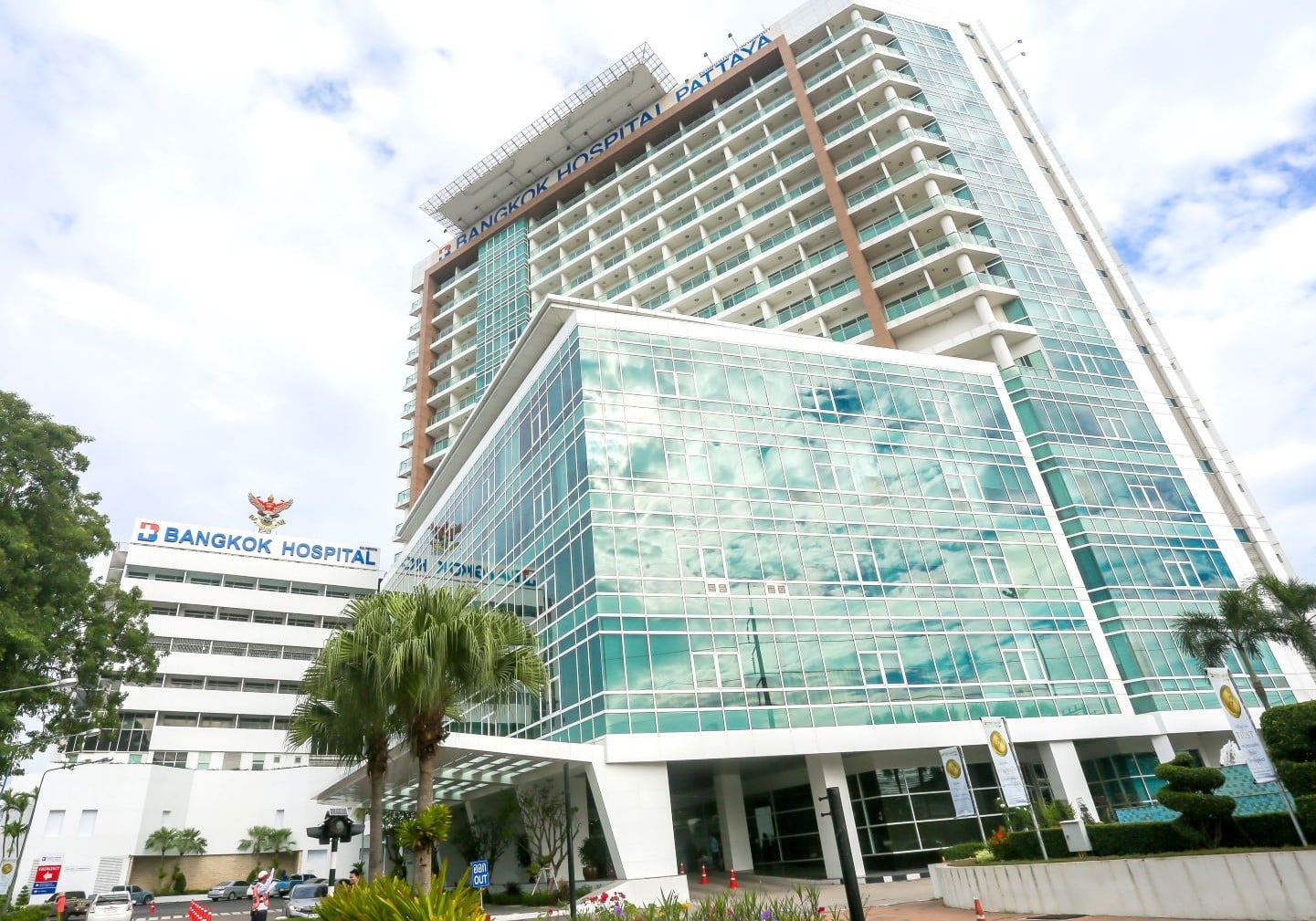
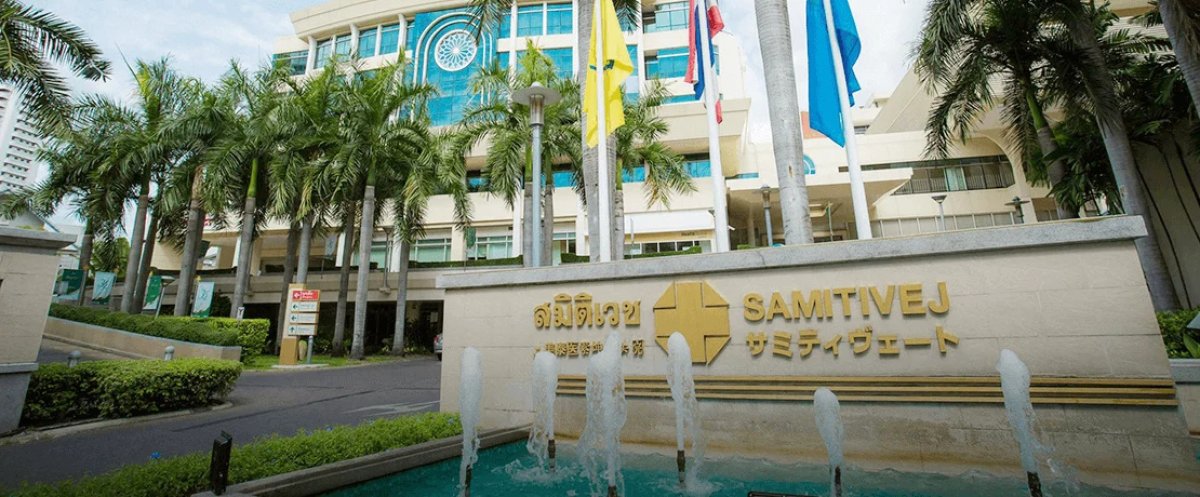
Descubra las mejores clínicas de tratamiento de Pérdida auditiva neurosensorial en Tailandia: 3 opciones verificadas y Precios







Obtenga una evaluación médica para Pérdida auditiva neurosensorial en Tailandia: consulte con doctores experimentados ahora
Ver todos los médicos
Dr Prapas Teerakul
Profesor asistente con amplia experiencia en otorrinolaringología: el Dr. Prapas Teerakul se especializa en otorrinolaringología en el Hospital Intrarat.
- Graduado del Hospital Ramathibodi, Universidad Mahidol
- Posee un certificado en otorrinolaringología del Hospital Ramathibodi
- Anteriormente se desempeñó como profesor asistente en el Hospital Ramathibodi
- Especializado en cirugías de cabeza y cuello
Compartir contenido
Historias en video de pacientes de Bookimed
 Olena Sikoza
Preguntas frecuentes sobre el tratamiento de Pérdida auditiva neurosensorial en Tailandia
¿Es la calidad de la atención para la pérdida auditiva neurosensorial (SNHL) en Tailandia tan buena como en los Estados Unidos?
Tailandia proporciona atención de alta calidad para la pérdida auditiva neurosensorial comparable a la de los Estados Unidos en los principales hospitales privados. Centros como el Hospital Internacional Bumrungrad cuentan con acreditación JCI y utilizan especialistas formados en Occidente. Estas instalaciones ofrecen diagnósticos avanzados y cirugías complejas de implantes cocleares utilizando estándares tecnológicos internacionales.
- Estándares de acreditación: Los principales hospitales mantienen la acreditación de la Joint Commission International (JCI) y la Acreditación Global de Salud.
- Expertise especializada: Médicos como el Dr. Prapas Teerakul poseen certificaciones avanzadas de prestigiosas universidades nacionales.
- Acceso a la tecnología: Las instalaciones utilizan imágenes digitales y sistemas robóticos para intervenciones quirúrgicas precisas.
- Señales de éxito: Los centros líderes gestionan más de 1 millón de pacientes al año, incluyendo el 50% de casos internacionales.
Opinión del experto de Bookimed: Tailandia es una potencia para el turismo médico. Nuestros datos muestran que se encuentra entre los 5 principales destinos mundiales. Hospitales como el Bangkok Hospital Pattaya atienden a 400 000 pacientes al año. Los grandes centros a menudo tienen mejor equipo que muchas clínicas regionales estadounidenses medianas. Este al
¿Cuáles son las opciones de tratamiento médico para la pérdida auditiva neurosensorial súbita (SSHL) en Tailandia?
El tratamiento médico para la pérdida auditiva neurosensorial súbita en Tailandia se centra en la intervención rápida con esteroides y la terapia de oxígeno hiperbárico. Los centros especializados en otorrinolaringología (ORL) en hospitales acreditados por la JCI proporcionan prednisona oral e inyecciones intratimpánicas. Los casos avanzados pueden requerir implantes cocleares o audífonos de conducción ósea.
- Terapia con esteroides: La prednisona oral es el tratamiento principal para reducir la inflamación del oído interno.
- Inyecciones intratimpánicas: Los médicos inyectan esteroides directamente en el oído medio para una administración concentrada.
- Terapia hiperbárica: Los pacientes respiran oxígeno puro en cámaras presurizadas para mejorar la oxigenación del oído interno.
- Diagnóstico por imagen: Los especialistas utilizan tomografías computarizadas de los senos paranasales para identificar las causas subyacentes.
- Restauración auditiva: Las clínicas ofrecen la colocación de implantes cocleares para casos graves con pérdida permanente.
Opinión del experto de Bookimed: Tailandia ocupa el quinto lugar a nivel mundial en solicitudes médicas en nuestra plataforma. Grandes instituciones como el Hospital Internacional Bumrungrad atienden a más de 1 millón de pacientes al año con 70 departamentos especializados. Los pa
¿Cuánto tiempo debo planear quedarme en Tailandia si necesito un implante coclear?
Planifique una estancia de 14 a 30 días en Tailandia para un implante coclear. Los pacientes suelen requerir 7 días para la cirugía y el cuidado inicial de la herida. La activación y el seguimiento de mapeo generalmente ocurren de 3 a 4 semanas después de la cirugía. Los especialistas locales se aseguran de que el sitio quirúrgico sane antes de la primera programación del dispositivo.
- Duración de la cirugía: El procedimiento suele durar 4 horas, seguido de una breve estancia en el hospital.
- Recuperación de la herida: La mayoría de los pacientes pasan 7 días para revisiones postoperatorias y retiro de puntos.
- Activación del dispositivo: La activación ocurre 3–4 semanas después de la cirugía, una vez que disminuye la hinchazón.
- Mapeo inicial: Son necesarios días adicionales para ajustes de audiología y sesiones de rehabilitación del habla.
Opinión experta de Bookimed: Los centros líderes de Tailandia, como Bumrungrad International, atienden a más de 1.000.000 de pacientes al año, siendo el 50% internacionales. Este alto volumen significa que sus departamentos de audiología están optimizados para viajeros extranjeros. Para obtener los mejores resultados, vuele 3 días antes para una tomografía computarizada de los senos paranasales. Esto asegura que su anatomía auditiva esté lista para la cirugía sin retrasar su turno de operación programad
¿Hablan inglés los médicos y el personal de apoyo en Tailandia, y cómo ayuda el hospital a los pacientes extranjeros?
Los médicos en los hospitales privados tailandeses suelen poseer un alto nivel de inglés debido a su formación internacional. Las instalaciones especializadas en hipoacusia neurosensorial a menudo proporcionan equipos médicos internacionales dedicados. Estos coordinadores gestionan expedientes, seguros y traducciones médicas para garantizar una comunicación clara para los pacientes extranjeros en todos los departamentos.
- Experiencia médica: La mayoría de los especialistas poseen certificaciones de instituciones occidentales y dominan la terminología médica técnica.
- Apoyo lingüístico: Los centros acreditados ofrecen servicios de intérpretes 24/7 y escritorios dedicados para pacientes internacionales.
- Asistencia administrativa: Los hospitales ayudan con extensiones de visa, coordinación de seguros y traducción de informes médicos.
- Acceso a atención terciaria: Hospitales líderes como Bumrungrad International atienden a un 50% de pacientes internacionales provenientes de más de 190 países.
Opinión experta de Bookimed: La competencia lingüística a menudo se correlaciona con el volumen de la clínica y las acreditaciones específicas. Por ejemplo, Bumrungrad International gestiona más de 1.000.000 de pacientes anualmente y cuenta con la Acreditación Global de Salud. Estos centros de alto volumen desarrollan sistemas especializados donde los coo
¿Necesito una visa especial para una cirugía de implante coclear en Tailandia?
La mayoría de los pacientes requieren una visa médica específica para la cirugía de implante coclear en Tailandia. Aunque las estancias cortas de menos de 60 días pueden entrar en exenciones turísticas, la fase de recuperación y mapeo a menudo requiere una visa Non-Immigrant O (médica) o una visa de tratamiento médico (MT) especializada. Estos permisos permiten un tratamiento prolongado y atención de seguimiento postoperatorio.
- Categorías de visa: Las visas Non-Immigrant O y MT respaldan el tratamiento quirúrgico a largo plazo.
- Documentos requeridos: Una carta de confirmación del hospital y prueba financiera son esenciales para las solicitudes.
- Instalaciones autorizadas: Los centros acreditados por la JCI, como el Bumrungrad International Hospital, proporcionan la documentación médica necesaria.
- Duración de la estancia: Las visas médicas estándar suelen cubrir los procedimientos y la recuperación que exceden los 90 días.
Opinión del experto de Bookimed: Tailandia ocupa el quinto lugar a nivel mundial en turismo médico en Bookimed, en gran parte debido a centros de gran capacidad como Bumrungrad International. Esta instalación gestiona 1 millón de pacientes al año, siendo el 50% viajeros internacionales. Su experiencia con más de 190 nacionalidades significa que sus equipos administrativos son muy eficientes en la emisión de las cartas d