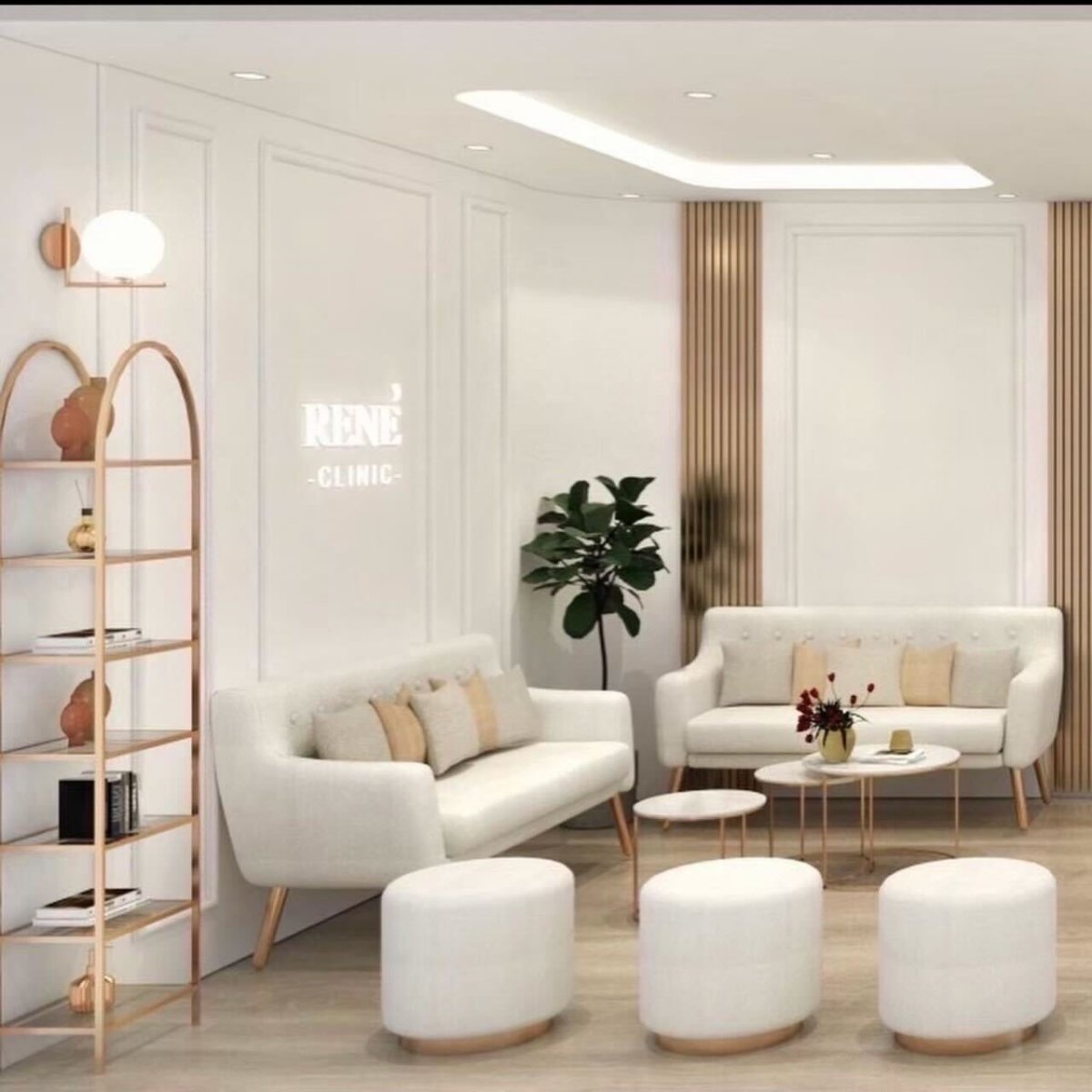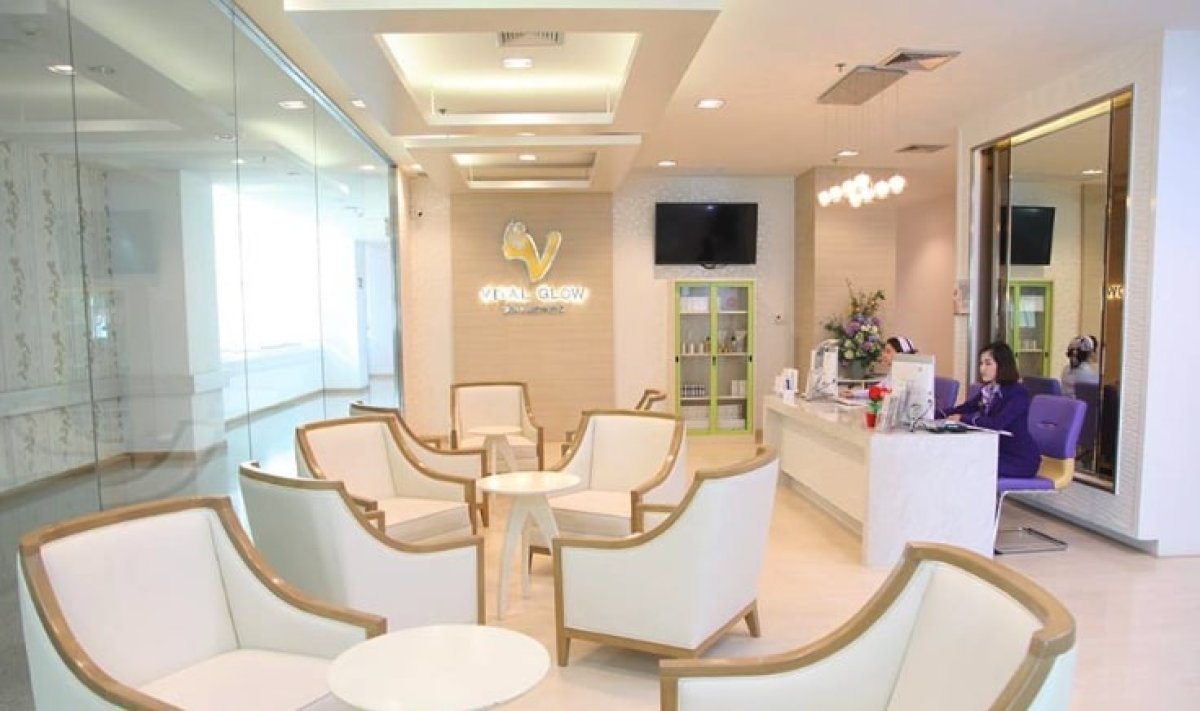
Clínica Vital Glow Skin & Aesthetic en el Hospital Navamin 9
Tailandia, Bangkok
Clínica certificada por : 


Revisado médicamente por
Fahad Mawlood
La rinoplastia líquida en Tailandia suele costar desde $900 / 33,300฿ hasta $900 / 33,300฿, dependiendo de la clínica, la experiencia del profesional que realiza la inyección y el tipo o la marca del relleno utilizado (como ácido hialurónico o hidroxiapatita de calcio). UU.
Las clínicas tailandesas suelen incluir en el precio la consulta inicial, el relleno dérmico de alta calidad, anestesia tópica o local y una visita de seguimiento. En Estados Unidos, el precio anunciado generalmente cubre solo el relleno y la inyección, mientras que las consultas y los retoques se cobran por separado. Siempre confirmar exactamente qué está incluido en la clínica elegida.
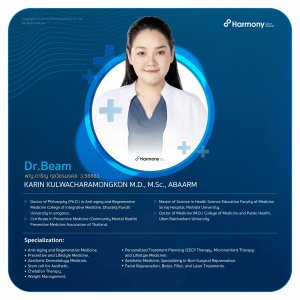
La Dra. Karin Kulwacharamongkon es médica general y especialista en medicina estética y antienvejecimiento. Cuenta con más de seis años de experiencia en rejuvenecimiento facial no quirúrgico. Ejerce en Icellare Clinic, Bangkok (2025–presente). Su trabajo se centra en la atención integrativa y preventiva. Elabora planes personalizados con EECP, terapia de micronutrientes y medicina del estilo de vida.
Educación y credenciales: Certificado en Medicina Preventiva (Salud Mental Comunitari


 Olena Sikoza
Los resultados de una rinoplastia líquida en Tailandia suelen durar de 6 a 18 meses. La mayoría de los pacientes notan que los cambios comienzan a desvanecerse después de 9 a 12 meses. Este procedimiento no quirúrgico utiliza rellenos inyectables como el ácido hialurónico para remodelar el puente y la punta de la nariz sin cambios estructurales permanentes.
Perspectiva del experto de Bookimed: Los datos de centros de alto volumen como el Hospital Internacional Bumrungrad muestran que la longevidad depende de la densidad del relleno. Elegir médicos estéticos especializados como la Dra. Karin Kulwacharamongkon garantiza una colocación precisa. Esta precisión puede extender la vida útil estética en un 20% en comparación con las técnicas de inyección básicas.
Consenso de los pacientes: Los pacientes a menudo recomie
Por lo general, puede volar de 24 a 48 horas después de una rinoplastia líquida en Tailandia. Aunque este tratamiento de relleno no invasivo no requiere tiempo de recuperación, esperar de 1 a 2 días permite que el producto se asiente y asegura que cualquier hinchazón o hematoma inicial comience a estabilizarse antes de los cambios de presión en la cabina.
Perspectiva de expertos de Bookimed: Los centros de estética tailandeses, como el Bumrungrad International Hospital, atienden a más de 1.000.000 de pacientes al año con altos estándares de seguridad. Los datos muestran que reservar su vuelo de regreso para el cuarto día proporciona los mejores resultados. Este margen permite que su médico, como los de los institutos estéticos especializados de Bangkok, verifique cualquier asimetría poco común antes de que usted parta.
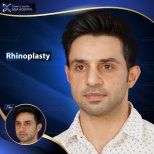
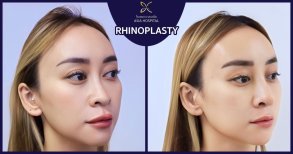
La rinoplastia líquida en Tailandia proporciona un contorno nasal inmediato mediante rellenos de ácido hialurónico sin tiempo de inactividad. Este enfoque no quirúrgico oculta eficazmente las gibas dorsales o eleva la punta nasal durante una sesión de 15 a 30 minutos. Ofrece una alternativa reversible y de bajo compromiso a la cirugía tradicional para pacientes que buscan mejoras estéticas sutiles.
Perspectiva del experto de Bookimed: Aunque la rinoplastia líquida cuesta en promedio Precio a consultar en Tailandia, los pacientes a menudo eligen instalaciones acreditadas por la JCI como el Bumrungrad International Hospital por seguridad. Nuestros datos muestran que los climas de alta temperatura pueden hacer que los rellenos se metabolicen más rápido. Seleccionar marcas premium e inyectores experimentados como la Dra. Karin Kulwa
La rinoplastia líquida es un procedimiento no quirúrgico que utiliza rellenos dérmicos inyectables, principalmente ácido hialurónico, para remodelar temporalmente la nariz. Este tratamiento aditivo camufla imperfecciones menores como gibas dorsales o puntas caídas. Los resultados son instantáneos y sin tiempo de inactividad, aunque los efectos suelen durar entre 6 y 18 meses.
Perspectiva del experto de Bookimed: Aunque muchos buscan esto como una alternativa económica, el verdadero valor en Tailandia es el factor de prueba. Los datos de clínicas como Bumrungrad International muestran que los pacientes usan rellenos para visualizar los resultados quirúrgicos. Profesionales experimentados como la Dra. Karin Kulwacharamongkon se especializan en estos refinamientos no quirúrgicos para gestionar las expectativas antes de una cirugía permanente.
Consenso de los pacie
Para elegir una clínica para una rinomodelación en Tailandia, priorice las instalaciones con acreditación de la Joint Commission International (JCI) y cirujanos especializados en medicina estética. Enfóquese en proveedores en Bangkok o Pattaya que utilicen rellenos de marca y cuenten con médicos con formación internacional y un alto volumen de procedimientos.
Perspectiva del experto de Bookimed: Aunque muchos viajeros se dirigen a centros turísticos como Sukhumvit, los datos muestran que los hospitales multiespecializados de gran volumen como Navamin9 o el Hospital Sikarin a menudo proporcionan una infraestructura de emergencia más sólida. Estas instalaciones gestionan más de 250,000 pacientes al año, ofreciendo una red de seguridad que las clínicas estéticas boutiqu
La rinoplastia líquida en Tailandia conlleva riesgos importantes debido a la compleja red vascular nasal. Las complicaciones más graves incluyen la oclusión vascular, que ocurre en el 0,35 % de los casos, lo que puede provocar necrosis cutánea o ceguera permanente si el relleno entra en la arteria oftálmica.
Perspectiva de expertos de Bookimed: Las clínicas tailandesas como el Bumrungrad International Hospital y el Navamin9 Hospital mantienen una alta seguridad mediante la acreditación JCI. Los datos muestran que elegir un centro dirigido por médicos es vital. Algunas clínicas más pequeñas pueden utilizar inyectores no médicos, lo que aumenta el riesgo de una mala gestión de los eventos vasculares.
Consenso de los pacientes: Los pacientes a menudo advierten que el relleno puede asentarse más
Un buen candidato para una rinoplastia líquida es alguien que busca mejoras estéticas sutiles y temporales en su nariz sin necesidad de cirugía. Este procedimiento camufla eficazmente pequeñas gibas dorsales, corrige asimetrías menores o eleva una punta nasal caída utilizando rellenos de ácido hialurónico para obtener resultados inmediatos y sin tiempo de recuperación.
Perspectiva del experto de Bookimed: Tailandia ofrece una ventaja única para este procedimiento, ya que muchos profesionales, como la Dra. Karin Kulwacharamongkon, están certificados por el Allergan Medical Institute. Aunque los centros acreditados por la JCI, como el Bumrungrad International Hospital, atienden a más de 1 millón de pacientes al año, asegúrese siempre de que su proveedor tenga hialuronidasa a mano. Este agente de reversión es esencial para la seguridad, garantizando que cualquier co
La rinoplastia líquida no puede reducir físicamente el tamaño de su nariz porque el procedimiento añade volumen utilizando rellenos dérmicos como Juvederm o Restylane. Sin embargo, las inyecciones estratégicas en clínicas acreditadas por la JCI en Bangkok crean una poderosa ilusión óptica de una nariz más pequeña y contorneada al suavizar las gibas dorsales y elevar la punta nasal.
Perspectiva del experto de Bookimed: Aunque la rinoplastia líquida en Tailandia es muy asequible, nuestros datos muestran una tendencia en la que los pacientes a menudo la utilizan como una prueba de 12 meses. Dado que la rinoplastia quirúrgica en centros como el Hospital Internacional Bumrungrad cuesta a partir de $1,600, muchos comienzan con rellenos para previsualizar el aspecto deseado antes de comprometerse.
Consenso de los pacientes: Muchos pacientes recomiendan probar primero la
Volar después de una rinomodelación con ácido hialurónico en Tailandia es generalmente seguro entre 48 y 72 horas después de la inyección. Aunque no es una cirugía, los cambios en la presión de la cabina pueden exacerbar la hinchazón o causar la migración del relleno. Los pacientes deben esperar al menos 3 días para asegurarse de que el ácido hialurónico se asiente correctamente antes de abordar vuelos de larga distancia.
Perspectiva de expertos de Bookimed: Los datos de más de 146 clínicas tailandesas muestran que los centros premium en Bangkok priorizan una observación de 72 horas. Aunque la rinomodelación es rápida, el ahorro del 59% en comparación con los precios de EE. UU. permite una estancia más larga. Use este tiempo extra para dejar que el relleno se estabilice antes de su vuelo.
Consenso de los pacientes:
Los mejores lugares para una rinomodelación en Tailandia son las instalaciones acreditadas por la JCI en Bangkok y Phuket, donde dermatólogos expertos utilizan técnicas de relleno avanzadas como los Allergan MD Codes. Centros de primer nivel, incluidos el Bumrungrad International Hospital y el Navamin9 Hospital, ofrecen seguridad de nivel hospitalario para el contorno nasal no quirúrgico a precios desde Precio a consultar hasta Precio a consultar.
Perspectiva del experto de Bookimed: Aunque muchos eligen clínicas estéticas por sus costos más bajos, seleccionar un hospital multiespecialidad como Sikarin o Bumrungrad garantiza el acceso inmediato a hialuronidasa si se necesitan ajustes. Los datos muestran que estas instalaciones atienden a más de 250,000 pacientes a