Rinoplastia de nariz ancha en Tailandia: las 5 mejores clínicas y sus precios


Revisado médicamente por
Fahad Mawlood
¿Cuál es el precio de Rinoplastia de nariz ancha en Tailandia? Descubra ahora
El costo de la rinoplastia para nariz ancha en Tailandia suele oscilar de $2,500 / 92,500฿ a $2,500 / 92,500฿. Los precios dependen de la experiencia del cirujano, la reputación de la clínica, la complejidad de remodelar tanto el hueso como el cartílago y si se requieren injertos adicionales. UU.
Las clínicas tailandesas suelen incluir los honorarios del cirujano, anestesia, cargos por sala de operaciones, análisis preoperatorios, medicamentos y 1–2 visitas de seguimiento. En EE. UU., el precio anunciado suele cubrir solo los honorarios del cirujano, mientras que la anestesia, las instalaciones y la atención postoperatoria se facturan por separado. Siempre confirmar qué está incluido en el paquete antes de reservar.
Sus beneficios y garantías con Bookimed
Precios directos
Bookimed no añade cargos adicionales a los precios de Rinoplastia de nariz ancha. Las tarifas proceden de las listas de precios oficiales de las clínicas. Pagará directamente en la clínica por su Rinoplastia de nariz ancha a su llegada al país.
Sólo clínicas y médicos verificados
Bookimed está comprometido con su seguridad. Solo trabajamos con las clínicas que mantienen altos estándares internacionales en Rinoplastia de nariz ancha y tienen las licencias necesarias para atender a pacientes internacionales en todo el mundo.
Asistencia 24/7 gratuita
Bookimed ofrece asistencia experta gratuita. Un coordinador médico personal le apoya antes, durante y después del tratamiento, resolviendo cualquier problema. Nunca estará solo en su viaje médico de Rinoplastia de nariz ancha.

Su coordinador médico personal de Bookimed
- Le apoya en cada etapa
- Ayuda a elegir la clínica y el médico adecuados
- Asegura un acceso rápido y conveniente a la información
Descubra las mejores clínicas de Rinoplastia de nariz ancha en Tailandia: 5 opciones verificadas y Precios






Preecha Aesthetic Institute
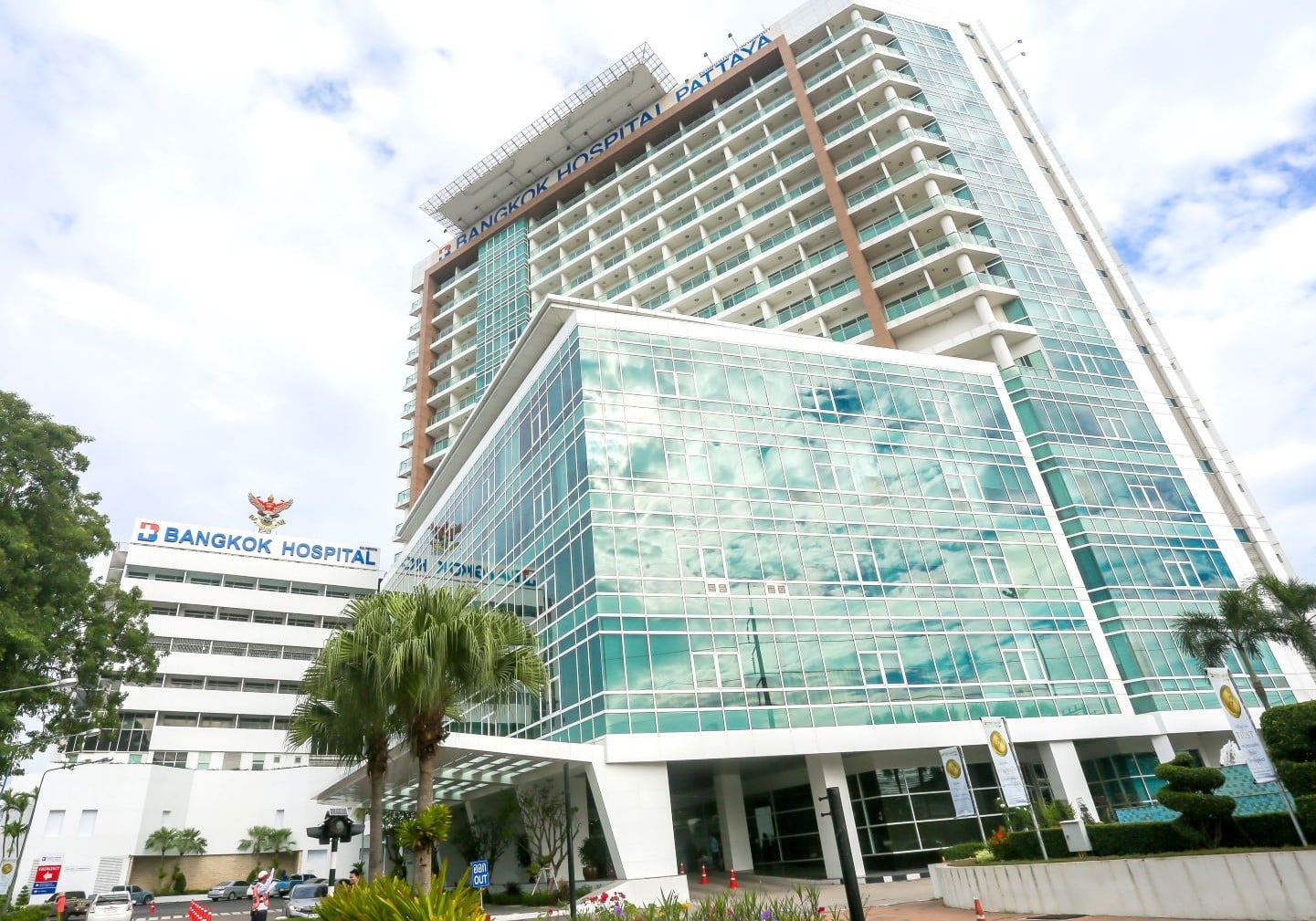




Clínica Tonliew
Descripción general de Rinoplastia de nariz ancha en Tailandia
- Rinoplastia - de $1,600El procedimiento altera la forma o el tamaño de la nariz, mejorando la armonía facial y mejorando los problemas respiratorios.
- Rinoplastia de la punta nasal - de $1,500El procedimiento refina la punta de la nariz, mejorando el equilibrio y la armonía nasal a través de la remodelación, ofreciendo una apariencia estéticamente más agradable.
- Rinoplastia cerrada - de $1,800La operación remodela la nariz internamente, asegurando un mejor perfil con cicatrices mínimas y una recuperación más rápida.
- Rinoplastia abierta - de $3,000La operación remodela la nariz a través de incisiones en el exterior, ofreciendo mayor control quirúrgico y visibilidad.
- Rinoplastia de revisión - de $3,300El procedimiento repara cirugías de nariz anteriores, mejorando la función y la apariencia a través de técnicas reconstructivas precisas.
- Eliminación de joroba nasal - de $2,400El procedimiento suaviza la forma de la nariz eliminando el exceso de hueso y cartílago, mejorando la armonía facial.
- Prótesis nasal - de $3,200La operación ofrece una estructura nasal artificial, mejora la apariencia, restaura la función y mejora la confianza en sí mismo. Es no invasivo y personalizable.
- Rinoplastia asiática - de $1,700**Rinoplastia asiática**: Esta cirugía remodela la nariz para conseguir un aspecto natural y armonioso, a menudo utilizando implantes o injertos de cartílago, centrándose en las preferencias culturales y estéticas.
- Depósito de Bookimed: 200 $ o 200 €.
- Depósito de la clínica: Pague un porcentaje fijo por adelantado.
Obtenga una evaluación médica para Rinoplastia de nariz ancha en Tailandia: Elija su especialista entre los mejores en el campo
Ver todos los médicos
Wanna Lertsooksawat
La Dra. Wanna Lertsuksawad cuenta con más de _doctor_9895_ años de experiencia en rinoplastia, conocida por su técnica suave y resultados de aspecto natural en la Clínica Kongju.
- Certificada en cirugía plástica con enfoque en estética facial
- Especializada en rinoplastia, cirugía de párpados y contorno facial
- Comprometida con la seguridad del paciente y resultados personalizados
- Activa en formación médica continua para mantenerse al día con los estándares internacionales

Historias en video de pacientes de Bookimed
Reseñas
Todas las reseñas


Compartir contenido
 Olena Sikoza
Preguntas frecuentes sobre Rinoplastia de nariz ancha en Tailandia
¿Cómo elijo la clínica y el cirujano adecuados para una rinoplastia de nariz ancha en Tailandia?
Para elegir la clínica adecuada para una rinoplastia de nariz ancha en Tailandia, priorice a los cirujanos certificados por la Sociedad de Cirujanos Plásticos y Reconstructivos de Tailandia que se especializan en técnicas estructurales. Verifique la acreditación de Joint Commission International y solicite fotos específicas de antes y después de pacientes con puentes nasales anchos o piel nasal gruesa.
- Credenciales del cirujano: Asegúrese de que cuente con la certificación del Real Colegio de Cirujanos de Tailandia para trabajos nasales especializados.
- Entorno clínico: Elija centros acreditados por Joint Commission International, como Bumrungrad International Hospital, para contar con respaldo en caso de emergencia.
- Enfoque técnico: Seleccione médicos que realicen rinoplastia estructural en lugar de utilizar implantes de silicona estándar en forma de L para la anchura.
- Revisión del portafolio: Solicite fotos de pacientes con antecedentes étnicos similares para garantizar una reducción de anchura de aspecto natural.
Perspectiva de expertos de Bookimed: El análisis muestra que hospitales de primer nivel, como Bumrungrad y Sikarin Hospital, mantienen varias certificaciones internacionales, incluidas Joint Commission International e ISO. Aunque la cirugía de nariz ancha cuesta de Precio a consultar a Precio a consultar, elegir estos entor
¿Qué técnicas se utilizan en Tailandia para una rinoplastia de nariz ancha?
Los cirujanos plásticos tailandeses corrigen las narices anchas mediante la reconstrucción de la estructura nasal para estrechar el puente y refinar la base de la nariz. Los métodos clave incluyen la osteotomía nasal para estrechar los huesos, la alarplastia para reducir las fosas nasales y los injertos estructurales con cartílago de oreja o tabique para definir puntas bulbosas.
- Osteotomía nasal: Produce microfracturas en los huesos nasales superiores para desplazarlos hacia dentro y lograr un puente más delgado.
- Técnica de alarplastia: Extrae cuñas de tejido de las bases de las fosas nasales para reducir las aletas ensanchadas y la anchura general.
- Injerto de cartílago: Utiliza cartílago autólogo de oreja, tabique o costilla para crear proyección y soporte en la punta nasal.
- Aumento del puente nasal: Combina implantes de silicona o Gore-Tex con reducción para mantener un perfil elegante y alto.
- Protección de las vías respiratorias: Utiliza injertos espaciadores o de borde alar para mantener espacio respiratorio durante el estrechamiento.
Perspectiva de expertos de Bookimed: Los principales centros de Tailandia, como Bumrungrad International Hospital, prefieren la rinoplastia estructural abierta frente a las simples reducciones. Este enfoque permite a los cirujanos reconstruir la estructura en lugar de limitars
¿Cuánto dura el período de recuperación después de una rinoplastia para nariz ancha en Tailandia?
La recuperación funcional tras una rinoplastia para nariz ancha en Tailandia tarda de 1 a 2 semanas, mientras que el refinamiento final lleva de 6 a 12 meses. Los pacientes deben permanecer en el país entre 7 y 10 días para que especialistas acreditados por Joint Commission International retiren la férula antes de regresar a casa de forma segura.
- Duración del viaje: Planifique una estancia de 7 a 10 días para el seguimiento y la retirada de puntos.
- Recuperación funcional: Volver a las actividades diarias y al trabajo ligero tarda alrededor de 2 semanas.
- Preparación social: Los hematomas desaparecen hacia el día 10, lo que permite salir en público con maquillaje ligero.
- Resultados finales: La hinchazón residual en la punta nasal desaparece por completo después de 12 meses.
Perspectiva de expertos de Bookimed: Clínicas como Bumrungrad International o Sikarin suelen incluir asistencia lingüística gratuita y traslados desde el aeropuerto. Esto reduce el estrés durante los primeros 5 días, cuando respirar por la boca y la congestión dificultan la comunicación.
Consenso de pacientes: Durante las primeras semanas, la nariz suele verse más ancha que ante
¿Siempre es necesaria una osteotomía para una rinoplastia de nariz ancha en Tailandia?
La osteotomía no siempre es necesaria para la rinoplastia de nariz ancha en Tailandia. Los cirujanos solo realizan cortes óseos si el puente nasal es físicamente ancho. Muchos casos con puntas bulbosas, piel gruesa o fosas nasales anchas se tratan con refinamiento del cartílago, alarplastia o aumento del puente nasal sin fracturar ningún hueso.
- Ancho del puente nasal: La osteotomía solo se requiere cuando los huesos nasales superiores necesitan un estrechamiento físico.
- Corrección de la punta bulbosa: El refinamiento utiliza suturas y recorte de cartílago para estrechar la parte inferior de la nariz.
- Reducción de la base alar: Los cirujanos remodelan o reducen el ancho de las fosas nasales para estilizar el perfil general.
- Aumento del puente nasal: Añadir altura con implantes puede hacer que un puente plano parezca naturalmente más estrecho.
Perspectiva de expertos de Bookimed: Aunque Tailandia es líder mundial en rinoplastia, los pacientes suelen confundir la inflamación postoperatoria con un fracaso quirúrgico. El trabajo óseo en centros como Bumrungrad International Hospital provoca una inflamación prolongada que persiste durante meses. Este volumen temporal suele hacer que la nariz parezca más ancha al principio, incluso después de una reducción ósea exitosa.
Consenso de pacientes: Los pacientes sugieren pedi