Injerto óseo en Tailandia: las 25 mejores clínicas y sus precios


Revisado médicamente por
Fahad Mawlood
Cómo funciona
¿Cuál es el precio de Injerto óseo en Tailandia? Descubra ahora
El injerto óseo en Tailandia suele costar desde $300 hasta $400 dependiendo del tipo de material, el volumen del injerto y la técnica quirúrgica. En los Estados Unidos, los pacientes suelen pagar alrededor de $1,500 por procedimientos similares. Al elegir Tailandia, los pacientes internacionales pueden lograr ahorros de alrededor del 77%. Las inclusiones comunes en los paquetes dentales tailandeses son los honorarios del cirujano, la anestesia local y los exámenes de seguimiento.
- Injerto óseo autólogo: de $300 utilizando hueso extraído del propio paciente.
- Injerto óseo en bloque: de $500 para una reparación estructural significativa de la mandíbula.
- Preservación de alvéolo: Precio a consultar a Precio a consultar para proteger el sitio de la extracción.
- Injerto óseo sintético: de $200 utilizando materiales biocompatibles fabricados en laboratorio.
- Variación regional: Los centros médicos incluyen Bangkok, Phuket y Chiang Mai.
Perspectiva del experto de Bookimed: Elegir un centro especializado como el Bangkok International Dental Center brinda acceso a expertos certificados por la Junta Estadounidense. Muchas clínicas tailandesas son proveedores oficiales de materiales Straumann. Esto garantiza que se utilicen componentes de alta calidad a una fracción de los costos occidentales. Para casos complejos, buscar instalaciones hospitalarias como BIDH es una decisión inteligente. Ofrecen odontología con sedación avanzada y estrictos protocolos de esterilización para obtener mejores resultados.
| Tailandia | España | Estados Unidos | |
|---|---|---|---|
| Injerto óseo | de $300 | de $300 | ≈ $800 |
| Osteoplastia | ≈ $550 | ≈ $450 | ≈ $1,200 |
| Injerto óseo sintético | de $200 | ≈ $350 | ≈ $600 |
| Injerto óseo particulado | de $300 | ≈ $280 | ≈ $450 |
| Injerto óseo en bloque | de $500 | ≈ $750 | ≈ $3,000 |
Descubra las mejores clínicas de Injerto óseo en Tailandia: 25 opciones verificadas y Precios








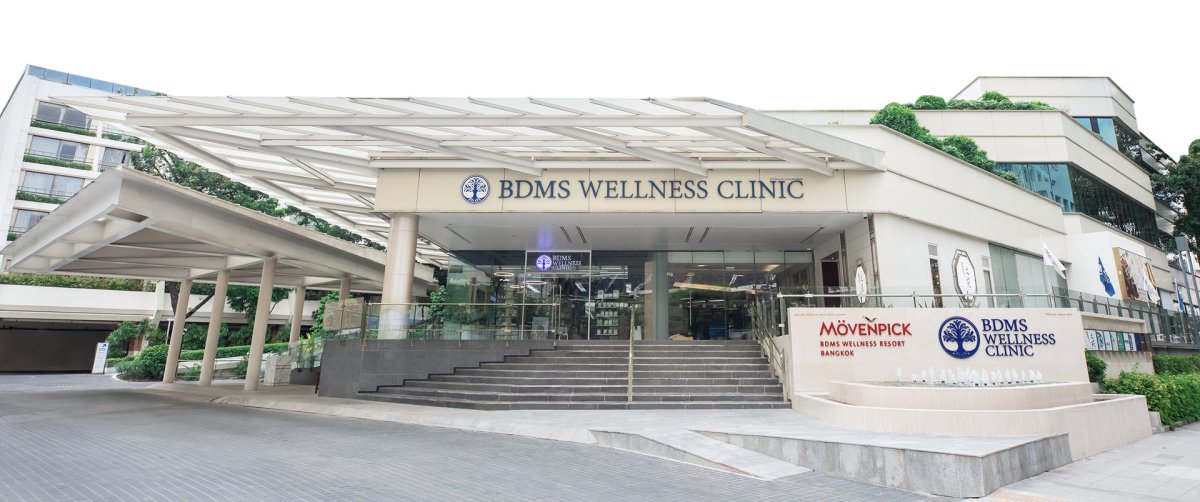
BDMS Wellness Clinic


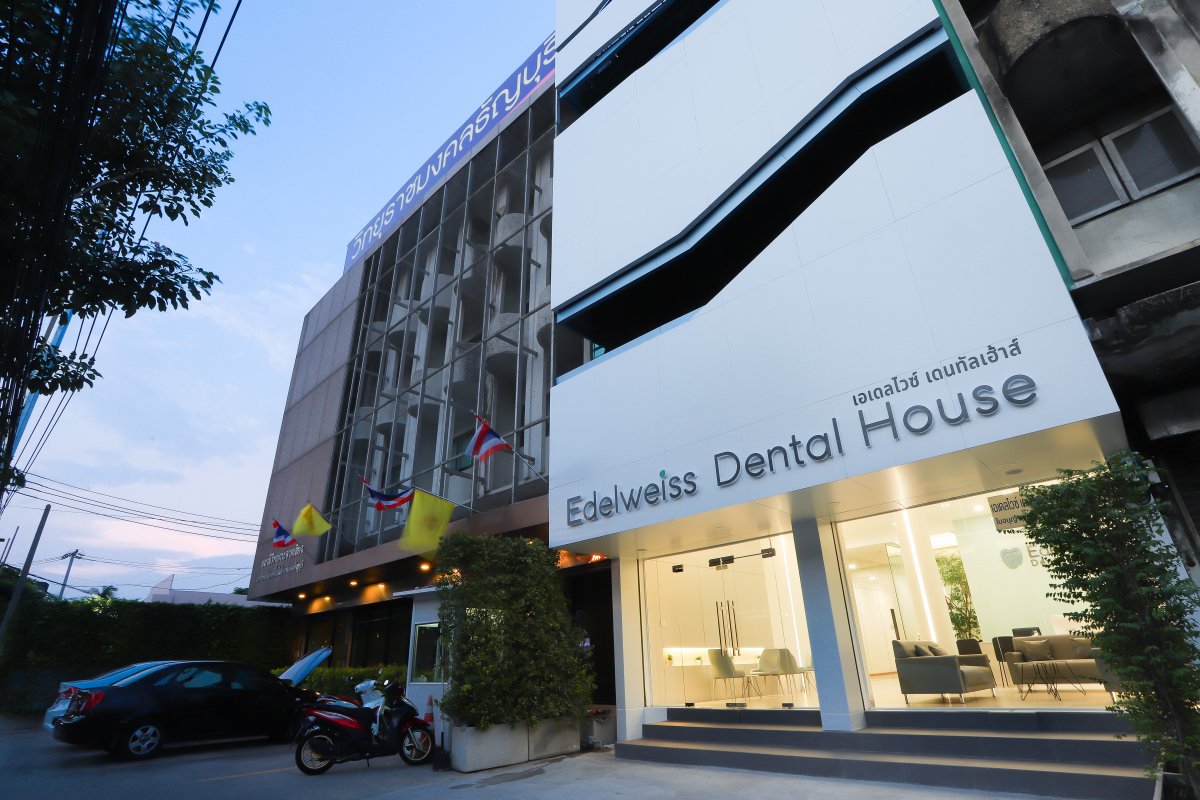
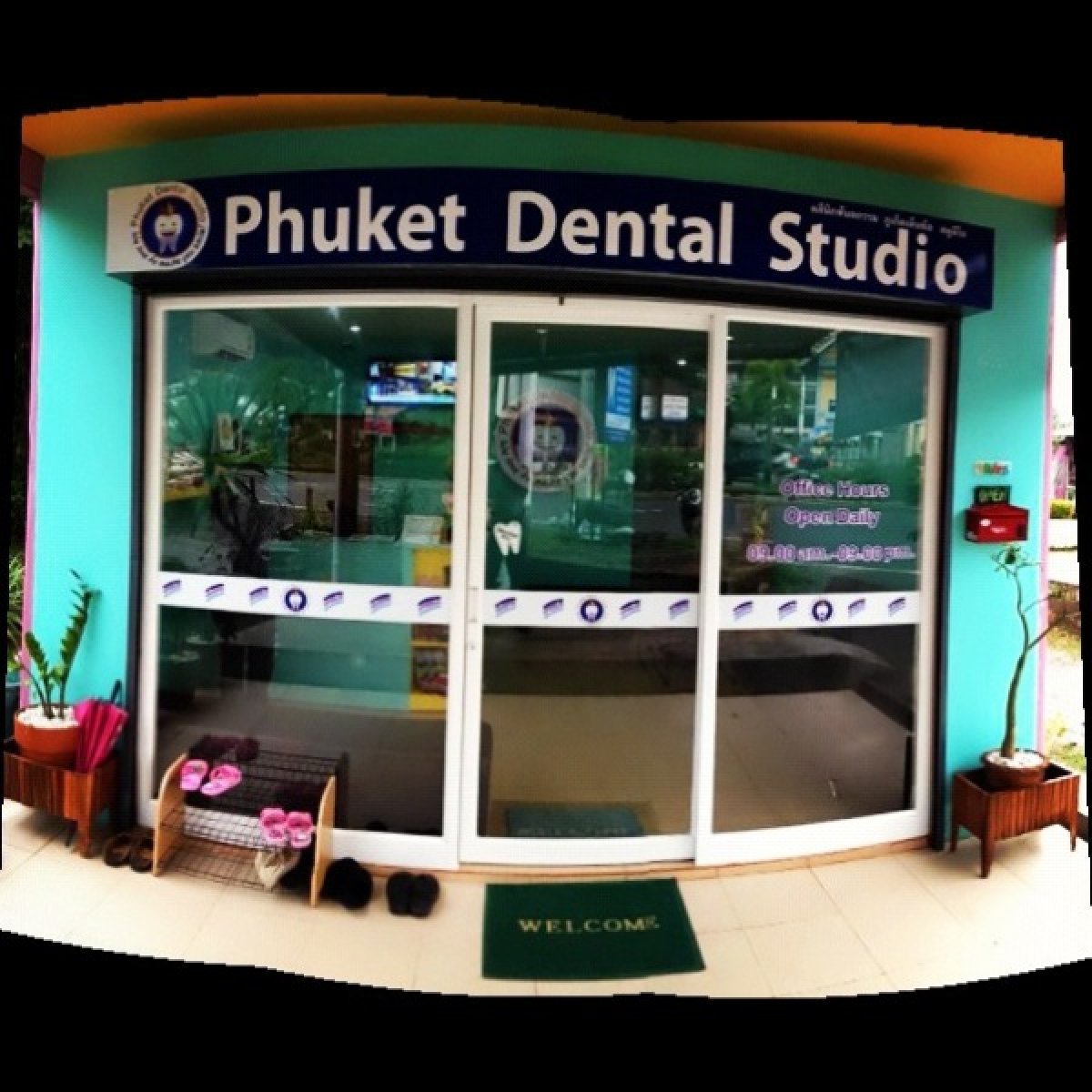
Phuket Dental Studio


Asok Montri Dental Clinic
Descripción general de Injerto óseo en Tailandia
- Osteoplastia - de $550Esta terapia remodela o repara huesos, involucrando ingeniería quirúrgica. Ofrece mayor movilidad y alivio del dolor.
- Injerto óseo - de $300Esta terapia reemplaza o repara el hueso faltante, usando material natural o sintético, promoviendo la curación y la fuerza.
- Injerto óseo autógeno - de $300Esta terapia utiliza el propio hueso del paciente para reparar, reconstruir o reemplazar el tejido óseo dañado o faltante.
- Injerto óseo en bloque - de $500Este procedimiento trasplanta tejido óseo para reparar y reconstruir huesos enfermos o dañados.
- Injerto óseo Infuse - de $900El procedimiento estimula el crecimiento óseo utilizando una solución a base de proteínas, lo que ayuda en el proceso de curación después de las cirugías esqueléticas.
- Injerto óseo Onlay - de $1,000Esta terapia trasplanta hueso para mejorar la cicatrización, la estabilidad y el apoyo donde se produjo la pérdida ósea o en las fracturas.
- Injerto óseo particulado - de $300El procedimiento implica el uso de pequeños trozos de hueso para ayudar a regenerar las áreas dañadas, promoviendo una curación más rápida y efectiva.
- Injerto óseo sintético - de $200Esta terapia recrea el hueso dañado utilizando sustitutos cultivados en laboratorio, lo que ayuda al crecimiento óseo natural y a una curación rápida y eficiente.
Día 1
- Llegada al país.
- Traslado del aeropuerto al hotel 4*.
Dia 2
- Consulta con especialistas.
- Someterse a las pruebas médicas necesarias.
Día 3
- Revisión de los resultados de las pruebas por especialistas.
- Preparación para la cirugía de injerto óseo.
Día 4
- Someterse a una cirugía de injerto óseo bajo anestesia local.
- El procedimiento dura unas pocas horas.
Dia 5
- Observación postoperatoria en la clínica.
- Vigilar cualquier complicación o reacción adversa.
Semana 1
- Revisiones regulares post-cirugía.
- Inicio de rehabilitación si es necesario.
Semana 2-4
- Continúe con los ejercicios de rehabilitación.
- Regreso gradual a las actividades normales.
Semana 4-6
- Regrese al trabajo si se siente cómodo.
- Se pueden reanudar las actividades deportivas ligeras.
Semana 6-8
- Ver el resultado final del injerto óseo.
- Pleno retorno a las actividades deportivas.
Tenga en cuenta que el cronograma y el proceso pueden variar individualmente según el estado de salud del paciente y la complejidad de la cirugía.
Lo que les gusta a los pacientes:
- Precio. El costo del injerto óseo en Tailandia oscila entre $2000 y $4000. Esto es significativamente más barato en comparación con los EE. UU., donde el costo oscila entre $ 5000 y $ 9000.
- Profesionalidad del médico. Los pacientes elogian a los médicos por su experiencia. Poseen certificados relevantes y son miembros de organizaciones estimadas. Su alto nivel de profesionalismo es evidente en la gran cantidad de procedimientos exitosos realizados.
- Nivel de servicio. Los pacientes aprecian el alto nivel de servicio. El personal es cortés y los hospitales están limpios y bien equipados.
- Eficacia del injerto óseo. El resultado de los injertos óseos en Tailandia ha sido en general muy positivo. Se utilizan técnicas modernas que aumentan la tasa de éxito.
- Logística. La mayoría de los hospitales ofrecen asistencia con la logística, lo que facilita el proceso para los pacientes.
Lo que no les gusta a los pacientes:
- Tiempo de espera. Algunos pacientes han informado largos tiempos de espera para sus procedimientos.
- Barrera del idioma. Puede haber una barrera del idioma ya que no todos los miembros del personal hablan inglés con fluidez.
- Cuidado postoperatorio. Pocos pacientes estaban insatisfechos con la atención postoperatoria que recibieron.
- Depósito de Bookimed: 200 $ o 200 €.
- Depósito de la clínica: Pague un porcentaje fijo por adelantado.
Como plataforma líder mundial de turismo médico, tenemos una gran responsabilidad ante nuestros clientes, tanto pacientes como centros médicos. Toda la información proporcionada en Bookimed.com se basa en la investigación, la previsión y la experiencia y cumple con un alto interés relacionado con el producto y sigue:
Sistema inteligente de clasificación automática
Formamos nuestros listados de clínicas y médicos con estrictas regulaciones de nuestro sistema inteligente de clasificación automática. El sistema se basa en tarifas de pacientes reales de Bookimed para proporcionar la información más objetiva y transparente sobre las clínicas y los servicios médicos de injerto óseo en Tailandia.
Nuestro experimentado científico de datos recopila datos a diario, supervisa y optimiza el sistema de clasificación mediante el aprendizaje automático y la inteligencia artificial para garantizar que el sistema de clasificación esté actualizado y proporcione resultados precisos.
Solo la experiencia de personas reales
Recopilamos las opiniones de los clientes de Bookimed solo después de obtener experiencia médica en la clínica Bone Graft en Tailandia, para que todos en la plataforma puedan confiar en el centro que elijan. Nos esforzamos por hacer que el contenido de nuestra plataforma sea lo más útil posible y garantizamos la libertad de expresar opiniones críticas. Así, publicamos críticas positivas y negativas, con el objetivo de ser una fuente para la toma de decisiones informadas para nuestros futuros clientes.
Temas con altos niveles de experiencia, autoridad y confiabilidad
En Bookimed.com puede encontrar opciones y conveniencia para encontrar las mejores soluciones médicas de injerto óseo de los principales proveedores de servicios médicos en Tailandia en un solo lugar y, a menudo, a precios competitivos. Asegurándose de brindar la información más actualizada, los representantes de la clínica actualizan los CV de los médicos, las capacidades de las clínicas, las fotos de antes y después, los precios, los paquetes y las ofertas especiales en breve. Puede reunirse con el representante de la clínica y verificar la fecha del contenido actualizado en la página de cada clínica para asegurarse de su confiabilidad.
Nuestro blog y artículos de apoyo son creados por autores profesionales con al menos 3 años de experiencia en redacción médica y editados por especialistas médicos con experiencia clínica y de investigación relevante, todos reclutados cuidadosamente para el equipo. Nos esforzamos por mejorar el acceso de los pacientes a la información de salud, haciéndola experta pero fácil de entender. Todas las piezas siguen las Directrices Editoriales de Bookimed.
Valores reservados
Estamos hechos de personas y para personas, y ese es nuestro valor fundamental. Es por eso que todos los datos presentados en la plataforma son recopilados, editados, revisados y actualizados regularmente por nuestros pacientes, nuestras clínicas asociadas y nuestro equipo, incluido el Consejo Asesor Médico de Bookimed, que consta de médicos de renombre mundial con experiencia valiosa sobre 20 años de práctica y una reputación positiva. Conozca más sobre nosotros y nuestra misión .
En caso de que encuentre algún error o tenga alguna pregunta sobre la información presentada en Bookimed.com, no dude en contactarnos en marketing@bookimed.com .
Obtenga una evaluación médica de Injerto óseo en Tailandia: haga una consulta con 12 médicos experimentados ahora
Ver todos los médicos
Napapas Nidhidvanich
El Dr. Nidhidvanich es especialista en endodoncia y se centra en problemas dentales complejos que involucran la pulpa y los nervios dentales en el Hospital Intrarat.
- Graduado con honores de la Universidad de Chulalongkorn
- Posee una Maestría en Endodoncia
- Diplomado por el Consejo Tailandés de Endodoncia
- Especializado en problemas complejos de la pulpa dental

Pawak Tungthangthum
Jefe del Departamento de Odontología con 17 años de experiencia, especializado en implantes dentales e injertos óseos. Formado en implantología avanzada en la Universidad de California.
- Especializado en odontología estética, restauradora e implantología
- Miembro del Congreso Internacional de Implantólogos Orales
- Ejerce en la Clínica Dental Kitcha en Tailandia
- Ocupa cargos directivos en varios hospitales

Atikom Surintanasarn
Especializado en procedimientos de injerto óseo con formación avanzada en instituciones de primer nivel, incluyendo la Universidad de Berna y la Universidad de Chulalongkorn.
- Poseedor de múltiples certificados en implantología dental y prostodoncia
- Profesor en la Facultad de Odontología de la Universidad de Chulalongkorn
- Miembro del Colegio Internacional de Dentistas
- Activo en juntas profesionales de implantología dental y prostodoncia

Prangtip Worakajit
Reseñas
Todas las reseñas

Injerto óseo: Fotos de antes y después
Ver todos los Antes y Después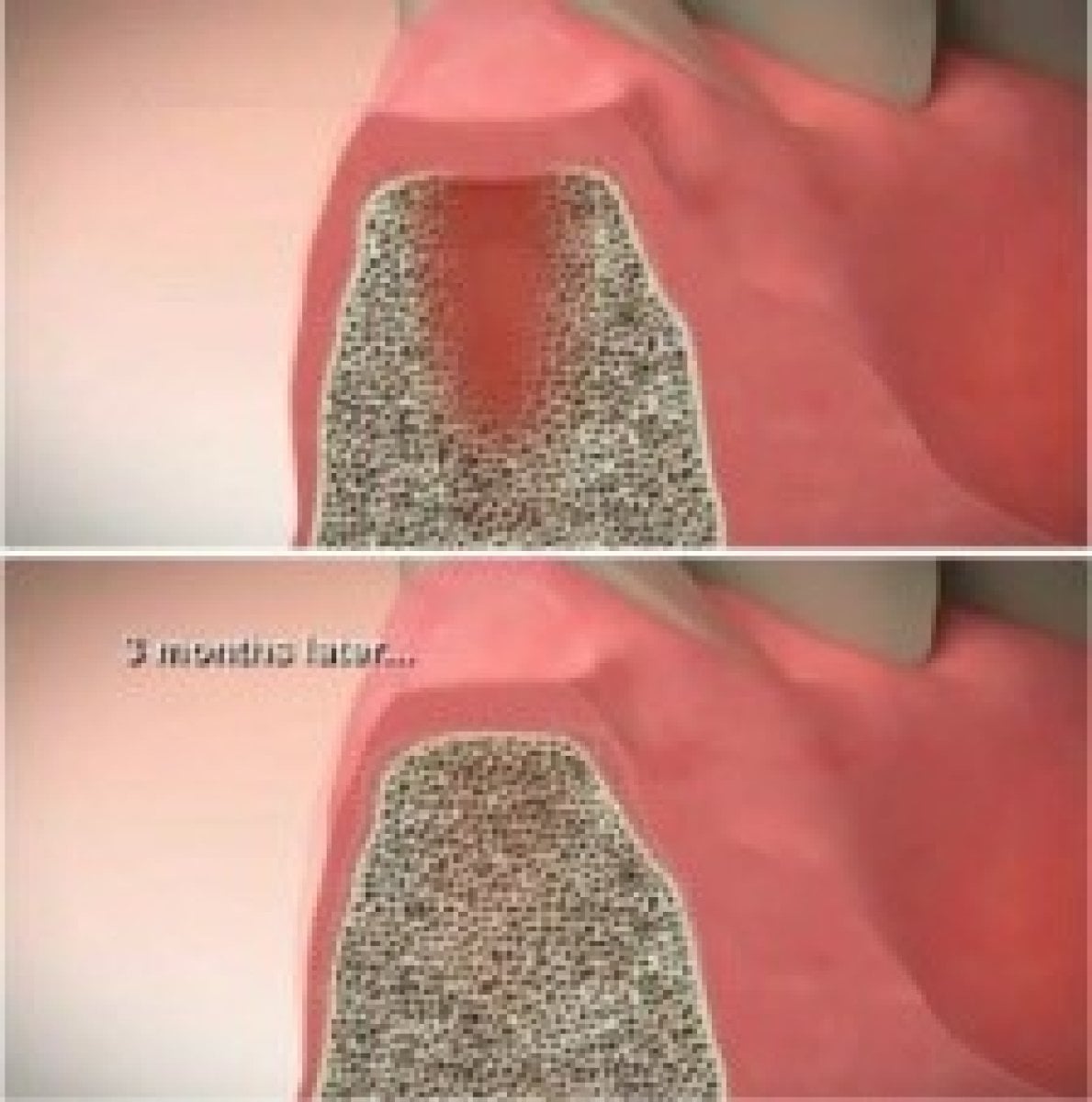
Compartir contenido
Historias en video de pacientes de Bookimed
 Olena Sikoza
Preguntas frecuentes sobre Injerto óseo en Tailandia
¿Cuál es la tasa de éxito de los injertos óseos en Tailandia?
Las tasas de éxito de los injertos óseos en Tailandia superan el 90 % para la mayoría de los pacientes, y los centros dentales especializados reportan entre un 95 % y un 98 % para procedimientos relacionados con implantes. Las reconstrucciones óseas ortopédicas suelen mantener un éxito de entre el 80 % y el 95 %. Estos resultados están respaldados por instalaciones acreditadas por la JCI y cirujanos formados en instituciones como la Universidad de Chulalongkorn.
- Aplicaciones dentales: Los estudios clínicos muestran una tasa de éxito del 97,4 % en un período de 10 años.
- Rendimiento según el tipo de injerto: Los injertos autólogos lideran con un 95 % de integración en comparación con el 91 % de los aloinjertos.
- Experiencia clínica: El alto éxito depende de imágenes 3D avanzadas y especialistas certificados por el American Board.
- Factores de salud del paciente: Los resultados siguen siendo más altos para los no fumadores y los pacientes con niveles de glucosa controlados.
Perspectiva del experto de Bookimed: Los datos sugieren que elegir centros de alto volumen como el Bangkok International Dental Center, que trata a más de 20.000 pacientes al año, garantiza el acceso a especialistas con profunda experiencia en aumento óseo inmediato. Las grandes clínicas tailandesas suelen emplear a varios prostodoncistas certificados por el American Boar
¿Cuáles son los riesgos principales de un injerto óseo?
Los riesgos de un injerto óseo incluyen infección, fracaso del injerto y daño nervioso. Aunque las tasas de éxito son altas, pueden ocurrir complicaciones como la reabsorción o el rechazo del injerto si el cuerpo no integra el material. Elegir clínicas acreditadas por la JCI en Tailandia mitiga significativamente estos riesgos quirúrgicos mediante protocolos de seguridad estandarizados.
- Riesgo de infección: Las bacterias que ingresan al sitio pueden causar osteomielitis o inflamación localizada del tejido.
- Fracaso del injerto: Un suministro sanguíneo deficiente, el tabaquismo o el movimiento excesivo pueden impedir la fusión ósea.
- Lesión nerviosa: La cirugía cerca de nervios importantes puede causar entumecimiento temporal en los labios o las encías.
- Complicaciones sinusales: Los injertos en el maxilar superior conllevan riesgos de perforación de la membrana o migración del material.
Perspectiva del experto de Bookimed: Los centros dentales tailandeses como el Bangkok International Dental Center atienden a más de 15,000 pacientes al año, lo que genera una gran experiencia. Los datos muestran que las clínicas que utilizan materiales originales de Straumann y membranas de colágeno de ingeniería suiza tienen una integración más predecible. Estos materiales premium, a menudo estándar en Bangkok, reducen los riesgos de reabsorción observados
¿Por qué es necesario un injerto óseo?
Un injerto óseo es clínicamente necesario cuando a su mandíbula le falta la densidad, altura o anchura específicas requeridas para soportar implantes dentales o mantener la estructura facial. Proporciona un andamiaje para la regeneración ósea natural, previniendo el fracaso del implante y revirtiendo la atrofia causada por la pérdida de dientes o enfermedades de las encías.
- Estabilidad del implante: Asegura una base sólida para los postes metálicos para evitar la movilidad o el fracaso.
- Preservación post-extracción: La preservación del alvéolo evita la reabsorción ósea rápida inmediatamente después de extraer un diente.
- Restauración estructural: Reconstruye el volumen de la mandíbula perdido debido a la enfermedad periodontal o a la falta de dientes a largo plazo.
- Estética facial: Mantiene los contornos naturales de la mandíbula para evitar una apariencia hundida por la pérdida ósea.
Perspectiva del experto de Bookimed: Aunque un injerto óseo estándar en Tailandia comienza en $300, elegir clínicas como el Bangkok International Dental Center ofrece una ventaja de seguridad distintiva. Están acreditadas por la JCI y utilizan materiales originales de Straumann, lo cual es vital porque los andamios sintéticos de alta calidad mejoran significativamente las tasas de fusión a largo plazo en comparación con las alternativas econó
¿Cuál es la diferencia entre un injerto óseo y una elevación de seno maxilar?
Un injerto óseo restaura el volumen óseo en cualquier área de la mandíbula, mientras que una elevación de seno maxilar es un injerto especializado para la parte posterior de la mandíbula superior. Los cirujanos realizan elevaciones de seno para crear espacio vertical para los implantes elevando suavemente la membrana sinusal y añadiendo material óseo debajo de ella.
- Ubicación anatómica: Los injertos óseos se realizan en cualquier parte; las elevaciones de seno se dirigen específicamente a las regiones de los molares superiores.
- Objetivo principal: Los injertos corrigen la pérdida de hueso; las elevaciones de seno evitan que los implantes entren en la cavidad sinusal.
- Tiempo de curación: Los injertos básicos sanan en 3-6 meses, mientras que las elevaciones de seno requieren 6-9 meses.
- Complejidad quirúrgica: Las elevaciones de seno son procedimientos más complejos debido a la delicada membrana del seno maxilar.
Perspectiva del experto de Bookimed: Aunque los injertos básicos como la preservación de alvéolo a partir de Precio a consultar son rutinarios, clínicas tailandesas como el Bangkok International Dental Center a menudo combinan elevaciones de seno especializadas con materiales originales de Straumann. Los datos muestran que los centros de alto volumen que realizan 20,000 casos al año proporcionan resultados más predecibles para e
¿Cuánto dura el periodo de recuperación después de un injerto óseo?
La recuperación de un injerto óseo dental en Tailandia implica una curación inicial de los tejidos blandos en un plazo de 1 a 4 semanas, seguida de la integración ósea durante 3 a 6 meses. La mayoría de los pacientes retoman sus actividades diarias después de 7 días, aunque la maduración completa de la nueva estructura ósea suele requerir de 6 a 12 meses.
- Curación inicial: La inflamación suele alcanzar su punto máximo el tercer día y disminuye en 1 a 2 semanas.
- Integración del injerto: La osteointegración con el hueso natural generalmente se completa entre los 3 y 6 meses.
- Restricciones de actividad: Los pacientes deben evitar el ejercicio extenuante durante 48 a 72 horas después de la cirugía.
- Cronograma dietético: Se recomienda el consumo de alimentos blandos durante los primeros 2 a 4 días.
Perspectiva de expertos de Bookimed: Las clínicas tailandesas como el Bangkok International Dental Center suelen utilizar escáneres de tomografía computarizada de haz cónico (CBCT) 3D a los 3 meses para verificar la integración. Nuestros datos muestran que los no fumadores en los principales centros de Bangkok a menudo logran una densidad ósea estable más rápido, lo que frecuentemente permite la colocación de implantes a los 4 meses.
Consenso de los pacientes: Muchos pacientes regresan a casa de 5 a 7 días después del proce
¿Cuáles son los diferentes tipos de injertos óseos utilizados en Tailandia?
Las clínicas de Tailandia utilizan cuatro tipos principales de injertos óseos: hueso autólogo extraído del propio paciente, aloinjertos de donantes humanos, xenoinjertos de origen animal y aloplastos sintéticos. Los centros en Bangkok y Phuket suelen combinar estos materiales con marcas avanzadas como Bio-Oss o Puros para garantizar una alta biocompatibilidad en los implantes dentales.
- Injerto óseo autólogo: El estándar de oro; tejido extraído de su propia rama mandibular, mentón o cadera.
- Materiales de xenoinjerto: Hueso de origen bovino como Bio-Oss, preferido por su preservación de volumen y asequibilidad.
- Opciones de aloinjerto: Hueso de donante humano procesado, utilizado para reparaciones estructurales más grandes a menores costos.
- Aloplasto sintético: Materiales fabricados en laboratorio como beta-TCP o vidrio bioactivo para una integración estéril y rápida.
Perspectiva del experto de Bookimed: Aunque los autoinjertos son médicamente superiores en cuanto a previsibilidad, los cirujanos tailandeses recomiendan frecuentemente xenoinjertos como Bio-Oss a pacientes internacionales. Este enfoque evita una segunda zona quirúrgica. También reduce los costos totales en un 77% en comparación con los promedios de EE. UU. para procedimientos complejos similares.
Consenso de los pacientes: Los pa
¿Cuánto tiempo debo permanecer en Tailandia para el procedimiento?
Los pacientes deben planear quedarse en Tailandia de 7 a 14 días para un procedimiento de injerto óseo. Este plazo permite realizar la cirugía, realizar un seguimiento crítico de la inflamación inicial y tener una cita de control para asegurar que el sitio del injerto esté estable antes de viajar en avión.
- Recuperación inicial: Espere que la mayor parte de la inflamación ocurra entre los días 3 y 7 después de la operación.
- Seguimiento clínico: Los cirujanos generalmente requieren una revisión presencial 7 días después del procedimiento de injerto.
- Seguridad en viajes aéreos: Esperar al menos 1 semana evita que la presión de la cabina desplace los delicados injertos sinusales o de cresta.
- Ventana de medicación: Una estancia de 10 días asegura que complete el primer ciclo de antibióticos bajo supervisión local.
Perspectiva del experto de Bookimed: Aunque una simple preservación del alvéolo podría requerir solo 5 días, los injertos óseos en bloque complejos en clínicas como el Bangkok International Dental Center a menudo involucran materiales especializados Straumann que se benefician de una observación completa de 14 días. Los datos muestran que 15,000 pacientes al año eligen estos centros de alto volumen porque proporcionan esterilización de grado hospitalario y especialistas en el lugar, lo cual es vital si aparecen signos tempranos de