Adenoma suprarrenal en Turquía: las 26 mejores clínicas para su tratamiento


Revisado médicamente por
Fahad Mawlood
Cómo funciona
¿Cuál es el precio del diagnóstico y los tratamientos de Adenoma suprarrenal en Turquía? Descubra ahora
El costo del tratamiento de adenoma suprarrenal en Turquía varía según el plan de tratamiento y los procedimientos requeridos. Una consulta con un oncólogo médico tiene un precio de 208 €, mientras que una tomografía PET-CT cuesta 663 €. Los diagnósticos adicionales, como análisis de sangre e imágenes, pueden variar de 1.895 € a 2.369 €. El procedimiento de adrenalectomía laparoscópica varía de 9.288 € a 10.805 €, dependiendo de la complejidad y el método utilizado. El plan de tratamiento se adapta después de una evaluación detallada por parte de profesionales de la salud.
Descubra las mejores clínicas de tratamiento de Adenoma suprarrenal en Turquía: 26 opciones verificadas y Precios


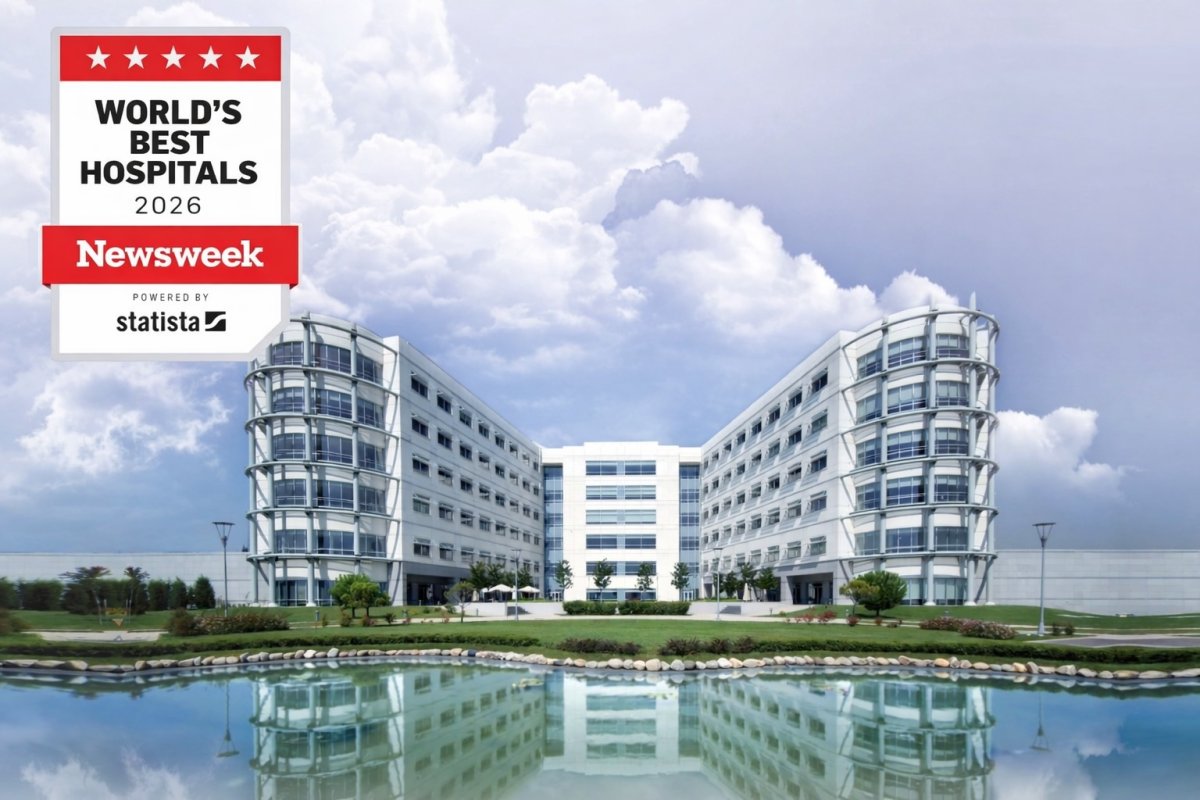






Hospital Lokman Hekim de Estambul (Lokman Hekim Istanbul Hospital)



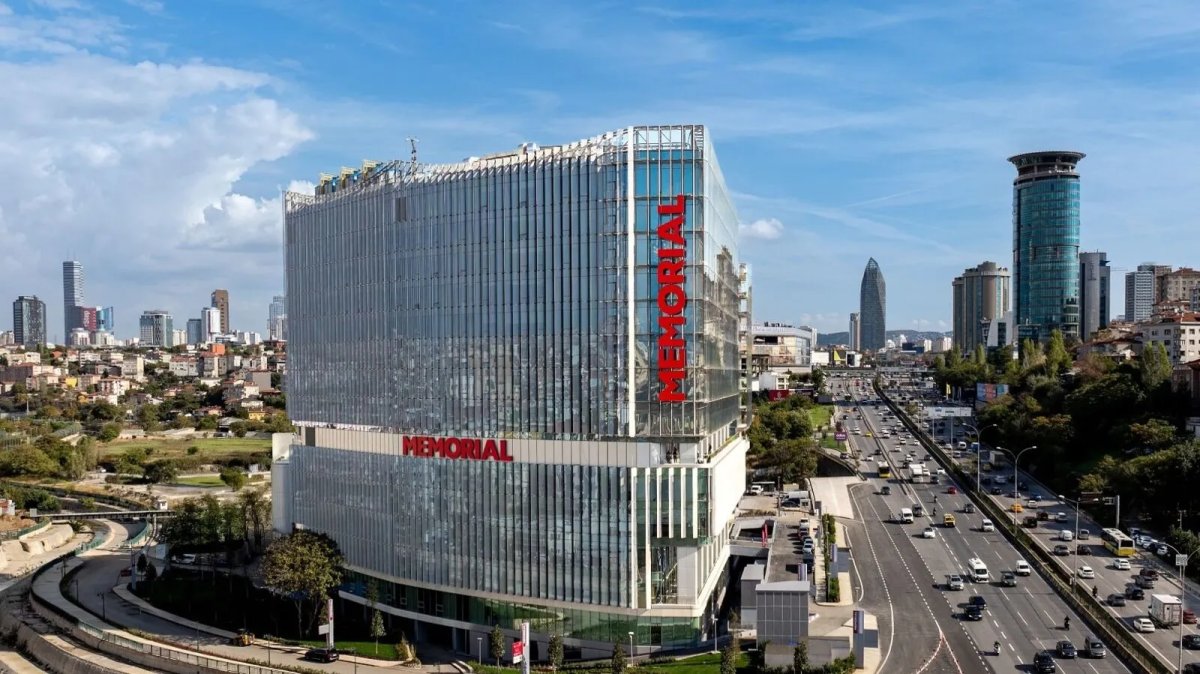
Memorial Göztepe Hospital


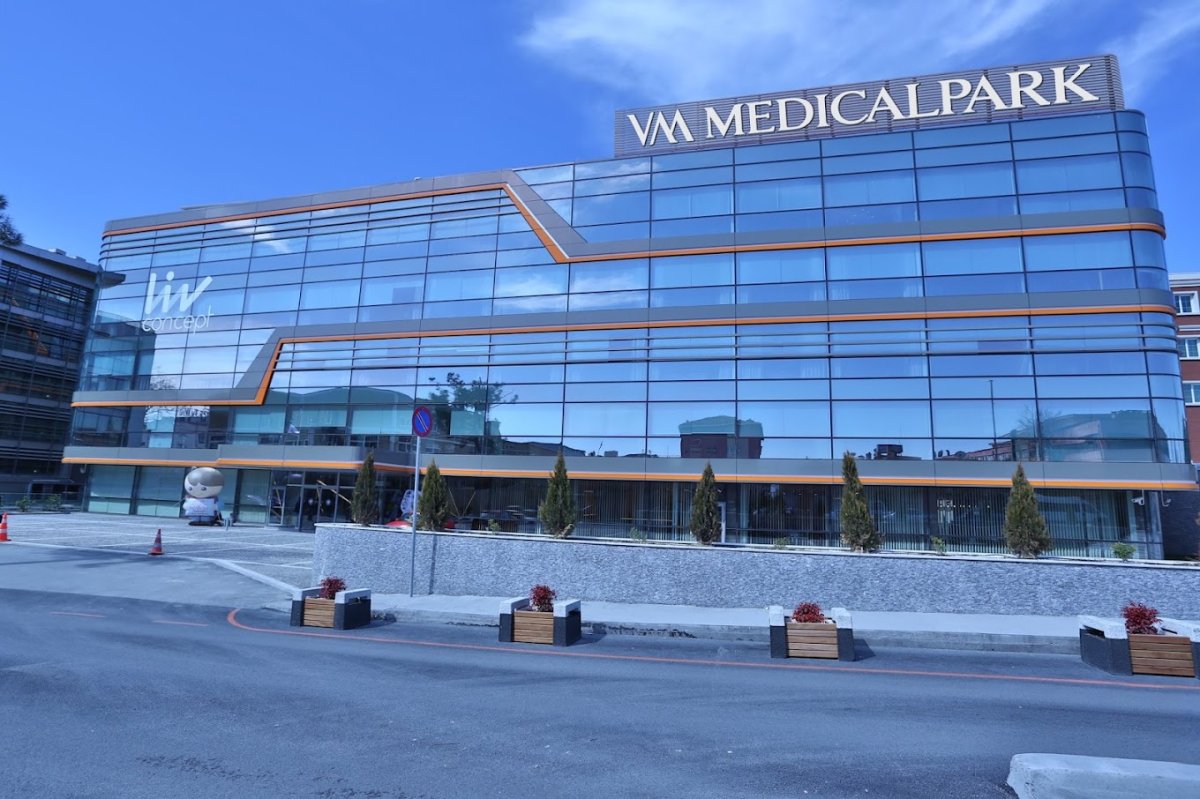
Obtenga una evaluación médica de tratamiento de Adenoma suprarrenal en Turquía: haga una consulta con 16 médicos experimentados ahora
Ver todos los médicos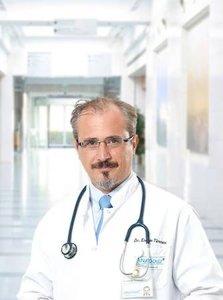
Erdem Turemen
El doctor completó su educación médica en la Escuela de Medicina de la Universidad de Trakya, la Escuela de Medicina de Cerrahpaşa y la Escuela de Medicina de la Universidad de Kocaeli. Especializándose en endocrinología, el doctor se enfoca en la diabetes, la obesidad, los trastornos de la tiroides y las enfermedades de la glándula pituitaria y las glándulas suprarrenales.<\/p>
Con una sólida formación académica, el doctor ha contribuido al campo médico con más de 25 publicacione

Fatma Ela Keskin
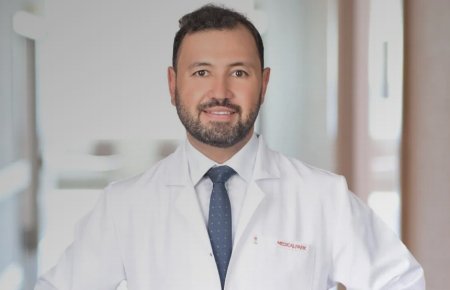
Hakan Duger
Especialista en el tratamiento del adenoma suprarrenal con amplia formación en endocrinología y enfermedades metabólicas. Actualmente ejerce en el complejo hospitalario Medical Park Antalya.
- Más de _doctor_10770_años_ de experiencia en endocrinología
- Formado en los hospitales Ankara Numune y Dışkapı Yıldırım Beyazıt
- Miembro de la Sociedad Turca de Endocrinología y Metabolismo
- Colabora con la Asociación Turca de Diabetes
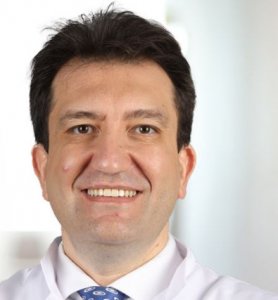
Bulent Hacimeoglu
El Prof. Bulent Hacimeoglu se especializa en endocrinología pediátrica, con un enfoque en casos de adenoma suprarrenal en niños.
- Más de _doctor_5910_ años de experiencia en endocrinología pediátrica
- Jefe del Departamento de Salud y Enfermedades Infantiles de la Universidad de Estambul Aydın
- Miembro de la Sociedad Europea de Endocrinología Pediátrica (ESPE)
- Galardonado por sus investigaciones sobre trastornos endocrinos en niños
Compartir contenido
Historias en video de pacientes de Bookimed
 Olena Sikoza
Preguntas frecuentes sobre el tratamiento de Adenoma suprarrenal en Turquía
¿Qué tan calificados están los cirujanos turcos para el tratamiento del adenoma suprarrenal?
Los cirujanos turcos están altamente calificados para el tratamiento del adenoma suprarrenal. Muchos poseen certificaciones acreditadas por la JCI y formación especializada en las principales instituciones estadounidenses como la Cleveland Clinic. Utilizan sistemas robóticos laparoscópicos y Da Vinci avanzados. Estas técnicas mínimamente invasivas garantizan una recuperación más rápida y cicatrices quirúrgicas más pequeñas.
- Experiencia especializada: Los cirujanos a menudo se especializan en subcampos de oncología endocrina u oncología urológica.
- Formación internacional: Muchos médicos completaron becas en centros globales líderes como la Cleveland Clinic.
- Tecnología avanzada: Instalaciones como Memorial Şişli utilizan los últimos sistemas robóticos Da Vinci XI.
- Atención multidisciplinaria: El tratamiento implica juntas de tumores con endocrinólogos, radiólogos y especialistas en oncología.
Perspectiva del experto de Bookimed: Si bien la habilidad quirúrgica es vital, la profundidad de la endocrinología es el verdadero diferenciador en Turquía. Especialistas como el profesor asociado Bercem Aycicek tienen más de 20 años de experiencia en el manejo de trastornos hormonales complejos. Elegir un centro con endocrinólogos especializados garantiza un equilibrio hormonal posoperatorio y una recuperación metabólica superiores.
¿Cuál es el tratamiento quirúrgico estándar para el adenoma suprarrenal en Turquía?
La adrenalectomía laparoscópica es el tratamiento quirúrgico principal para el adenoma suprarrenal en Turquía. Los cirujanos extirpan el tumor benigno a través de pequeñas incisiones utilizando cámaras especializadas. Este método mínimamente invasivo es el estándar de oro para masas hormonalmente activas o en crecimiento debido a su alto perfil de seguridad.
- Enfoque quirúrgico: La mayoría de las clínicas turcas utilizan técnicas laparoscópicas o robóticas para adenomas pequeños.
- Criterios de tratamiento: Se recomienda la cirugía para tumores hormonalmente activos o aquellos que aumentan de tamaño.
- Estrategia de preservación: Los cirujanos generalmente realizan la extirpación unilateral, manteniendo intacta la glándula suprarrenal sana.
- Alternativas avanzadas: El Hospital Memorial Şişli y Medipol Mega utilizan sistemas robóticos da Vinci para casos complejos.
Perspectiva del experto de Bookimed: Los centros de endocrinología turcos priorizan un enfoque multidisciplinario antes de la cirugía. Hospitales como el Anadolu Medical Center están afiliados a Johns Hopkins, lo que garantiza estándares internacionales de diagnóstico. Observamos una tendencia en la que los mejores cirujanos requieren pruebas endocrinas integrales y tomografías computarizadas antes de programar cualquier operación. Este riguroso examen garantiza que la cirugía solo
¿Cuál es la tasa de éxito y curación de la cirugía de adenoma suprarrenal en Turquía?
La cirugía de adenoma suprarrenal en Turquía alcanza tasas de curación funcional cercanas al 100% para afecciones benignas como el síndrome de Conn. El éxito quirúrgico en la extirpación de adenomas supera el 95% mediante técnicas laparoscópicas. Cirujanos endocrinos altamente experimentados mantienen tasas de seguridad en los procedimientos superiores al 99% en centros acreditados por la JCI en Estambul y Antalya.
- Tasa de éxito: Los cirujanos que utilizan métodos laparoscópicos reportan más del 95% de éxito en la extracción de la masa.
- Tasa de curación: La curación funcional para los adenomas productores de aldosterona se acerca al 100% después de la escisión completa.
- Estándar de seguridad: Los centros especializados mantienen tasas de seguridad del 99% para la adrenalectomía mínimamente invasiva.
- Volumen de especialistas: Los resultados óptimos se correlacionan con cirujanos que realizan al menos 6 a 10 casos suprarrenales al año.
Perspectiva de expertos de Bookimed: El éxito en Turquía está impulsado por una especialización extrema dentro de centros multidisciplinarios. Por ejemplo, el Dr. Bulent Hacimeoglu en Valued Med Hub Hospitals y el Dr. Bercem Aycicek en Liv Hospital Vadistanbul se enfocan específicamente en trastornos hormonales. Si bien el Centro Médico Anadolu atiende a 65,000 pacientes con protocolos afiliados a Johns Hop
¿Cuándo requiere un adenoma suprarrenal cirugía frente a la observación?
La cirugía de adenoma suprarrenal es necesaria cuando los tumores son funcionales o muestran signos de malignidad. Los médicos recomiendan la extirpación para lesiones mayores de 4 cm o aquellas que producen exceso de hormonas como el cortisol. Los centros turcos acreditados por la JCI favorecen la observación para adenomas no funcionales de menos de 4 cm utilizando monitoreo por TC o resonancia magnética.
- Tumores funcionales: La cirugía es necesaria si los tumores producen un exceso de cortisol, aldosterona o adrenalina.
- Umbral de tamaño: Las lesiones mayores de 4 cm generalmente requieren extirpación para prevenir la malignidad.
- Tasa de crecimiento: Se considera la cirugía activa si un tumor crece más de 0,8 cm al año.
- Densidad de imagen: Las características de alta densidad superiores a 10 unidades Hounsfield a menudo desencadenan una intervención quirúrgica.
- Protocolo de observación: Los tumores estables y no funcionales se someten a monitoreo a los 6, 12 y 24 meses.
Perspectiva de expertos de Bookimed: Los centros de oncología turcos como el Centro Médico Anadolu ofrecen una ventaja única a través de su afiliación con el Hospital Johns Hopkins. Esto permite a los pacientes recibir planes complejos de cirugía suprarrenal validados por expertos internacionales. Médicos como el Dr. Erdem Turemen se especializ
¿Cómo diagnostican los médicos en Turquía si un tumor suprarrenal es funcional o no?
Los endocrinólogos turcos diagnostican la funcionalidad de los tumores suprarrenales mediante ensayos bioquímicos especializados e imágenes de alta resolución. Los médicos realizan análisis de sangre y orina para detectar el exceso de cortisol, aldosterona y catecolaminas. Un diagnóstico preciso garantiza protocolos quirúrgicos o de seguimiento adecuados para incidentalomas y masas que producen hormonas.
- Detección hormonal: Los médicos miden las metanefrinas plasmáticas y la relación aldosterona-renina para identificar secreciones.
- Supresión con dexametasona: Esta prueba nocturna determina si los tumores están produciendo un exceso de cortisol.
- Protocolos de imagen: Las tomografías computarizadas sin contraste evalúan la densidad tumoral para diferenciar los adenomas de las neoplasias malignas.
- Evaluación clínica: Especialistas como el Dr. Erdem Turemen analizan la hipertensión y los desequilibrios electrolíticos.
Perspectiva de expertos de Bookimed: Los pacientes a menudo asumen que un escaneo claro significa que no se requiere ninguna acción. Sin embargo, los datos del Centro Médico Anadolu muestran que los estudios hormonales son obligatorios incluso para los incidentalomas diminutos. Su afiliación con Johns Hopkins garantiza que los protocolos prioricen la estadificación bioquímica compleja sobre las imágenes simples. Esto evita pas
¿Cuál es el tiempo típico de hospitalización y recuperación después de una adrenalectomía laparoscópica?
La adrenalectomía laparoscópica en Turquía generalmente requiere una estadía hospitalaria de 1 a 2 noches. La mayoría de los pacientes logran una recuperación completa dentro de las 2 a 4 semanas. Esta técnica mínimamente invasiva utiliza incisiones pequeñas. Permite una curación más rápida y menos dolor que la cirugía abierta tradicional.
- Estadía hospitalaria: La mayoría de los pacientes regresan a casa dentro de 1 a 2 noches después de la cirugía.
- Reanudación de actividades: Los pacientes a menudo comienzan a caminar el mismo día o a la mañana siguiente.
- Cronograma de trabajo: El trabajo de escritorio o la actividad ligera generalmente se reanudan dentro de 1 a 2 semanas.
- Restricciones físicas: Evite levantar más de 10 libras (4.5 kg) durante 4 semanas para prevenir hernias.
Perspectiva de expertos de Bookimed: Si bien la recuperación es rápida, el equilibrio hormonal es la variable real. Los pacientes con síndrome de Cushing pueden necesitar una reducción gradual de esteroides durante 6 a 12 meses. Especialistas como el Dr. Erdem Turemen en el Centro Médico Anadolu se enfocan en esta estabilización metabólica. La coordinación entre su cirujano y endocrinólogo es vital para una transición sin problemas después del alta.
Consenso de los pacientes: Los pacientes señalan que, aunque las incisiones son pequeñas, la