Ir a inicio

Cómo funciona

Hemos transformado el proceso de búsqueda de clínicas, haciéndolo simple, rápido y personalizado.
Responda algunas preguntasComplete un breve formulario para contarnos sobre su estado de salud y necesidades médicas.
Obtenga ofertas personalizadas3 clínicas seleccionadas especialmente según sus respuestas le proporcionan planes de tratamiento personalizados y presupuestos.
Elija la mejor opciónCompare ofertas y elija la clínica que más le convenga.
También puede consultar las 2 clínicas a continuación.
820К+ pacientes han recibido asistencia desde 2014
50 países
1,500 clínicas
6K+ reseñas
3K+ médicos calificados

¿Cuál es el precio del diagnóstico y los tratamientos de Adenoma suprarrenal en Austria? Descubra ahora

El precio se proporciona bajo petición

Descubra las mejores clínicas de tratamiento de Adenoma suprarrenal en Austria: 2 opciones verificadas y Precios

El ranking de clínicas de Bookimed se basa en algoritmos de data science, ofreciendo una comparación confiable, transparente y objetiva. Tiene en cuenta la demanda de pacientes, las puntuaciones de reseñas (positivas y negativas), la frecuencia de actualización de opciones de tratamiento y precios, la rapidez de respuesta y las certificaciones de las clínicas.

Obtenga una evaluación médica para Adenoma suprarrenal en Austria: consulte con doctores experimentados ahora

Ver todos los médicos
verificado

Anton Luger

46 años de experiencia

El Profesor Univ. Dr. Anton Luger es un endocrinólogo líder en Austria, especializado en trastornos hormonales y metabólicos.

  • Décadas de experiencia en trastornos suprarrenales e hipofisarios
  • Exjefe de Endocrinología de la Universidad Médica de Viena
  • Investigación pionera en terapias hormonales
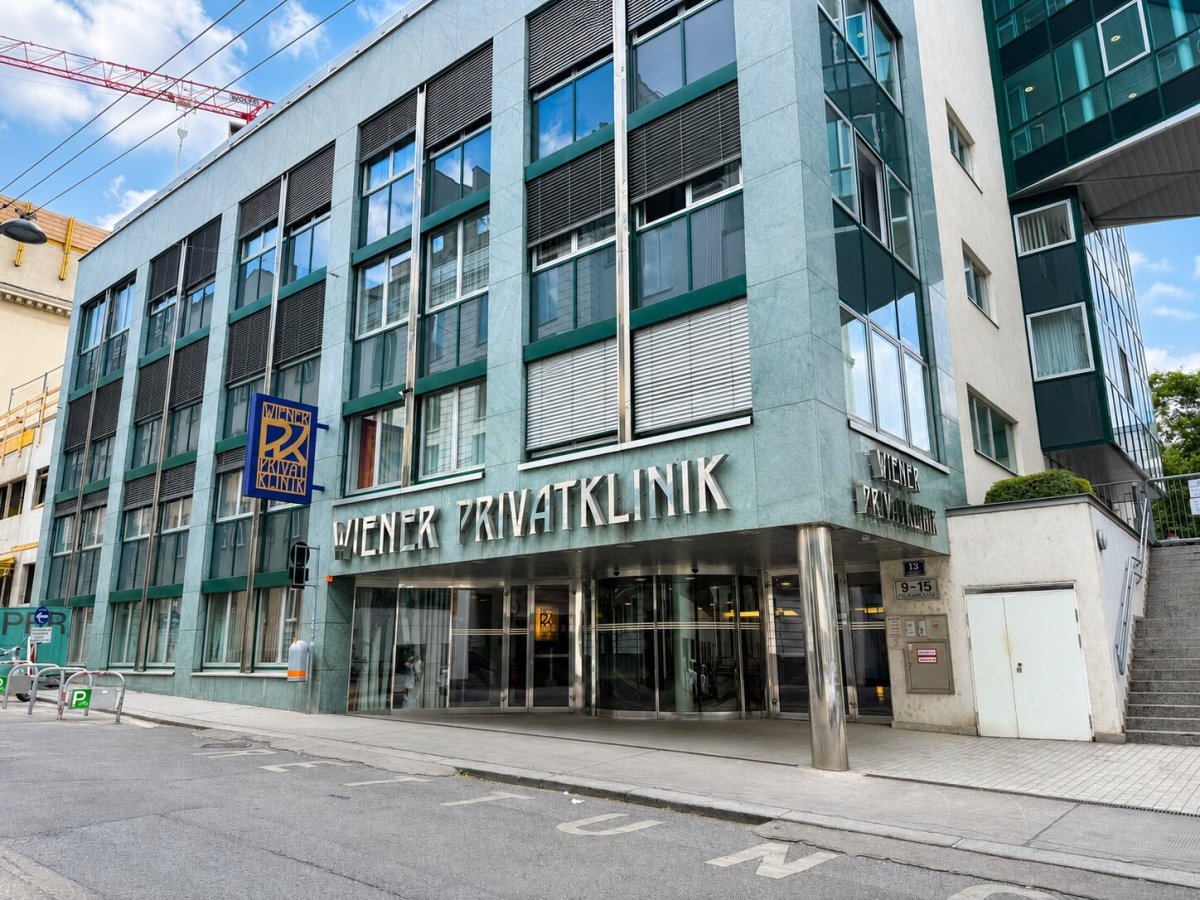
  • Consultor sénior en la Wiener Privatklinik
verificado

Philipp Riss

21 años de experiencia

El profesor universitario Dr. Philipp Riss es un destacado cirujano endocrino austriaco especializado en cirugía de las glándulas suprarrenales en la Wiener Privatklinik.

  • Especializarse en cirugía endocrina y metabólica con décadas de experiencia
  • Profesor asociado de cirugía en la Universidad Médica de Viena
  • Amplias publicaciones sobre biología de tumores endocrinos y resultados postoperatorios
  • Consultor senior en el Hospital General de Viena (AKH)
verificado

Philipp Riss

21 años de experiencia

Jefe de Endocrinología Quirúrgica del Hospital General de Viena – Philipp Riss se especializa en tumores suprarrenales y endocrinos.

  • Líder de equipo en Endocrinología Quirúrgica en el AKH Viena
  • Miembro de la Sociedad Europea de Cirujanos Endocrinos
  • Galardonado con el Premio Sandoz de investigación tiroidea
  • Presidente del Grupo de Trabajo de Endocrinología Quirúrgica en Austria

Compartir contenido

Historias en video de pacientes de Bookimed

Dayana
Combiné mis vacaciones en Antalya con un chequeo médico.
Procedimiento: Chequeo femenino
Igor
¡Fue genial! Traslados, alojamiento, tratamiento, todo incluido.
Procedimiento: Implante dental
Clínica: WestDent Clinic
Marina
Bookimed se encargó de todo. No tuve que preocuparme por nada.
Procedimiento: Chequeo femenino
Actualizado: 05/27/2022
Escrito por
Olena Sikoza
Olena Sikoza
Сopywriter en español
Copywriter médica certificada responsable del contenido en español de Bookimed. Más de 7 años de experiencia en redacción sobre salud y turismo médico, con formación académica en edición científica y desarrollo de contenidos.
Fahad Mawlood
Editor médico y Científico de datos
Médico general. Ganador de 4 premios científicos. Sirvió en Asia Occidental. Es el ex jefe del equipo médico que soporta a pacientes de habla árabe. Ahora es responsable del procesamiento de datos y la precisión del contenido médico.
Fahad Mawlood Linkedin
Esta página puede incluir información relacionada con diversas afecciones médicas, tratamientos y servicios de salud disponibles en diferentes países. Tenga en cuenta que el contenido se proporciona sólo con fines informativos y no debe interpretarse como asesoramiento médico o orientación. Por favor consulte con su médico o con un profesional médico calificado antes de comenzar o cambiar el tratamiento médico.

Preguntas frecuentes sobre el tratamiento de Adenoma suprarrenal en Austria

Estas preguntas frecuentes provienen de pacientes reales que buscan atención médica a través de Bookimed. Las respuestas son proporcionadas por coordinadores médicos experimentados y representantes autorizados de las clínicas.

Is an adrenal adenoma considered cancer?

An adrenal adenoma is a benign, non-cancerous tumor of the adrenal gland cortex. These growths are extremely common and usually discovered incidentally during imaging scans for unrelated issues. They do not spread to other organs and typically do not transform into cancer over time.

  • Tumor classification: Adenomas are benign growths that do not metastasize to distant body parts.
  • Growth patterns: These tumors generally grow slowly and maintain smooth, lipid-rich borders on scans.
  • Size limits: Benign adenomas are typically small, usually measuring under 3 to 4 centimeters.
  • Hormonal activity: Some produce excessive cortisol or aldosterone, requiring surgery despite being non-cancerous.

Bookimed Expert Insight: Expert surgeons in Vienna like Dr. Philipp Riss often prioritize adrenal gland preservation during benign tumor removal. Data from Wiener Privatklinik shows a high concentration of specialists with dual training in surgery and endocrinology. This combination is essential because hormone-producing adenomas require precise metabolic management both during and after the procedure.

Patient Consensus: Patients note that hearing the word tumor is initially terrifying. They find relief when doctors explain that most adrenal incidentalomas are harmless and only require occasional monitoring.

Do I automatically need surgery to remove the tumor?

Surgery for adrenal adenomas in Austria is not automatic. Most cases are non-functioning incidentalomas that do not require removal. Doctors assess hormone production, tumor size, and CT imaging density before recommending surgery. Small, stable growths typically undergo periodic surveillance and hormone testing.

  • Surgery criteria: Operation occurs if the tumor produces excess hormones or grows fast.
  • Size threshold: Lesions reaching or exceeding 4 cm often trigger a surgical consultation.
  • Imaging density: Low-density, lipid-rich masses on CT usually indicate benign, non-surgical cases.
  • Functional testing: Mandatory blood and urine tests check for primary aldosteronism or Cushing-syndrome.

Bookimed Expert Insight: While Döbling Private Hospital reports complication rates below nominal levels, Austrian endocrinology specialists like Dr. Anton Luger often prioritize long-term metabolic health over immediate surgery. Data shows that many patients receive successful surveillance plans rather than operations. This conservative approach avoids lifelong hormone replacement therapy if the adrenal gland remains healthy.

Patient Consensus: Patients note that endocrinologists often favor watchful waiting for small masses. Many emphasize that you should confirm if the tumor is producing hormones before discussing surgery.

What is the difference between a functional and non-functional adenoma?

Functional adenomas actively secrete excess hormones into the bloodstream. These chemicals disrupt normal body functions even when the tumor is small. Non-functional adenomas do not produce hormones. They generally remain silent until they grow large enough to press on nearby healthy organs.

  • Hormone activity: Functional tumors overproduce specific chemicals like cortisol, aldosterone, or adrenaline.
  • Symptom triggers: Systemic symptoms like hypertension or fatigue define functional types early.
  • Detection method: Doctors use blood and urine tests to identify active functional secretion.
  • Mass effect: Non-functional types cause physical pressure on tissues as they expand.

Bookimed Expert Insight: The distinction between these types is not always permanent. Our data shows specialists like Dr. Anton Luger at Wiener Privatklinik emphasize long-term monitoring. Some silent tumors later show autonomous cortisol secretion. This transition makes regular metabolic screening vital even for non-secreting lesions.

Patient Consensus: Patients note that even non-functional tumors require specialist review. They often find that surgery depends more on size and growth than just the hormone label.

What kind of medical specialist should I see in Austria?

Effective treatment for adrenal adenoma in Austria requires consultation with a specialized endocrinologist for hormone evaluation. Patients often start with a general practitioner for an initial referral. If surgery becomes necessary, an endocrine surgeon provides targeted surgical expertise at major centers in Vienna.

  • Endocrinology: Manages hormone testing for cortisol, aldosterone, and metanephrines before surgery.
  • Endocrine surgery: Focuses on adrenal gland removal using minimally invasive techniques.
  • Multidisciplinary boards: Review complex cases to decide between monitoring or surgical intervention.
  • Diagnostic imaging: Evaluates tumor size and washout details using CT or MRI.

Bookimed Expert Insight: Coordination between medical specialties is a hallmark of Austrian private hospitals. Dr. Philipp Riss at Wiener Privatklinik holds credentials in both surgery and university-level research. This dual expertise ensures that surgical planning aligns perfectly with endocrine diagnostic findings. Our data indicates that top Vienna facilities often share faculty with the Medical University of Vienna.

Patient Consensus: Patients emphasize starting with a specialist endocrinologist to handle complex hormone labs. They suggest bringing original CT or MRI scans to discuss Hounsfield units and washout rates directly.

How is the surgical procedure performed performed by Austrian doctors?

Austrian surgeons treat adrenal adenomas using minimally invasive laparoscopic techniques. Specialists prioritize small 5–10 mm incisions to reduce recovery time. Major centers like Wiener Privatklinik integrate advanced robotic systems. These technologies allow for micro-precise movements and enhanced 3D visualization during gland removal.

  • Surgical approach: Laparoscopic adrenalectomy is the standard for benign tumors.
  • Specialized expertise: Surgeons like Dr. Philipp Riss lead European endocrine standards.
  • Interdisciplinary care: Endocrinologists and surgeons collaborate to manage hormonal stabilization.
  • Advanced safety: Clinics maintain complication rates significantly below international nominal values.

Bookimed Expert Insight: Success in adrenal surgery often depends on the facility's surgical volume. Clinics like Döbling Private Hospital treat 16,000 patients annually. This high volume ensures medical teams maintain peak proficiency. Many leading surgeons also serve as professors at the Medical University of Vienna. This direct link to research ensures patients receive the most current endocrine protocols.

Patient Consensus: Patients highlight that the physical recovery is often easier than expected. Many report walking within 24 hours of laparoscopic surgery. However, they emphasize that hormonal symptoms may take weeks to fully normalize.

What does the watch-and-wait approach involve?

The watch-and-wait approach involves active surveillance of a condition through regular testing rather than immediate medical intervention. For adrenal adenomas, physicians monitor the mass via bloodwork and imaging for growth or hormone production. This protocol is prioritized when surgical risks outweigh the immediate benefits.

  • Routine imaging: Patients undergo periodic CT or MRI scans to monitor tumor size and stability.
  • Hormone surveillance: Regular blood or urine tests detect if the adenoma becomes hormone-secreting.
  • Asymptomatic focus: Monitoring is preferred for small, benign-appearing masses that do not cause symptoms.
  • Delayed intervention: Surgery is only initiated if imaging shows growth or hormone levels change.

Bookimed Expert Insight: In Vienna, selecting a facility like Wiener Privatklinik or Döbling Private Hospital provides access to university professors like Dr. Anton Luger or Dr. Philipp Riss. These specialists often utilize academic benchmarks from the Medical University of Vienna to determine if a nonfunctioning adenoma requires surgery. Their proximity to leading research ensures surveillance intervals are precisely tuned to the latest endocrine oncology standards.

Patient Consensus: Patients note that while regular scans provide reassurance of stability, the period between tests can cause significant anxiety. Many recommend keeping a private log of hormone levels and tumor measurements to track changes across different follow-up visits.

Will I need to take hormone replacements after an operation?

Hormone replacement after adrenal adenoma surgery in Austria depends on the tumor type and procedure extent. Unilateral adrenalectomy typically requires no long-term therapy if the remaining gland is healthy. Bilateral removal or specific cortisol-secreting tumors may necessitate temporary or lifelong steroid replacement to maintain blood pressure.

  • Procedure type: Removing one adrenal gland usually allows the other to compensate fully.
  • Functional tumors: Cortisol-producing adenomas often require a temporary steroid taper during recovery.
  • Bilateral surgery: Removing both glands requires lifelong replacement of cortisol and aldosterone.
  • Specialist care: Prof. Dr. Anton Luger at Wiener Privatklinik specializes in managing complex hormonal therapies.

Bookimed Expert Insight: Patients at top Vienna clinics benefit from a multidisciplinary approach where endocrine surgeons like Prof. Dr. Philipp Riss work directly with metabolic specialists. Data from Wiener Privatklinik shows this collaboration is vital for patients with Cushing's syndrome, as the remaining adrenal gland often needs weeks to resume natural hormone production after the tumor is removed.

Patient Consensus: Many patients note that feeling fatigued or nauseous after surgery is often a sign of temporary adrenal suppression rather than a failed procedure. They emphasize the importance of carrying a medical alert card if a steroid taper is required during the initial recovery weeks.

Pedir una consulta gratis

Seleccione la mejor manera de contactarle