Tratamiento de Adenoma suprarrenal en Israel — obtenga 3 coincidencias personalizadas de clínicas


Revisado médicamente por
Fahad Mawlood
Cómo funciona
¿Cuál es el precio del diagnóstico y los tratamientos de Adenoma suprarrenal en Israel? Descubra ahora
Descubra las mejores clínicas de tratamiento de Adenoma suprarrenal en Israel: 5 opciones verificadas y Precios











Tel Aviv Sourasky Medical Center (Ichilov)
Obtenga una evaluación médica de tratamiento de Adenoma suprarrenal en Israel: haga una consulta con 6 médicos experimentados ahora
Ver todos los médicos
Amit Tirosh
El Prof. Amit Tirosh es endocrinólogo sénior y jefe del Servicio de Tumores Neuroendocrinos en el Centro Médico Sheba. Se especializa en tumores neuroendocrinos (TNE).
Su trabajo se centra en los síndromes hereditarios de TNE. Está afiliado a los NIH en investigación sobre MEN1. Integra un panel internacional de expertos en VHL y ayudó a redactar las guías de manejo de VHL. Es el contacto principal en la clínica multidisciplinaria de VHL de Sheba.
Dirige el Laboratorio de Bioinf

Ilana Itzhakov
La Dra. Ilana Itzhakov se especializa en trastornos endocrinos y cuenta con más de 37 años de experiencia clínica en el Centro Médico Ichilov.
- Formada en endocrinología en el Centro Médico Ichilov
- Se centra en la insuficiencia suprarrenal crónica y las enfermedades de la tiroides
- Participa en la investigación y el desarrollo de nuevos tratamientos endocrinos
- Miembro de asociaciones médicas especializadas

Oren-asaf
El Dr. Asaf Oren se especializa en afecciones endocrinas pediátricas y ocupa un cargo de alto nivel en un hospital infantil líder en Israel.
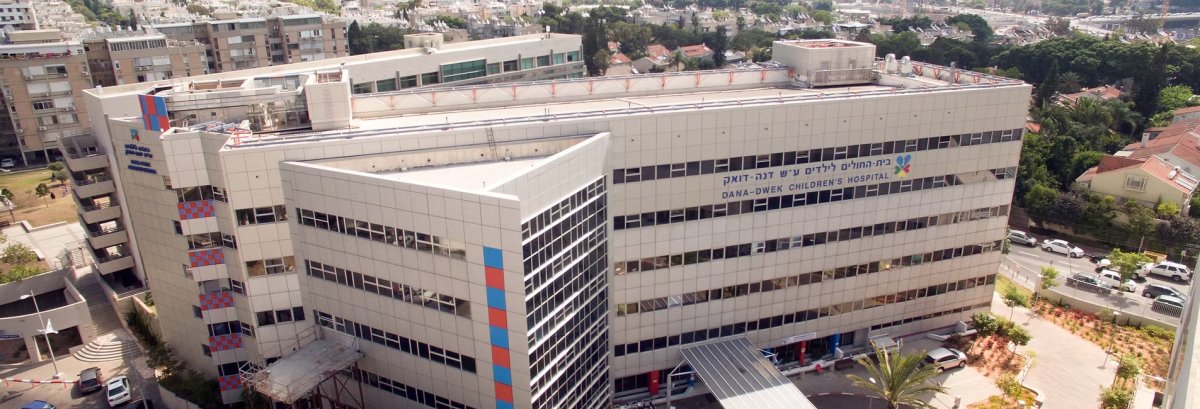
- Médico superior en la Unidad de Endocrinología Pediátrica del Hospital Infantil Dana-Dwek
- Completó dos becas en endocrinología pediátrica, incluida una en Toronto
- Instructor clínico en la Escuela de Medicina Sackler de la Universidad de Tel Aviv
- Especialización centrada exclusivamente en endocrinología pediátrica y diabetes

Uri Eal
El Dr. Uri Eal dirige uno de los pocos departamentos dedicados a la neuroendocrinología pediátrica en el Centro Médico Sourasky.
- Más de _doctor_3434_ años de experiencia en endocrinología pediátrica
- Formación de fellowship en el Hospital Infantil de Cincinnati en EE. UU.
- Director de clínicas endocrinas especializadas en niños y adolescentes
- Profesor titular en la facultad de medicina de la Universidad de Tel Aviv
- Autor de alrededor de 30 publicaciones médicas profesionales
Compartir contenido
Historias en video de pacientes de Bookimed
 Olena Sikoza
Preguntas frecuentes sobre el tratamiento de Adenoma suprarrenal en Israel
¿Qué diagnósticos iniciales se requieren en Israel para decidir si un adenoma suprarrenal necesita tratamiento?
Los diagnósticos iniciales en Israel implican tomografías computarizadas (TC) sin contraste y exámenes bioquímicos para evaluar la malignidad y la actividad hormonal. Los médicos miden la densidad del tumor en unidades Hounsfield (HU) y utilizan pruebas de supresión con dexametasona para evaluar los niveles de cortisol. Estos protocolos siguen las normas internacionales de la Sociedad Europea de Endocrinología.
- Densidad por imagen: Los adenomas benignos suelen mostrar una densidad baja de 10 unidades Hounsfield o menos.
- TC con lavado (washout): Las exploraciones con contraste con un lavado absoluto del 60% confirman que es probable que un tumor sea benigno.
- Resonancia magnética de desplazamiento químico (Chemical shift): Esta prueba radiológica alternativa identifica la pérdida de lípidos intracelulares en masas benignas.
- Estudio bioquímico: Los análisis de sangre y orina detectan el exceso de cortisol, aldosterona y metanefrinas fraccionadas.
- Umbral de tamaño: Los tumores de 4 centímetros o más a menudo requieren intervención quirúrgica independientemente de la secreción.
Perspectiva del experto de Bookimed: Los centros oncológicos israelíes como el Sourasky Medical Center (Ichilov) y Hadassah cuentan con equipos multidisciplinarios que incluyen premios Nobel y especialistas que figuran en la lista de Forbes.
¿Cuándo es obligatoria la cirugía para un adenoma suprarrenal según los protocolos israelíes?
La cirugía es obligatoria en Israel cuando un adenoma suprarrenal muestra actividad hormonal. Esto incluye tumores que causan el síndrome de Cushing o el síndrome de Conn. Los médicos también requieren cirugía para masas mayores de 4 cm. Cualquier crecimiento superior a 5 mm en 12 meses es un desencadenante clínico para la extirpación.
- Actividad hormonal: Se requiere cirugía para tumores que producen exceso de cortisol, aldosterona o catecolaminas.
- Tamaño del tumor: Las masas de 4 cm o más conllevan mayores riesgos de malignidad y requieren evaluación.
- Tasa de crecimiento: La expansión de 1 cm o más durante los períodos de observación exige una intervención quirúrgica.
- Características de imagen: Una densidad superior a 10 unidades Hounsfield en las tomografías computarizadas indica características de masa sospechosas.
- Edad del paciente: Se aplican umbrales bajos para la cirugía en pacientes menores de 40 años o durante el embarazo.
Perspectiva del experto de Bookimed: Los centros oncológicos israelíes como Sourasky reportan una tasa de éxito del 90% mediante el uso de un enfoque multidisciplinario. Las unidades especializadas a menudo incluyen neuroendocrinólogos pediátricos como el Dr. Uri Eal para casos hormonales complejos. Esta especialización garantiza que los cirujanos equilibren los riesgos de malignidad
¿Qué técnicas quirúrgicas se consideran de última generación en los principales centros israelíes?
Los principales centros israelíes utilizan cirugía asistida por robot y laparoscopia avanzada para el tratamiento del adenoma suprarrenal. Los cirujanos en instalaciones como el Sourasky Medical Center (Ichilov) emplean sistemas integrados con IA e imágenes digitales para lograr una precisión milimétrica. Estos enfoques mínimamente invasivos garantizan altos estándares de seguridad y tiempos de recuperación más rápidos.
- Plataformas robóticas: Sourasky utiliza sistemas robóticos de 4 cuadrantes para procedimientos suprarrenales centrados en tumores.
- Inteligencia artificial: La navegación impulsada por IA y las imágenes digitales ayudan a los cirujanos con el mapeo anatómico.
- Técnicas laparoscópicas: La cirugía estándar mínimamente invasiva proporciona altas tasas de éxito y una curación rápida.
- Protocolos de preservación: Los cirujanos pueden ofrecer una adrenalectomía con preservación de la corteza para mantener la función saludable del órgano.
Perspectiva del experto de Bookimed: La infraestructura médica israelí permite una especialización extrema. El Dr. Amit Tirosh en el Sheba Medical Center dirige un servicio dedicado a los tumores neuroendocrinos. Este enfoque específico es vital porque los centros de alto volumen que realizan más de 34,000 operaciones al año a menudo logran una tasa de éxito del 90% en oncología. Elegir un centro
¿Se recomienda una biopsia de tumor suprarrenal en Israel?
Las biopsias de tumores suprarrenales no se realizan de forma rutinaria en Israel. Centros líderes como Sourasky y Hadassah siguen estrictos protocolos endocrinos. Estos favorecen las imágenes no invasivas y las pruebas bioquímicas. Los especialistas israelíes evitan las biopsias debido a los riesgos de crisis hipertensiva o la diseminación de células cancerosas.
- Secuencia diagnóstica: Las clínicas priorizan los análisis hormonales de sangre y orina sobre los procedimientos invasivos.
- Imágenes avanzadas: Los médicos utilizan protocolos de TC y RM suprarrenal para confirmar la benignidad.
- Riesgo principal: La biopsia de un feocromocitoma no diagnosticado puede desencadenar una crisis hipertensiva mortal.
- Regla de metástasis: La biopsia solo se considera si la masa es una metástasis potencial.
Perspectiva del experto de Bookimed: Los centros oncológicos israelíes reportan una tasa de éxito del 90% al sustituir las biopsias por protocolos especializados de TC suprarrenal. Clínicas como Sourasky realizan 34.000 operaciones al año, a menudo pasando directamente a la cirugía para masas grandes. Este enfoque evita la tasa de complicaciones del 5% asociada con la siembra por aguja o el sangrado interno.
Consenso de los pacientes: Los pacientes señalan que los nódulos de apariencia benigna rara vez requieren una aguja y s
¿Qué hospitales y especialistas en Israel son destacados para el cuidado del adenoma suprarrenal?
Las instituciones israelíes destacadas para el cuidado del adenoma suprarrenal incluyen el Sourasky Medical Center, el Hadassah Medical Center y el Sheba Medical Center. Estos hospitales acreditados por la JCI utilizan cirugía robótica y perfiles hormonales avanzados. Endocrinólogos y cirujanos expertos coordinan la atención tanto para tumores funcionales como no funcionales en Tel Aviv y Jerusalén.
- Equipos quirúrgicos expertos: El Prof. Haggi Mazeh dirige la cirugía endocrina en el Hadassah Medical Center en Jerusalén.
- Atención pediátrica avanzada: La Dra. Naomi Vayntrub se especializa en patologías suprarrenales pediátricas en el Sourasky Medical Center.
- Altas tasas de éxito: El Sourasky Medical Center reporta una tasa de éxito promedio del 90% para tratamientos relacionados con oncología.
- Servicios especializados en tumores: El Prof. Amit Tirosh en el Sheba Medical Center dirige el servicio de tumores neuroendocrinos.
Perspectiva del experto de Bookimed: El volumen de pacientes es un indicador importante de la competencia quirúrgica en Israel. El Sourasky Medical Center atiende aproximadamente a 1,800,000 pacientes anualmente y realiza más de 34,000 operaciones. Esta escala masiva asegura que especialistas como la Dra. Ilana Itzhakov mantengan una alta exposición clínica a casos suprarrenales raros. Al seleccionar un centro, busque e
¿Necesitaré terapia de reemplazo hormonal después de una cirugía de adenoma suprarrenal?
La terapia de reemplazo hormonal depende del tipo de tumor y del tejido suprarrenal restante. La mayoría de los pacientes con adenomas no funcionales no requieren terapia. Si el tumor produce un exceso de cortisol, se necesita un reemplazo temporal mientras la segunda glándula reanuda su función. La terapia de por vida es necesaria solo si se extirpan ambas glándulas.
- Tumores no funcionales: La glándula sana produce inmediatamente todas las hormonas necesarias sin apoyo.
- Tumores secretores de cortisol: Se requiere reemplazo de glucocorticoides mientras la glándula sana suprimida restaura su actividad.
- Adrenalectomía bilateral: La extirpación de ambas glándulas requiere una terapia de reemplazo de glucocorticoides y mineralocorticoides de por vida.
- Monitoreo de la recuperación: Los especialistas monitorean los signos de insuficiencia suprarrenal, como fatiga o presión arterial baja.
Perspectiva del experto de Bookimed: Los departamentos de endocrinología israelíes en centros como el Sourasky Medical Center priorizan el cribado diagnóstico especializado antes de cualquier intervención quirúrgica. Nuestros datos muestran que expertos destacados como la Dra. Naomi Vayntrub realizan pruebas exhaustivas de supresión hormonal preoperatoria. Este protocolo ayuda a predecir exactamente qué pacientes necesitarán apoyo temporal con esteroides. Muc
¿Por qué Israel es uno de los principales destinos para la neurocirugía?
Israel es un centro líder en neurocirugía gracias a su combinación de avances médicos de alta tecnología y una experiencia quirúrgica de primer nivel. Instalaciones avanzadas como el Centro Médico Sheba utilizan sistemas de navegación basados en IA y resonancia magnética intraoperatoria en tiempo real. Centros especializados reportan una tasa de éxito del 98% en procedimientos complejos, como la craneotomía con el paciente despierto y el tratamiento de trastornos del movimiento.
- Tecnología avanzada: Las clínicas utilizan ultrasonido enfocado guiado por resonancia magnética (MRgFUS) y sistemas robóticos para realizar incisiones.
- Experiencia quirúrgica: Cirujanos como el Dr. Zvi Ram lideran asociaciones internacionales con más de 25 años de experiencia.
- Acceso rápido: Los pacientes internacionales generalmente pueden programar cirugías complejas de cerebro o columna en un plazo de 2 a 4 semanas.
- Atención médica acreditada: Grandes centros como Sourasky (Ichilov) y Assuta están acreditados por la JCI, lo que confirma su seguridad.
Opinión experta de Bookimed: Los datos muestran una clara diferencia entre las opciones de tratamiento públicas y privadas en Israel. Centros privados, como el Centro Médico Assuta, realizan más de 92.000 cirugías al año y permiten a los pacientes elegir a un cirujano líder específico. Esto supone una ventaja signi
¿Qué tipos de enfermedades neuroquirúrgicas se tratan en Israel?
Los neurocirujanos israelíes tratan una amplia gama de afecciones, desde tumores cerebrales y de médula espinal hasta trastornos funcionales complejos. Los centros especializados utilizan tecnologías de vanguardia, como el bisturí de rayos gamma, la estimulación cerebral profunda y la resonancia magnética intraoperatoria, para un diagnóstico altamente preciso de la epilepsia, la enfermedad de Parkinson y las patologías cerebrovasculares.
- Enfermedades oncológicas: tratamiento de gliomas, meningiomas y tumores hipofisarios mediante resección de la base del cráneo.
- Trastornos funcionales: tratamiento de la enfermedad de Parkinson y del temblor esencial mediante estimulación cerebral profunda.
- Patologías de columna: corrección de escoliosis, hernias discales y tumores espinales mediante sistemas robóticos.
- Tratamiento de las enfermedades cerebrovasculares: tratamiento quirúrgico de aneurismas cerebrales y malformaciones arteriovenosas mediante intervenciones endovasculares.
- Neurocirugía pediátrica: atención especializada en hidrocefalia y anomalías congénitas en centros pediátricos especializados.
Opinión experta de Bookimed: Los hospitales israelíes suelen combinar diversas especialidades para abordar casos complejos. En el Centro Médico Sourasky, neurocirujanos como el Dr. Zvi Lidar combinan neurocirugía y ortopedi
¿Qué hospitales en Israel son más conocidos por sus departamentos de neurocirugía?
Israel alberga centros neuroquirúrgicos de renombre mundial, como el Centro Médico Sourasky, el Centro Médico Sheba y el Centro Médico Hadassah. Estas instituciones son líderes mundiales en el tratamiento de tumores cerebrales complejos, enfermedades de la columna vertebral y trastornos del movimiento. Utilizan tecnologías de vanguardia como el bisturí de rayos gamma, sistemas robóticos y resonancia magnética intraoperatoria.
- Suraski (Ichilov): realiza más de 2.500 operaciones neuroquirúrgicas al año en Tel Aviv con una tasa de éxito del 98%.
- Centro Médico Sheba: clasificado entre los diez mejores hospitales del mundo, trata a 1,9 millones de pacientes al año.
- Centro Médico Hadassah: Nominado al Premio Nobel de la Paz. Líder en neurocirugía pediátrica y terapia génica.
- Centro Médico Assuta: el centro médico privado más grande de Israel. Especializado en cirugías mínimamente invasivas de columna y cerebro.
- Hospital Infantil Schneider: un centro líder en neurocirugía pediátrica que trata a 275.000 niños al año.
Opinión experta de Bookimed: Nuestros datos muestran que, si bien la mayoría de los pacientes buscan tratamiento en Tel Aviv, el Centro Médico Rambam en Haifa ofrece una atención única para neurotraumatismos. Cuenta con una unidad especializada en cuidados neurocríticos que atiende a aproximadamente un milló
¿Quiénes son los principales neurocirujanos en Israel?
Entre los neurocirujanos israelíes más destacados se encuentran los profesores Zvi Ram, Shlomi Constantini e Itzhak Fried, del Centro Médico Sourasky. Estos especialistas ocupan puestos de liderazgo en la Asociación Europea de Sociedades de Neurocirugía (EANS) y la Sociedad Mundial de Neurocirugía Estereotáctica y Funcional (WSSFN). Utilizan técnicas avanzadas de mapeo intraoperatorio y sistemas robóticos.
- Profesor Zvi Ram: experto en cirugía mínimamente invasiva de tumores cerebrales y terapia genética para el cáncer.
- Profesor Shlomi Constantini: Se especializa en procedimientos neuroendoscópicos pediátricos complejos y microcirugía para tumores cerebrales.
- Profesor Itzhak Fried: una autoridad en cirugía de epilepsia, mapeo cerebral funcional y estimulación cerebral profunda.
- Dr. Eli Ashkenazi: Cirujano ortopédico líder en el Hospital Assuta, especializado en el innovador sistema TOPS.
Opinión de los expertos de Bookimed: Los datos de Sourasky y Sheba indican una fuerte correlación entre un alto volumen quirúrgico y la seguridad del paciente. Por ejemplo, Sourasky realiza más de 34.000 cirugías oncológicas al año con una tasa de éxito del 90 %. Los pacientes que requieren la extirpación de un tumor complejo deberían priorizar centros como estos, donde los cirujanos realizan cientos de procedimientos especializados al año.