Tratamiento de Dolor en el codo en Turquía — obtenga 3 coincidencias personalizadas de clínicas


Revisado médicamente por
Fahad Mawlood
Cómo funciona
¿Cuál es el precio del diagnóstico y los tratamientos de Dolor en el codo en Turquía? Descubra ahora
| España | Turquía | México | |
|---|---|---|---|
| Descompresión del nervio cubital | ≈ $2,600 | ≈ $1,800 | ≈ $3,200 |
Descubra las mejores clínicas de tratamiento de Dolor en el codo en Turquía: 2 opciones verificadas y Precios



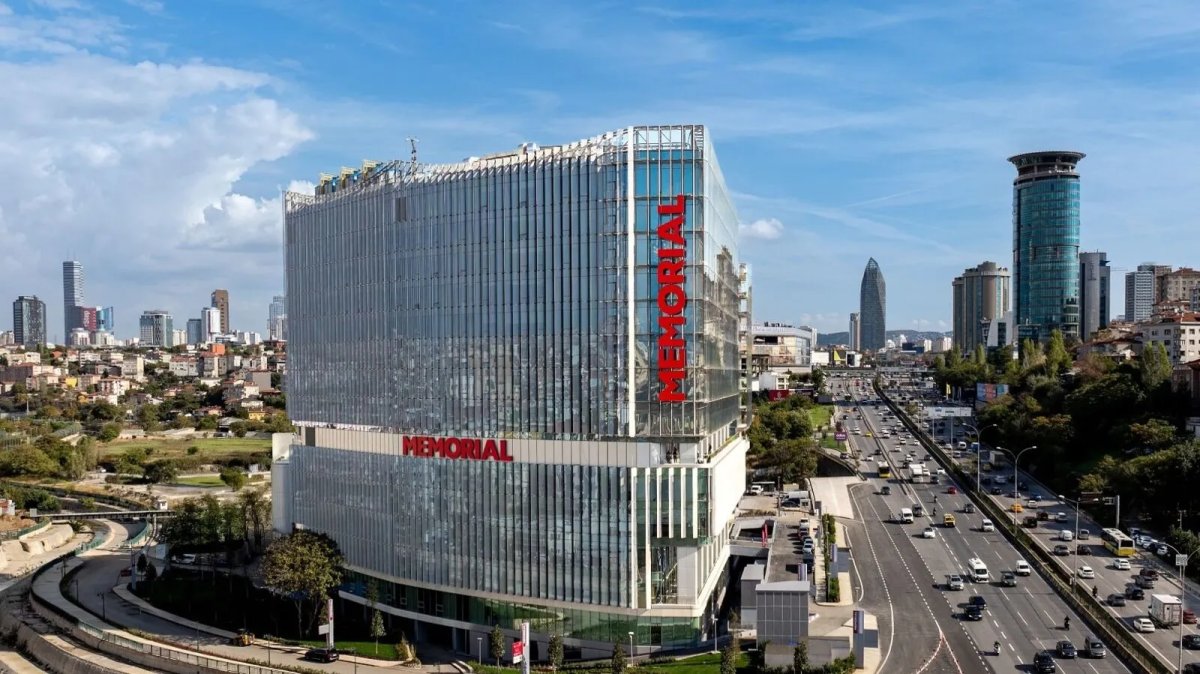
Memorial Göztepe Hospital
Obtenga una evaluación médica de tratamiento de Dolor en el codo en Turquía: haga una consulta con 8 médicos experimentados ahora
Ver todos los médicos
Fatma Gulhan Sahbaz
Especialista en afecciones neurológicas complejas como el Parkinson y los trastornos del movimiento; el Dr. Sahbaz aporta una profunda experiencia en el tratamiento del dolor de codo de origen neurológico.
- Neurólogo certificado con experiencia en tratamientos avanzados
- Miembro de la Sociedad Internacional de Parkinson y Trastornos del Movimiento
- Experto en técnicas de bloqueo nervioso para el manejo del dolor
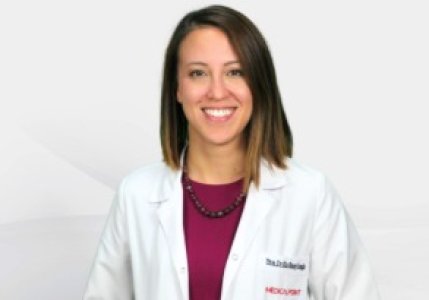
Ela Simay Zengin
La Dra. Zengin se especializa en neurología con enfoque en trastornos del movimiento y manejo del dolor, incluyendo el dolor de codo. Aporta una amplia formación y reconocimiento internacional a su práctica.
- Formada en las mejores universidades médicas de Turquía
- Miembro de asociaciones de neurología estadounidenses y europeas
- Especializada en tratamientos avanzados para trastornos del movimiento
- Experta tanto en diagnóstico como en atención integral
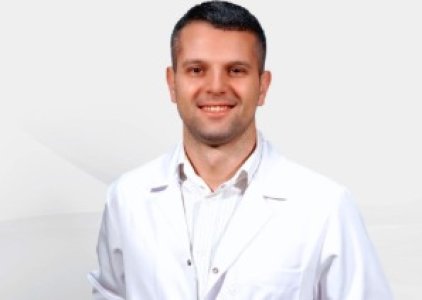
Ulvi Samadzade
El Dr. Ulvi Samadzade se especializa en trastornos del movimiento, incluidos el temblor y la distonía, con experiencia en inyecciones de toxina botulínica.
- Completó su formación en neurología en el Hospital Universitario Dokuz Eylul
- Miembro de la Sociedad Internacional de Parkinson y Trastornos del Movimiento
- Experto en tratamientos para la enfermedad de Parkinson en etapas avanzadas
- Formado en Turquía y Azerbaiyán
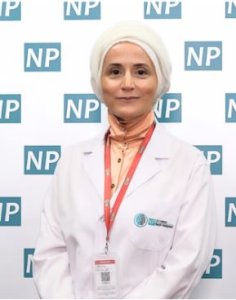
Burcu Polat
Con más de 25 años de experiencia clínica y académica, el médico es un especialista altamente cualificado en Ortopedia y Traumatología. Su experiencia clínica abarca la cirugía de mano, cirugía de pie y tobillo, artroplastia, oncología ortopédica y cirugía de trauma. El médico ha ocupado cargos importantes en varios hospitales de formación e investigación, incluido el de especialista fundador en la Clínica de Cirugía de Mano del Hospital de Formación e Investigación de Enfermedades Óseas de B
Compartir contenido
Historias en video de pacientes de Bookimed
 Olena Sikoza
Preguntas frecuentes sobre el tratamiento de Dolor en el codo en Turquía
¿Es seguro operarse del codo en Turquía?
La cirugía de codo en Turquía es segura cuando se realiza en centros acreditados por la JCI por cirujanos ortopédicos certificados. Centros como el Hisar Hospital Intercontinental atienden a más de 250.000 pacientes al año. Mantienen altos estándares en control de infecciones y soporte anestésico. La mayoría de los pacientes reportan tasas de éxito superiores al 90% en artroplastia de codo.
- Acreditación hospitalaria: Las mejores clínicas poseen la certificación de la Joint Commission International (JCI) para garantizar la seguridad.
- Credenciales del cirujano: Especialistas como el Dr. Bunyamin Berber son miembros de la Sociedad Turca de Ortopedia.
- Tecnología avanzada: Instalaciones como el Memorial Göztepe utilizan resonancia magnética de 3 Teslas asistida por IA para diagnósticos.
- Volumen de pacientes: Los principales hospitales de Estambul gestionan más de 500.000 pacientes internacionales y locales cada año.
Perspectiva del experto de Bookimed: La seguridad en la ortopedia turca está impulsada por volúmenes masivos de procedimientos. El Hospital Hisar por sí solo atiende a 250.000 pacientes al año en 61 departamentos. Esta alta frecuencia permite a los cirujanos perfeccionar las técnicas para casos complejos de articulaciones. Las clínicas más pequeñas no siempre pueden igualar el apoyo multidisciplinario disponible en estos grandes
¿Qué tipos de afecciones de codo se tratan en Turquía?
Los centros ortopédicos turcos tratan un espectro completo de afecciones del codo, incluyendo artritis, tendinitis y fracturas complejas. Clínicas especializadas en Estambul e Izmir manejan lesiones deportivas y enfermedades degenerativas mediante artroscopia avanzada. Los cirujanos realizan reemplazos articulares totales y liberaciones nerviosas en instalaciones acreditadas por la JCI como el Hisar Hospital Intercontinental.
- Artritis articular: Los cirujanos tratan la artritis reumatoide avanzada, la osteoartritis y la inflamación postraumática mediante reemplazos protésicos.
- Patologías tendinosas: La atención especializada aborda el codo de tenista y el codo de golfista crónicos después de tratamientos conservadores fallidos.
- Reparación de traumas: Procedimientos complejos manejan fracturas severas, luxaciones e inestabilidad por lesiones atléticas.
- Compresión nerviosa: Las cirugías de descompresión resuelven problemas del nervio cubital que causan entumecimiento y debilidad en los dedos.
Perspectiva del experto de Bookimed: Los especialistas ortopédicos turcos a menudo manejan más de 250,000 pacientes anualmente en centros de alto volumen como el Hisar Hospital Intercontinental. Esta escala masiva asegura que los cirujanos traten con frecuencia casos raros de rigidez postraumática. Muchas clínicas utilizan tomografías de 512 cortes y
¿Existen tratamientos no quirúrgicos para el dolor de codo?
Los tratamientos no quirúrgicos para el dolor de codo están ampliamente disponibles en Turquía. Los centros especializados utilizan terapias avanzadas como el plasma rico en plaquetas (PRP) y la rehabilitación física. Estos métodos manejan eficazmente el codo de tenista, el codo de golfista y la irritación nerviosa. La mayoría de los pacientes logran un alivio significativo sin procedimientos invasivos mediante protocolos específicos.
- Terapia de inyección: El plasma rico en plaquetas (PRP) utiliza componentes sanguíneos para estimular la curación de los tejidos.
- Rehabilitación física: Ejercicios enfocados fortalecen los músculos del antebrazo para reducir la tensión en los tendones.
- Gestión de cargas: El uso de soportes especializados y la modificación de actividades ayudan a controlar la inflamación aguda.
- Diagnóstico avanzado: Las clínicas acreditadas por la JCI utilizan resonancias magnéticas de 3 Teslas con asistencia de IA para un diagnóstico preciso.
Perspectiva del experto de Bookimed: Los centros ortopédicos turcos como el Hisar Hospital Intercontinental atienden a más de 250,000 pacientes anualmente. Los altos volúmenes de pacientes a menudo conducen a protocolos no quirúrgicos más refinados. Especialistas como el Dr. Bunyamin Berber se centran en lesiones de tendones y ligamentos. Esta experiencia específica asegura que los pl
¿Qué es la artroplastia total de codo?
La artroplastia total de codo reemplaza las superficies articulares dañadas por componentes artificiales de metal y plástico para aliviar el dolor severo. Los centros ortopédicos turcos utilizan este procedimiento para la artritis reumatoide avanzada y fracturas complejas. La cirugía restaura la movilidad fijando una prótesis de bisagra en el húmero y el cúbito.
- Diseño protésico: Los vástagos metálicos de bisagra se conectan mediante polietileno de ultra alto peso molecular para un movimiento suave.
- Indicaciones principales: Los cirujanos realizan el reemplazo por artritis reumatoide severa, fracturas conminutas o artritis postraumática.
- Preservación muscular: Los especialistas separan o levantan cuidadosamente el músculo tríceps para mantener la fuerza del brazo.
- Estándares de las instalaciones: Hospitales acreditados por la JCI, como el Hisar Hospital Intercontinental, brindan atención multidisciplinaria para casos complejos.
Perspectiva del experto de Bookimed: El volumen de pacientes es un indicador de calidad importante en Estambul. El Hisar Hospital Intercontinental atiende a más de 250,000 pacientes anualmente. Los centros de alto volumen a menudo tienen departamentos de ortopedia especializados. Estos equipos manejan traumas complejos que clínicas más pequeñas podrían no aceptar. Esta experiencia es vital para gestionar la estab
¿Se realiza la artroscopia de codo en Turquía?
Los centros ortopédicos turcos utilizan la artroscopia de codo para tratar la rigidez, los cuerpos libres y el pinzamiento articular. Especialistas en Estambul e Izmir realizan estos procedimientos mínimamente invasivos mediante pequeñas incisiones. Centros como el Hisar Hospital Intercontinental mantienen la acreditación de la Joint Commission International para la seguridad quirúrgica, garantizando protocolos estrictos de control de infecciones.
- Credenciales de expertos: Cirujanos como el Dr. Bunyamin Berber se especializan en cirugía articular artroscópica avanzada.
- Capacidad hospitalaria: El Memorial Göztepe Hospital cuenta con 19 quirófanos para casos ortopédicos complejos.
- Precisión clínica: Los médicos utilizan resonancias magnéticas de 3 Teslas para confirmar problemas estructurales del codo antes de la cirugía.
- Enfoque en rehabilitación: Los protocolos postoperatorios enfatizan la fisioterapia temprana para restaurar el rango de movimiento articular.
Perspectiva del experto de Bookimed: Los datos muestran que centros de alto volumen como el Hisar Hospital atienden a 250,000 pacientes anualmente en múltiples especialidades. Para la artroscopia de codo, este volumen sugiere una logística bien organizada para pacientes internacionales. Enfóquese en clínicas con acreditación de la Joint Commission International para garantizar los
¿Cuánto tiempo necesito quedarme en Turquía para el tratamiento?
Los pacientes generalmente permanecen en Turquía de 3 a 10 días para el tratamiento del dolor de codo. La mayoría de las evaluaciones diagnósticas e inyecciones no quirúrgicas requieren de 2 a 3 días. Las intervenciones quirúrgicas como la artroscopia suelen requerir de 7 a 10 días para un monitoreo postoperatorio seguro antes de volar.
- Estancia diagnóstica: Planifique de 1 a 3 días para imágenes y exámenes físicos especializados.
- Recuperación quirúrgica: La mayoría de los procedimientos ortopédicos requieren de 7 a 10 días, incluidos los controles de heridas.
- Atención no quirúrgica: Las inyecciones o procedimientos menores a menudo implican un período de recuperación local de 2 días.
- Autorización de viaje: Los cirujanos suelen verificar el control del dolor y la movilidad antes de autorizar los vuelos de regreso.
Opinión experta de Bookimed: Los datos sugieren elegir centros multiespecialidad como el Hisar Hospital Intercontinental para una atención más rápida. Estos centros albergan ortopedia e imágenes avanzadas como resonancia magnética de 3 Tesla en una sola instalación. Esta integración a menudo reduce los retrasos diagnósticos en 2 días en comparación con clínicas más pequeñas.
Consenso de los pacientes: Los pacientes señalan que viajar en avión puede ser incómodo después de un tratamiento de codo debido a
¿Hablan inglés los cirujanos?
La mayoría de los cirujanos ortopédicos en hospitales privados turcos hablan inglés. Los principales centros médicos requieren dominio del inglés para la acreditación internacional. Muchos especialistas recibieron formación en el extranjero o estudiaron en universidades donde el inglés es el idioma principal. Los equipos de coordinación brindan apoyo de traducción para todas las discusiones médicas.
- Acreditación internacional: Instalaciones como el Hisar Hospital Intercontinental mantienen los estándares de la JCI que requieren una comunicación clara con el paciente.
- Formación académica: Cirujanos como la Dra. Nimet Dortcan completaron títulos médicos avanzados específicamente en inglés.
- Membresías profesionales: Los especialistas a menudo se unen a organismos globales como la Academia Estadounidense de Neurología.
- Apoyo especializado: Los grandes hospitales en Estambul e Izmir emplean coordinadores internacionales dedicados a la traducción.
Opinión experta de Bookimed: Las habilidades lingüísticas a menudo difieren entre el personal médico y el de apoyo. Si bien cirujanos como el Dr. Bunyamin Berber hablan inglés con fluidez, es posible que el personal de enfermería o de recepción no lo haga. Elegir un hospital con un personal de más de 100 médicos generalmente garantiza una mejor cobertura de traducción las 24 horas del día, los 7 día