Ir a inicio
820К+ pacientes han recibido asistencia desde 2014
50 países
1,500 clínicas
6K+ reseñas
3K+ médicos calificados

¿Cuál es el precio del diagnóstico y los tratamientos de Deformidad de Haglund en Turquía? Descubra ahora

El precio se proporciona bajo petición

Sus beneficios y garantías con Bookimed

Precios directos

Bookimed no añade cargos extra a los precios de los tratamientos de Deformidad de Haglund. Las tarifas proceden de las listas de precios oficiales de las clínicas. Pagará directamente en la clínica por su tratamiento a su llegada al país.

Sólo clínicas y médicos verificados

Bookimed está comprometido con su seguridad. Solo trabajamos con las clínicas que mantienen altos estándares internacionales en el tratamiento de Deformidad de Haglund y cuentan con las licencias necesarias para atender a pacientes internacionales en todo el mundo.

Asistencia 24/7 gratuita

Bookimed ofrece asistencia experta gratuita. Un coordinador médico personal le apoya antes, durante y después de su tratamiento, resolviendo cualquier problema. Nunca estará solo en su viaje médico de tratamiento de Deformidad de Haglund.

¿Por qué nosotros?

Su coordinador médico personal de Bookimed

  • Le apoya en cada etapa
  • Ayuda a elegir la clínica y el médico adecuados
  • Asegura un acceso rápido y conveniente a la información

Descubra las mejores clínicas de tratamiento de Deformidad de Haglund en Turquía: 1 opciones verificadas y Precios

El ranking de clínicas de Bookimed se basa en algoritmos de data science, ofreciendo una comparación confiable, transparente y objetiva. Tiene en cuenta la demanda de pacientes, las puntuaciones de reseñas (positivas y negativas), la frecuencia de actualización de opciones de tratamiento y precios, la rapidez de respuesta y las certificaciones de las clínicas.

Obtenga una evaluación médica de tratamiento de Deformidad de Haglund en Turquía: haga una consulta con 8 médicos experimentados ahora

Ver todos los médicos
verificado

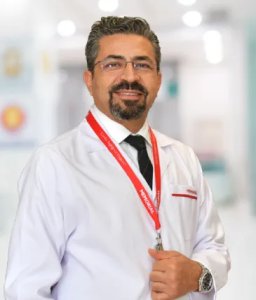
Mehmet Aydogan

76 años de experiencia

El Dr. Mehmet Aydogan es especialista en Ortopedia, Traumatología y Cirugía de Columna en el Hospital Memorial Şişli. Trabajó en Cirugía de Columna allí entre 2024 y 2025 y desde 2026 se desempeña en Ortopedia. Anteriormente dirigió el Centro de Cirugía Ortopédica, Traumatología y Cirugía Avanzada de Columna en el Hospital Emsey (2018–2022). Su experiencia incluye el EUROSPINE Surgical Spine Center of Excellence en Suiza (2022–2024) y una beca de investigación en el UCLA Comprehensive Spine Center (2009–2011). También ocupó cargos en Boğaziçi Spine Center, Medical Park Göztepe y Florence Nightingale.

Formación: Doctor en Medicina (MD), Universidad Ege (1990–1996). Residencia en Ortopedia y Traumatología en Dr. Lütfi Kırdar Kartal TRH (2000–2004). Publicaciones: 50 artículos en revistas y 37 presentaciones.

Membresías: TTB, TOTBİD, Turkish Spine Society, MINOD, NASS, SRS, European Spine Society y APSS.

verificado

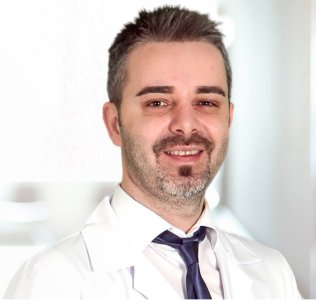
Mert Filibeli

17 años de experiencia

El Dr. Filibeli se especializa en ortopedia y traumatología, con una amplia formación en el Hospital de Enseñanza e Investigación Tepecik de la Universidad de Ciencias de la Salud.

  • Residencia en ortopedia y traumatología en una institución turca líder
  • Miembro de la Sociedad Turca de Ortopedia y Traumatología desde 2012
  • También es miembro del Consejo Turco de Educación en Ortopedia
  • Fluidez en inglés y alemán, lo que facilita una comunicación clara con el paciente
verificado

Firat Oruc

27 años de experiencia

Especialista en ortopedia con enfoque en cirugías de rodilla y cadera: el Dr. Oruc aporta una amplia experiencia en problemas articulares complejos en Medical Park Antalya.
  • Más de 15 años de práctica especializada en ortopedia
  • Experto en cirugía ortopédica tanto para adultos como pediátrica
  • Especialización completada en la Universidad Akdeniz
  • Trabajar en el Complejo Hospitalario Medical Park Antalya

Compartir contenido

Historias en video de pacientes de Bookimed

Dayana
Combiné mis vacaciones en Antalya con un chequeo médico.
Procedimiento: Chequeo femenino
Igor
¡Fue genial! Traslados, alojamiento, tratamiento, todo incluido.
Procedimiento: Implante dental
Clínica: WestDent Clinic
Marina
Bookimed se encargó de todo. No tuve que preocuparme por nada.
Procedimiento: Chequeo femenino
Actualizado: 10/21/2025
Escrito por
Olena Sikoza
Olena Sikoza
Сopywriter en español
Copywriter médica certificada responsable del contenido en español de Bookimed. Más de 7 años de experiencia en redacción sobre salud y turismo médico, con formación académica en edición científica y desarrollo de contenidos.
Fahad Mawlood
Editor médico y Científico de datos
Médico general. Ganador de 4 premios científicos. Sirvió en Asia Occidental. Es el ex jefe del equipo médico que soporta a pacientes de habla árabe. Ahora es responsable del procesamiento de datos y la precisión del contenido médico.
Fahad Mawlood Linkedin
Esta página puede incluir información relacionada con diversas afecciones médicas, tratamientos y servicios de salud disponibles en diferentes países. Tenga en cuenta que el contenido se proporciona sólo con fines informativos y no debe interpretarse como asesoramiento médico o orientación. Por favor consulte con su médico o con un profesional médico calificado antes de comenzar o cambiar el tratamiento médico.

Preguntas frecuentes sobre el tratamiento de Deformidad de Haglund en Turquía

Estas preguntas frecuentes provienen de pacientes reales que buscan atención médica a través de Bookimed. Las respuestas son proporcionadas por coordinadores médicos experimentados y representantes autorizados de las clínicas.

Is minimally invasive (endoscopic) surgery available for Haglund's Deformity in Turkey?

Minimally invasive endoscopic surgery for Haglund’s deformity is available in Turkey. Surgeons use endoscopic calcaneoplasty to remove bony bumps through small incisions. This technique avoids detaching the Achilles tendon. It ensures faster recovery times and less postoperative pain for international patients.

  • Surgical technique: Surgeons use small arthroscopy portals to visualize and remove the heel bone.
  • Advanced diagnostics: Clinics like Memorial Göztepe Hospital utilize AI-supported 3 Tesla MRI for planning.
  • Recovery timeline: Patients often return to light sporting activities within 3 weeks post-surgery.
  • Expert credentials: Specialists like Dr. Halil Can Gemalmaz use 3D patient-specific surgical guides.

Bookimed Expert Insight: Turkish orthopedic surgeons often hold multiple international fellowships from institutions like Memorial Sloan Kettering or UCLA. This global training combined with high patient volumes means surgeons are highly proficient in arthroscopic techniques. Dr. Burhan Subasi and Dr. Bunyamin Berber specifically specialize in complex foot and ankle surgery in Adana.

Patient Consensus: Patients note it is important to clarify if the surgeon will also treat Achilles tendinopathy during the procedure. Many emphasize sending MRI scans early to confirm if they qualify for the endoscopic approach.

How is recovery after endoscopic Haglund’s surgery?

Recovery after endoscopic Haglund’s surgery is generally faster than traditional open methods. Patients typically resume normal walking within 6 to 12 weeks. Small incisions reduce soft tissue damage and pain. Full return to high-impact sports usually requires approximately 6 months of rehabilitation.

  • Initial phase: Use a splint and crutches for 10 to 14 days post-surgery.
  • Transition period: Wear a walking boot with heel lifts for 2 to 6 weeks.
  • Physical therapy: Start gentle range-of-motion exercises around week 2 to prevent stiffness.
  • Activity return: Gradual transition to normal shoes begins after the sixth week of recovery.

Bookimed Expert Insight: Patient data shows Turkish specialists like Dr. Firat Oruc and Dr. Burcin Kececi integrate extensive sports medicine training into recovery protocols. This expertise is vital because endoscopic healing often outpaces tendon readiness. Doctors with over 20 years of experience typically emphasize that calf mobility is the primary factor in long-term success.

Patient Consensus: Patients note that while early pain is minimal, swelling and shoe sensitivity last longer than expected. Most advise choosing soft-backed footwear and adhering strictly to weight-bearing limits to avoid Achilles irritation.

What qualifications should I look for in a Turkish orthopedic surgeon treating Haglund's?

Choose a Turkish surgeon certified by the Turkish Board of Orthopaedics and Traumatology (TOTEK). Look for specialists with international fellowships in Foot and Ankle surgery. They should demonstrate expertise in minimally invasive techniques and calcaneal ostectomy. These credentials ensure advanced training in complex heel deformities.

  • Board certification: Verify TOTEK or European Board (EBOT) certification for orthopedic surgery.
  • International training: Prioritize surgeons with fellowships at institutions like Chicago Loyola or University of Pittsburgh.
  • Subspecialty focus: Select doctors specializing in ankle surgery, sports injuries, or deformity correction.
  • Technical expertise: Seek proficiency in arthroscopic debridement and 3D patient-specific surgical planning.

Bookimed Expert Insight: Turkish specialists demonstrate high technical versatility by combining traditional deformity correction with microsurgery. Dr. Burhan Subasi and Dr. Feridun Cilli both hold microsurgery certifications. This expertise is vital for Haglund’s surgery. It minimizes nerve irritation risks during Achilles tendon debridement and bone removal.

Patient Consensus: Patients emphasize finding a surgeon who explains the exact procedure, like Achilles reattachment or bursectomy. They note that clear timelines for boot duration and non-weight-bearing recovery are essential for peace of mind.

Is surgery always required, or are there effective nonsurgical options for Haglund’s?

Surgery is not mandatory for Haglund’s deformity. Conservative treatments are the first-line defense and prove effective for many patients. Turkish orthopedic centers recommend nonsurgical management for 3–6 months. These methods focus on reducing inflammation in the bursa and Achilles tendon rather than removing bone.

  • Footwear modification: Wearing backless shoes or clogs avoids direct pressure on the heel.
  • Heel lifts: Small inserts elevate the heel to reduce friction against shoe backs.
  • Physical therapy: Specific stretches loosen calf muscles to relieve tension on tendons.
  • Custom orthotics: Personalized inserts control high-arched motion to prevent constant rubbing.

Bookimed Expert Insight: Turkish orthopedic clinics like Memorial Göztepe Hospital utilize 3 Tesla MRI and 512-slice CT for precise diagnosis. This high-resolution imaging helps Prof. Dr. Halil Can Gemalmaz and other specialists distinguish between bone deformity and soft tissue inflammation. Patients often avoid surgery because these diagnostics allow for highly targeted nonsurgical physical therapy plans.

Patient Consensus: Patients note it's important to realize the bony bump might remain visible even when pain disappears. Many find that consistent calf stretching and switching to flexible shoes provide significant relief without needing an operation.

How long should I plan to stay in Turkey after the procedure?

Patients should plan to stay in Turkey for 7 to 10 days after Haglund’s deformity surgery. This timeframe allows for initial wound healing and essential follow-up care. Surgeons typically perform a physical examination and change dressings before issuing a fit-to-fly certificate for safe travel.

  • Early recovery: Stay 7–10 days to monitor swelling and ensure proper incision closure.
  • Follow-up care: Surgeons remove stitches or check wounds to prevent post-operative infections.
  • Travel safety: Buffer days help manage pain before sitting for long flights home.
  • Post-op checkups: Specialists verify flight safety to reduce risks from cabin pressure changes.

Bookimed Expert Insight: Orthopedic specialists in Turkey, such as Dr. Burhan Subasi, emphasize that foot surgery recovery is highly individual. While standard clinics suggest 7 days, our data indicates patients often need 10 days if the procedure involves tendon repair. Building in a 3-day buffer prevents the discomfort of traveling with acute post-surgical swelling.

Patient Consensus: Patients note that air travel is more uncomfortable than expected due to swelling. Many suggest extending your stay to ensure you are comfortable moving with crutches or a specialized boot before navigating an airport.

Pedir una consulta gratis

Seleccione la mejor manera de contactarle