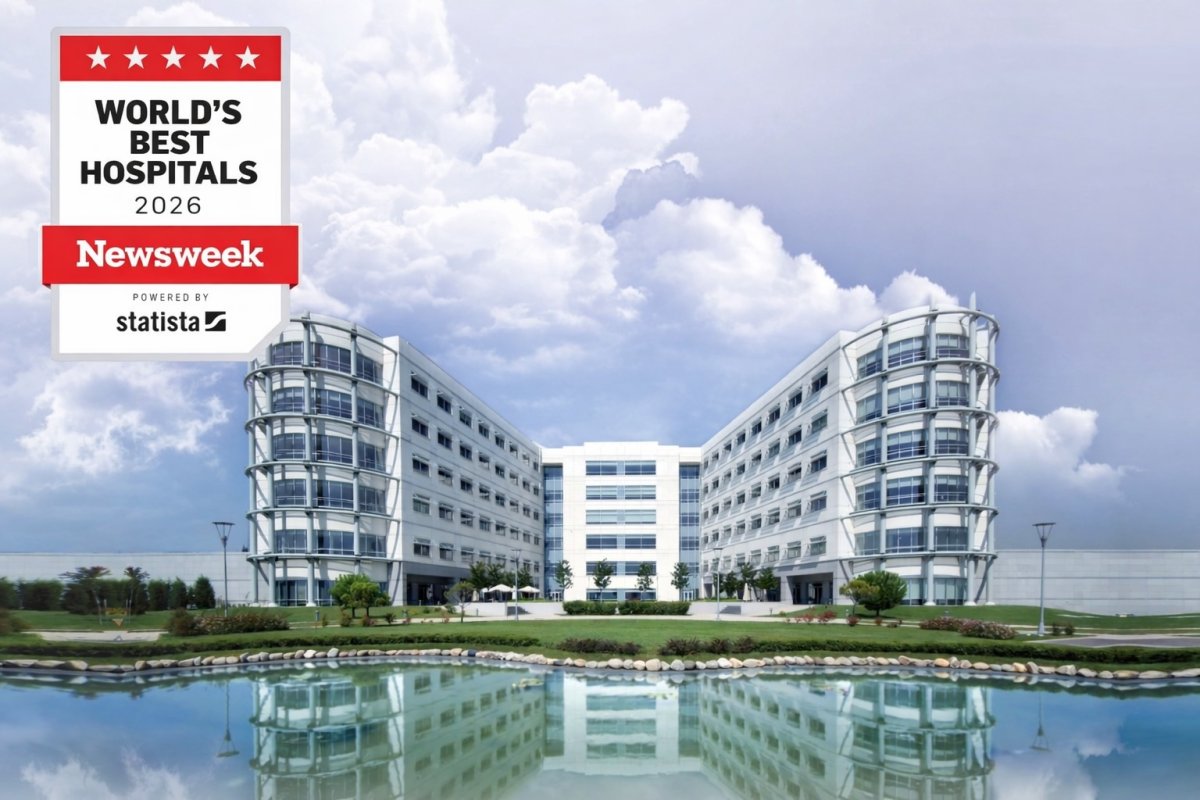
Florence Nightingale Hospital
Turquía, Estambul
Omur Gokmen Sevindik
12 años de experiencia

Clínica certificada por : 



Revisado médicamente por
Fahad Mawlood
El costo del tratamiento del linfoma no Hodgkin en Turquía varía según el plan de tratamiento y los procedimientos involucrados. Los diagnósticos iniciales, que incluyen análisis de sangre extensos, PET-CT y biopsia de médula ósea, pueden costar aproximadamente 4.700 €. Las sesiones de quimioterapia varían entre 13.200 € y 17.000 €, mientras que tratamientos más avanzados como el trasplante autólogo de células madre alcanzan hasta 80.000 €. El plan de tratamiento se adapta individualmente después de una evaluación exhaustiva por parte de un profesional médico.
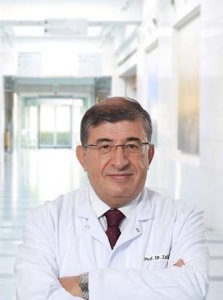

El Prof. Zafer Gulbaş es uno de los mejores médicos especialistas en linfoma de Turquía, especializado en trasplante de médula ósea. Fundó y dirige el Centro de Trasplante de Médula Ósea en el Anadolu Medical Center.

Con más de 33 años de experiencia en oncología, el Dr. Karagöz se especializa en biología tumoral e inmunoterapia en el Anadolu Medical Center.
El Prof. Sevindik se formó en la Clínica Mayo y dirige el Departamento de Hematología en el Hospital Florence Nightingale de Estambul.

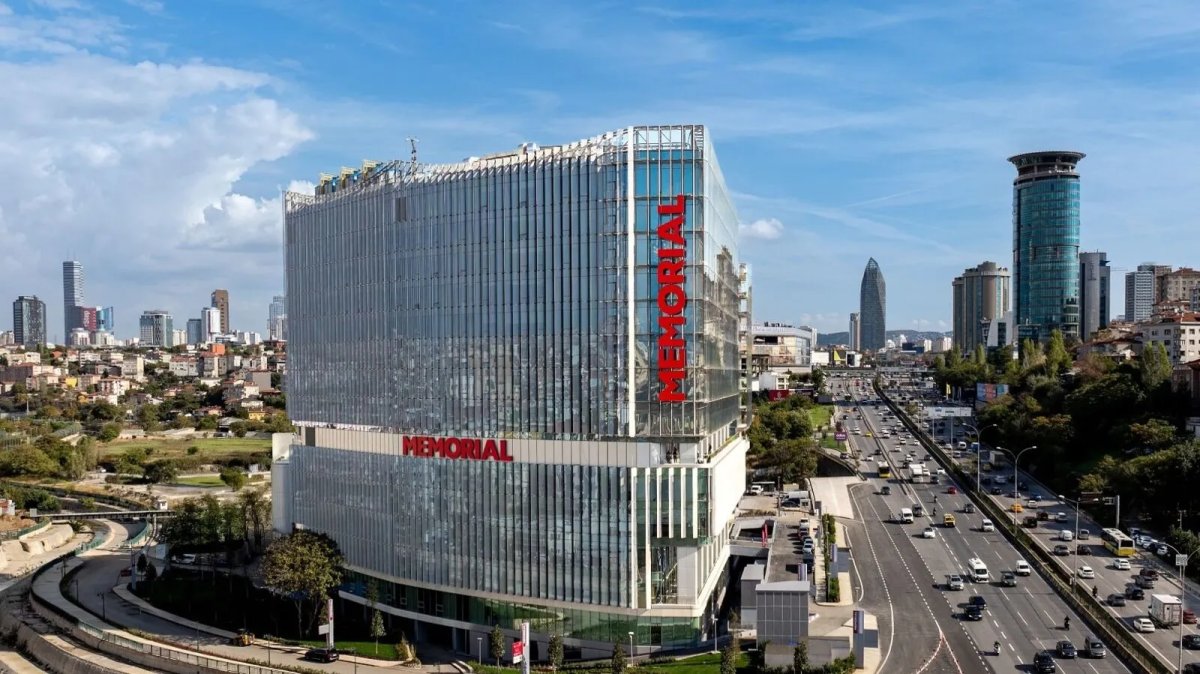
El Dr. Mutlu Arat es hematólogo en el Hospital Memorial Şişli de Estambul. Es experto en trasplante de células madre hematopoyéticas en adultos y en enfermedades internas. El Dr. Arat fue profesor visitante en la Universidad de Minnesota. Trabaja en un centro acreditado por la JCI, reconocido por su tasa de éxito del 90% en trasplantes de órganos.
 Olena Sikoza
Para su consulta inicial en Turquía, lleve su pasaporte, los resultados actuales de la biopsia y los informes de patología. Debe proporcionar los portaobjetos o bloques de patología originales e imágenes específicas. Los oncólogos turcos requieren escaneos originales de PET-CT o resonancia magnética en discos digitales para una reevaluación integral y una estadificación precisa del tratamiento.
Perspectiva del experto de Bookimed: El Centro Médico Anadolu a menudo realiza reevaluaciones de los resultados de patología a través de su asociación con Johns Hopkins. Si sus informes locales carecen de marcadores genéticos detallados como la prueba FISH, los especialistas turcos pueden requerir nuevas muestras locales. Esto asegura que su plan de tratamiento coincida con el subtipo exacto de linfoma para obtener mejores resultados a largo plazo.
Anadolu Medical Center, Memorial Sisli Hospital e Istanbul Florence Nightingale son las instituciones turcas en las que más se confía para el tratamiento del linfoma no Hodgkin. Estos centros cuentan con acreditación JCI y están equipados con departamentos especializados en oncohematología. Utilizan diagnósticos avanzados de PET-TC y respaldan programas de trasplante de médula ósea con una gran cantidad de procedimientos, dirigidos por hematólogos con certificación internacional.
Opinión de expertos de Bookimed: Los pacientes a menudo pasan por alto el período de recuperación ambulatoria al comparar paquetes de tratamiento en diferentes hospitales. Mientras que algunos centros solo incluyen los días de hospitalización, Medical Point International ofrece 60 días completos de alojamiento en hotel. Esta extensión es crucial para los pacientes con linfoma que requieren un c
Los hospitales turcos ofrecen tratamientos avanzados para el linfoma no Hodgkin mediante protocolos multidisciplinarios. Las opciones incluyen quimioterapia R-CHOP, inmunoterapia dirigida con rituximab y radiación de precisión. Los principales centros acreditados por la JCI en Estambul también realizan trasplantes de médula ósea autólogos y alogénicos. Los oncólogos especialistas utilizan PET-CT y perfiles genéticos para adaptar cada ciclo.
Perspectiva del experto de Bookimed: El volumen de casos se correlaciona directamente con la experiencia en hematología-oncología. El Dr. Zafer Gulbas en el Anadolu Medical Center ha realizado más de 3,000 trasplantes desde 2010. Este alto volumen respalda una tasa de éxito del 81% en procedimientos autólogos. Los pacientes deben buscar centros con unidades especializadas en trasplante de
Para verificar los estándares de tratamiento de linfomas en Turquía, confirme la acreditación de la Joint Commission International (JCI) para el centro específico. Los centros líderes como el Centro Médico Anadolu también cuentan con la certificación de la Sociedad Europea de Oncología Médica (ESMO). Priorice los hospitales con PET-CT en el lugar, citometría de flujo y hematopatología dedicada para un diagnóstico preciso del subtipo.
Perspectiva del experto de Bookimed: La calidad a menudo se correlaciona con la profundidad de la especialización y no con el tamaño del hospital. El Centro Médico Anadolu realiza miles de trasplantes y posee un raro ranking global entre los 10 mejores de la Medical Travel Quality Alliance. Las grandes redes como Memorial o Medical Park pueden ofrecer costos de trasplante más bajos, alrededor de $27,500, pero
El tratamiento del linfoma no Hodgkin en Turquía suele durar de 3 a 6 meses para los ciclos de quimioterapia estándar. Los casos complejos que requieren trasplante de células madre implican de 30 a 60 días de hospitalización. La recuperación fisiológica completa suele llevar varios meses después del último ciclo de tratamiento o del procedimiento de trasplante.
Perspectiva del experto de Bookimed: Los datos muestran una diferencia importante en el cronograma entre los trasplantes autólogos y alogénicos. Las sesiones autólogas en el Centro Médico Anadolu suelen requerir 30 días de hospitalización. Los procedimientos alogénicos en Medicalpoint o Antalya Medical Park a menudo se extienden a 45 o 60 días debido al seguimiento del donante. Los pacientes deben presupuestar al menos 3 meses de estancia local para garantizar una recuperación segura.
Consenso de los pacientes: Los
Los centros de oncología turcos ofrecen apoyo lingüístico integral y coordinación dedicada para visitantes internacionales. Las instalaciones acreditadas por la JCI cuentan con escritorios de atención al paciente internacional para gestionar la logística, traducciones médicas y citas. Equipos especializados facilitan trasplantes de médula ósea y quimioterapia para pacientes con linfoma no Hodgkin de más de 160 países.
Perspectiva del experto de Bookimed: El Anadolu Medical Center posee una calificación global MTQUA poco común y mantiene una asociación formal con Johns Hopkins Medicine. Nuestros datos muestran que esto se traduce en protocolos médicos estandarizados en inglés que a menudo faltan en clínicas más pequeñas. Los pacientes que requieren tratamientos de alta intensidad, como trasplantes alogénicos,