Lu Daopei
China, Pekín


Revisado médicamente por
Fahad Mawlood
De $18,800. Los gastos totales dependen de la etapa de la enfermedad, el nivel del hospital y el uso de inmunoterapias especializadas. Los pacientes a menudo obtienen ahorros del 40-70% en comparación con los EE. UU. Los principales centros de tratamiento se encuentran en Pekín y Cantón.
Costos típicos del tratamiento del linfoma no Hodgkin en China
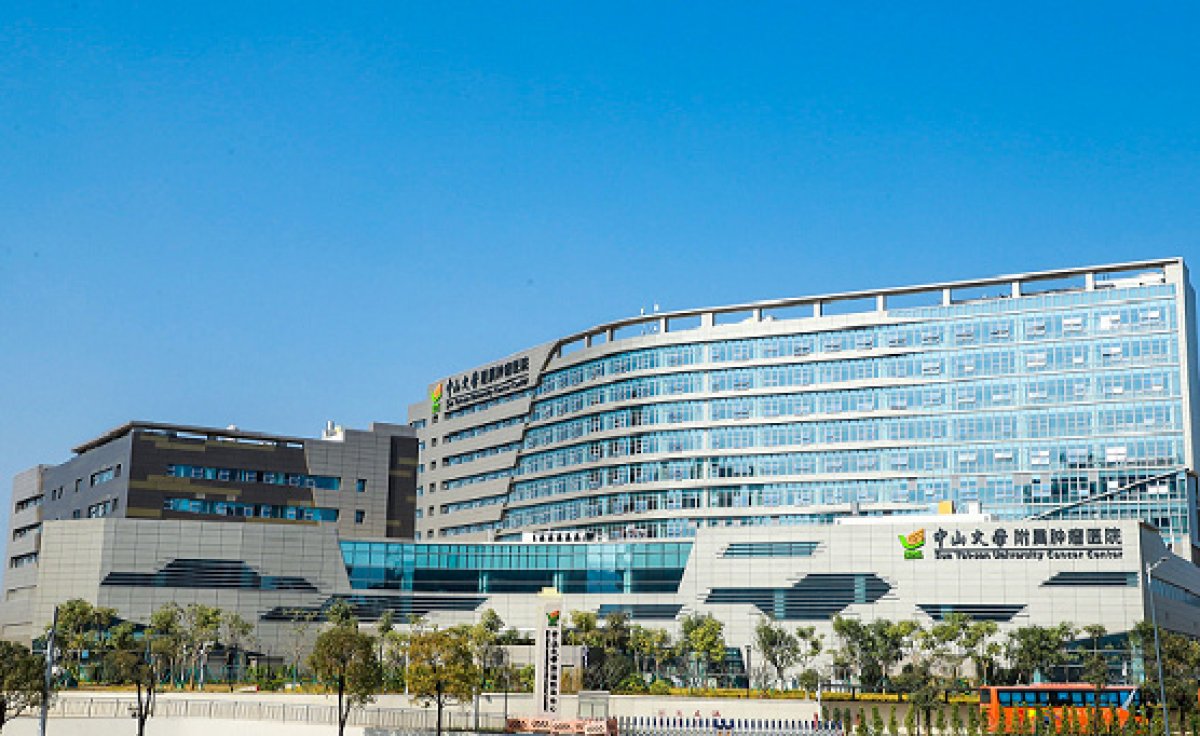
Perspectiva de expertos de Bookimed: Los pacientes con casos hematológicos complejos se benefician de centros especializados con gran capacidad de camas. El Hospital de Hematología Lu Daopei en Pekín cuenta con 1,300 camas y emplea a 350 médicos enfocados en cánceres de la sangre. Para aquellos que buscan estándares internacionales, el Hospital Internacional Yanda ofrece atención acreditada por la Joint Commission International (JCI). Los pacientes pediátricos que requieren trasplantes de células madre deben considerar especialistas como la Dra. Xiao Juan, quien dirige salas de oncología de alto riesgo.
| China | España | Turquía | |
|---|---|---|---|
| Trasplante de médula ósea | de $233,000 | de $100,800 | de $30,000 |
| Trasplante autólogo de médula ósea | ≈ $52,000 | ≈ $48,000 | de $25,000 |
| Trasplante alogénico de médula ósea de un donante no emparentado | ≈ $38,000 | de $170,000 | de $65,000 |
| Trasplante alogénico de médula ósea de un donante emparentado | ≈ $38,000 | de $130,000 | de $55,000 |
| Radioterapia para el cáncer colorrectal | ≈ $11,500 | de $7,500 | de $5,000 |
Bookimed no añade cargos extra a los precios de los tratamientos de Linfoma no Hodgkin. Las tarifas proceden de las listas de precios oficiales de las clínicas. Pagará directamente en la clínica por su tratamiento a su llegada al país.
Bookimed está comprometido con su seguridad. Solo trabajamos con las clínicas que mantienen altos estándares internacionales en el tratamiento de Linfoma no Hodgkin y cuentan con las licencias necesarias para atender a pacientes internacionales en todo el mundo.
Bookimed ofrece asistencia experta gratuita. Un coordinador médico personal le apoya antes, durante y después de su tratamiento, resolviendo cualquier problema. Nunca estará solo en su viaje médico de tratamiento de Linfoma no Hodgkin.


El profesor Xiao Yueyong es médico jefe del Departamento de Radiodiagnóstico del Hospital General del EPL de China. Es un experto líder en oncología intervencionista mínimamente invasiva. Es el primer presidente de WATA (2025–). Preside la Sociedad Internacional (2020–) y la Sociedad Asiática (2012–) de Crioterapia. También es subjefe del Grupo de Expertos de la NHC sobre regulaciones de ablación tumoral (2009–).
Ha realizado más de 100 000 procedimientos mínimamente invasivos guiados
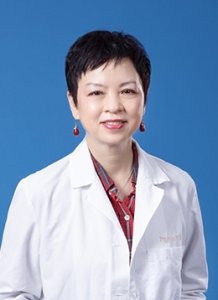
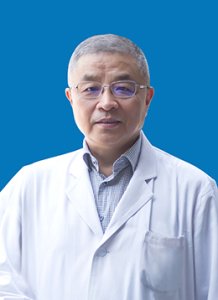
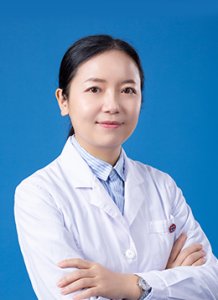
 Olena Sikoza
China ofrece terapias avanzadas para el linfoma no Hodgkin, incluidos tratamientos nacionales con células CAR-T como Relma-cel y Axi-cel. Los centros líderes también utilizan anticuerpos biespecíficos como glofitamab. El trasplante especializado de células madre hematopoyéticas sigue siendo una terapia de consolidación primaria para neoplasias agresivas de células B y T.
Opinión de expertos de Bookimed: El Hospital de Hematología Lu Daopei gestiona un volumen inmenso de 200.000 pacientes al año. Esta alta frecuencia permite a sus 350 médicos perfeccionar protocolos complejos para casos refractarios. El centro cuenta con 1.300 camas específicamente para hematología. Esta escala garantiza una profunda experiencia en el manejo de la recuperación relacionada con el trasplante y los efectos secundarios de la terapia celular.
Consenso de los pacientes:
La terapia estándar de primera línea para el linfoma no Hodgkin en China se alinea estrechamente con las directrices médicas occidentales. Los centros de gran volumen en Pekín siguen los protocolos de la NCCN. Los subtipos agresivos requieren quimioinmunoterapia inmediata. Los subtipos indolentes a menudo utilizan vigilancia activa. Ambos enfoques coinciden con los estándares internacionales de eficacia y seguridad.
Perspectiva del experto de Bookimed: El Hospital de Hematología Lu Daopei atiende a más de 200.000 pacientes al año. Este gran volumen permite a médicos como el Dr. Lu Peihua perfeccionar los protocolos de trasplante. Las grandes cohortes de pacientes a menudo conducen a salas especializadas para casos refractarios. Esta infraestructura respalda procedimientos complejos como los trasplantes de médula ósea alogénicos d
El Hospital de Hematología Lu Daopei y el Hospital de Cáncer Fuda son instituciones líderes en el tratamiento del linfoma no Hodgkin en China. Estos centros destacan en inmunoterapias celulares y protocolos de seguridad de la Joint Commission International. Gestionan un gran volumen de casos complejos. Su experiencia incluye trasplantes de médula ósea avanzados y revisión patológica especializada.
Perspectiva de expertos de Bookimed: Aunque el Hospital Lu Daopei es un líder mundial en trasplantes de médula ósea, su enorme volumen de 200.000 pacientes anuales es el mejor indicador de seguridad. Esta gran carga de casos garantiza que médicos como el Dr. Lu Peihua vean subtipos de linfoma raros a diario. Los centros de alto volumen suelen gestionar la neutropenia y las complicaciones de la quimioterapia de manera más eficaz que las instalaciones boutiqu
La medicina tradicional china (MTC) es un componente central del sistema sanitario de China. Se integra con la oncología para apoyar los tratamientos convencionales del linfoma no Hodgkin. Los médicos utilizan la MTC principalmente para controlar los efectos secundarios como la fatiga y las náuseas. También tiene como objetivo potenciar la función inmunitaria y la vitalidad sistémica.
Perspectiva de expertos de Bookimed: Los datos muestran que los centros de hematología como el Hospital de Hematología Lu Daopei mantienen enormes capacidades con 1.300 camas. Si bien estos centros se centran en la hematología moderna avanzada y los trasplantes de médula ósea, su gran tamaño a menudo permite un apoyo integrado especializado. Los pacientes pueden encontrar médicos como la Dra. Xiao Juan, que aportan una
Los pacientes internacionales permanecen en China de 2 a 180 días según su vía de tratamiento. Los diagnósticos cortos toman de 2 a 10 días. La quimioterapia requiere múltiples visitas cortas o meses de atención. Los procedimientos complejos como la terapia CAR-T o los trasplantes requieren de 1 a 6 meses para el seguimiento.
Perspectiva del experto de Bookimed: El Hospital de Hematología Lu Daopei atiende a 200,000 pacientes al año en 30 departamentos. Este volumen masivo permite a sus 350 médicos agilizar los diagnósticos. Los pacientes a menudo pueden obtener resultados de laboratorio complejos en 48 horas aquí. Esta eficiencia es vital para los casos de linfoma que requieren una estadificación rápida antes de comenzar una terapia intensiva.
Consenso de los pacientes: Los pacientes aconsejan traer los bloques de patología originales y resúmenes en inglés para evitar bio
Los pacientes internacionales superan las barreras del idioma utilizando intérpretes médicos profesionales y coordinadores bilingües para la comunicación clínica. Los centros de oncología especializados en China proporcionan documentación bilingüe para patología y planes de tratamiento. El uso de resúmenes escritos de medicamentos y dosis reduce los riesgos durante los protocolos complejos de linfoma no Hodgkin.
Opinión de expertos de Bookimed: Los centros de hematología de calidad como el Hospital de Hematología Lu Daopei atienden a más de 200.000 pacientes al año. Los hospitales de gran volumen suelen tener sistemas establecidos para casos internacionales. Elija un centro con una alta proporción de pacientes por cama para garantizar que el personal tenga experiencia en comunicación de respuesta rápida en entornos concurridos.
Consenso de los pacientes: Los pa