Tratamiento de Osteosarcoma en Turquía — obtenga 3 coincidencias personalizadas de clínicas


Revisado médicamente por
Fahad Mawlood
Cómo funciona
¿Cuál es el precio del diagnóstico y los tratamientos de Osteosarcoma en Turquía? Descubra ahora
El costo del tratamiento de osteosarcoma en Turquía varía según el plan de tratamiento. Los diagnósticos iniciales, incluidas consultas, TC y RM, oscilan entre 190 € y 1.900 €. Las sesiones de quimioterapia, que involucran medicamentos como MEPACT y ADRIAMYCIN, varían desde 330 € para quimioterapia ambulatoria hasta 13.200 € para sesiones más extensas. Los procedimientos quirúrgicos, incluida la reconstrucción modular con una prótesis tumoral, pueden costar más de 34.900 €. Tratamientos adicionales como la radioterapia en dispositivos como el ELECTRA 2020 full HD+ tienen un precio de alrededor de 4.700 €. El plan de tratamiento se adapta a cada paciente después de una evaluación exhaustiva por parte de profesionales médicos.
| España | Turquía | México | |
|---|---|---|---|
| Radioterapia para sarcomas | de $9,000 | de $5,000 | ≈ $6,500 |
| Radioterapia para el cáncer colorrectal | de $7,500 | de $5,000 | ≈ $6,000 |
| Quimioterapia para el cáncer de mama | de $1,700 | de $3,000 | ≈ $4,500 |
| Gamma Knife | de $24,900 | de $5,500 | ≈ $9,500 |
Descubra las mejores clínicas de tratamiento de Osteosarcoma en Turquía: 28 opciones verificadas y Precios






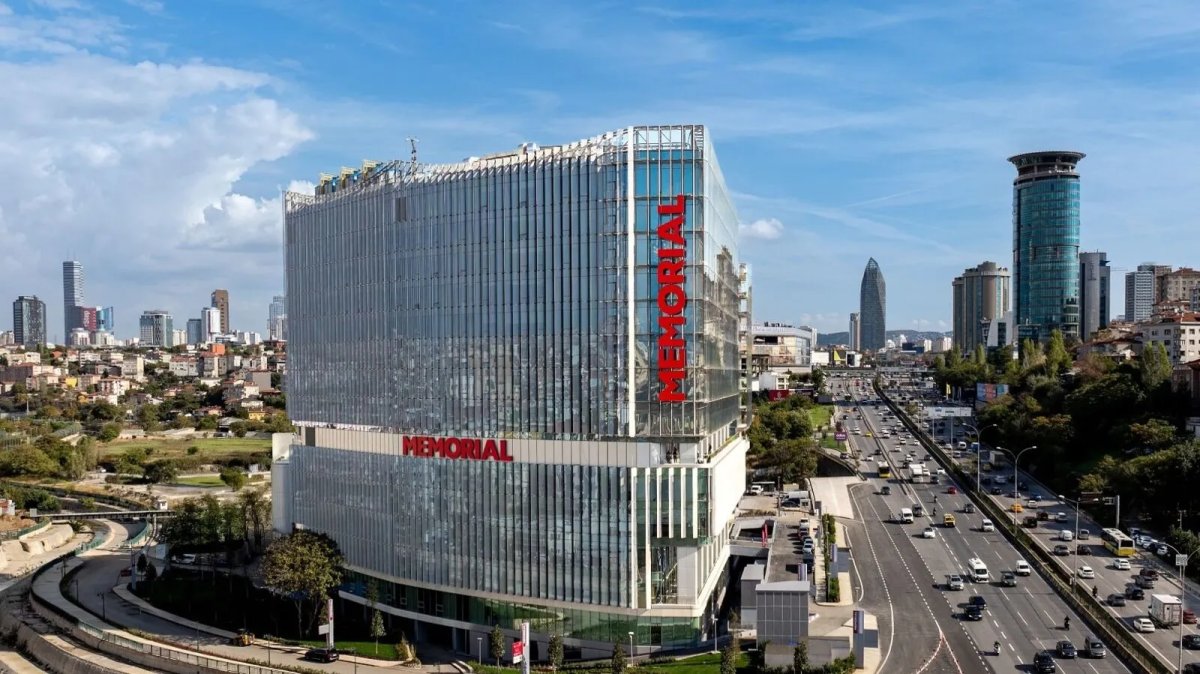
Memorial Göztepe Hospital
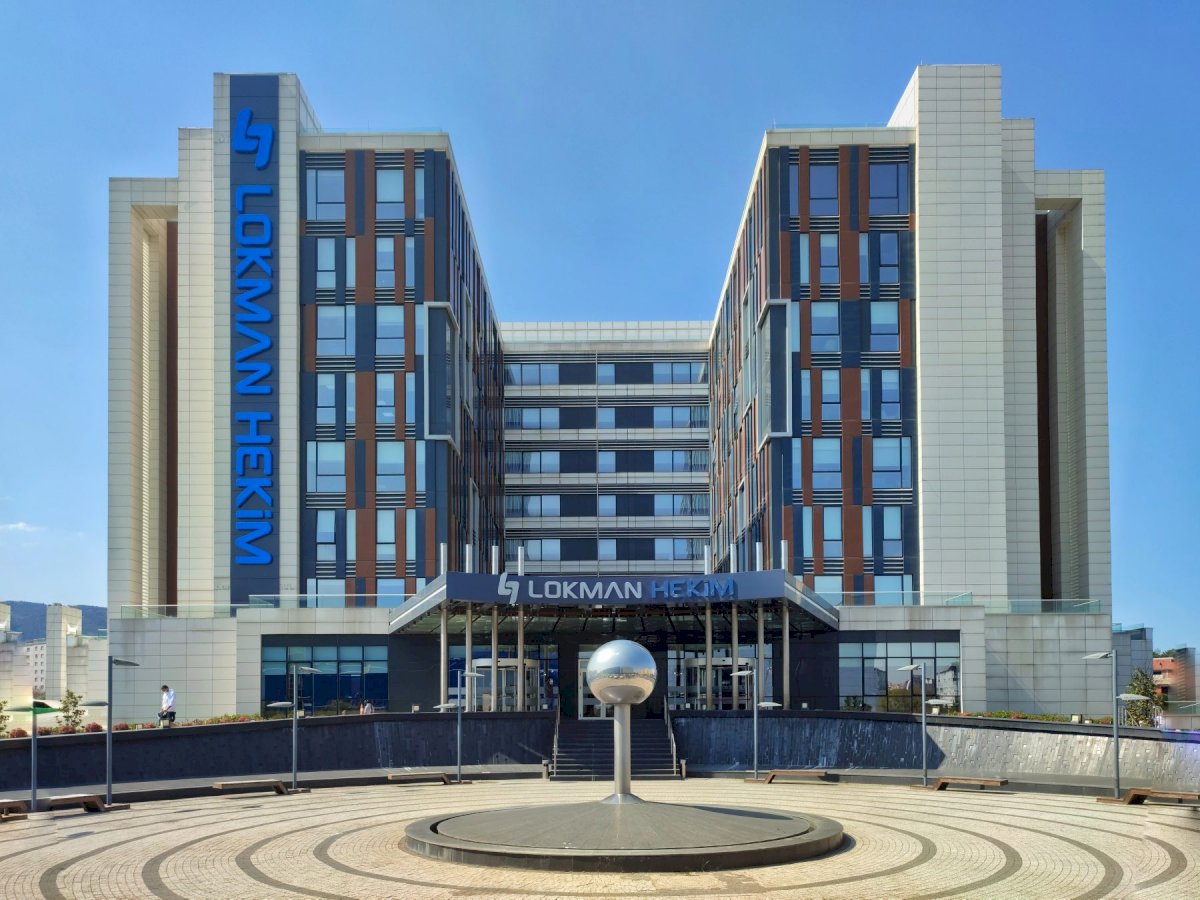
Hospital Lokman Hekim de Estambul (Lokman Hekim Istanbul Hospital)



Obtenga una evaluación médica de tratamiento de Osteosarcoma en Turquía: haga una consulta con 39 médicos experimentados ahora
Ver todos los médicos
Bulent Karagoz
Más de 900 procedimientos de osteosarcoma: el Dr. Bülent Karagöz se especializa en biología tumoral e inmunoterapia en el Centro Médico Anadolu.
- 33 años de experiencia en oncología médica
- Jefe de Oncología Médica en el Hospital de Formación GATA Haydarpaşa
- Profesor en la Facultad de Medicina de la Universidad Okan de Estambul
- Publicó más de 40 artículos en investigación sobre el cáncer
- Miembro de la Asociación Turca de Oncología Médica

Mehmet Taner Ozdemir
El Dr. Mehmet Taner Ozdemir es un ortopedista con 7 años de experiencia. Se especializa en oncología, traumatología ortopédica, cirugía artroscópica y tumores óseos y de tejidos blandos. Completó su formación médica y de especialidad en la Facultad de Medicina GATA en Ankara y recibió capacitación avanzada en el Hospital for Special Surgery de Nueva York, EE. UU.
El Dr. Ozdemir es miembro de la Asociación Turca de Ortopedia y Traumatología y de la Sociedad Europea de Tumores Musculoes
Huseyin Baloglu
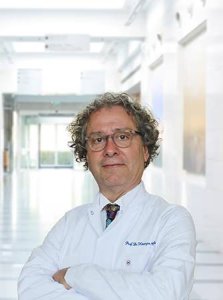
El Prof. Hüseyin Baloğlu es especialista en patología en el Centro Médico Anadolu, en Gebze, Kocaeli, Turquía. Se centra en la patología molecular y quirúrgica, y en la biopsia y el diagnóstico de tumores.
Formación y acreditaciones: Médico (MD), Escuela de Medicina de GATA (1986). Especialidad en Patología, GATA (1992). Profesor asociado (Doçent), GATA (2004). Investigador visitante en el Albert Einstein College of Medicine (Nueva York) y la Universidad de Heidelberg.
Logros: a

Sami Sokucu
El Dr. Sokucu se especializa en el tratamiento del osteosarcoma con más de _doctor_9645_ años de experiencia en ortopedia, incluyendo investigación sobre tumores óseos y deformidades.
- Certificado por el Consejo Europeo de Ortopedia y Traumatología (EBOT)
- Ha publicado múltiples estudios sobre osteoma osteoide y técnicas de alargamiento óseo
- Miembro de la facultad del Departamento de Ortopedia de la Universidad Aydın de Estambul
- Miembro de la AO turca y de la FEBOT para prácticas ortopédicas avanzadas
Reseñas
Todas las reseñasCompartir contenido
Historias en video de pacientes de Bookimed
 Olena Sikoza
Preguntas frecuentes sobre el tratamiento de Osteosarcoma en Turquía
¿Cuáles son las principales opciones de tratamiento para el osteosarcoma en Turquía?
El tratamiento del osteosarcoma en Turquía utiliza un enfoque multidisciplinario que implica cirugía de preservación de extremidades, quimioterapia neoadyuvante y reconstrucción avanzada. Los centros acreditados por la JCI en Estambul se especializan en tumores óseos pediátricos y adultos. Utilizan resonancia magnética de 3 Tesla y PET/CT para una estadificación precisa y planificación quirúrgica.
- Cirugía de preservación de extremidades: Los cirujanos priorizan la resección con reemplazo de implante sobre la amputación siempre que sea oncológicamente seguro.
- Oncología médica: Los protocolos incluyen ciclos de quimioterapia antes y después de la cirugía para combatir las micrometástasis.
- Reconstrucción avanzada: Las instalaciones utilizan tecnologías protésicas especializadas e injertos óseos para restaurar la movilidad funcional.
- Radiocirugía de precisión: Centros como el Anadolu Medical Center emplean Cyber Knife o Gamma Knife para casos complejos.
Perspectiva del experto de Bookimed: Los datos de los pacientes muestran que elegir un centro con un comité de tumores multidisciplinario es vital. En el Anadolu Medical Center, más de 150 médicos colaboran en casos complejos. Este trabajo en equipo permite a expertos como el Dr. Bulent Karagoz sincronizar la quimioterapia con la cirugía ortopédica. Esta coordinación a menudo hace posible pr
¿Por qué Turquía es un destino popular para el tratamiento del osteosarcoma?
Turquía es un destino principal para el tratamiento del osteosarcoma debido a su concentración de centros oncológicos acreditados por la JCI y especialistas certificados por la ESMO. Los pacientes acceden a cirugías avanzadas de salvamento de miembros y comités de tumores multidisciplinarios. Estas instalaciones proporcionan diagnósticos rápidos y resecciones óseas complejas a costos significativamente más bajos que en Europa Occidental o EE. UU.
- Experiencia especializada: El Prof. Dr. Bulent Karagoz y la Prof. Yesim Yildirim se especializan en inmunoterapia compleja de sarcomas.
- Imagenología avanzada: El Istanbul Florence Nightingale Hospital utiliza imágenes EOS para escaneos ortopédicos de alta precisión y baja radiación.
- Precisión quirúrgica: Centros como Anadolu Medical Center emplean sistemas MR Linac y robóticos para resecciones óseas.
- Reconstrucción integral: Los cirujanos realizan reconstrucciones de la pared torácica y de miembros utilizando implantes óseos protésicos de alto grado.
Perspectiva del experto de Bookimed: La popularidad de Turquía proviene de centros de gran volumen como Anadolu Medical Center, que atiende a 65,000 pacientes al año. Aunque muchos asumen que precios más bajos significan menos servicios, nuestros datos muestran que los paquetes de gama media suelen incluir traslados VIP y pruebas preoperatorias. El
¿Qué hospitales turcos se recomiendan para el tratamiento del cáncer de huesos?
Los hospitales turcos acreditados por la JCI, como Anadolu Medical Center y Memorial Sisli, son altamente recomendados para el cáncer de huesos. Estas instalaciones utilizan comités de tumores multidisciplinarios para gestionar casos complejos de osteosarcoma. Centros especializados en Estambul ofrecen cirugías avanzadas de preservación de extremidades y radioterapia de alta precisión para preservar la capacidad funcional.
- Experiencia especializada: Anadolu Medical Center está afiliado al Johns Hopkins Hospital para estándares oncológicos.
- Tecnología avanzada: Memorial Sisli emplea sistemas MR Linac y robóticos para resecciones tumorales precisas.
- Gran volumen: Medipol Mega University Hospital atiende a 1 millón de pacientes al año con unidades de oncología dedicadas.
- Diagnóstico integrado: Las instalaciones incluyen gammagrafía y revisión histopatológica para una estadificación precisa de sarcomas raros.
Perspectiva del experto de Bookimed: Los hospitales universitarios de alto volumen como Medipol Mega ofrecen una ventaja de seguridad significativa para los cánceres óseos raros. Nuestros datos muestran que estas instituciones mantienen 70 departamentos y 810 camas. Esta escala asegura que especialistas dedicados a sarcomas estén siempre en el sitio. Elegir un centro afiliado a una universidad a menudo brinda acceso a equipos de patolo
¿Cuánto tiempo tendré que permanecer en Turquía para un tratamiento completo del osteosarcoma?
El tratamiento del osteosarcoma en Turquía suele requerir de 7 a 10 días para la cirugía y la recuperación inicial. La atención completa, que incluye quimioterapia y cirugía de preservación de extremidades, puede extenderse durante varios meses. Los centros oncológicos turcos ofrecen instalaciones acreditadas por la JCI. Los pacientes suelen seguir protocolos escalonados que incluyen terapia preoperatoria y rehabilitación física intensiva.
- Estancia quirúrgica: Espere de 7 a 10 días para la evaluación preoperatoria y la resección ósea.
- Ciclos de quimioterapia: Los protocolos de tratamiento sistémico pueden extender el cronograma total a 8 semanas.
- Fase de rehabilitación: La fisioterapia después del reemplazo del implante óseo puede durar hasta 6 meses.
- Ventana de diagnóstico: La biopsia inicial y la revisión histopatológica generalmente toman de 3 a 7 días.
Perspectiva del experto de Bookimed: Los pacientes a menudo ahorran tiempo coordinando los ciclos de quimioterapia entre su país de origen y Turquía. El Centro Médico Anadolu atiende a más de 65.000 pacientes al año y está afiliado al Hospital Johns Hopkins. Sus especialistas, como la Dra. Yesim Yildirim, a menudo proporcionan horarios ciclo por ciclo antes del viaje. Esto permite a los pacientes planificar su viaje en torno a las ventanas de tratamiento de 21 días en lugar de permane
¿Existen ensayos clínicos disponibles para el osteosarcoma avanzado o recurrente en Turquía?
Los ensayos clínicos para el osteosarcoma avanzado o recurrente están disponibles en Turquía. Los principales centros participan en estudios globales de fase 2 y 3. Estos ensayos investigan terapias dirigidas e inmunoterapias. Los pacientes a menudo acceden a ellos a través de departamentos de oncología especializados en instalaciones acreditadas por la JCI en Estambul.
- Centros de investigación: El Centro Médico Anadolu opera una unidad de investigación clínica para innovaciones globales.
- Oncólogos especializados: El Dr. Murat Ayhan se desempeña como investigador principal en múltiples ensayos globales.
- Elegibilidad del paciente: El cribado determina si los perfiles moleculares coinciden con los estudios de terapia dirigida o inmunoterapia activos.
- Diagnóstico avanzado: El PET-CT digital y las tomografías computarizadas de 512 cortes ayudan en la estadificación y el seguimiento de los ensayos.
Perspectiva del experto de Bookimed: Busque oncólogos con liderazgo específico en ensayos, como la Dra. Eda Tanrikulu o el Dr. Murat Ayhan. Nuestros datos muestran que estos médicos han gestionado directamente estudios clínicos internacionales. Esta experiencia es vital para navegar por protocolos de ensayo complejos. Seleccionar a un investigador principal aumenta sus posibilidades de acceder a nuevas terapias antes de que lleguen a la atención e
¿Quién compone el equipo multidisciplinario que garantiza una atención de alta calidad para el osteosarcoma en Turquía?
La atención de alta calidad para el osteosarcoma en Turquía es proporcionada por juntas de tumores multidisciplinarias que incluyen oncólogos ortopédicos, oncólogos médicos y radiólogos especializados. Estos equipos se centran en la cirugía de preservación de extremidades y protocolos de quimioterapia personalizados. La mayoría de los centros cuentan con la acreditación de la Joint Commission International para garantizar estándares estrictos de seguridad y tratamiento.
- Oncólogos ortopédicos: Cirujanos como el Dr. Samet Sokucu realizan complejas resecciones y reconstrucciones óseas.
- Oncólogos médicos: Expertos certificados manejan terapias dirigidas, inmunoterapia y regímenes de quimioterapia de alta dosis.
- Radiólogos especializados: Los equipos utilizan TC de 512 cortes y RM de 3 Tesla para una estadificación precisa del tumor.
- Especialistas en rehabilitación: Expertos coordinan la fisioterapia postquirúrgica para restaurar la función y movilidad de la extremidad.
Perspectiva de expertos de Bookimed: Nuestros datos sugieren buscar clínicas con un alto volumen de casos oncológicos complejos, como el Centro Médico Anadolu, que atiende a 65.000 pacientes al año. La presencia de juntas de tumores multidisciplinarias dedicadas es una señal clave de calidad. Estas juntas a menudo incluyen especialistas con más de 20 años de experiencia que h