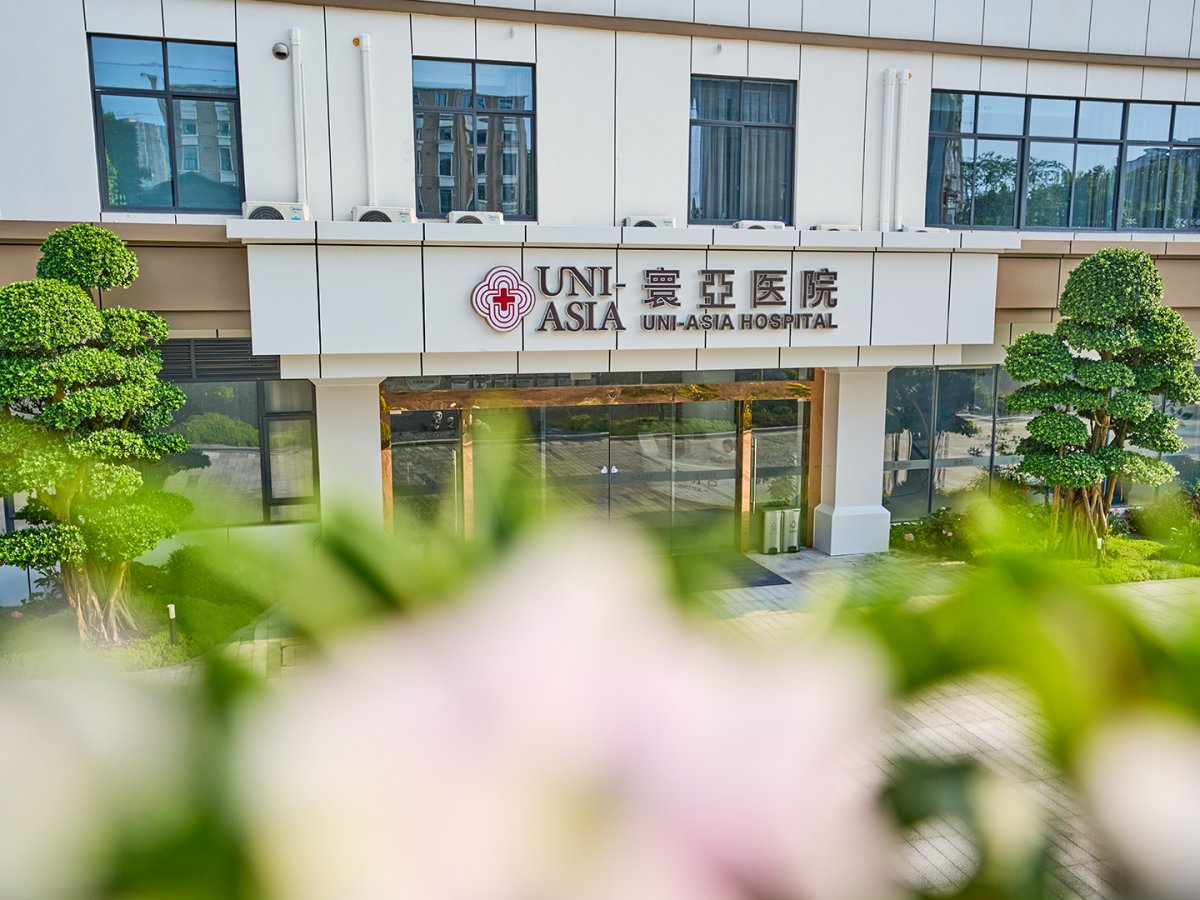
Fuda Cancer Hospital
China, Cantón


Revisado médicamente por
Fahad Mawlood
El costo del tratamiento del osteosarcoma en China generalmente incluye procedimientos de diagnóstico por imagen y terapéuticos especializados. Una tomografía por emisión de positrones (PET-CT) oscila entre Precio a consultar y Precio a consultar, mientras que las opciones de salvamento de extremidades, como la resección ósea con reemplazo de implante, cuestan entre Precio a consultar y Precio a consultar. Los gastos totales dependen del estadio del tumor, los ciclos de quimioterapia necesarios y el nivel del hospital. Los pacientes pueden obtener ahorros del 40-70% en comparación con los EE. UU. Los principales centros de tratamiento incluyen Guangzhou y Xiamen.
Costos típicos del tratamiento del osteosarcoma en China
Perspectiva de los expertos de Bookimed: Los pacientes con osteosarcoma avanzado o en etapa tardía se benefician de alternativas terapéuticas mínimamente invasivas. El Hospital Oncológico Fuda en Guangzhou es el primer centro oncológico acreditado por la JCI en China. Se especializa en criocirugía y tecnologías NanoKnife para casos complejos. Estas opciones ofrecen valor para quienes buscan alternativas a la quimioterapia tradicional. Para radioterapia de precisión, el Dr. Liu Shi Xin en el Hospital Humanity de Xiamen ofrece protocolos expertos de IMRT y SBRT.
| China | España | Turquía | |
|---|---|---|---|
| Radioterapia para sarcomas | ≈ $9,000 | de $9,000 | de $5,000 |
| Radioterapia para el cáncer colorrectal | ≈ $7,500 | de $7,500 | de $5,000 |
| Quimioterapia para el cáncer de mama | ≈ $14,800 | de $1,700 | de $3,000 |
| Gamma Knife | de $4,000 | de $20,400 | de $5,500 |
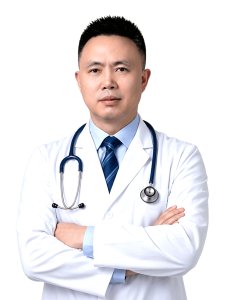
Médico jefe y profesor. Experto de nivel 1 en el Centro Oncológico del West China Hospital, Sichuan University (clasificado n.º 2 en China). Completó un posdoctorado en radiología intervencionista en el Chinese PLA General Hospital. Dirige equipos multidisciplinarios (MDT) para tumores complejos. Experto en oncología intervencionista mínimamente invasiva para cánceres de hígado, pulmón y páncreas.
Acreditaciones: Miembro del consejo, WATA. Miembro de los comités de CACA y CMDA sobre in

El profesor Luo Xiaoping es un radiólogo intervencionista reconocido a nivel nacional y una autoridad destacada en el oeste de China. Comenzó a realizar intervenciones vasculares pioneras a principios de la década de 1990. Ayudó a fundar el Grupo de Intervencionismo del Segundo Hospital Afiliado de la Universidad Médica de Chongqing.
Ha realizado más de 100 000 procedimientos intervencionistas, incluidos unos 4 000 casos complejos. Sus competencias clave incluyen TACE para el carcinoma

El Dr. He Weibing es pionero de la crioablación con argón‑helio en China, con más de 20 años de práctica en primera línea. Fue miembro fundador del Hospital Oncológico Fuda (Guangzhou). Cofundó su Centro de Tratamiento Tumoral Mínimamente Invasivo y fue subdirector ejecutivo. También ayudó a crear el Grupo de Ablación de la Asociación China contra el Cáncer. Ha sido operador principal en más de 10.000 procedimientos.
Se especializa en crioablación tumoral y domina la braquiterapia con

El profesor Xiao Yueyong es médico jefe del Departamento de Radiodiagnóstico del Hospital General del EPL de China. Es un experto líder en oncología intervencionista mínimamente invasiva. Es el primer presidente de WATA (2025–). Preside la Sociedad Internacional (2020–) y la Sociedad Asiática (2012–) de Crioterapia. También es subjefe del Grupo de Expertos de la NHC sobre regulaciones de ablación tumoral (2009–).
Ha realizado más de 100 000 procedimientos mínimamente invasivos guiados
 Olena Sikoza
China utiliza un protocolo multimodal para el osteosarcoma. Esta estrategia combina quimioterapia neoadyuvante, cirugía de salvamento de extremidades y quimioterapia adyuvante postoperatoria. Los médicos siguen las directrices de la Sociedad China de Oncología Clínica. Estos protocolos priorizan regímenes de medicamentos de alta dosis y cirugía de precisión para maximizar la supervivencia. El tratamiento exitoso a menudo implica cuidados hospitalarios intensivos.
Perspectiva del experto de Bookimed: Los centros oncológicos chinos a menudo favorecen un modelo de quimioterapia hospitalaria de alta intensidad. El Hospital de Cáncer Fuda destaca por ofrecer más de 10 tipos de terapias mínimamente invasivas. Esta variedad permite a los médicos tratar casos avanzados donde la cirugía estándar podría ser difícil. Su enfoque en tecnología como NanoKnife brinda opciones para pacientes en etapas avanzadas de más d
China ofrece terapias avanzadas contra el osteosarcoma, incluidos agentes dirigidos e inmunoterapias basadas en células. Los centros especializados utilizan inhibidores de múltiples quinasas y ablación criocirúrgica para casos metastásicos. El país alberga el 14% de los ensayos clínicos mundiales sobre osteosarcoma. Las instalaciones líderes integran el perfil genómico con protocolos de oncología de precisión para tumores óseos refractarios.
Perspectiva de expertos de Bookimed: Los datos clínicos de instalaciones acreditadas por la JCI, como el Fuda Cancer Hospital, indican un cambio hacia el manejo multimodal. Su enfoque utiliza más de 10 tipos de terapias mínimamente invasivas para tratar el cáncer en etapa avanzada. Observamos que los centros de alto volumen que atienden a más de 30,000 pacientes internacionales a menudo combinan
China alberga centros oncológicos de primer nivel como el Fuda Cancer Hospital y el Xiamen Humanity Hospital. Estas instalaciones se especializan en cirugías de salvamento de extremidades y ablación avanzada. Muchos cuentan con acreditación JCI y emplean equipos multidisciplinarios. Tratan sarcomas complejos utilizando radioterapia precisa y protocolos dirigidos.
Perspectiva del experto de Bookimed: El volumen de pacientes es un indicador de calidad importante en China. El Fuda Cancer Hospital trata a más de 30.000 pacientes al año y mantiene una calificación de 4,6 estrellas. Este alto volumen a menudo se correlaciona con mejores resultados quirúrgicos en cánceres óseos raros. Recomendamos elegir centros con departamentos dedicados a tumores óseos en lugar de clínicas generales.
Consenso de los pacientes: Los pacientes enfatizan la importancia de encon
La Medicina Tradicional China (MTC) sirve como terapia adyuvante de apoyo junto con la cirugía y la quimioterapia con múltiples agentes en China. Optimiza los resultados al mitigar los efectos secundarios y apoyar el sistema inmunológico. Los protocolos integrados a menudo incluyen acupuntura y formulaciones a base de hierbas para mejorar la calidad de vida del paciente y la tolerancia a los regímenes oncológicos intensos.
Perspectiva del experto de Bookimed: Mientras que los grandes centros como el Hospital Xiamen Humanity se centran en la radioterapia de alta precisión, instalaciones como el Hospital Fuda Cancer en Guangzhou demuestran la tendencia regional de ofrecer más de 10 tipos de terapias mínimamente invasivas para reducir
Los pacientes internacionales pueden acceder eficazmente a atención oncológica especializada en China utilizando instalaciones acreditadas por la JCI y alas médicas internacionales dedicadas. Los centros modernos ofrecen diagnósticos rápidos y terapias avanzadas. Navegar por el sistema requiere visas médicas preestablecidas, configuración de pagos digitales y coordinación a través de departamentos de pacientes internacionales.
Opinión de expertos de Bookimed: Los datos del Fuda Cancer Hospital muestran que han tratado a más de 30.000 pacientes de 100 países. Este alto volumen internacional indica que elegir grandes centros terciarios en ciudades como Guangzhou o Xiamen simplifica el proceso de documentación. Estas clínicas están mejor equipadas para manejar pasaportes extranjeros y proporcionar las cartas de invitación oficiales necesarias pa