Tratamiento de Lesión de la médula espinal en Turquía — obtenga 3 coincidencias personalizadas de clínicas


Revisado médicamente por
Fahad Mawlood
Cómo funciona
¿Cuál es el precio del diagnóstico y los tratamientos de Lesión de la médula espinal en Turquía? Descubra ahora
Descubra las mejores clínicas de tratamiento de Lesión de la médula espinal en Turquía: 26 opciones verificadas y Precios





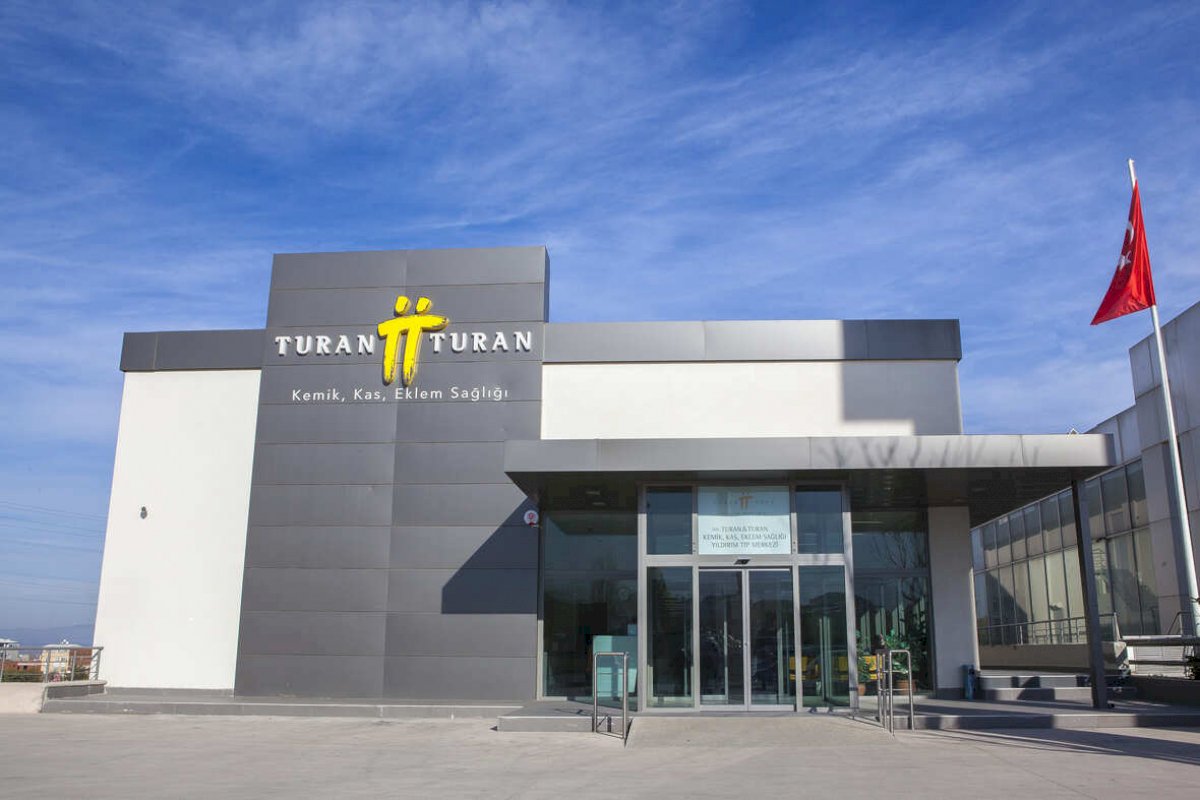
Turan Turan Health Group

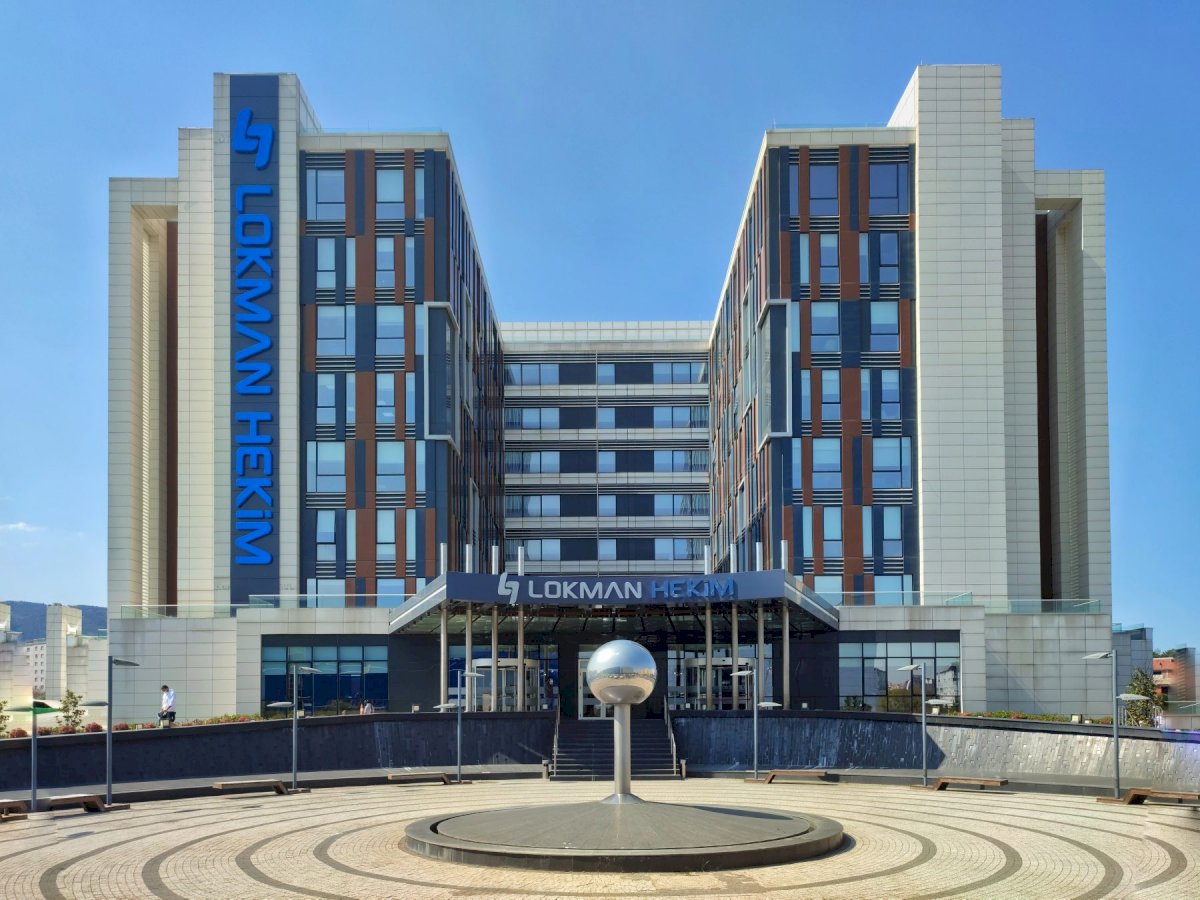
Hospital Lokman Hekim de Estambul (Lokman Hekim Istanbul Hospital)






Obtenga una evaluación médica de tratamiento de Lesión de la médula espinal en Turquía: haga una consulta con 13 médicos experimentados ahora
Ver todos los médicos
Turkan Tunerir
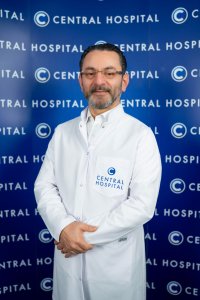
cagatay Ozturk
El Prof. Dr. Çağatay Öztürk es especialista en ortopedia y traumatología. Obtuvo el título de especialista en 2004. Es jefe del Departamento en la Universidad Istinye. Fundó y dirige el Liv Spine Center, certificado como Centro de Excelencia por la Sociedad AOSpine. Se graduó en 1997 en la Facultad de Medicina de la Universidad de Hacettepe y fue nombrado profesor en 2017.
Continúa su labor clínica y académica en Liv Hospital Ulus, Liv Hospital Vadi Istanbul, Liv Hospital Bahçeşehir y
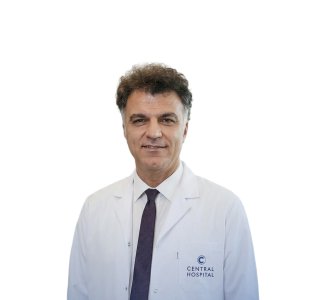
Nurullah Ermis
El Dr. Nurullah Ermiş ha publicado entre 2010 y 2024 sobre traumatología ortopédica, cirugía de columna, artroplastia de cadera y anestesia regional. Su trabajo está indexado en PubMed y Scopus.
Entre los destacados figura una fractura‑luxación irreductible de tobillo causada por interposición del tendón del tibial posterior (J Foot Ankle Surg., 2010; PubMed). Otro informe aborda una luxación posterolateral de rodilla irreductible por interposición del menisco medial (Acta Orthop Traum
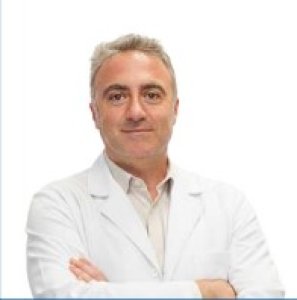
Akif Albayrak
El Prof. Dr. Akif Albayrak es cirujano ortopédico y de columna en Estambul. Ejerce en Central Hospital y dirige los servicios clínicos y quirúrgicos de columna.
Se centra en el diagnóstico y el tratamiento quirúrgico de trastornos complejos de la columna vertebral. Su experiencia incluye escoliosis, cifosis, deformidades de la columna, traumatismos de la columna y reconstrucción, y cirugía mínimamente invasiva. Atiende a adultos y niños.
Su formación incluye trabajo clínico avan
Reseñas
Todas las reseñasCompartir contenido
Historias en video de pacientes de Bookimed
 Olena Sikoza
Preguntas frecuentes sobre el tratamiento de Lesión de la médula espinal en Turquía
¿Qué tipos de tratamientos para lesiones de la médula espinal están disponibles en Turquía?
Los tratamientos para lesiones de la médula espinal en Turquía incluyen neurocirugía avanzada para la estabilización, rehabilitación asistida por robot y fisioterapia multidisciplinaria. Centros acreditados por la JCI, como el Hospital Memorial Sisli y el Hospital Florence Nightingale de Estambul, brindan atención integral. Los programas a menudo combinan la descompresión quirúrgica con protocolos intensivos de recuperación neurológica para pacientes hospitalizados.
- Intervención quirúrgica: Los cirujanos realizan descompresión, fijación de fracturas y corrección de lesiones en casos de inestabilidad.
- Rehabilitación robótica: Las instalaciones utilizan sistemas Lokomat para el entrenamiento de la marcha y terapia de electroestimulación funcional.
- Alcance terapéutico: Los programas abordan el manejo de la espasticidad, el control de la vejiga y la terapia ocupacional para la función diaria.
- Diagnóstico por imagen: Los centros utilizan dispositivos de resonancia magnética de 3 Tesla y EOS para minimizar la exposición a la radiación.
Opinión de los expertos de Bookimed: El éxito en la recuperación depende del acceso inmediato a una rehabilitación intensiva después de la cirugía. Centros especializados como Fizyomer informan tasas de éxito del 98% en programas intensivos. Elegir una instalación que cuente con unidades de neurocirugía y rehab
¿Se ofrece actualmente terapia con células madre para lesiones de la médula espinal en Turquía?
Turquía ofrece terapia con células madre para lesiones de la médula espinal dentro de programas de medicina regenerativa en centros especializados. Instalaciones como el Hospital Memorial Sisli y Fizyomer Terapia utilizan estos tratamientos junto con una rehabilitación intensiva. La mayoría de los protocolos se centran en mejorar la movilidad funcional y la señalización nerviosa para los pacientes paralizados.
- Certificaciones clínicas: Las instalaciones acreditadas por la JCI en Estambul mantienen altos estándares internacionales de seguridad y calidad.
- Enfoque en rehabilitación: Fizyomer Terapia informa una tasa de éxito del 98% para programas de rehabilitación intensiva e integradora.
- Experiencia especializada: El Prof. Dr. Cagatay Ozturk en el Central Hospital ha realizado más de 25,000 procedimientos ortopédicos.
- Diagnóstico avanzado: Centros como Istanbul Florence Nightingale utilizan imágenes EOS para reducir la exposición a la radiación de diagnóstico.
Perspectiva de expertos de Bookimed: Si bien Estambul es el centro de la neurocirugía, Fizyomer Terapia en Eskisehir se destaca al especializarse específicamente en la rehabilitación a largo plazo para lesiones de la médula espinal. Sus datos muestran que combinar células madre con sus 24 años de experiencia en fisioterapia produce mejores resultados funcionales que las inyecciones
¿Qué tan experimentados son los neurocirujanos turcos que tratan lesiones de la médula espinal?
Los neurocirujanos turcos son especialistas altamente experimentados que tratan lesiones de la médula espinal en hospitales acreditados por la Joint Commission International. Muchos poseen certificaciones de la Sociedad Europea de Sociedades Neuroquirúrgicas. Utilizan tecnologías avanzadas como la neuromonitorización intraoperatoria para proteger la función neurológica durante estabilizaciones complejas de traumatismos.
- Alto volumen quirúrgico: El profesor Dr. Cagatay Ozturk ha realizado más de 25.000 procedimientos quirúrgicos.
- Formación internacional: El Dr. Mehmet Aydogan del Memorial Sisli se formó en el UCLA Spine Center.
- Certificaciones especializadas: Centros líderes como el Liv Spine Center han obtenido el estatus de Centro de Excelencia de AOSpine.
- Tecnología de diagnóstico: Los hospitales utilizan resonancia magnética de 3 Tesla y tomografía computarizada de 512 cortes asistidas por IA para obtener imágenes precisas.
- Rehabilitación multidisciplinaria: Fizyomer Terapia reporta una tasa de éxito del 98% en programas de rehabilitación de médula espinal.
Perspectiva del experto de Bookimed: El volumen de pacientes es un indicador clave de calidad en Turquía. Centros importantes como Memorial Sisli e Istanbul Florence Nightingale atienden hasta 300.000 pacientes al año. Este enorme volumen de casos permite
¿Qué precauciones de seguridad se deben tomar para el tratamiento experimental de lesiones de la médula espinal en Turquía?
Los pacientes que buscan un tratamiento experimental para lesiones de la médula espinal en Turquía deben verificar la acreditación de la Joint Commission International (JCI) y la aprobación de la Junta de Revisión Institucional (IRB). Centros de alta autoridad como el Hospital Memorial Şişli mantienen estos estándares. Los datos preclínicos y el consentimiento informado por escrito sobre los riesgos neuroquirúrgicos son esenciales para una participación segura.
- Cumplimiento normativo: Confirme que el Ministerio de Salud turco autoriza el protocolo experimental específico.
- Validación clínica: Solicite evidencia de estudios previos en animales o ensayos en humanos de fase 1.
- Credenciales de los especialistas: Cirujanos como el Dr. Cagatay Ozturk deben poseer la certificación del consejo de la Asociación Turca de Columna Vertebral.
- Respaldo de las instalaciones: Asegúrese de que la instalación cuente con unidades de cuidados intensivos y respaldo neuroquirúrgico para complicaciones.
Perspectiva del experto de Bookimed: Los datos de Bookimed muestran que algunos centros de rehabilitación, como Fizyomer Terapia, informan una tasa de éxito del 98% en los resultados de recuperación de los pacientes. Sin embargo, los pacientes deben distinguir entre la rehabilitación estándar y los ensayos experimentales con células madre. Muchas clínicas de Es
¿Cómo es el programa de rehabilitación después de una cirugía de lesión de médula espinal en Turquía?
La rehabilitación de lesiones de médula espinal en Turquía utiliza programas hospitalarios intensivos y multidisciplinarios que duran hasta 60 días. Los centros acreditados integran entrenamiento robótico de la marcha, electroestimulación funcional y terapia neurológica diaria. Los programas se centran en restaurar la independencia mediante la movilización temprana, la prevención de úlceras por presión y la gestión especializada de la vejiga o los intestinos.
- Asistencia robótica: Las clínicas utilizan sistemas Lokomat para el entrenamiento intensivo de la marcha y la movilidad asistido por robot.
- Equipo especializado: Los fisiatras lideran equipos que incluyen terapeutas ocupacionales, psicólogos y nutricionistas especializados.
- Estructura diaria: Los pacientes suelen someterse a sesiones de rehabilitación neurológica estructuradas al menos dos veces al día.
- Enfoque en la independencia: La terapia prioriza las transferencias de la cama a la silla, el posicionamiento y la adaptación de las habilidades de la vida diaria.
Perspectiva del experto de Bookimed: La calidad varía significativamente entre los hospitales generales y los centros especializados dedicados. Fizyomer Terapia reporta una tasa de éxito del 98% para lesiones neurológicas, incluidos los traumatismos de la médula espinal. Elegir un centro centrado exclusivamente en la reha