Lesión de la médula espinal Tratamiento en Polonia — Costos 2026


Revisado médicamente por
Fahad Mawlood
¿Cuál es el precio del diagnóstico y los tratamientos de Lesión de la médula espinal en Polonia? Descubra ahora
Sus beneficios y garantías con Bookimed
Precios directos
Bookimed no añade cargos extra a los precios de los tratamientos de Lesión de la médula espinal. Las tarifas proceden de las listas de precios oficiales de las clínicas. Pagará directamente en la clínica por su tratamiento a su llegada al país.
Sólo clínicas y médicos verificados
Bookimed está comprometido con su seguridad. Solo trabajamos con las clínicas que mantienen altos estándares internacionales en el tratamiento de Lesión de la médula espinal y cuentan con las licencias necesarias para atender a pacientes internacionales en todo el mundo.
Asistencia 24/7 gratuita
Bookimed ofrece asistencia experta gratuita. Un coordinador médico personal le apoya antes, durante y después de su tratamiento, resolviendo cualquier problema. Nunca estará solo en su viaje médico de tratamiento de Lesión de la médula espinal.

Su coordinador médico personal de Bookimed
- Le apoya en cada etapa
- Ayuda a elegir la clínica y el médico adecuados
- Asegura un acceso rápido y conveniente a la información
Descubra las mejores clínicas de tratamiento de Lesión de la médula espinal en Polonia: 4 opciones verificadas y Precios





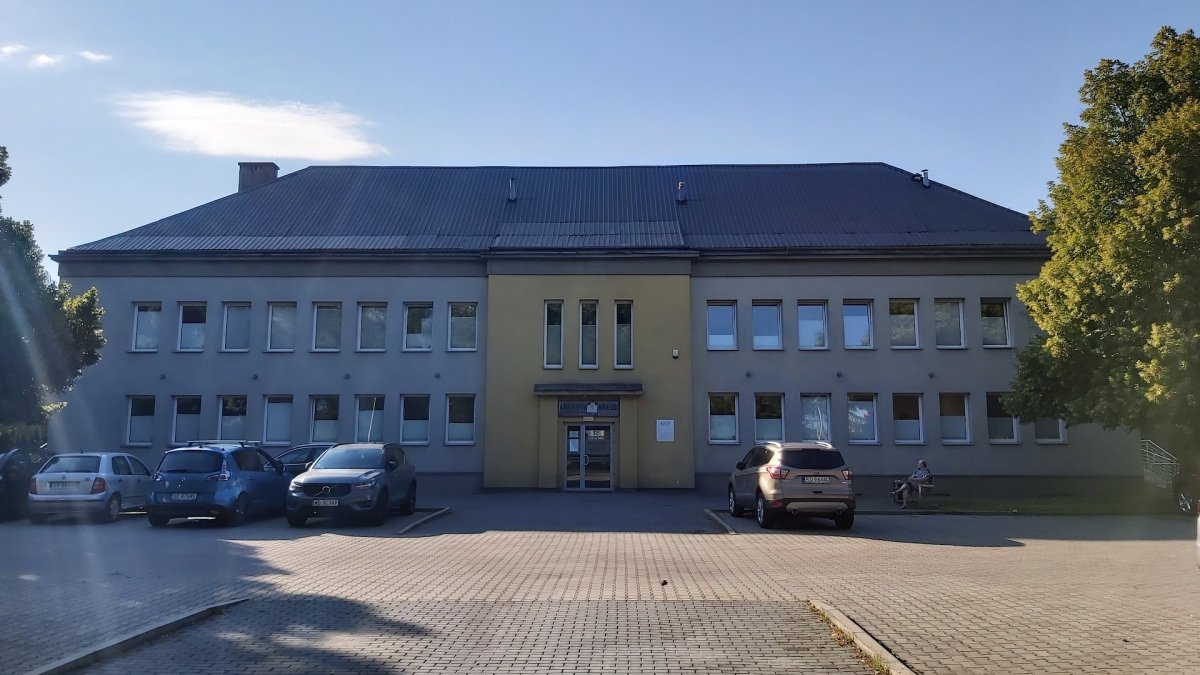
Hospital Universitario de Cracovia

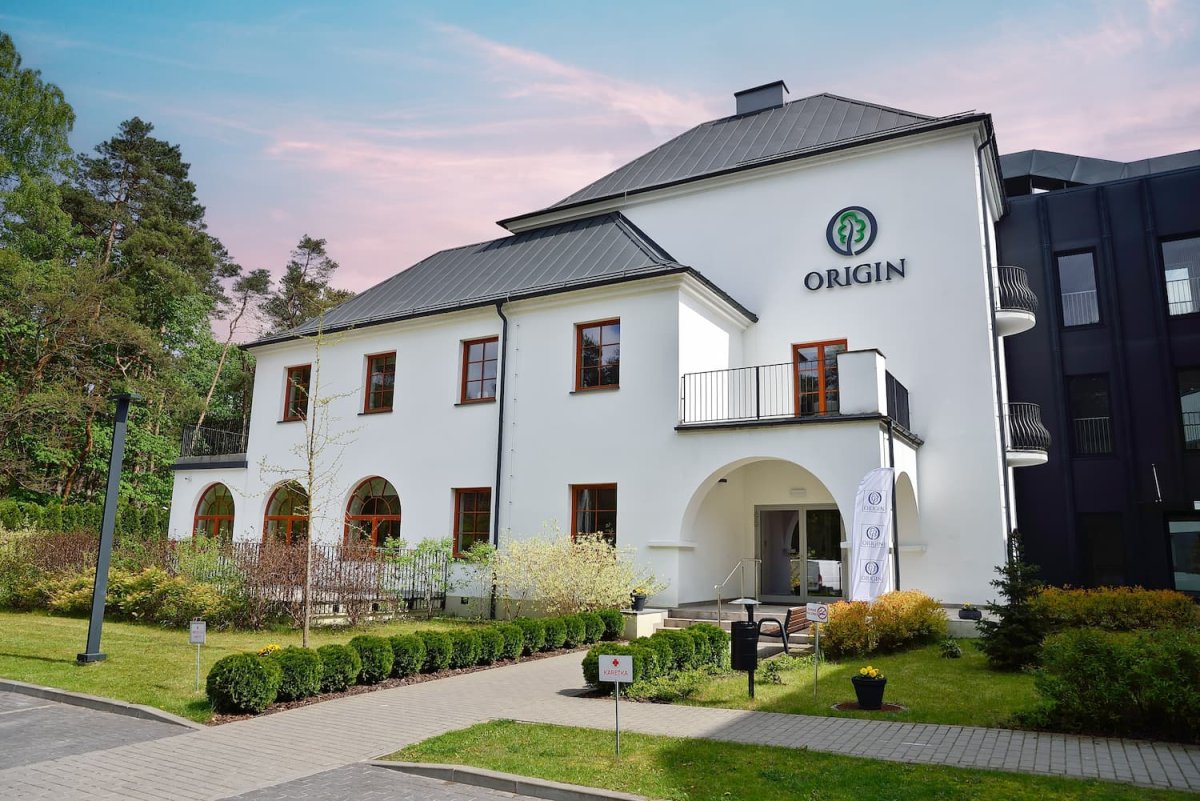
Origin Rehabilitation Center (Origin Polska)
Obtenga una evaluación médica para Lesión de la médula espinal en Polonia: consulte con doctores experimentados ahora
Ver todos los médicos
Marcin Niedźwiecki
Compartir contenido
Historias en video de pacientes de Bookimed
 Olena Sikoza
Preguntas frecuentes sobre el tratamiento de Lesión de la médula espinal en Polonia
¿Qué procedimientos quirúrgicos y de estabilización se realizan para las lesiones de la médula espinal en Polonia?
Los neurocirujanos polacos realizan descompresión, estabilización y fusión para tratar los traumatismos de la médula espinal. Se da prioridad a la descompresión temprana dentro de las 24 horas para maximizar la recuperación. Centros como el Hospital Universitario de Cracovia utilizan imágenes precisas e implantes para estabilizar fracturas inestables y prevenir daños mayores.
- Cirugía de descompresión: Los cirujanos eliminan fragmentos óseos o discos para aliviar la presión sobre la médula espinal.
- Estabilización mecánica: Los tornillos pediculares y las varillas de titanio fijan los segmentos vertebrales inestables en su lugar.
- ACDF cervical: Los cirujanos eliminan los discos dañados a través del cuello para estabilizar las lesiones cervicales.
- Aumentación vertebral: La cifoplastia o vertebroplastia estabiliza las fracturas por compresión utilizando cemento óseo de grado médico.
Perspectiva del experto de Bookimed: Los indicadores de calidad en Polonia a menudo se alinean con las principales certificaciones médicas deportivas. El Carolina Hospital mantiene el estatus de Centro Médico de Excelencia de la FIFA. Esta credencial sugiere una alta competencia en reconstrucciones ortopédicas y espinales complejas. Los pacientes deben priorizar los centros con tales reconocimientos deportivos especializados para técnicas de estabilización moder
¿Qué es el proyecto experimental de reparación de la médula espinal `Wrocław Walk Again`?
El proyecto Wroclaw Walk Again es una iniciativa neuroquirúrgica experimental centrada en la reconstrucción de médulas espinales seccionadas. Gestionado por el Hospital Clínico Universitario de Breslavia, utiliza las propias células envolventes olfativas del paciente para cerrar las brechas nerviosas. Esta investigación tiene como objetivo regenerar el tejido medular dañado mediante el trasplante de células especializadas.
- Catalizador de regeneración: Los cirujanos trasplantan células envolventes olfativas del bulbo nasal del paciente para promover el crecimiento de fibras.
- Marco estructural: Los puentes nerviosos periféricos de la pantorrilla del paciente proporcionan una vía física para los nervios.
- Liderazgo quirúrgico: El Dr. Pawel Tabakow dirigió el primer procedimiento exitoso en una víctima paralizada por un ataque con arma blanca.
- Financiación del proyecto: La Nicholls Spinal Injury Foundation apoya la expansión hacia ensayos clínicos internacionales en humanos.
Perspectiva del experto de Bookimed: Aunque Breslavia lidera esta investigación, Polonia ha construido una infraestructura más amplia para la recuperación neuroquirúrgica. Por ejemplo, el Hospital Carolina es un Centro Médico de Excelencia de la FIFA y trata a atletas olímpicos. Esta experiencia especializada en lesiones deportivas complejas a menudo complementa la rehab
¿Qué terapias robóticas avanzadas están disponibles para la rehabilitación de lesiones de la médula espinal en Polonia?
Polonia ofrece neurorrehabilitación avanzada utilizando entrenadores de marcha robóticos (Lokomat), exoesqueletos portátiles (HAL, EksoGT) y sistemas para las extremidades superiores (ArmeoPower). Estas tecnologías aprovechan la neuroplasticidad para mejorar la tolerancia a la bipedestación y la recuperación funcional. Centros especializados cerca de Varsovia y Cracovia integran estas herramientas en programas intensivos para lesiones de la médula espinal.
- Sistemas de entrenamiento de la marcha: Lokomat y ReoAmbulator proporcionan caminata en cinta rodante computarizada con soporte dinámico del peso corporal.
- Exoesqueletos biónicos: HAL y EksoGT permiten caminar sobre el suelo detectando señales musculares débiles.
- Robótica para extremidades superiores: ArmeoPower y ReoGo ayudan a los pacientes con tetraplejia a reentrenar la coordinación de los brazos.
- Herramientas de neuroplasticidad: El sistema G-EO replica movimientos complejos como subir escaleras para estimular la adaptación cerebral.
Perspectiva del experto de Bookimed: Mientras que las clínicas pequeñas se centran en máquinas individuales, el Hospital Universitario de Cracovia atiende a 455.000 pacientes al año. Los grandes centros multidisciplinarios están mejor equipados para casos complejos que requieren tanto robótica como respaldo quirúrgico. Busque clínicas como el Carolin
¿Cuánto tiempo suelen permanecer los pacientes con lesiones de la médula espinal (LME) en Polonia para su rehabilitación?
Los pacientes con lesiones de la médula espinal en Polonia suelen permanecer de 14 a 60 días para una rehabilitación intensiva privada. La recuperación aguda inicial en unidades públicas puede requerir de 2 a 4 meses. Los pacientes internacionales a menudo utilizan bloques intensivos modulares de 2 semanas para lograr la movilidad funcional y los hitos de la marcha.
- Ciclos intensivos: Los centros privados ofrecen programas comprimidos de 14 días con hasta 35 sesiones semanales.
- Fase aguda: La atención hospitalaria pública para los hitos fundamentales suele durar de 8 a 16 semanas.
- Protocolos regenerativos: Los tratamientos con células madre en los centros de Varsovia requieren de 3 a 5 días de observación.
- Gestión de complicaciones: Los problemas secundarios como las infecciones pueden prolongar las estancias de 40 a 50 días.
Perspectiva de expertos de Bookimed: Polonia atrae a los pacientes ofreciendo una alta intensidad terapéutica en lugar de solo largas hospitalizaciones. Mientras que 455,000 pacientes visitan los principales hospitales universitarios cada año, las clínicas privadas se especializan en bloques de alta frecuencia de 2 a 4 semanas. Estas estancias cortas utilizan entrenadores de marcha robóticos para evitar las mesetas comunes en la atención tradicional a largo plazo.
Consenso de los pacientes:
¿Qué incluye un paquete estándar de rehabilitación de lesiones de la médula espinal (LME) en Polonia?
Un paquete estándar de rehabilitación de lesiones de la médula espinal en Polonia incluye terapia hospitalaria intensiva gestionada por especialistas. Estos programas suelen ofrecer de 3 a 5 horas de sesiones diarias. Los componentes cubren enfermería especializada, diagnóstico por imagen, fisioterapia multidisciplinaria y entrenamiento funcional. Los centros polacos modernos suelen integrar entrenamiento robótico de la marcha y terapia ocupacional.
- Sesiones terapéuticas: Fisioterapia diaria dirigida al fortalecimiento muscular, estiramientos, movilización y activación sensoriomotora.
- Entrenamiento funcional: Práctica intensiva para la movilidad, transferencias, habilidades en silla de ruedas y actividades de la vida diaria.
- Atención especializada: Enfermería las 24 horas para la integridad de la piel, espasticidad y manejo de vejiga o intestino.
- Asistencia robótica: Acceso a dispositivos avanzados como Lokomat o exoesqueletos para la neuroplasticidad de la marcha.
Perspectiva del experto de Bookimed: El sector de rehabilitación de Polonia ofrece una gran experiencia a gran escala. Por ejemplo, el Hospital Universitario de Cracovia trata a 455.000 pacientes al año en 103 departamentos. Este enorme volumen de pacientes permite a los equipos multidisciplinarios gestionar casos complejos de LME con alta eficiencia clínica. Al elegir, busqu
¿Cuáles son los principales objetivos terapéuticos de los programas de rehabilitación de lesiones medulares en Polonia?
La rehabilitación de lesiones de la médula espinal (LME) en Polonia tiene como objetivo maximizar la independencia funcional y la neuroplasticidad. Los programas se centran en restaurar la movilidad mediante el entrenamiento robótico Lokomat y los exoesqueletos EksoGT. Los objetivos esenciales incluyen la prevención de complicaciones secundarias. Estas incluyen úlceras por presión, contracturas y neumonía, mientras se mejora el control intestinal y vesical.
- Independencia funcional: Dominio de la movilidad en la cama, transferencias al coche y tareas diarias de autocuidado.
- Restauración neuromuscular: Estimulación de la neuroplasticidad mediante reeducación de la marcha de alta tecnología y terapia robótica.
- Prevención de complicaciones: Manejo proactivo de la espasticidad, el dolor neuropático y la preservación de tejidos.
- Reintegración psicosocial: Provisión de psicología clínica para adaptarse a las nuevas rutinas de vida.
Perspectiva del experto de Bookimed: Polonia ofrece un equilibrio único entre instituciones públicas de alta capacidad y clínicas privadas especializadas. El Hospital Universitario de Cracovia atiende a 455.000 pacientes al año. Mientras tanto, centros boutique como el Hospital Carolina se centran en la medicina deportiva de élite. Este alto volumen en todo el país garantiza que los cirujanos y terapeutas manejen ca
¿Qué tan alta es la calidad de la neurocirugía en Polonia?
La neurocirugía en Polonia ofrece atención de alta calidad en centros con certificación JCI e ISO. Los neurocirujanos polacos se adhieren a estrictos estándares de formación adoptados por la Unión Europea. Muchos han completado becas en Estados Unidos o Alemania. Tecnologías avanzadas, como CyberKnife, Gamma Knife y sistemas robóticos, están ampliamente disponibles en centros privados.
- Cualificaciones especializadas: Los médicos suelen ser miembros de la Asociación Europea de Sociedades de Neurocirugía.
- Tecnologías avanzadas: Las clínicas utilizan sistemas CyberKnife y ultrasonido enfocado guiado por resonancia magnética para el tratamiento cerebral no invasivo.
- Volumen clínico: Centros líderes como el Hospital Universitario de Cracovia tratan a más de 455.000 pacientes al año.
- Cirujanos experimentados: El Dr. Maciej Bujko del Hospital Carolina ha realizado más de 2.500 cirugías por su cuenta.
Opinión experta de Bookimed: Los datos muestran una fuerte correlación entre la especialización de una clínica y el origen de sus pacientes. La Clínica KCM atiende a más de 700 pacientes internacionales al año. Se especializa en cirugía de columna mínimamente invasiva. Este volumen de trabajo le permite ofrecer paquetes de servicios especializados, que a menudo incluyen bloques de diagnóstico e implantes específicos, como el DIAM de Medtronic.
¿Cuáles son las cualificaciones de los neurocirujanos polacos?
Los neurocirujanos polacos son especialistas altamente cualificados que han completado al menos 13 años de rigurosa formación médica. Esto incluye seis años de estudios de medicina, 13 meses de prácticas y seis años de residencia. Deben aprobar el Examen Estatal de Especialización (PES) y suelen estar certificados por la Asociación Europea de Sociedades de Neurocirugía (EANS).
- Educación: Los médicos reciben educación médica (medicina) después de 6 años de estudio en la universidad.
- Especialización: La residencia incluye 6 años de formación modular en neurocirugía clínica y neurorradiología.
- Volumen quirúrgico: Los residentes a menudo realizan más de 1.000 cirugías, lo que excede el volumen de capacitación promedio en otras regiones.
- Certificados: Muchos especialistas son miembros de AO Spine o de la Sociedad Polaca de Cirugía de Columna.
Opinión experta de Bookimed: Los datos muestran que los neurocirujanos polacos suelen especializarse en tecnologías altamente especializadas, como el sistema ApiFix o el sistema de endoscopia lumbar SED-YESS. Especialistas como el Dr. Stanisław Kwek, de la Clínica KCM, combinan la investigación postdoctoral con una práctica quirúrgica activa. Esta combinación de profundos conocimientos académicos y un alto volumen quirúrgico los hace especialmente eficaces en cirugías de columna complejas y mínimamente in
¿Cuáles son las mejores clínicas neuroquirúrgicas en Polonia?
Entre las mejores clínicas neuroquirúrgicas de Polonia se encuentran el Hospital Carolina, la Clínica KCM y centros académicos de primer nivel como el Hospital Universitario de Cracovia. Estas instituciones ofrecen tratamientos de vanguardia para enfermedades de la columna vertebral y el cerebro que cumplen con los estándares de calidad ISO y emplean a especialistas miembros de organizaciones internacionales como AO Spine.
- Hospital Carolina: Centro Médico de Excelencia FIFA, especializado en cirugías de columna complejas y mínimamente invasivas.
- Clínica KCM: Reconocida internacionalmente por la calidad de sus procedimientos endoscópicos de columna, atendiendo a más de 700 pacientes internacionales anualmente.
- Hospital Universitario de Cracovia: un gran centro multidisciplinario que realiza más de 800 operaciones neuroquirúrgicas al año desde 1788.
- Luxmed: un reconocido centro médico privado en Varsovia especializado en cirugía de columna avanzada para pacientes internacionales.
Opinión experta de Bookimed: Si bien muchos buscan los hospitales más grandes, los datos muestran que clínicas como el Hospital Carolina ofrecen mayor eficiencia para cirugías electivas. Con más de 40 médicos especialistas en este centro de 30 camas, la proporción médico-paciente es significativamente mayor que en los centros universitarios públicos. Esto se traduc
¿Qué procedimientos neuroquirúrgicos se realizan con más frecuencia en Polonia?
En Polonia, la neurocirugía se centra principalmente en cirugías de columna y extirpación de tumores cerebrales. Los hospitales realizan con frecuencia microdiscectomías, fusiones espinales y estimulación cerebral profunda. Centros como el Hospital Carolina y la Clínica KCM utilizan técnicas mínimamente invasivas para tratar hernias discales, lesiones de columna y trastornos neurológicos complejos.
- Cirugía de columna: La discectomía y la laminectomía son tratamientos comunes para los discos herniados.
- Neurooncología: Los especialistas realizan cirugías para extirpar tumores cerebrales utilizando equipos modernos como la tecnología CyberKnife.
- Neurocirugía funcional: la estimulación cerebral profunda (ECP) se utiliza ampliamente para los trastornos del movimiento.
- Técnicas mínimamente invasivas: Los cirujanos utilizan técnicas endoscópicas para descomprimir la columna y tratar tumores pituitarios.
Opinión experta de Bookimed: Polonia se ha convertido en un centro de estabilización espinal especializada. Clínicas como el Hospital Carolina colaboran con equipos deportivos nacionales, lo que refleja su alto nivel de experiencia en el tratamiento de lesiones espinales complejas. Nuestros datos muestran que estas instituciones suelen integrar la rehabilitación directamente en el tratamiento quirúrgico. Esta combinación reduce el riesgo de compl