EDNA Wellness
Tailandia, Bangkok
Pongwat Polpong
16 años de experiencia • 2000+ tratamientos realizados
Clínica certificada por : 


Revisado médicamente por
Fahad Mawlood
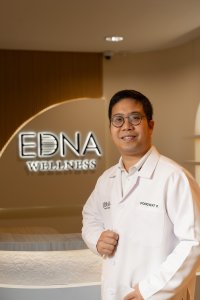
El Dr. Pongwat Polpong es un destacado neurocirujano y especialista en medicina regenerativa en Tailandia, con más de 15 años de experiencia en práctica clínica, docencia e investigación. Se formó en el Hospital Siriraj, el Instituto Neurológico de Tailandia y el Instituto Internacional de Neurociencias en Alemania.
El Dr. Pongwat ha publicado numerosos artículos sobre neurocirugía, parasitología, trastornos de la columna y enfermedades cerebrales. Sus investigaciones incluyen estudio
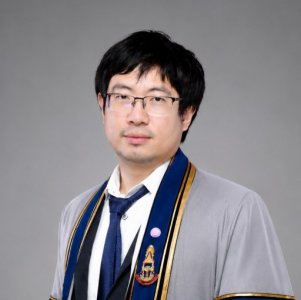
El Dr. Pongsathron Liengwattanakol, M.D., es cirujano ortopédico en el Mali Interdisciplinary Hospital de Bangkok. Obtuvo su M.D. en la Universidad de Thammasat (2007–2013). Completó la residencia en cirugía ortopédica en la Universidad de Thammasat (2016–2021). Anteriormente se desempeñó como médico general y ortopedista en el Hospital Buddhasothorn. También trabajó como cirujano ortopédico en Asia International Hospital.
Sus acreditaciones incluyen certificación por la junta en Medic
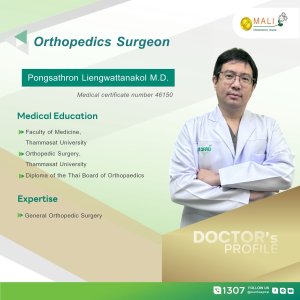
El Dr. Pongsathron Liengwattanakul es especialista en ortopedia en el Hospital Interdisciplinario Mali de Bangkok. Se centra en restaurar la movilidad mediante tratamientos quirúrgicos y regenerativos. El Dr. Liengwattanakul trata afecciones complejas, como escoliosis, enfermedades degenerativas de la columna vertebral y artrosis articular. Trabaja en un centro que cuenta con acreditaciones médicas internacionales AACI y GHA.
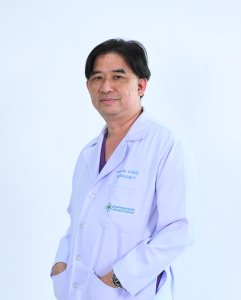
El Dr. Pradab Pradasuk es cirujano ortopédico con 24 años de experiencia en el Hospital Navamin9 de Bangkok. Atiende en inglés y tailandés.
Su práctica se centra en la artroscopia y la reconstrucción de rodilla, incluida la cirugía del LCA, meniscectomía, artroplastia y reemplazo articular. Trata trastornos del hombro, como roturas del manguito rotador. Maneja afecciones del tobillo y del pie, como artrodesis, reemplazo articular, reparación del tendón de Aquiles y reconstrucción de de
 Olena Sikoza
Tailandia ofrece tratamientos avanzados para lesiones de la médula espinal que combinan neuromodulación quirúrgica, medicina regenerativa y rehabilitación robótica. Los centros acreditados por la JCI ofrecen estimulación de la médula espinal (SCS), terapia con células madre mesenquimales y entrenamiento de la marcha asistido por exoesqueleto. Los centros especializados integran estas tecnologías con neurorrehabilitación intensiva para mejorar la función motora y la independencia.
Perspectiva del experto de Bookimed: Aunque muchos buscan terapias experimentales, la verdadera ventaja de Tailandia radica en sus grandes hospitales terciarios como Bumrungrad International. Estos centros atienden a más de 1 millón de pacientes al año y ofrecen apoyo de nivel de UCI junto con imágenes av
El tratamiento de lesiones de la médula espinal en Tailandia es seguro y fiable en hospitales acreditados por la JCI. Estos centros utilizan protocolos avanzados de entrenamiento robótico de la marcha y neuromodulación. Instalaciones como el Bumrungrad International Hospital mantienen estándares internacionales de seguridad y atienden a más de 1.000.000 de pacientes anualmente de 190 países.
Perspectiva del experto de Bookimed: Aunque muchos buscan terapias experimentales, la verdadera fortaleza de Tailandia reside en la experiencia quirúrgica de alto volumen. El Bumrungrad International Hospital trata a 500.000 pacientes internacionales al año, creando una base de datos masiva sobre resultados de recuperación. Elegir un hospital con un programa de becas dedicado a la columna vertebral, como los graduados d
Tailandia ofrece atención avanzada para lesiones de la médula espinal en instalaciones acreditadas por la JCI en Bangkok. Centros líderes como el Bumrungrad International Hospital y clínicas especializadas brindan estimulación de la médula espinal, terapia con células madre y neurorrehabilitación. Estos hospitales se especializan en la recuperación de traumas complejos y procedimientos neurológicos avanzados.
Perspectiva de expertos de Bookimed: Aunque muchos hospitales ofrecen cirugía de columna, busque aquellos con cirujanos especializados que hayan completado programas de subespecialización (fellowships). El Dr. Suwit Tangcharoenwathanakul completó una subespecialización específica en cirugía de columna en 2020. Esto indica un mayor nivel de especialización en trastornos de la columna en comparación con la ortopedia general. Clínicas modernas como Veg
La rehabilitación después de una cirugía de lesión de la médula espinal en Tailandia implica fisioterapia intensiva, terapia ocupacional y entrenamiento de movilidad avanzado. Los principales hospitales acreditados por la JCI en Bangkok comienzan la movilización dentro de las 24 horas para prevenir complicaciones. Los planes de tratamiento utilizan asistencia robótica y aparatos ortopédicos especializados para maximizar la independencia funcional y la velocidad de recuperación.
Perspectiva de expertos de Bookimed: Aunque muchos buscan fisioterapia general, nuestros datos muestran que los pacientes se benefician más de centros como Bumrungrad International, que integran IA y cirugía robótica. Estas instalaciones de gran volumen atienden a 1 millón de pacientes al año y mantienen la acreditación de la Joint Commission International (JCI). Esta infraest
No necesita hablar tailandés para recibir tratamiento para una lesión de la médula espinal. Los principales hospitales tailandeses son centros médicos mundiales. Los médicos y especialistas en instalaciones acreditadas por la JCI hablan inglés con fluidez. Estos centros proporcionan equipos de apoyo internacionales dedicados. Se encargan de toda la comunicación para los pacientes extranjeros durante la rehabilitación.
Opinión de expertos de Bookimed: Las barreras del idioma rara vez son un obstáculo en Bangkok. Los datos muestran que hospitales de primer nivel como Bumrungrad atienden a más de 500,000 pacientes internacionales al año. El verdadero diferenciador es el equipo multidisciplinario. Busque instalaciones con unidades de rehabilitación integradas. Esto asegura que su cirujano y su fisioterapeuta compartan un solo re
Los pacientes pueden acceder a terapia con células madre para lesiones de la médula espinal en Bangkok a través de clínicas privadas especializadas y hospitales acreditados. Estos centros utilizan medicina regenerativa junto con fisioterapia avanzada para apoyar la recuperación. Instalaciones como EDNA Wellness y Vega Clinic ofrecen protocolos personalizados en laboratorios con certificación ISO.
Opinión de expertos de Bookimed: El panorama de la medicina regenerativa en Tailandia está altamente especializado, con centros como EDNA Wellness colaborando directamente con el Instituto de Investigación Científica y Tecnológica de Tailandia. Esto indica un cambio hacia un suministro de células estandarizado y de alta calidad que a menudo falta en clínicas pequeñas e independientes. Los pacientes deben priorizar