Tratamiento de Lesión de la médula espinal en España — obtenga 3 coincidencias personalizadas de clínicas


Revisado médicamente por
Fahad Mawlood
Cómo funciona
¿Cuál es el precio del diagnóstico y los tratamientos de Lesión de la médula espinal en España? Descubra ahora
Descubra las mejores clínicas de tratamiento de Lesión de la médula espinal en España: 8 opciones verificadas y Precios









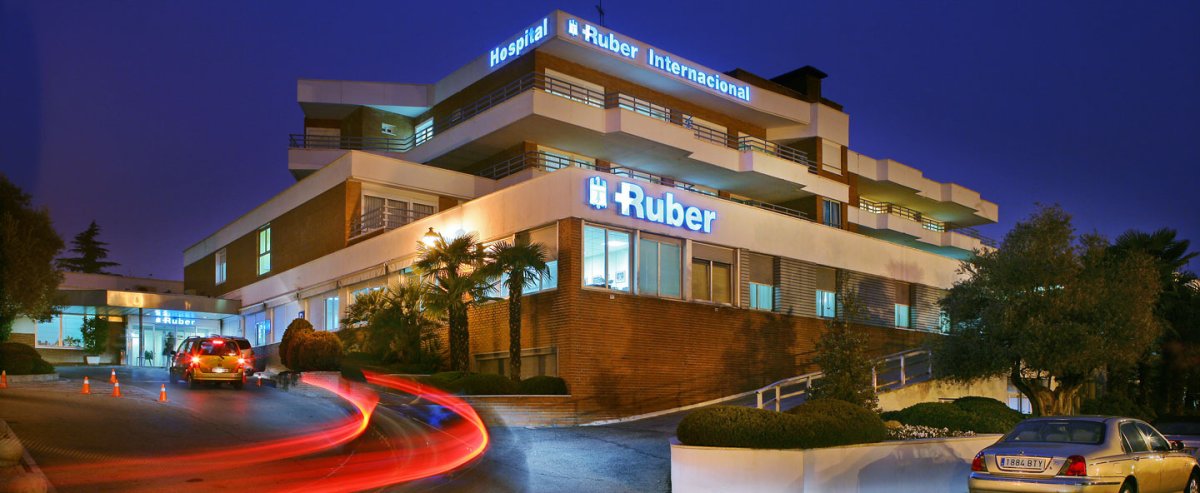


Hospital Sant Joan de Déu Barcelona








Obtenga una evaluación médica para Lesión de la médula espinal en España: consulte con doctores experimentados ahora
Ver todos los médicos
Pablo De La Cuadra
El Dr. Pablo de la Cuadra (Pablo Cuadra de la Virgili) es cirujano ortopédico y traumatólogo en Madrid. Está especializado en lesiones deportivas y cirugía de hombro en el Hospital Ruber Internacional, donde ejerce desde 1999. Cuenta con más de 25 años de experiencia. Dirige una unidad multidisciplinar y un equipo especializado en traumatología. Es un experto reconocido en trastornos complejos del hombro y utiliza técnicas artroscópicas y reconstructivas avanzadas para la inestabilidad y las
Compartir contenido
Historias en video de pacientes de Bookimed
 Olena Sikoza
Preguntas frecuentes sobre el tratamiento de Lesión de la médula espinal en España
¿Cuáles son los centros de rehabilitación de lesiones de médula espinal mejor valorados en España?
Los centros de rehabilitación de lesiones de médula espinal mejor valorados en España incluyen instalaciones acreditadas por la JCI como el Institut Guttmann y el Centro Medico Teknon. Estos centros utilizan entrenamiento robótico de la marcha y neuroestimulación avanzada. Los hospitales de gran volumen en Madrid y Barcelona ofrecen equipos multidisciplinarios para la recuperación física y psicológica.
- Acreditación especializada: El Institut Guttmann cuenta con la certificación de neurorrehabilitación de la Joint Commission International (JCI).
- Tecnología avanzada: El Centro Medico Teknon ofrece terapias robóticas y neuroestimulación para traumatismos.
- Referencia pública: El Hospital Nacional de Parapléjicos proporciona investigación a nivel nacional e integración especializada.
- Enfoque biomecánico: El Dr. Blum Biomechanics Center utiliza regeneración corporal patentada para patologías motoras.
Opinión de expertos de Bookimed: Barcelona se ha convertido en un centro principal de neurorrehabilitación porque centros como el Hospital HM Nou Delfos mantienen acuerdos formales con instituciones especializadas como el Institut Guttmann. Esto permite a los pacientes beneficiarse de la infraestructura médica general de una gran red hospitalaria mientras reciben terapia de médula espinal altamente especializada. Elegir un centro dentro de una re
¿Puede la cirugía reparar una lesión de la médula espinal?
Actualmente, la cirugía no puede revertir el daño nervioso ni reparar una lesión de la médula espinal. En cambio, los cirujanos se centran en estabilizar la columna vertebral y eliminar la presión para evitar un mayor deterioro. En España, centros especializados utilizan neurocirugía avanzada para maximizar el potencial de recuperación y preservar la función motora restante.
- Cirugía de descompresión: Los cirujanos eliminan fragmentos óseos o discos para aliviar la presión sobre la médula.
- Estabilización espinal: Varillas y tornillos metálicos alinean la columna para prevenir traumatismos secundarios.
- Urgencia: La descompresión dentro de las 24 horas mejora significativamente los resultados en lesiones incompletas de la médula espinal.
- Restauración funcional: Las transferencias de nervios y tendones pueden ayudar a los pacientes a recuperar el uso parcial de la mano o el brazo.
Opinión de expertos de Bookimed: Los centros de neurocirugía españoles ofrecen una ventaja distintiva al integrar la atención aguda con el apoyo biológico a largo plazo. Por ejemplo, el Centro Médico Teknon combina una estabilización espinal experta con terapias especializadas de células madre utilizadas para atletas profesionales para apoyar la recuperación de traumas. Este enfoque dual se centra tanto en la alineación estructural como en la posible curación celu
¿Qué tecnologías y terapias avanzadas se utilizan para la rehabilitación de lesiones de la médula espinal (LME) en España?
España utiliza entrenamiento de la marcha asistido por robótica avanzada, exoesqueletos biónicos patentados y neuromodulación epidural para la rehabilitación de LME. Los centros acreditados por la JCI integran cintas de correr estacionarias con realidad virtual. Clínicas especializadas como el Centro Médico Teknon también ofrecen terapias con células madre mesenquimales alogénicas para reducir la inflamación de la médula espinal y promover la regeneración nerviosa.
- Sistemas robóticos: Los sistemas Locomat proporcionan un entrenamiento intensivo de la marcha junto con módulos de realidad virtual inmersiva.
- Exoesqueletos biónicos: Las ortesis portátiles como el Exo-H3 ofrecen control pasivo y de resistencia para el movimiento articular.
- Neuromodulación: La estimulación epidural y transcutánea se dirige a los circuitos neuronales inactivos para restaurar el movimiento voluntario.
- Medicina regenerativa: Los ensayos clínicos evalúan las células madre mesenquimales adultas para minimizar el trauma medular secundario.
Perspectiva del experto de Bookimed: El volumen de pacientes es un indicador importante de la infraestructura especializada en España. Centros como el Hospital HM Nou Delfos mantienen acuerdos formales con el Institut Guttmann, uniendo eficazmente la atención quirúrgica aguda con la neurorrehabilitación de élite. Esta colaboració
¿El nivel y la completitud de la lesión determinan el potencial de recuperación?
La completitud y el nivel de la lesión son los principales predictores de la recuperación. La Escala de Deterioro de la Asociación Americana de Lesiones de la Médula Espinal evalúa estos factores. En las lesiones incompletas permanecen más vías neuronales. Esto aumenta significativamente las posibilidades de recuperación motora. Los niveles de lesión más altos suelen afectar a más funciones corporales.
- Escala de completitud: Los grados AIS van de A a E según la transmisión de señales nerviosas.
- Conversión neurológica: Las lesiones cervicales a menudo muestran tasas de conversión más altas de completas a incompletas.
- Control de la parte superior del cuerpo: Las lesiones torácicas dejan intacta la función del brazo, lo que mejora el potencial de movilidad independiente.
- Tiempo de espera: Los primeros 3 meses ofrecen la recuperación más rápida debido a la reducción de la inflamación.
Perspectiva de expertos de Bookimed: Los centros españoles como el Hospital HM Nou Delfos ofrecen una ventaja significativa a través de acuerdos formales con gigantes de la neurorrehabilitación especializada como el Institut Guttmann. Esta colaboración garantiza que los pacientes accedan a protocolos de recuperación acreditados por la JCI inmediatamente después de la atención quirúrgica aguda. Estas transiciones fluidas entre la neurocirugía y la rehabilitació
¿Están los equipos médicos españoles equipados para atender a pacientes internacionales?
Los equipos médicos españoles están altamente especializados en la gestión de pacientes internacionales. Los centros privados de élite en Barcelona y Madrid priorizan la atención a extranjeros. Estas instalaciones cuentan con la acreditación de la Joint Commission International (JCI). Los equipos incluyen neurocirujanos bilingües y coordinadores dedicados. Atienden a más de 700.000 pacientes extranjeros de 70 países anualmente.
- Profundidad del sistema: Más de 80 clínicas se especializan en cuidados complejos de columna y neurocirugía.
- Estado de acreditación: Centros de primer nivel como la Clínica Universidad de Navarra mantienen una certificación JCI de larga trayectoria.
- Experiencia especializada: Cirujanos como el Dr. Ferran Pellisé lideran sociedades globales de investigación de columna.
- Alto volumen: Los principales hospitales tratan hasta 450.000 pacientes cada año.
Perspectiva del experto de Bookimed: Los datos de volumen de pacientes revelan una distinción importante para los resultados de recuperación. La Clínica Universidad de Navarra ha atendido a más de 700.000 pacientes internacionales. Esta enorme experiencia transfronteriza crea un flujo administrativo más fluido que en los centros más pequeños. El Hospital HM Nou Delfos ofrece una ventaja única para lesiones de médula espinal a través de un acuerdo con el Institut Guttma
¿Cuáles son los objetivos realistas de un programa de rehabilitación intensiva?
La rehabilitación intensiva de la columna vertebral en España tiene como objetivo maximizar la independencia en lugar de lograr una cura completa. Los programas se centran en estabilizar los síntomas y desarrollar habilidades para la vida. Los centros acreditados por la JCI utilizan terapia asistida por robots y evaluaciones biomecánicas para restaurar la función diaria. El éxito se mide por los logros funcionales y la adaptación psicológica.
- Independencia funcional: Dominio de actividades diarias como vestirse, bañarse y rutinas de autocateterismo.
- Prevención secundaria: Aprendizaje de técnicas vitales de protección de la piel y alivio de la presión para evitar complicaciones.
- Optimización de la movilidad: Mejora de las habilidades con silla de ruedas, control del tronco y equilibrio mediante protocolos de ejercicio especializados.
- Integración tecnológica: Uso de imágenes EOS y sistemas robóticos para adaptar la fisioterapia.
Perspectiva del experto de Bookimed: La neurorrehabilitación española a menudo combina atención hospitalaria de alta tecnología con centros especializados. Por ejemplo, el Hospital HM Nou Delfos se asocia con el Institut Guttmann. Esto permite a los pacientes acceder a imágenes EOS de ultra precisión mientras se benefician de expertos dedicados exclusivamente a la recuperación compleja de lesiones de la médula esp