Lesión de la médula espinal Tratamiento en Alemania — Costos 2026


Revisado médicamente por
Fahad Mawlood
¿Cuál es el precio del diagnóstico y los tratamientos de Lesión de la médula espinal en Alemania? Descubra ahora
Sus beneficios y garantías con Bookimed
Precios directos
Bookimed no añade cargos extra a los precios de los tratamientos de Lesión de la médula espinal. Las tarifas proceden de las listas de precios oficiales de las clínicas. Pagará directamente en la clínica por su tratamiento a su llegada al país.
Sólo clínicas y médicos verificados
Bookimed está comprometido con su seguridad. Solo trabajamos con las clínicas que mantienen altos estándares internacionales en el tratamiento de Lesión de la médula espinal y cuentan con las licencias necesarias para atender a pacientes internacionales en todo el mundo.
Asistencia 24/7 gratuita
Bookimed ofrece asistencia experta gratuita. Un coordinador médico personal le apoya antes, durante y después de su tratamiento, resolviendo cualquier problema. Nunca estará solo en su viaje médico de tratamiento de Lesión de la médula espinal.

Su coordinador médico personal de Bookimed
- Le apoya en cada etapa
- Ayuda a elegir la clínica y el médico adecuados
- Asegura un acceso rápido y conveniente a la información
Descubra las mejores clínicas de tratamiento de Lesión de la médula espinal en Alemania: 11 opciones verificadas y Precios




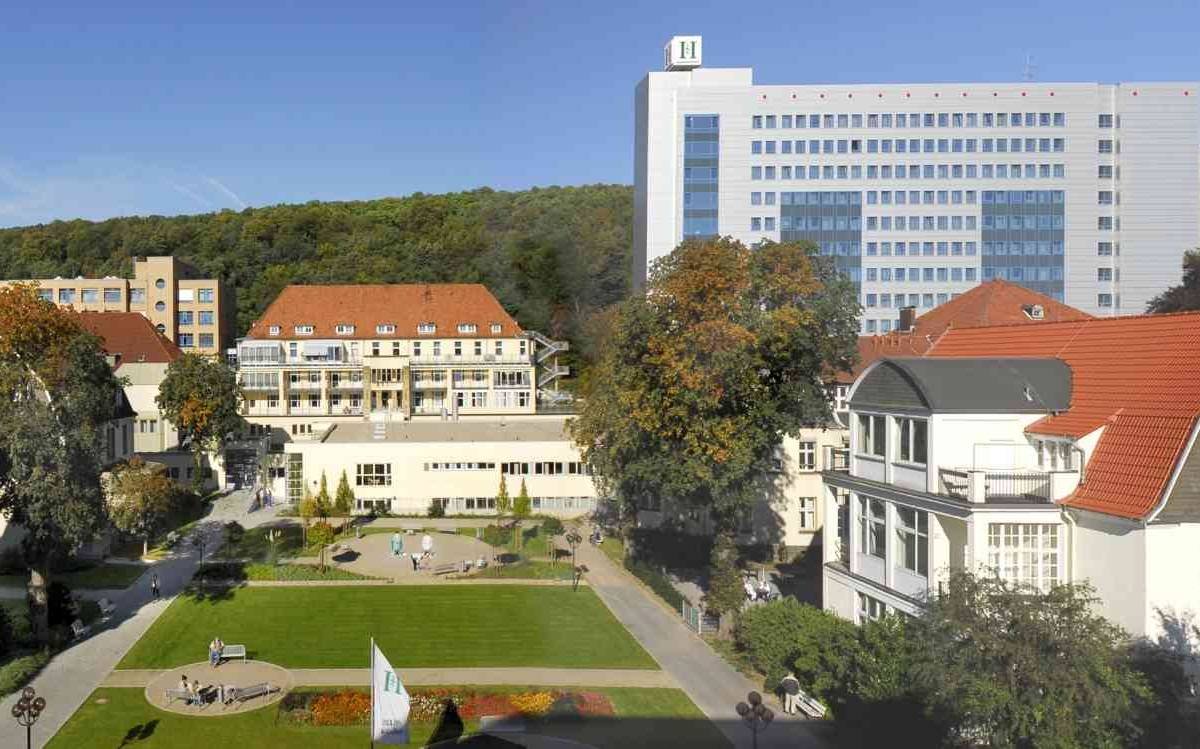
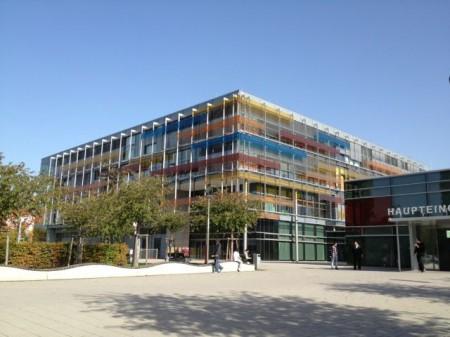
University Hospital in Haydelberge

Hannover Medical School




Lippe Detmold Clinic
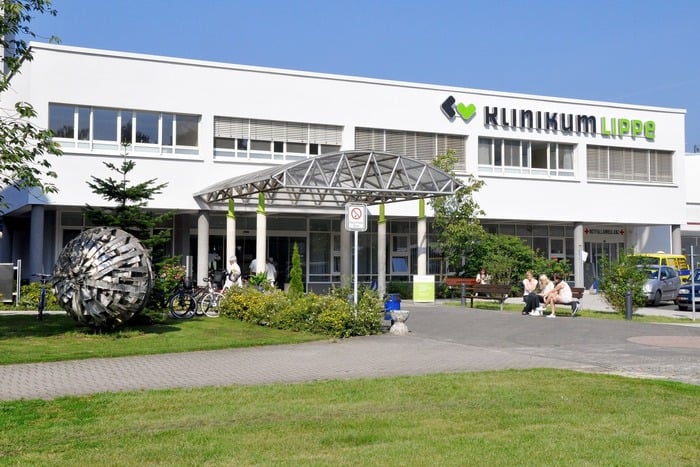
Lippe Lemgo Clinic

Obtenga una evaluación médica para Lesión de la médula espinal en Alemania: consulte con doctores experimentados ahora
Ver todos los médicos
Christoph Rangger
El profesor Rangger es un médico de categoría D que realiza cirugías de columna altamente complejas, incluidos procedimientos que salvan vidas en pacientes rechazados por otros cirujanos.
- Formado en la Universidad de Innsbruck y la Universidad de San Diego
- Especializado en el tratamiento de lesiones graves del sistema musculoesquelético y de la columna vertebral
- Perito forense en casos de negligencia médica
- Autorizado para formar y examinar a médicos ortopedas
Compartir contenido
Historias en video de pacientes de Bookimed
 Olena Sikoza
Preguntas frecuentes sobre el tratamiento de Lesión de la médula espinal en Alemania
¿Qué tecnologías avanzadas se utilizan para la rehabilitación de lesiones de la médula espinal en Alemania?
Alemania utiliza robótica controlada neurológicamente e inteligencia artificial para impulsar la neuroplasticidad en la rehabilitación de lesiones de la médula espinal. Centros especializados integran extremidades de asistencia híbridas y entrenadores de marcha automatizados para restaurar el movimiento funcional. Estas tecnologías interpretan las señales del sistema nervioso para proporcionar asistencia de potencia en tiempo real para la recuperación esquelética.
- Extremidad de asistencia híbrida: Los sensores detectan señales nerviosas voluntarias para potenciar los movimientos mediante asistencia motora.
- Sistemas de entrenamiento de la marcha: Dispositivos robóticos guían las piernas a través de patrones de caminata fisiológicos precisos en cintas de correr.
- Neuromodulación y FES: Micro-impulsos eléctricos evitan las vías dañadas para estimular los músculos y órganos paralizados.
- Trajes inteligentes apoyados por IA: Prendas inteligentes utilizan tendones artificiales y sensores para restaurar la coordinación corporal.
Perspectiva del experto de Bookimed: Los hospitales universitarios de Alemania, como la Charité o la Escuela de Medicina de Hannover, integran la investigación científica directamente en la atención clínica. Los datos muestran que estas instituciones atienden a más de 500,000 pacientes al año mientras ofrecen acceso temp
¿Están disponibles tratamientos experimentales como la terapia con células madre para lesiones de la médula espinal en Alemania?
Las terapias experimentales con células madre para lesiones de la médula espinal están disponibles en Alemania, pero siguen estando estrictamente reguladas. Estos tratamientos se llevan a cabo principalmente dentro de ensayos clínicos universitarios o institutos de investigación autorizados. Las leyes alemanas prohíben el uso de células madre embrionarias, centrándose en su lugar en células mesenquimales adultas o terapias de secretoma.
- Cumplimiento normativo: Las terapias deben seguir las estrictas directrices de la Ley Alemana de Protección de Embriones.
- Fuentes celulares: Las clínicas suelen utilizar células autólogas de la médula ósea o de la grasa.
- Centros académicos: El Hospital Universitario de Heidelberg y la Escuela de Medicina de Hannover son líderes en investigación de la médula espinal.
- Integración robótica: Las células experimentales a menudo se combinan con exoesqueletos robóticos HAL para la recuperación.
- Ensayos clínicos: Los pacientes pueden participar en estudios a través de la red European Multicenter Study.
Perspectiva de expertos de Bookimed: Los datos sugieren elegir hospitales universitarios como la Escuela de Medicina de Hannover o Charité Berlín para tratamientos experimentales. Mientras que las clínicas privadas ofrecen programas individuales, las clínicas universitarias permiten a los
¿Cómo se manejan de manera diferente las lesiones agudas frente a las crónicas de la médula espinal en Alemania?
Alemania gestiona las lesiones agudas de la médula espinal como emergencias quirúrgicas que requieren descompresión dentro de las 24 horas. Los casos crónicos pasan a una atención multidisciplinaria de por vida. Los centros especializados para parapléjicos integran la estabilización aguda con la rehabilitación robótica a largo plazo. Este enfoque sistémico garantiza que los pacientes mantengan su independencia funcional y reciban un mantenimiento neuro-urológico continuo.
- Cronología aguda: Los cirujanos priorizan la descompresión y la estabilización espinal dentro de las primeras 24 horas.
- Centros especializados: La atención se realiza en Querschnittzentren certificados para un tratamiento quirúrgico y rehabilitador integrado.
- Terapia robótica: Los pacientes crónicos acceden a tecnologías avanzadas como el entrenamiento de marcha robótico Hybrid Assistive Limb.
- Monitoreo crónico: El seguimiento de por vida se centra en el control de la espasticidad, la prevención de úlceras por presión y el manejo de la vejiga.
Perspectiva del experto de Bookimed: La infraestructura médica alemana favorece los complejos multidisciplinarios masivos. Más de 1,3 millones de pacientes visitan anualmente la Charité - Universitätsmedizin Berlin y la Hannover Medical School combinadas. Este alto volumen permite a los centros mantener unidades de trauma de Nive
¿Cómo es una rutina diaria típica de rehabilitación para pacientes con lesiones de la médula espinal?
La rehabilitación típica para lesiones de la médula espinal en Alemania implica de 3 a 5 horas de terapia intensiva diaria. Los pacientes siguen un programa multidisciplinario centrado en la movilidad física, la autonomía en el autocuidado y la prevención de complicaciones. Los programas utilizan habitualmente equipos de alta tecnología en centros médicos académicos certificados por ISO o acreditados por JCI.
- Gestión matutina: Se centra en el cuidado del catéter, el entrenamiento intestinal y las inspecciones cutáneas esenciales para el alivio de la presión.
- Fisioterapia: Se dirige a la estabilidad del núcleo, las transferencias seguras de la cama a la silla y las habilidades especializadas de navegación en silla de ruedas.
- Terapia ocupacional: Enfatiza el reentrenamiento de actividades diarias como comer, vestirse y usar utensilios adaptativos.
- Movilidad avanzada: Puede incluir exoesqueletos robóticos o entrenamiento de marcha en cinta rodante con soporte de peso corporal para lesiones incompletas.
Perspectiva del experto de Bookimed: Los hospitales universitarios alemanes como Charité o la Clínica Nordwest ofrecen una ventaja única a través de una especialización de alto volumen. El Dr. Christoph Rangger de la Clínica Nordwest, un especialista con permiso sindical para lesiones graves, demuestra cómo los mejores cirujanos a menudo man
¿Qué ciudades y hospitales están mejor valorados para el tratamiento de lesiones de la médula espinal en Alemania?
Las ciudades alemanas mejor valoradas para el tratamiento de lesiones de la médula espinal incluyen Fráncfort, Berlín y Heidelberg. Estos centros cuentan con hospitales acreditados por la JCI y clasificados por Newsweek, como la Clínica Nordwest y la Charité. Ofrecen neurocirugía aguda integrada y rehabilitación especializada. Esto garantiza una atención optimizada desde la estabilización del trauma hasta el entrenamiento de la movilidad.
- Fráncfort del Meno: La Clínica Nordwest se especializa en traumatismos musculoesqueléticos complejos y cirugía robótica de columna.
- Berlín: La Charité - Universitätsmedizin Berlin se encuentra entre los hospitales universitarios de mayor rendimiento y volumen de Europa.
- Heidelberg: El Hospital Universitario de Heidelberg ofrece una atención integral de la columna vertebral, tanto para pacientes hospitalizados como ambulatorios.
- Bremen: La Clínica Bremen-Mitte es un centro calificado por Focus para neurología e intervenciones neuroquirúrgicas.
Perspectiva del experto de Bookimed: Los datos de Bookimed muestran un alto éxito en casos complejos en la Clínica Nordwest bajo el Dr. Christoph Rangger. Es un cirujano de categoría D especializado en procedimientos de columna de alta complejidad. Elegir centros con especialistas de tan alto volumen es vital. A menudo aceptan casos que otros centros podrían recha
¿Cuánto duran los programas de tratamiento estándar para lesiones de la médula espinal para pacientes internacionales?
Los programas de tratamiento estándar para lesiones de la médula espinal en Alemania suelen durar de 30 a 90 días. Los programas internacionales a menudo utilizan cronogramas híbridos. Estos incluyen de 1 a 2 semanas para la evaluación aguda. Las fases de atención crónica pueden extenderse a varios meses. La duración depende de la gravedad de la lesión y de los objetivos de rehabilitación.
- Recuperación de paraplejía: Las estancias hospitalarias suelen oscilar entre 2 y 4 semanas para la estabilización.
- Recuperación de tetraplejía: Los casos complejos a menudo requieren de 4 a 8 semanas de cuidados intensivos.
- Estabilización aguda: La estabilización quirúrgica o médica inicial toma aproximadamente de 7 a 14 días.
- Bloques de rehabilitación: Las fases de rehabilitación intensiva hospitalaria suelen durar entre 4 y 12 semanas.
Perspectiva del experto de Bookimed: Los hospitales universitarios alemanes como Charité o la Escuela de Medicina de Hannover manejan volúmenes masivos de pacientes. Estos centros a menudo priorizan los hitos clínicos sobre los plazos fijos. Nuestros datos sugieren que cirujanos altamente especializados como el Dr. Christoph Rangger aceptan casos que otros rechazan. Esto a menudo extiende la fase de evaluación inicial de 5 a 7 días para una planificación compleja. Debe esperar que la estancia total sea más larga que e
¿Qué hospitales en Alemania tienen las calificaciones más altas en neurocirugía?
Alemania alberga algunos de los departamentos de neurocirugía más prestigiosos del mundo, liderados por la Charité – Universitätsmedizin Berlin y el Hospital Universitario de Heidelberg. Estos centros destacan en el tratamiento de tumores cerebrales complejos y enfermedades cerebrovasculares. Para maximizar la eficacia de sus procedimientos, utilizan tecnologías de vanguardia como la resonancia magnética intraoperatoria y la neuronavegación asistida por computadora.
- Charité Berlín: Realiza más de 5000 cirugías al año. La clínica está dirigida por el reconocido neurocirujano Dr. Peter Vaikoczy.
- Centro Médico Solingen: El Dr. Ralf Buhl ha realizado más de 4.000 cirugías, incluidas cirugías de columna mínimamente invasivas.
- Clínica Asklepios Nord: equipada con el único sistema de resonancia magnética intraoperatoria bilateral de Alemania para garantizar precisión quirúrgica en tiempo real durante la extirpación del tumor.
- Clínica Nordwest: reconocida por la revista Newsweek como un hospital líder por su innovación en tecnología de ultrasonido 3D.
Opinión experta de Bookimed: Los datos muestran que elegir centros con un alto volumen quirúrgico suele llevar a recomendaciones de tratamiento más conservadoras. En el Centro Médico Solingen, que atiende a más de 60.000 pacientes al año, los cirujanos suelen sugerir fisioterapia en lugar de cirugía
¿Cuáles son las tasas de éxito de los procedimientos neuroquirúrgicos complejos en Alemania?
En Alemania, los procedimientos neuroquirúrgicos de alta complejidad demuestran una seguridad excepcional. Las tasas de éxito en las fusiones espinales alcanzan el 99 %. La tasa de supervivencia en las resecciones de tumores cerebrales primarios es del 97 %. La independencia funcional es alta. Más del 82 % de los pacientes reciben el alta inmediatamente después del tratamiento. Los centros alemanes priorizan la preservación de la función neurológica mediante técnicas modernas de mapeo.
- Resección de tumores: los cirujanos logran una resección tumoral completa en el 87,2% de los casos de metástasis cerebrales.
- Éxito en el tratamiento de enfermedades vasculares: los hospitales alemanes informan de una tasa de supervivencia del 98,7% para aneurismas no rotos.
- Mejora del estado neurológico: casi el 43% de los pacientes experimentan una mejora de los parámetros funcionales después de resecciones complejas.
- Seguridad de las intervenciones quirúrgicas: En grandes centros quirúrgicos, las tasas de supervivencia de los pacientes después de la cirugía de columna son del 98-99%.
Opinión experta de Bookimed: Cirujanos experimentados como el Dr. Uwe Köhler, de la Clínica Asklepios Altona, realizan más de 2000 cirugías al año. Los datos muestran que estos especialistas mantienen tasas de éxito de hasta el 90 %, incluso en los tumores cerebrales más comp
¿Qué tecnologías avanzadas suelen estar disponibles en las clínicas neuroquirúrgicas alemanas?
Las clínicas neuroquirúrgicas alemanas incorporan regularmente instrumentos digitales de alta precisión y visualización en tiempo real a la práctica quirúrgica. Entre las tecnologías clave se encuentra la neuronavegación computarizada para cirugías de cerebro y médula espinal. Instituciones como la Clínica Asklepios Nord utilizan la resonancia magnética intraoperatoria para verificar la extirpación de tumores en tiempo real. Estos sistemas proporcionan a los cirujanos navegación GPS 3D.
- Neuronavegación: proporciona visualización 3D y seguimiento de instrumentos en tiempo real para lograr precisión quirúrgica hasta el nivel submilimétrico.
- Imágenes intraoperatorias: sistemas como iMRI y O-arm CT permiten la confirmación inmediata de una resección exitosa.
- Neuromonitorización: Monitorea las funciones motoras y sensoriales durante la cirugía para proteger el sistema nervioso.
- Diagnóstico de fluorescencia: se utiliza el colorante 5-ALA para resaltar los bordes del tumor para una eliminación más completa.
- Asistencia robótica: Sistemas como el Da Vinci mejoran la precisión en procedimientos complejos y mínimamente invasivos.
Opinión experta de Bookimed: Grandes centros como la Charité – Universitätsmedizin de Berlín realizan más de 4000 procedimientos neuroquirúrgicos al año, lo que crea un entorno rico en datos para p
¿Qué formación especializada reciben los neurocirujanos en ejercicio en Alemania?
En Alemania, los neurocirujanos deben completar una residencia especializada de seis años tras graduarse de la facultad de medicina. Este programa estructurado incluye cuidados intensivos, práctica clínica y una revista quirúrgica obligatoria. Posteriormente, los candidatos aprueban un examen estatal para obtener el título de residente (Facharzt für Neurochirurgie).
- Residencia clínica: requiere de 48 a 72 meses de práctica neuroquirúrgica especializada.
- Cuidados intensivos: incluye una pasantía obligatoria de 6 meses en una unidad de cuidados intensivos neuroquirúrgicos.
- Revista quirúrgica: los cirujanos documentan cientos de cirugías, incluidas craneotomías y cirugías de columna.
- Examen de licencia: Los solicitantes deben aprobar un examen médico oral y práctico administrado por el estado.
Opinión experta de Bookimed: La formación neuroquirúrgica alemana se centra en una amplia experiencia quirúrgica. Por ejemplo, el Dr. Ralf Buhl, del Centro Médico Solingen, ha realizado más de 4000 cirugías. El Dr. Jürgen Kiwit, del Hospital Meoklinik, cuenta con más de 25 años de experiencia. Este riguroso sistema garantiza que los especialistas de los principales centros aborden casos complejos con una precisión demostrada.
Comentarios de los pacientes: Los pacientes se sienten seguros al saber que sus médicos han recibido año