Ir a inicio

Cómo funciona

Hemos transformado el proceso de búsqueda de clínicas, haciéndolo simple, rápido y personalizado.
Responda algunas preguntasComplete un breve formulario para contarnos sobre su estado de salud y necesidades médicas.
Obtenga ofertas personalizadas3 clínicas seleccionadas especialmente según sus respuestas le proporcionan planes de tratamiento personalizados y presupuestos.
Elija la mejor opciónCompare ofertas y elija la clínica que más le convenga.
También puede consultar las 26 clínicas a continuación.
820К+ pacientes han recibido asistencia desde 2014
50 países
1,500 clínicas
6K+ reseñas
3K+ médicos calificados

¿Cuál es el precio del diagnóstico y los tratamientos de Hepatitis viral en Turquía? Descubra ahora

El costo del tratamiento de la hepatitis viral en Turquía varía según el plan de tratamiento y los procedimientos necesarios. Una evaluación inicial para un trasplante de hígado cuesta 6.600 € (este costo se descontará del costo total del trasplante). Un estudio genético del donante incurre en un costo adicional de 1.400 €. El paquete integral de trasplante de hígado tiene un precio de 47.000 €. Los procedimientos de diagnóstico como análisis de sangre, fibroscan y endoscopia varían entre 750 € y 3.100 €. Si se requiere terapia antiviral, se sumará al costo total. El plan de tratamiento se personaliza tras una evaluación exhaustiva por parte de los profesionales de la salud.

Descubra las mejores clínicas de tratamiento de Hepatitis viral en Turquía: 26 opciones verificadas y Precios

El ranking de clínicas de Bookimed se basa en algoritmos de data science, ofreciendo una comparación confiable, transparente y objetiva. Tiene en cuenta la demanda de pacientes, las puntuaciones de reseñas (positivas y negativas), la frecuencia de actualización de opciones de tratamiento y precios, la rapidez de respuesta y las certificaciones de las clínicas.
Memorial Bahçelievler Hospital
Hospital Hisar Intercontinental
Centro médico Anadolu
Memorial Sisli Hospital
Memorial Antalya Hospital
4.6130 reseñas
Precio a consultar
Más información
Ha visto 5 de 26 clínicas

Obtenga una evaluación médica de tratamiento de Hepatitis viral en Turquía: haga una consulta con 8 médicos experimentados ahora

Ver todos los médicos
verificado

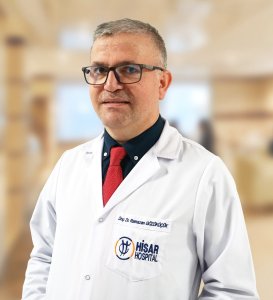
Ramazan Gozukucuk

25 años de experiencia

El profesor asociado Dr. Ramazan Gozukucuk se especializa en hepatitis viral, con 24 años de experiencia en enfermedades infecciosas.

  • Poseer certificados de competencia dual en Enfermedades Infecciosas y Microbiología Clínica
  • Haber publicado 15 artículos y participado en numerosos congresos internacionales
  • Contar con experiencia en infecciones hospitalarias e infecciones emergentes/reemergentes
  • Trabajar en el Hisar Hospital Intercontinental, un centro médico líder
verificado

Nurettin Demirkol

43 años de experiencia

El Dr. Demirkol se especializa en el manejo de enfermedades crónicas, incluida la hepatitis viral, con un enfoque en el seguimiento integral del paciente.

  • Experto en el manejo de hipertensión, hiperlipidemia y diabetes
  • Formado en la Universidad de Estambul, una de las mejores facultades de medicina de Turquía
  • Trabaja en el Hisar Hospital Intercontinental, un centro de salud líder
  • Posee una maestría en Gestión de la Salud de la Universidad de Okan
verificado

Suveyda Gozukucuk

26 años de experiencia

Especializado en enfermedades infecciosas, el Dr. Gozukucuk se centra en el tratamiento de la hepatitis en el Hospital Hisar Intercontinental.

  • Experiencia en el manejo de infecciones en pacientes inmunocomprometidos
  • Interés especial en infecciones hospitalarias y esterilización
  • Certificación oficial en enfermedades infecciosas por la Universidad de Erciyes
Ерлан • Hepatitis viral
Kazajistán
11 abr 2019
Reseña verificada.
El personal es útil
El interior de la clínica está limpio. El personal es receptivo. Fui para diagnóstico y consulta. Todo a tiempo y con cita previa. Los médicos son profesionales, pero es una pena que dediquen poco tiempo a la consulta, a pesar de que no todo es gratis.
Acerca del servicio de Bookimed
Jamil Urazov • Hepatitis viral
Uzbekistán
31 ene 2020
Reseña verificada.
"El Dr
Muy bien organizado, diagnósticos rápidos, explicaciones muy claras sobre la enfermedad y los métodos de su tratamiento.

Compartir contenido

Historias en video de pacientes de Bookimed

Dayana
Combiné mis vacaciones en Antalya con un chequeo médico.
Procedimiento: Chequeo femenino
Igor
¡Fue genial! Traslados, alojamiento, tratamiento, todo incluido.
Procedimiento: Implante dental
Clínica: WestDent Clinic
Marina
Bookimed se encargó de todo. No tuve que preocuparme por nada.
Procedimiento: Chequeo femenino
Actualizado: 01/31/2020
Escrito por
Olena Sikoza
Olena Sikoza
Сopywriter en español
Copywriter médica certificada responsable del contenido en español de Bookimed. Más de 7 años de experiencia en redacción sobre salud y turismo médico, con formación académica en edición científica y desarrollo de contenidos.
Fahad Mawlood
Editor médico y Científico de datos
Médico general. Ganador de 4 premios científicos. Sirvió en Asia Occidental. Es el ex jefe del equipo médico que soporta a pacientes de habla árabe. Ahora es responsable del procesamiento de datos y la precisión del contenido médico.
Fahad Mawlood Linkedin
Esta página puede incluir información relacionada con diversas afecciones médicas, tratamientos y servicios de salud disponibles en diferentes países. Tenga en cuenta que el contenido se proporciona sólo con fines informativos y no debe interpretarse como asesoramiento médico o orientación. Por favor consulte con su médico o con un profesional médico calificado antes de comenzar o cambiar el tratamiento médico.

Preguntas frecuentes sobre el tratamiento de Hepatitis viral en Turquía

Estas preguntas frecuentes provienen de pacientes reales que buscan atención médica a través de Bookimed. Las respuestas son proporcionadas por coordinadores médicos experimentados y representantes autorizados de las clínicas.

Is viral hepatitis treatment in Turkey performed by certified hepatologists with international accreditation?

Viral hepatitis treatment in Turkey is performed by infectious disease specialists and gastroenterologists holding Turkish Ministry of Health certification. Many experts at Joint Commission International accredited hospitals complete international fellowships. Some specialists possess Competency Certificates in Infectious Diseases and Clinical Microbiology. They follow global clinical protocols.

  • Specialist credentials: Doctors often hold official Competency Certificates in Infectious Diseases and Clinical Microbiology.
  • Global training: Leading specialists frequently complete research fellowships at major United States or European institutions.
  • Hospital standards: Top facilities like Hisar Hospital Intercontinental maintain Joint Commission International accreditation for safety.
  • Academic expertise: Many professors at university-affiliated hospitals contribute extensively to international viral hepatitis research.

Bookimed Expert Insight: While patients often search for a specific hepatologist title, Turkish medical systems primarily classify these experts under infectious diseases or gastroenterology. Data shows that specialists like Assoc. Prof. Dr. Ramazan Gozukucuk at Hisar Hospital Intercontinental often have higher clinical volume, treating thousands of cases annually. Choosing a doctor with international congress participation ensures they are familiar with the latest global drug protocols and diagnostic methods.

Patient Consensus: Patients note that diagnostics are very clear and organized, though some wish for longer consultation times during appointments. It is often recommended to verify a doctor's Turkish Board certification through official registries rather than relying on general marketing claims.

What treatment techniques are used for chronic viral hepatitis B and C in Turkey?

Turkey uses advanced Direct-Acting Antivirals (DAAs) and oral nucleoside analogs to treat chronic viral hepatitis. Patients access high-potency medications like Entecavir and Tenofovir for Hepatitis B. Hepatitis C is managed with modern regimens including Sofosbuvir and Velpatasvir. These protocols achieve cure rates over 95%.

  • Hepatitis B therapy: Entecavir and Tenofovir provide viral suppression with low resistance risk.
  • Hepatitis C treatment: Advanced DAAs like Glecaprevir and Pibrentasvir eliminate the virus.
  • Specialized diagnostics: Clinics utilize 3 Tesla MRI and PET-CT for liver assessment.
  • Expert management: Infectious disease specialists at JCI-accredited centers oversee complex viral cases.

Bookimed Expert Insight: Turkish infectious disease specialists often have massive clinical experience. Dr. Bengisu Ay at Medipol University Pendik Hospital has published specific research on hepatitis B and C. This depth of expertise is common in Istanbul centers. These facilities manage over 600,000 patients annually. They provide access to the latest drug protocols before many other regions. Patients should look for doctors with subspecialization in clinical microbiology for precise viral load management.

Patient Consensus: Patients note that consultations at major Turkish centers are highly professional and diagnostic testing is very efficient. They emphasize that while doctors deliver clear explanations about disease management, the clinical environments are consistently clean and organized.

How long will I have to stay in Turkey for a full viral-hepatitis treatment schedule?

Initial diagnosis and treatment planning for viral hepatitis in Turkey usually require 6 to 7 days. Patients typically receive their first medication supply and then complete the 8–12 week Hepatitis C regimen at home. Chronic Hepatitis B management often involves long-term oral therapy followed remotely.

  • Diagnostic timeframe: Specialized tests like FibroScan and bloodwork take 2–3 days for completion.
  • Hepatitis C duration: Oral therapy typically lasts 8–12 weeks with a 95% success rate.
  • Hepatitis B protocols: Chronic cases require medications for 1 year or longer to suppress virus.
  • Transplant recovery: Severe cases requiring living-donor liver transplants involve a 20-day hospital stay.

Bookimed Expert Insight: Turkish facilities like Hisar Hospital Intercontinental focus on high-volume efficiency. They serve over 250,000 patients annually despite having only 270 beds. This high turnover means diagnostic departments are optimized for speed. Patients can often finalize a complete treatment plan and secure their medications within one business week.

Patient Consensus: Patients note that initial diagnostics are very clear and operational. Most emphasize that staying for a week is enough to get a diagnosis and start treatment before heading home.

What are the major safety risks or side-effects during antiviral therapy in Turkey?

Antiviral therapy in Turkey for viral hepatitis is generally well-tolerated. Patients may occasionally experience gastrointestinal distress, fatigue, or elevated liver enzymes. Major safety risks like nephrotoxicity or neuropsychiatric effects are rare. JCI-accredited centers maintain rigorous monitoring protocols to ensure early detection and management of side effects.

  • Liver safety: Monitoring prevents hepatotoxicity, ensuring 99% of patients remain within safe enzyme levels.
  • Kidney health: Regular GFR checks during tenofovir therapy protect against potential renal function changes.
  • Neurological monitoring: Specialists manage rare insomnia or irritability to ensure treatment stability and patient comfort.
  • Blood composition: Routine bloodwork identifies rare anemia early, allowing for effective dosage adjustments.
  • Gastrointestinal care: Mild nausea or abdominal pain typically resolves within the first treatment month.

Bookimed Expert Insight: High-volume centers like Medipol Bahçelievler, serving 600,000 patients annually, offer a critical safety advantage. Their experience with diverse populations helps doctors identify subtle symptoms like electrolyte imbalances faster than smaller clinics. This volume-driven expertise is why large Turkish university hospitals report high success with complex antiviral protocols.

Patient Consensus: Patients note that fatigue often appears near week 3, making consistent lab work essential. They also advise using sun protection during therapy to avoid rashes, especially when staying on the coast.

Which cities host the strongest hepat/hepatology programs accessible to international patients?

Istanbul, Seoul, London, and Rochester (MN) host the strongest hepatology programs. Istanbul is a major global hub. It features Joint Commission International (JCI) accredited centers. These facilities offer a 90% organ transplant success rate. Dedicated international departments handle logistics for patients from 160+ countries.

  • Hospital accreditation: Joint Commission International (JCI) standards ensure safety.
  • Success rates: Turkish centers report 90% success for organ transplants.
  • Global accessibility: Memorial Şişli Hospital serves patients from 167 countries.
  • Expert affiliations: Anadolu Medical Center maintains a Johns Hopkins Hospital affiliation.

Bookimed Expert Insight: Istanbul distinguishes itself by the massive scale of its medical infrastructure. Hisar Hospital Intercontinental serves 250,000 patients annually. Medipol Bahçelievler University Hospital handles up to 600,000. This high patient volume allows surgeons to gain vast practical experience. Major centers often have over 150 doctors and nearly 100 specialized departments under one roof.

Patient Consensus: Patients note it is important to choose clinics with personal coordinators. They appreciate when hospitals provide airport transfers and nearby hotel stays. Many emphasize that having all diagnostic tests like PET-CT and SPECT-CT in one building simplifies the treatment process effectively.

What documentation must I bring for a smooth admission?

Admission for viral hepatitis treatment in Turkey requires a valid passport with six months validity and specific medical files. You must present previous blood tests, liver biopsy results, and imaging scans like ultrasound or FibroScan. Most JCI-accredited centers in Istanbul also require a list of current medications.

  • Travel identity: A valid passport and medical visa are required for entry into Turkey.
  • Diagnostic records: Bring HBsAg, HCV-RNA, and liver function test results from your home country.
  • Imaging data: Hard copies or digital files of recent liver ultrasounds are highly recommended.
  • Current medications: Provide a detailed list of antiviral drugs or supplements you currently use.

Bookimed Expert Insight: While many focus on current tests, the most successful admissions happen when patients bring historical viral load data. Doctors like Dr. Ramazan Gozukucuk at Hisar Hospital Intercontinental use long-term data trends to adjust specialist antiviral protocols more accurately. This documentation can prevent redundant diagnostic costs during your first hospital days.

Patient Consensus: Patients emphasize bringing digital copies of all records because physical copies are easy to lose during travel. They also note it's helpful to have previous lab results translated into English to speed up the initial doctor consultation.

Do Turkish clinics provide English-language interpretation and post-treatment tele-consults once I return home?

Turkish clinics provide English-language interpretation and post-treatment tele-consults for international patients. Private hospitals in Istanbul and Antalya employ dedicated patient coordinators. These specialists assist with on-site translation and remote follow-ups. JCI-accredited facilities maintain strict communication protocols for recovery monitoring.

  • Language support: Translators are standard at international departments. They facilitate doctor-patient communication.
  • Remote consultations: Many clinics offer follow-up via WhatsApp or video calls. This monitors recovery.
  • Medical coordination: Dedicated assistants bridge the gap between surgeons and patients. They handle documentation.
  • Virtual aftercare: Advanced hospitals use mobile apps for post-treatment tracking. This ensures ongoing support.

Bookimed Expert Insight: Patient volume often dictates the level of follow-up care. Large centers like Hisar Hospital Intercontinental serve over 250,000 patients annually. They have the infrastructure for dedicated international units. Smaller clinics may offer personalized WhatsApp support through the doctor. Always confirm if virtual consults are included in your care plan before traveling.

Patient Consensus: Patients note that clinics are very organized and staff are helpful during the visit. They explain that keeping in touch via messaging apps is common for quick questions after returning home.

Pedir una consulta gratis

Seleccione la mejor manera de contactarle