Angioplastia en Turquía — obtén 3 clínicas con costos


Revisado médicamente por
Fahad Mawlood
¿Cuál es el precio de Angioplastia en Turquía? Descubra ahora
El costo de la angioplastia en Turquía suele oscilar de $3,500 a $7,000. Los precios pueden variar según el hospital, la experiencia del cardiólogo, el tipo de stent utilizado (convencional o liberador de fármacos) y la complejidad del procedimiento (uno o varios vasos). UU.
En Turquía, los paquetes de angioplastia suelen incluir diagnósticos preoperatorios (ECG, análisis de sangre, angiografía coronaria), el procedimiento con colocación de stent, estancia hospitalaria (1–3 días), medicamentos y visitas de seguimiento. En EE. UU., el precio base normalmente cubre solo el procedimiento y la atención hospitalaria básica, con cargos separados por stents, anestesia y monitorización postoperatoria. Siempre confirmar qué está incluido con el hospital o clínica elegidos.
Beneficios clave
¿Por qué elegir Turquía para una angioplastia?
- Clínicas acreditadas: Hospitales certificados por JCI y centros acreditados por el Ministerio de Salud de Turquía garantizan atención de la más alta calidad.
- Últimas tecnologías: Procedimientos como la angioplastia arterial transluminal percutánea (PTA) y el uso de stents se realizan con dispositivos de última generación, como stents liberadores de fármacos de marcas líderes.
- Altas tasas de éxito: Los procedimientos de angioplastia tienen una tasa de éxito del 90-95%. Esto asegura resultados efectivos en el tratamiento de diversas condiciones vasculares.
- Cirujanos expertos: Renombrados especialistas cardiovasculares, entrenados en técnicas mínimamente invasivas, han realizado con éxito miles de procedimientos de angioplastia.
Acceda a soluciones avanzadas de Angioplastia en clínicas de confianza de $3,500.
| España | Turquía | México | |
|---|---|---|---|
| Angioplastia | de $20,200 | ≈ $3,500 | ≈ $4,500 |
| Stent vascular periférico | ≈ $7,200 | de $7,500 | ≈ $6,500 |
| Stent de Disección Arterial | ≈ $6,500 | ≈ $4,800 | ≈ $6,500 |
| Endarterectomía carotídea | ≈ $9,500 | de $8,000 | ≈ $9,500 |
| Angioplastia y colocación de stent en la arteria vertebral | de $39,300 | de $6,000 | ≈ $12,000 |
Sus beneficios y garantías con Bookimed
Precios directos
Bookimed no añade cargos adicionales a los precios de Angioplastia. Las tarifas proceden de las listas de precios oficiales de las clínicas. Pagará directamente en la clínica por su Angioplastia a su llegada al país.
Sólo clínicas y médicos verificados
Bookimed está comprometido con su seguridad. Solo trabajamos con las clínicas que mantienen altos estándares internacionales en Angioplastia y tienen las licencias necesarias para atender a pacientes internacionales en todo el mundo.
Asistencia 24/7 gratuita
Bookimed ofrece asistencia experta gratuita. Un coordinador médico personal le apoya antes, durante y después del tratamiento, resolviendo cualquier problema. Nunca estará solo en su viaje médico de Angioplastia.

Su coordinador médico personal de Bookimed
- Le apoya en cada etapa
- Ayuda a elegir la clínica y el médico adecuados
- Asegura un acceso rápido y conveniente a la información
Descubra las mejores clínicas de Angioplastia en Turquía: 31 opciones verificadas y Precios


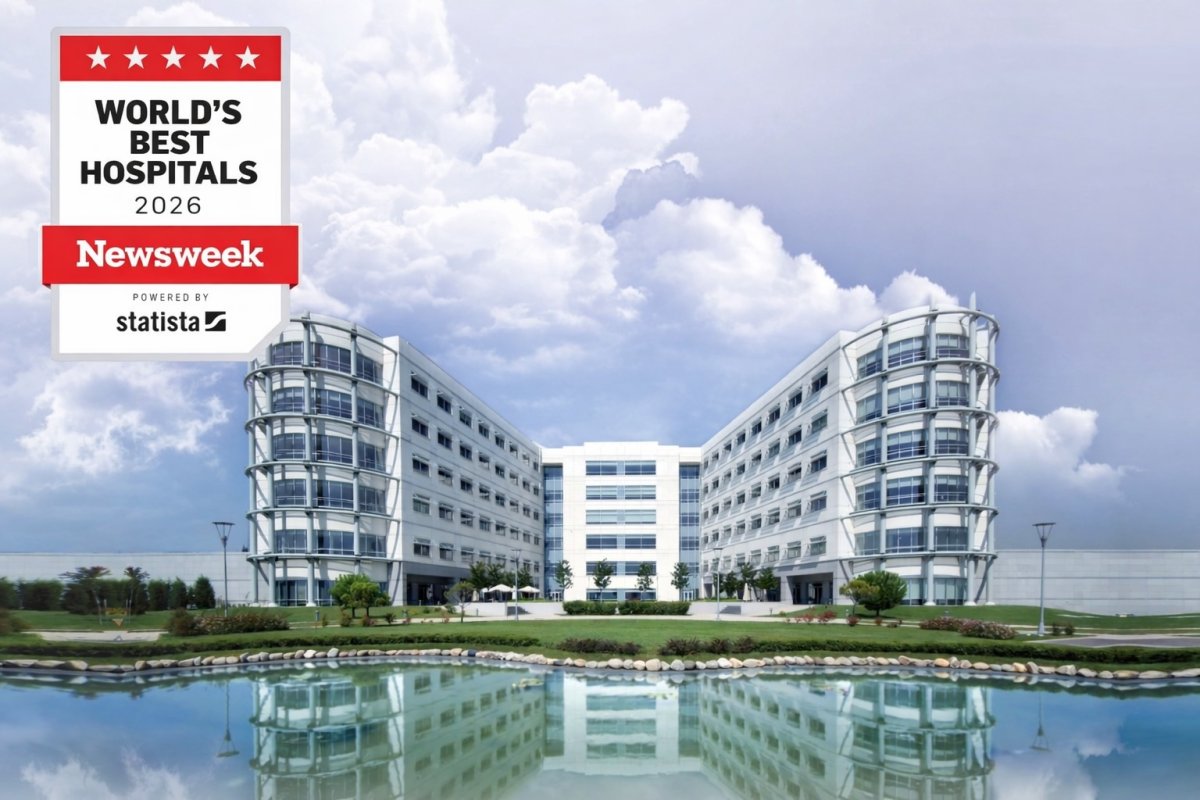





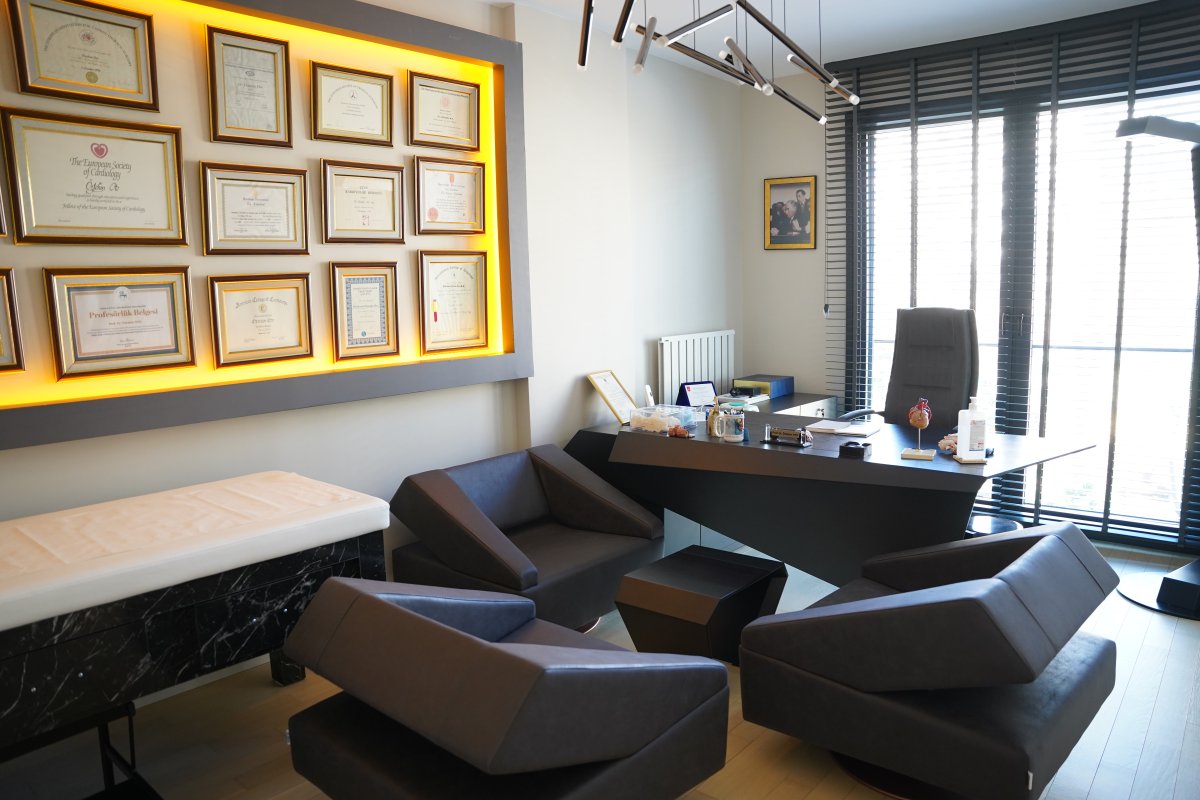
Prof. Öztekin Oto Heart Clinic






Descripción general de Angioplastia en Turquía
- Stent vascular periférico - de $7,500Este tratamiento abre los vasos estrechos a través de pequeños tubos, lo que ayuda al flujo sanguíneo y reduce el dolor, lo que brinda una recuperación rápida.
- Angioplastia - de $3,500Esta terapia expande las arterias estrechadas, utilizando un globo pequeño y un stent, mejorando el flujo sanguíneo de manera efectiva y segura.
- Angioplastia carotídea y colocación de stent - de $9,000El procedimiento ensancha las arterias estrechadas del cuello mediante el inflado del globo y la colocación de un stent, mitigando el riesgo de accidente cerebrovascular.
- El procedimiento abre las arterias cerebrales estrechadas e inserta un stent para prevenir un accidente cerebrovascular, mejorando el flujo sanguíneo de manera eficiente.
- La operación consiste en dilatar las arterias vertebrales estrechadas y colocar un stent, mejorando el flujo sanguíneo para reducir los riesgos de accidente cerebrovascular.
- Angioplastia Arterial Transluminal (PTA) y Stent - de $3,800Esta terapia ensancha los vasos sanguíneos estrechos usando un globo y coloca un stent para una apertura continua, mejorando el flujo sanguíneo.
- Stent de Disección Arterial - de $4,800Esta terapia consiste en insertar un tubo de malla para abrir una arteria desgarrada, promoviendo un flujo sanguíneo seguro y previniendo complicaciones.
Día 1 - Llegada
- Llegar al hospital.
- Regístrese en la recepción.
- Complete el papeleo necesario.
Día 2 - Preoperatorio
- Consulta con un cardiólogo.
- Realizar análisis de sangre.
- Sométete a un examen físico.
- Se puede programar ecocardiograma o prueba de esfuerzo.
Día 3 - Procedimiento de angioplastia
- Ingreso en quirófano.
- Administración de anestesia local.
- Inserción de un catéter en la arteria.
- Inflado del globo para abrir la arteria bloqueada.
- Colocación de stent para mantener abierta la arteria.
- El procedimiento dura alrededor de 1-2 horas.
Día 4 - Postoperatorio
- Observación en una sala de recuperación.
- Monitoreo de dolor y signos vitales.
- Permanezca en el hospital durante 24 horas.
Semana 1 - Rehabilitación
- Aumento gradual de la actividad física.
- Cita de seguimiento con el cardiólogo.
- Iniciar programa de rehabilitación cardiaca.
Semana 2-4 - Rehabilitación
- Continuar con la rehabilitación cardíaca.
- Regreso gradual al trabajo y actividades normales.
Mes 2-3 - Resultados finales
- La mayoría de los pacientes se recuperan completamente en este momento.
- Se puede programar una angiografía de seguimiento.
Tenga en cuenta que esta es una guía general. Los casos individuales pueden variar.
Lo que les gusta a los pacientes:
- Precio. El costo de la angioplastia en Turquía oscila entre $1000 y $17500. En comparación con otros países como los EE. UU., donde el mismo procedimiento puede costar hasta $ 50000, esto es significativamente más económico.
- Profesionalidad del médico. Los pacientes aprecian el alto nivel de experiencia demostrado por los médicos turcos. Notable son sus afiliaciones con organizaciones de salud acreditadas y numerosos procedimientos exitosos realizados.
- Nivel de servicio. Elogian el excelente servicio en los hospitales turcos. Desde la consulta inicial, durante el procedimiento y durante la recuperación, los pacientes reciben una atención atenta.
- Eficacia de la angioplastia. Los pacientes reportan resultados exitosos después de sus procedimientos de angioplastia. Estos éxitos se atribuyen a las técnicas modernas utilizadas en Turquía.
- Logística. La programación eficiente de consultas, pruebas y procedimientos minimiza los tiempos de espera, una característica que los pacientes aprecian mucho.
Lo que no les gusta a los pacientes:
- Planes de tratamiento iniciales poco claros. Los pacientes a veces encuentran confusos los planes de tratamiento iniciales. Esto puede deberse a variaciones basadas en hallazgos clínicos o solicitudes adicionales de los médicos.
- Dependencia de medicamentos. La dependencia de un paciente de ciertos medicamentos puede afectar el cronograma del procedimiento. Eso puede ser inconveniente para algunos pacientes.
- Breve aviso para la suspensión de medicamentos. A los pacientes no les gusta el breve aviso que se les da para suspender los anticoagulantes, generalmente una semana antes del procedimiento.
- Requisito de prueba COVID-19. Algunos pacientes encuentran inconveniente la prueba obligatoria de COVID-19 antes del tratamiento.
- Depósito de Bookimed: 200 $ o 200 €.
- Depósito de la clínica: Pague un porcentaje fijo por adelantado.
Obtenga una evaluación médica de Angioplastia en Turquía: haga una consulta con 13 médicos experimentados ahora
Ver todos los médicos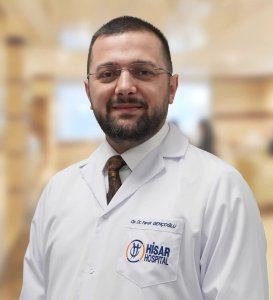
Faruk Gencoglu
Ha realizado más de 3000 cirugías cardiovasculares – El Dr. Gencoglu se especializa en procedimientos complejos de corazón y vasos sanguíneos para adultos en el Hisar Hospital Intercontinental.
- Cardiólogo certificado con experiencia desde 2020
- Especializado en enfermedad de las arterias coronarias y cirugías de válvulas
- Ex jefe clínico de cirugía a corazón abierto durante 11 años
- Formado en el Instituto de Cardiología Cerrahpaşa de Estambul
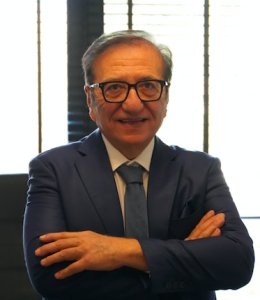
Öztekin Oto

Ertan Sagbas
El Prof. Dr. Ertan Sagbas se especializa en cirugía cardíaca mínimamente invasiva y procedimientos robóticos en el Hospital Istanbul Florence Nightingale.
- Experto en cirugía aórtica y tratamientos de arritmias
- Formado en el Instituto de Cardiología de la Universidad de Estambul
- Utiliza el avanzado sistema robótico Da Vinci para mayor precisión
- Profesor asociado con una amplia trayectoria académica
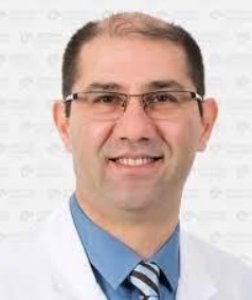
Cenk Indelen
Especializado en procedimientos cardiovasculares avanzados en el Hospital Istanbul Florence Nightingale, con un enfoque en técnicas de conservación de sangre.
- Más de 20 años de experiencia en cirugía torácica y cardiovascular
- Formado en procedimientos asistidos por robot en el Orsi da Vinci Training Center
- Miembro de la Sociedad Internacional de Cirugía Cardiotorácica Mínimamente Invasiva
- Ha publicado múltiples estudios sobre técnicas de angioplastia rentables
- Profesor asociado con experiencia en programas de mejora de transfusiones
Historias en video de pacientes de Bookimed
Reseñas
Todas las reseñas


Compartir contenido
 Olena Sikoza
Preguntas frecuentes sobre Angioplastia en Turquía
¿Soy un buen candidato para una angioplastia en Turquía y qué hospitales tienen los mejores resultados?
Usted es un buen candidato para una angioplastia en Turquía si padece una enfermedad de las arterias coronarias con bloqueos documentados superiores al 70% o angina persistente. Los centros acreditados por la JCI, como el Anadolu Medical Center y el Hospital Memorial Şişli, reportan tasas de éxito superiores al 95%, cumpliendo con los estándares internacionales de atención cardíaca.
- Indicaciones médicas: Requiere un estrechamiento del 70% o más en las arterias coronarias principales para obtener resultados óptimos.
- Requisitos de diagnóstico: Las angiografías coronarias de alta calidad y las pruebas de esfuerzo son obligatorias antes de cualquier intervención quirúrgica.
- Estancia hospitalaria: La mayoría de los procedimientos requieren de 1 a 2 días en el hospital, seguidos de 10 a 14 días en Turquía.
- Tiempo de recuperación: Los pacientes suelen lograr una recuperación básica en 48 horas y una actividad completa en 2 semanas.
Perspectiva de expertos de Bookimed: Los datos muestran una brecha de experiencia significativa en los centros de alto volumen de Estambul. El Dr. Faruk Gencoglu del Hospital Hisar ha participado en más de 3,000 casos, mientras que Medipol Mega atiende a 1.2 millones de pacientes al año. Estos entornos de alta capacidad a menudo conducen a protocolos más refinados para stents `fallidos` en comparación con clínicas b
¿Cuáles son las tasas de éxito de la angioplastia en Turquía?
Las tasas de éxito de la angioplastia en Turquía oscilan entre el 94% y el 98% para procedimientos estándar en hospitales de primer nivel acreditados por la JCI. El éxito técnico en la colocación de stents alcanza del 97% al 100%. Los principales centros de Estambul y Ankara reportan tasas de éxito del 92% al 97% para intervenciones coronarias rutinarias.
- Éxito coronario: Los centros cardíacos especializados suelen presumir de una tasa de éxito procedimental del 90% al 95%.
- Eficacia carotídea: Los procedimientos para mejorar el flujo sanguíneo cerebral muestran una eficacia de aproximadamente el 90% al 95%.
- Éxito intracraneal: Las intervenciones complejas en arterias cerebrales mantienen una tasa de éxito de alrededor del 80%.
- Estabilidad del stent: Los stents liberadores de fármacos modernos mantienen los riesgos de reestenosis por debajo del 5% en las mejores clínicas turcas.
Perspectiva del experto de Bookimed: El volumen de casos del cirujano es el predictor de éxito más fiable aquí. El Dr. Faruk Gencoglu en el Hospital Hisar ha realizado más de 3,000 procedimientos, mientras que el Prof. Emin Tireli en Medical Park supera las 6,300 cirugías. Elegir médicos con estos antecedentes de alto volumen minimiza significativamente los riesgos de complicaciones periprocedimentales por debajo del promedio nacional del 8%.
Conse
¿Qué incluye normalmente un paquete de angioplastia en Turquía y qué no está cubierto?
Los paquetes de angioplastia en Turquía normalmente incluyen el procedimiento quirúrgico, un stent liberador de fármacos, anestesia y de 1 a 3 noches de hospitalización. La mayoría de los paquetes también cubren los análisis de sangre preoperatorios básicos y el ECG, mientras que los traslados al aeropuerto y los servicios de traducción médica son estándar en instalaciones acreditadas por la JCI como el Hisar Hospital Intercontinental.
- Intervención médica: Cubre las tarifas del laboratorio de cateterismo, la anestesia y el procedimiento de angioplastia con balón.
- Instalaciones hospitalarias: Incluye de 1 a 3 noches en una habitación estándar o VIP con comidas.
- Uso de dispositivos: Los paquetes suelen incluir un stent liberador de fármacos (DES) estándar de marcas premium.
- Apoyo logístico: La mayoría de las clínicas de primer nivel ofrecen traslados VIP del aeropuerto al hospital e intérpretes personales.
Opinión del experto de Bookimed: Aunque los costos base oscilan entre $3,500 y $7,000, los pacientes a menudo pasan por alto que estos generalmente solo cubren un solo stent. Para casos complejos que requieren dos o más stents, la factura final aumenta por dispositivo. Clínicas como el Anadolu Medical Center mantienen una alta transparencia al detallar estos costos adicionales durante la consulta remota inicial.<
¿Quiénes son los cardiólogos y cirujanos líderes que realizan angioplastias en Turquía?
Entre los cardiólogos líderes en Turquía se encuentran el Prof. Dr. Alp Burak Çatakoğlu y el Dr. Mehmet Saygı, quienes han realizado más de 2,500 procedimientos coronarios. Estos especialistas operan en instalaciones acreditadas por la JCI como el Hisar Hospital Intercontinental y el Anadolu Medical Center, que está afiliado a Johns Hopkins Medicine.
- Dr. Mehmet Saygı: Especialista certificado en el Hospital Hisar con experiencia en más de 2,500 angiografías coronarias y colocación de stents.
- Prof. Alp Burak Çatakoğlu: Experto en el LIV Hospital Ulus especializado en lesiones complejas y oclusiones totales crónicas.
- Dr. Ertan Okmen: Cuenta con más de 12 años de experiencia en la colocación de stents en el Anadolu Medical Center, acreditado por la JCI.
- Prof. Ertan Sağbaş: Especialista en el Hospital Istanbul Florence Nightingale enfocado en técnicas mínimamente invasivas y asistidas por robot.
Perspectiva del experto de Bookimed: Los datos muestran una gran brecha de experiencia entre los generalistas y los especialistas de alto volumen en Estambul. Por ejemplo, el Dr. Emin Tireli en Medical Park ha realizado más de 6,300 procedimientos. Elegir cirujanos con más de 1,000 operaciones en su carrera se correlaciona significativamente con las tasas de éxito del 99% reportadas por las clínicas turcas de primer nivel.
Consenso de
¿Cuánto tiempo debo planificar mi estancia en Turquía y qué documentos de viaje se necesitan?
Planifique una estancia de 7 a 10 días en Turquía para una angioplastia a fin de garantizar el alta médica. Necesita un pasaporte válido por seis meses y una visa o e-Visa según su nacionalidad. La mayoría de los casos electivos requieren de 1 a 3 días de hospitalización seguidos de 5 días de recuperación.
- Estancia hospitalaria: Espere de 1 a 3 días en instalaciones acreditadas por la JCI como el Hisar Hospital Intercontinental.
- Periodo de recuperación: Los cirujanos requieren de 5 a 7 días de recuperación local antes de que esté apto para volar.
- Reglas de visa: Los ciudadanos de EE. UU., Reino Unido y la UE a menudo disfrutan de una entrada sin visa de 90 días para turismo médico.
- Documentos obligatorios: Lleve un pasaporte físico, reservas de hotel y prueba de un seguro de viaje médico integral.
Opinión experta de Bookimed: Aunque una angioplastia básica cuesta $3,500, elegir un centro acreditado por la JCI como Memorial Şişli garantiza estándares de seguridad internacionales. Los datos muestran que los hospitales privados turcos dan el alta a los pacientes 2 días más rápido que los públicos. Esta estancia más corta permite una recuperación más cómoda en un hotel cercano antes de su ecocardiograma de seguimiento.
Consenso de los pacientes: Los pacientes recomiendan reservar vuelos reembolsables y q
¿Qué hospitales son los mejores para una angioplastia en Turquía?
Los mejores hospitales para una angioplastia en Turquía incluyen centros acreditados por la JCI como el Anadolu Medical Center, Memorial Şişli y el Hisar Hospital Intercontinental.
- Anadolu Medical Center: Afiliado a Johns Hopkins Medicine, brinda atención cardiovascular de estándar estadounidense e imágenes diagnósticas PET-CT.
- Memorial Şişli Hospital: El primer centro turco acreditado por la JCI, que cuenta con laboratorios de cateterismo especializados y quirófanos híbridos.
- Hisar Hospital Intercontinental: Trata a 250,000 pacientes anualmente con expertos como el Dr. Faruk Gencoglu realizando procedimientos complejos.
- Medipol Mega Hospital: Un complejo académico masivo que ofrece cardiología intervencionista asequible y protocolos antiplaquetarios avanzados.
Perspectiva del experto de Bookimed: Aunque muchos pacientes se centran solo en el precio del procedimiento de $3,500 a $7,000, el valor real reside en la estancia hospitalaria y el tipo de acceso. Por ejemplo, centros como Istanbul Florence Nightingale utilizan el acceso radial (muñeca), que generalmente permite una recuperación más
¿Cuánto dura la estancia hospitalaria y la recuperación tras una angioplastia en Turquía?
Una angioplastia rutinaria en Turquía requiere normalmente una estancia hospitalaria de 12 a 24 horas, y muchos pacientes con acceso radial son dados de alta el mismo día. La mayoría de las personas reanudan sus actividades ligeras en un plazo de 3 días y logran una recuperación completa en 1 a 2 semanas en centros acreditados por la JCI.
- Ingreso hospitalario: Espere de 4 a 24 horas de observación según el punto de acceso arterial utilizado.
- Movilización inicial: Los pacientes suelen empezar a caminar entre 6 y 24 horas después del procedimiento.
- Regreso al trabajo: Las tareas de oficina ligeras son manejables entre 3 y 7 días después del alta.
- Restricciones físicas: Evite levantar objetos de más de 9 kg (20 libras) durante al menos 2 semanas.
Perspectiva del experto de Bookimed: Mientras que muchos hospitales de EE. UU. siguen optando por estancias de varios días, los centros turcos como el Hisar Hospital Intercontinental utilizan el acceso por la arteria radial para permitir el alta el mismo día. Cirujanos como el Dr. Faruk Gencoglu, que ha realizado más de 3.000 procedimientos vasculares, priorizan este método para minimizar el sangrado y acelerar la recuperación.
Consenso de los pacientes: Los pacientes enfatizan la importancia de solicitar el acceso radial para asegurar una movilización más rápida y sugieren
¿Qué tipos de stents se utilizan durante la angioplastia en los hospitales turcos?
Los hospitales turcos utilizan tecnologías de stent avanzadas, incluidos los stents liberadores de fármacos (DES), los stents metálicos convencionales (BMS) y los armazones vasculares biorreabsorbibles (BVS). Los centros acreditados por la JCI en Estambul y Ankara priorizan marcas aprobadas por la FDA como Abbott Xience, Boston Scientific Synergy y modelos de Medtronic para garantizar altas tasas de éxito y riesgos mínimos de reestenosis.
- Stents liberadores de fármacos: Recubiertos con medicamentos como sirolimus para prevenir el crecimiento de tejido cicatricial.
- Armazones biorreabsorbibles: Stents disolubles como Magmaris que desaparecen después de que la arteria sana.
- Stents metálicos convencionales: Malla de acero inoxidable utilizada habitualmente para pacientes con alto riesgo de hemorragia.
- Marcas premium: Los centros líderes utilizan dispositivos Abbott Xience, Promus Element, Orsiro y Synergy.
Perspectiva de expertos de Bookimed: Los datos de las clínicas de primer nivel de Estambul muestran un cambio hacia stents biorreabsorbibles de puntales finos como Orsiro para pacientes más jóvenes. Si bien los paquetes básicos cubren los DES estándar, solicitar marcas específicas como Abbott Xience en centros como el Hisar Hospital Intercontinental garantiza la compatibilidad internacional para la atención de seguimiento.