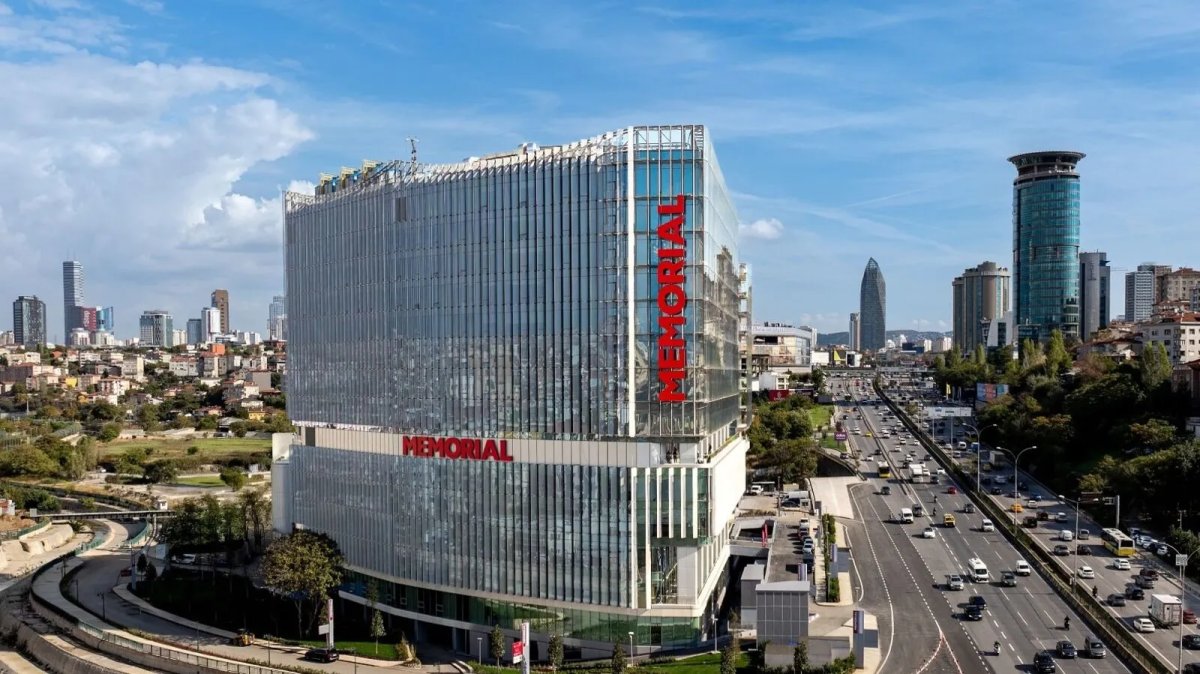
Hospital Lokman Hekim de Estambul (Lokman Hekim Istanbul Hospital)
Turquía, Estambul
Murat Yaman
11 años de experiencia

Clínica certificada por : 



Revisado médicamente por
Fahad Mawlood
El costo de una lipectomía en cinturón en Turquía suele oscilar de $4,500 a $9,100. El precio depende de la clínica, la experiencia del cirujano y la complejidad del procedimiento, como la cantidad de tejido a retirar y si se requiere contorneado adicional. UU.
Las clínicas turcas suelen incluir la consulta inicial, análisis de sangre preoperatorios, medicamentos postoperatorios, visitas de seguimiento y atención al paciente las 24 horas. El personal que habla inglés y los planes personalizados son estándar. En EE. UU., los precios suelen cubrir solo los honorarios del cirujano, mientras que la anestesia, la estancia hospitalaria y los cuidados posteriores se facturan por separado. Confirmar qué está incluido en cada clínica antes de reservar.





Día 1
Dia 2
Día 3
Día 4
Dia 5
Día 6
Semana 1-2
Semana 3-4
Semana 5-6
Semana 7 en adelante
Tenga en cuenta que el cronograma de recuperación de cada paciente puede variar según su condición de salud individual y las capacidades de curación del cuerpo.
Lo que les gusta a los pacientes:
Lo que no les gusta a los pacientes:
Bookimed, una plataforma líder mundial en turismo médico, se compromete a ayudar a los clientes que buscan una lipectomía de cinturón en Turquía ofreciéndoles asistencia experta y soluciones médicas confiables para cada situación. Se utiliza un sistema de clasificación automático inteligente para elaborar listas de clínicas transparentes, mantenidas meticulosamente por un científico de datos que utiliza IA para mayor precisión. La plataforma garantiza la autenticidad al publicar reseñas de pacientes reales después de sus tratamientos. Bookimed ofrece soluciones médicas integrales, con actualizaciones de las clínicas para garantizar la confiabilidad. El contenido sobre la lipectomía de cinturón en Turquía, elaborado por autores médicos experimentados y revisado por especialistas, cumple con las pautas editoriales de Bookimed , lo que refleja el compromiso de la plataforma de brindar información de salud clara y de alta calidad. Para obtener más detalles o consultas, no dude en contactarnos en marketing@bookimed.com o obtenga más información sobre nosotros y nuestra misión Acerca de Bookimed .
El Dr. Murat Yaman es un experimentado cirujano plástico y estético. Es conocido por su experiencia en cirugías de abdominoplastia y el empleo de técnicas quirúrgicas avanzadas para obtener resultados óptimos. Ha realizado un número impresionante de diversas cirugías, incluyendo más de 1 500 operaciones de nariz y aumento de senos, 500 estiramientos faciales, 1 000 cirugías de lifting, y alrededor de 1 000 liposucciones utilizando la tecnología VASER lipo.
El Dr. Ilker Manavbaşı es especialista en cirugía funcional de nariz y procedimientos de rejuvenecimiento, con una amplia formación en cirugía reconstructiva.

La Dra. Leyla Arvas se especializa en procedimientos de contorno corporal, incluida la lipectomía en cinturón, con una amplia experiencia internacional en cirugía estética y reconstructiva.
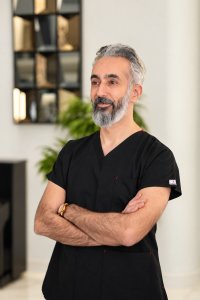
El Dr. Furkan Erol Karabekmez se especializa en procedimientos estéticos, incluida la lipectomía en cinturón, en su propia clínica.






 Olena Sikoza

Un procedimiento quirúrgico que elimina el exceso de piel y grasa de la sección media, mejorando el contorno corporal.
Las complicaciones comunes de la lipectomía en cinturón incluyen dehiscencia de la herida, formación de seromas e infecciones localizadas. Los riesgos mayores involucran trombosis venosa profunda (TVP) y embolia pulmonar. El manejo a menudo requiere drenajes quirúrgicos, antibióticos o cuidado especializado de heridas en instalaciones acreditadas por la JCI para garantizar la seguridad del paciente y resultados de recuperación óptimos.
Perspectiva del experto de Bookimed: Si bien las clínicas básicas ofrecen tarifas más bajas, elegir centros acreditados por la JCI como el Hisar Hospital Intercontinental proporciona un acceso crítico a la UCI. Esto es vital para manejar complicaciones raras pero graves como la embolia pulmonar. Los datos muestran que los hospitales turcos de primer nivel mantienen estándares de seguridad más altos para paciente
Las restricciones de actividad después de una lipectomía en cinturón (belt lipectomy) en Turquía incluyen evitar levantar objetos pesados de más de 2,5–4,5 kg y conducir durante al menos 2–3 semanas. Los pacientes deben priorizar caminar suavemente para prevenir coágulos sanguíneos, evitando estrictamente ejercicios de core, torsiones o deportes de alto impacto durante 8–12 semanas.
Perspectiva del experto de Bookimed: Los datos de las principales clínicas de Estambul muestran una tendencia hacia protocolos de recuperación ultraconservadores. Aunque algunos estándares globales permiten pesos ligeros a las 6 semanas, los cirujanos turcos, como los del Hospital Hisar, a menudo exigen un límite estricto de 2 kg durante 2 meses completos. Esta precaución adicional se correlaciona con el gran volumen de pacientes internacionales que requieren la máxima estabilidad estructural antes de sus vuelos de reg
Los cirujanos turcos determinan la idoneidad para una lipectomía en cinturón mediante evaluaciones físicas remotas de la elasticidad de la piel y la estabilidad del peso, seguidas de exámenes diagnósticos obligatorios en persona. Los candidatos generalmente requieren un índice de masa corporal (IMC) entre 28 y 32, con un peso estable mantenido durante al menos 3 a 6 meses.
Perspectiva del experto de Bookimed: Mientras que las clínicas de EE. UU. y el Reino Unido a menudo rechazan estrictamente a los pacientes con un IMC de 30, los centros turcos como el Istanbul Aesthetic Plastic Surgery Center aprueban con frecuencia a estos candidatos basándose en la calidad clínica del tejido. Este proceso de aprobación más rápido a menudo se basa en la experiencia del cirujano con más de 10,000 procedimientos en lugar de las largas eva
Una lipectomía circular resulta en una cicatriz permanente y circunferencial que rodea todo el torso inferior. Aunque es de longitud significativa, los cirujanos turcos posicionan estratégicamente la incisión dentro de los pliegues naturales del cuerpo. Esta ubicación permite que la cicatriz final permanezca oculta bajo la línea de la ropa interior o el traje de baño estándar para la mayoría de los pacientes.
Perspectiva del experto de Bookimed: Las clínicas turcas con un alto volumen de pacientes, como el Istanbul Aesthetic Center, a menudo priorizan las técnicas de cierre sin tensión. Los datos muestran que cirujanos experimentados como el Dr. Ali Nurhan Özbaba, con 30,000 cirugías, se enfocan en la sutura multicapa. Este método específico evita las cicatrices anchas y estiradas comúnmente asociadas con la eliminación agresiva de p
Los cirujanos plásticos turcos utilizan el contorno corporal circunferencial de 360 grados para tratar todo el torso inferior. A diferencia de la abdominoplastia clásica, que solo se dirige a la parte frontal, la lipectomía en cinturón emplea una incisión continua en la cintura para elevar los glúteos, los muslos externos y los flancos mientras se tensa la pared abdominal.
Perspectiva del experto de Bookimed: Los datos muestran una brecha masiva entre las abdominoplastias estándar y las lipectomías en cinturón en Turquía. Los centros de alto volumen como el Hisar Hospital Intercontinental se centran en pacientes post-bariátricos que necesitan una escisión cutánea importante. Aunque el procedimiento cuesta entre Precio a consultar y Precio a consultar, requiere estancias hospitalarias signif
Las primeras 6 semanas de recuperación de una lipectomía en cinturón implican un dolor inicial alto que disminuye para la semana 3, con una movilidad limitada a caminatas cortas en interiores. Los pacientes suelen volver al trabajo de oficina en un plazo de 2 a 4 semanas, mientras que el trabajo físico requiere de 6 a 8 semanas.
Perspectiva del experto de Bookimed: Si bien muchas guías basadas en EE. UU. sugieren volver al trabajo de oficina en 10 días, la recuperación en Turquía suele durar de 14 a 21 días antes de volar. Este tiempo adicional en el país garantiza que los cirujanos puedan controlar la cicatrización inicial de la herida y manejar el pico de hinchazón observ
Los paquetes de cirugía en Turquía suelen incluir el procedimiento médico, los honorarios del cirujano y la anestesia, junto con apoyo logístico como traslados VIP del aeropuerto a la clínica y alojamiento en hoteles de 4 o 5 estrellas. La mayoría de los planes estructurados incluyen análisis de sangre preoperatorios, 1 a 3 noches de hospitalización y coordinación dedicada al paciente bilingüe.
Perspectiva del experto de Bookimed: El análisis de más de 14,000 solicitudes muestra que los paquetes de más de $4,000 a menudo incluyen de 5 a 10 sesiones de drenaje linfático. Las opciones económicas de menos de $3,000 generalmente omiten estos masajes y los medicamentos posteriores al alta. Los pacientes deben verificar si se incluyen prendas de compresión, ya que pueden sumar entre $200 y $500 en costos locales inesperados.
Consenso de los pacientes: Los paciente
La lipectomía en cinturón en Turquía resulta en una cicatriz circunferencial permanente alrededor de la cintura. Los cirujanos turcos colocan estratégicamente estas incisiones en la parte baja del abdomen y a través de la espalda baja para asegurar que permanezcan ocultas bajo la ropa de baño o interior estándar durante el proceso de curación.
Perspectiva del experto de Bookimed: Los datos de las mejores clínicas de Estambul muestran que los cirujanos a menudo mantienen los drenajes durante 14 días. Esta mayor duración se dirige específicamente a la acumulación de líquido que puede causar cicatrices gruesas e hipertróficas. Mientras que otras clínicas locales pueden retirar los drenajes antes, este enfoque especializado turco ayuda a que la incisión de 360 grados se convierta en una línea fina más rápidamente.
Una lipectomía circular en Turquía requiere una estancia de 10 a 14 días para garantizar un viaje seguro. Este periodo incluye de 1 a 3 noches de hospitalización para observación, seguidas de 7 a 10 días de recuperación local para la retirada de los drenajes y el alta médica definitiva.
Opinión de expertos de Bookimed: Los datos de centros de gran volumen como el Istanbul Aesthetic Plastic Surgery Center muestran que las estancias de 12 días reducen significativamente los riesgos de los viajes de larga distancia. Aunque algunas clínicas sugieren 7 días, los cirujanos más experimentados, incluidos aquellos con más de 30.000 operaciones, esperan hasta el día 10 para retirar los drenajes y evitar la formación de seromas durante los vuelos.
Consenso de los pacientes: Los pacientes enfatizan la importancia de permanecer