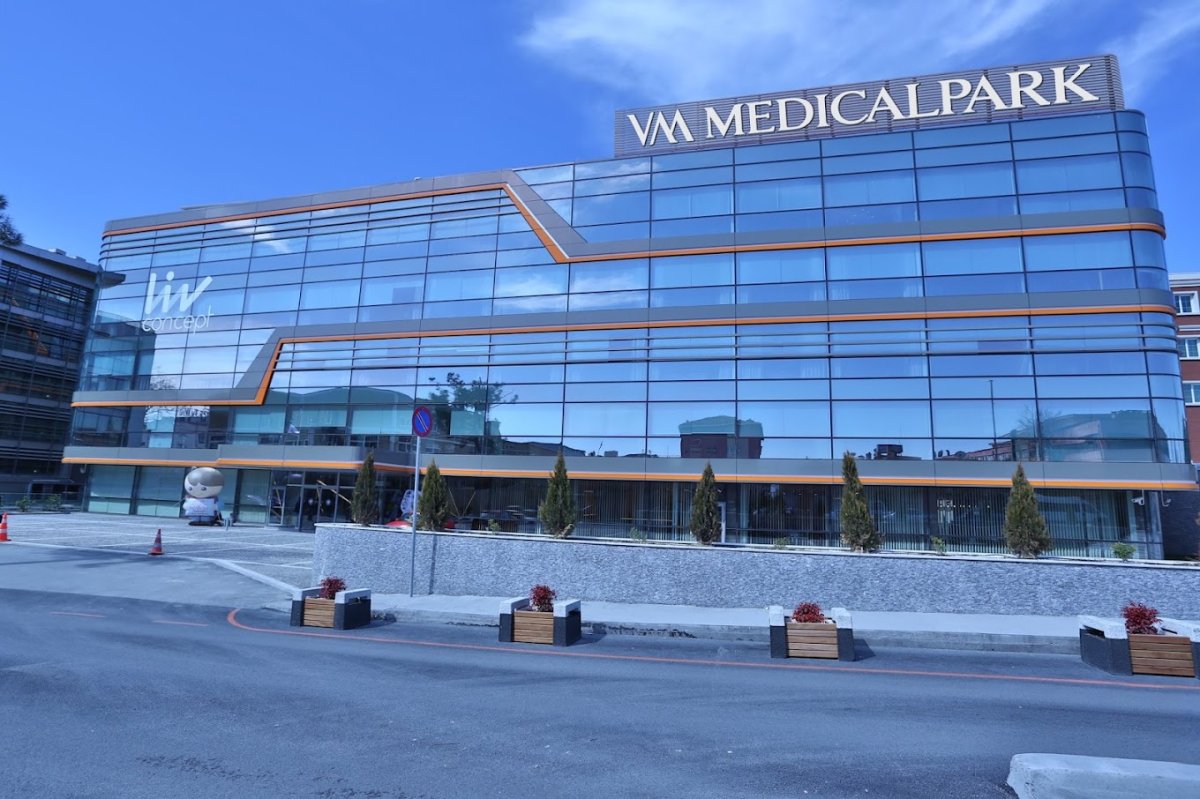
Dr. MED Clinic
Turquía, Estambul


Revisado médicamente por
Fahad Mawlood
El costo de la remodelación de la frente en Turquía suele oscilar de $3,400 a $3,800. Los precios varían según la clínica, la experiencia del cirujano y si se requiere remodelación ósea, lifting de cejas o colocación de implantes. En Estados Unidos, el costo promedio es de $12,300 (según ASPS). La remodelación de la frente en Turquía cuesta aproximadamente un 71% menos que en EE. UU.
Las clínicas turcas suelen incluir en el precio la consulta preoperatoria, anestesia general, tarifas hospitalarias, materiales quirúrgicos, medicamentos y una visita de seguimiento. En EE. UU., el precio anunciado suele cubrir solo los honorarios del cirujano, con cargos adicionales por anestesia, instalaciones y cuidados postoperatorios. Siempre confirmar exactamente qué está incluido con la clínica antes de reservar.
| Turquía | España | Estados Unidos | |
|---|---|---|---|
| Cirugía de contorno de la frente | de $3,400 | de $7,800 | ≈ $8,500 |
| Reducción de frente | de $3,700 | de $5,600 | ≈ $6,500 |
Bookimed, una plataforma líder mundial en turismo médico, se compromete a ayudar a los clientes que buscan un contorno de frente en Turquía ofreciéndoles asistencia experta y soluciones médicas confiables para cada situación. Se utiliza un sistema de clasificación automático inteligente para elaborar listas de clínicas transparentes, mantenidas meticulosamente por un científico de datos que utiliza IA para mayor precisión. La plataforma garantiza la autenticidad al publicar reseñas de pacientes reales después de sus tratamientos. Bookimed ofrece soluciones médicas integrales, con actualizaciones de las clínicas para garantizar la confiabilidad. El contenido sobre el contorno de la frente en Turquía, elaborado por autores médicos experimentados y revisado por especialistas, cumple con las pautas editoriales de Bookimed , lo que refleja el compromiso de la plataforma de brindar información de salud clara y de alta calidad. Para obtener más detalles o consultas, no dude en contactarnos en marketing@bookimed.com o obtenga más información sobre nosotros y nuestra misión Acerca de Bookimed .

El Dr. Yaman trata a 500-600 pacientes al año, centrándose en resultados de aspecto natural en procedimientos estéticos y reconstructivos.
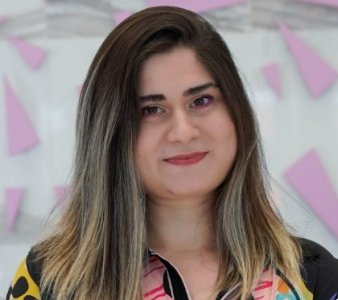
La Dra. Aysel Pasazade es cirujana plástica, reconstructiva y estética. Se graduó en la Facultad de Medicina Cerrahpaşa de la Universidad de Estambul y se especializó en la Facultad de Medicina de la Universidad de Bursa Uludağ. Posee la certificación de la Junta Europea de Cirugía Plástica, Reconstructiva y Estética (EBOPRAS).
Ha trabajado en hospitales universitarios y clínicas privadas. Asiste a congresos internacionales, cursos de cirugía en vivo y formación avanzada, lo que mantie
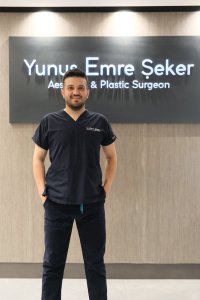
El Dr. Seker se formó con el Prof. Dr. Ömer Özkan, pionero en cirugías reconstructivas complejas, incluyendo el primer trasplante de útero del mundo y el primer trasplante doble de brazos en Turquía.

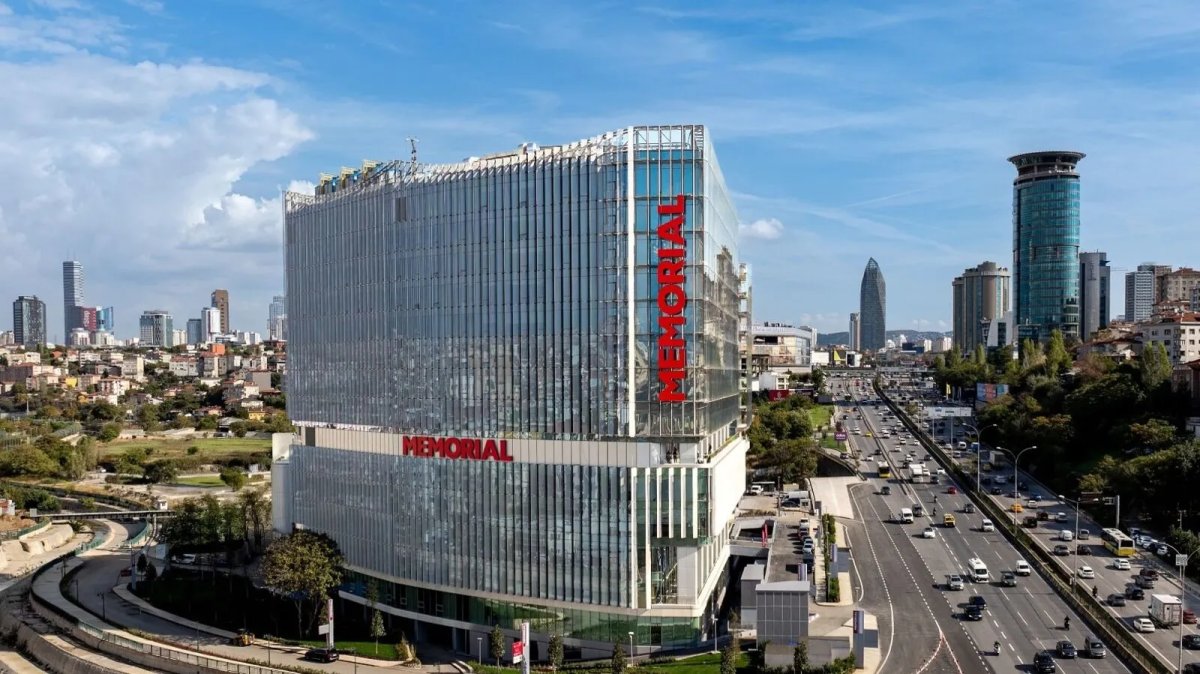
Especialista en Cirugía Plástica, Reconstructiva y Estética – El Dr. Ozturk ejerce en el Hospital Memorial Şişli.










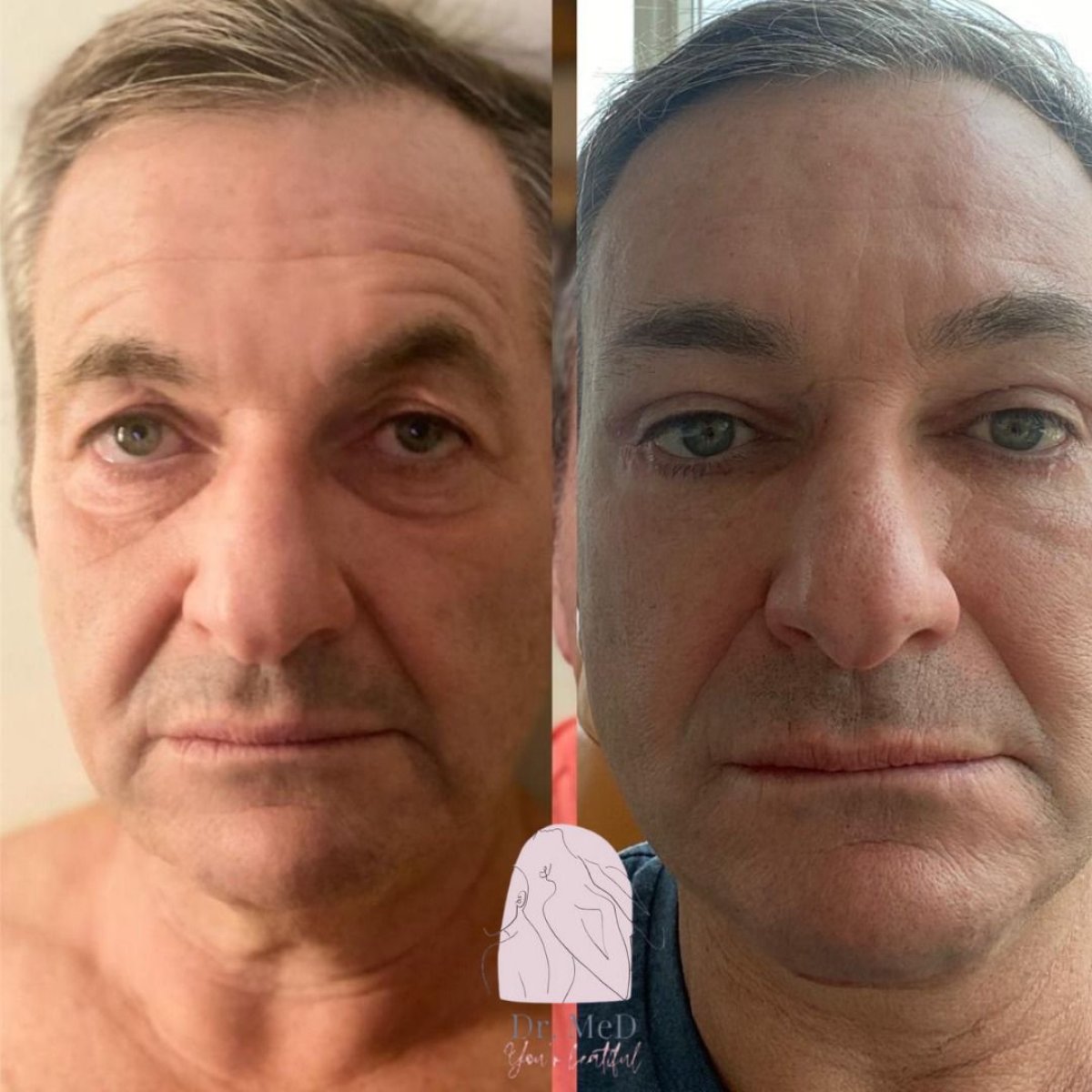
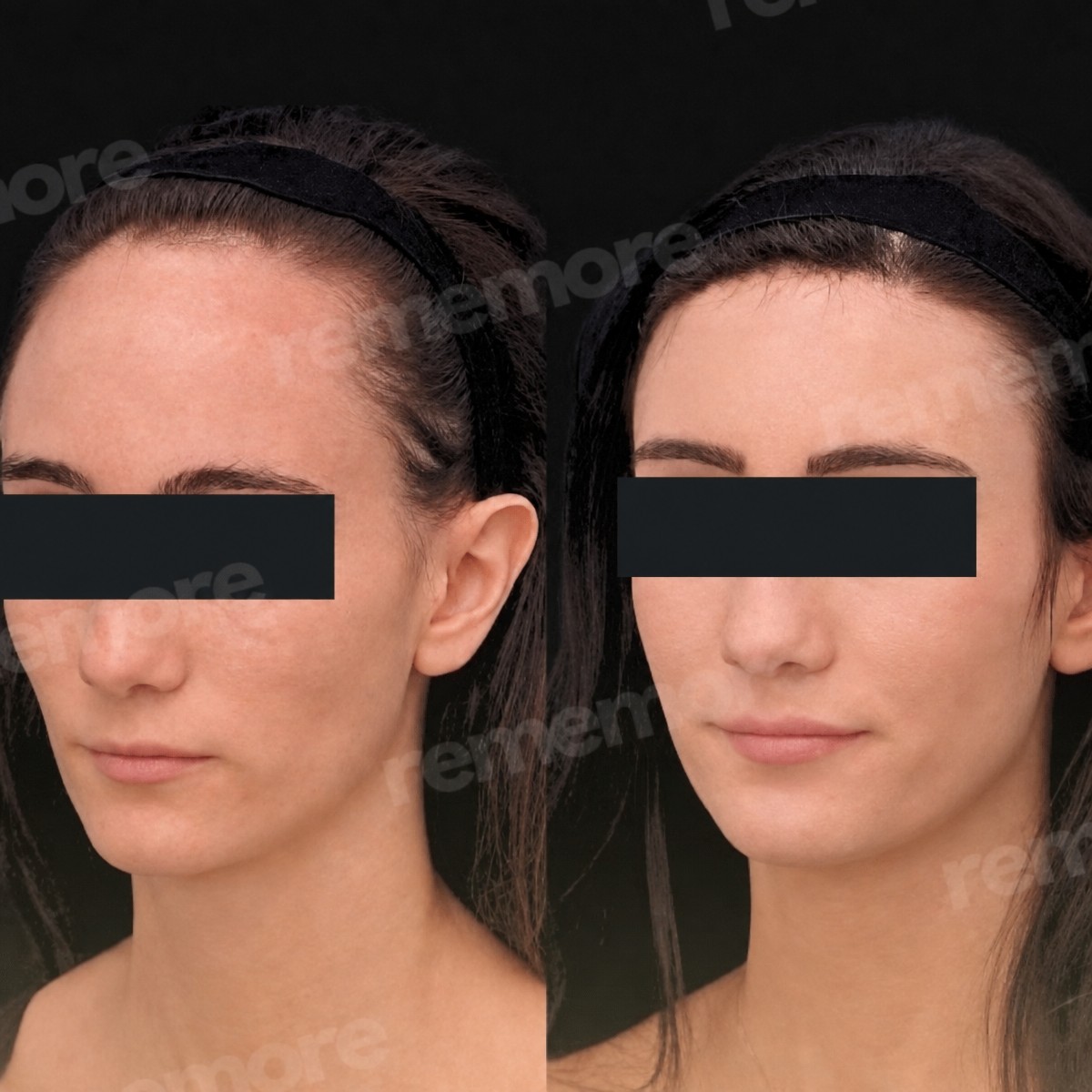
 Olena Sikoza
El contorneado de frente conlleva riesgos específicos, incluyendo daño nervioso, pérdida sensorial permanente e insatisfacción con la simetría estética. Aunque generalmente es seguro en instalaciones turcas acreditadas, la remodelación ósea compleja, como la craneoplastia de Tipo 3, puede provocar ocasionalmente problemas sinusales, picazón crónica o pérdida temporal de cabello a lo largo de la incisión.
Perspectiva del experto de Bookimed: Los datos de 73,332 solicitudes de pacientes muestran que los resultados de seguridad dependen en gran medida del mapeo preoperatorio. Las clínicas de primer nivel en Estambul, como el Hospital Quartz o el Hospital Lokman Hekim Istanbul, utilizan tomografías computarizadas 3D para verificar el grosor del hueso antes de realizar el limado. E
Los cirujanos turcos a menudo superan los estándares internacionales para el contorno de frente al combinar rigurosos títulos de medicina de 6 años con residencias especializadas de 5 años. Los especialistas líderes poseen certificaciones del European Board of Plastic, Reconstructive and Aesthetic Surgery (EBOPRAS) y membresías en la International Society of Aesthetic Plastic Surgery (ISAPS), asegurando la alineación con los puntos de referencia técnicos y de seguridad occidentales.
Perspectiva del experto de Bookimed: Las clínicas de alto volumen en Estambul como Quartz Hospital o Dr. MED reportan tasas de éxito superiores al 97% para trabajos faciales complejos. Mientras que los cirujanos estadounidenses podrían realizar 50 reducciones de frente al año, los mejo
La mayoría de los pacientes se recuperan de un contorno de frente en 10 a 14 días, aunque el refinamiento óseo interno continúa hasta por 1 año. Los cirujanos en Turquía a menudo retiran las suturas alrededor del día 10, lo que permite a los pacientes regresar a trabajos no físicos con hinchazón y hematomas manejables.
Perspectiva del experto de Bookimed: Los datos de 73,332 solicitudes en Turquía muestran que clínicas como Memorial Şişli y Hisar Hospital priorizan los protocolos de seguridad acreditados por la JCI. Si bien la recuperación básica toma 2 semanas, vemos que los pacientes que presupuestan una estadía de 7 días en Estambul tienen una mayor satisfacción. Este plazo garantiza que el cirujano controle la regeneración nerviosa inicial y la integridad de la sutura antes del vuelo de regreso.
Consenso del paciente:
El contorneado de frente en Turquía utiliza principalmente el limado óseo, la remodelación del seno frontal e implantes personalizados para remodelar la parte superior del rostro. Los cirujanos suelen combinar estas técnicas con injertos de grasa o descenso de la línea del cabello para lograr proporciones faciales equilibradas. Las técnicas comunes incluyen el limado de tipo 1 para protuberancias leves y la osteotomía de tipo 3 para huesos frontales significativamente prominentes.
Perspectiva del experto de Bookimed: Las clínicas turcas suelen realizar el contorneado de frente como parte de la Cirugía de Feminización Facial (FFS), donde el alto volumen de pacientes conduce a una experiencia especializada. Médicos como la Dra. Ceren Durgun en la Clínica Medi
Los candidatos ideales para el contorneado de frente son adultos sanos con crestas supraorbitales prominentes, frentes inclinadas o asimetrías óseas que buscan equilibrio facial. Este procedimiento es un componente principal de la feminización facial para personas transgénero o cualquier persona que desee un perfil facial superior más suave y refinado.
Perspectiva del experto de Bookimed: Aunque muchos buscan un simple limado, los centros especializados de Turquía como el Hospital Quartz a menudo realizan reconstrucciones de Tipo 3 más complejas. La Dra. Leyla Arvas señala que los pacientes internacionales a menudo subestiman la recuperación. Debe presupuestar una fase de entumecimiento de 4 a 6 semanas durante su proceso de curación.
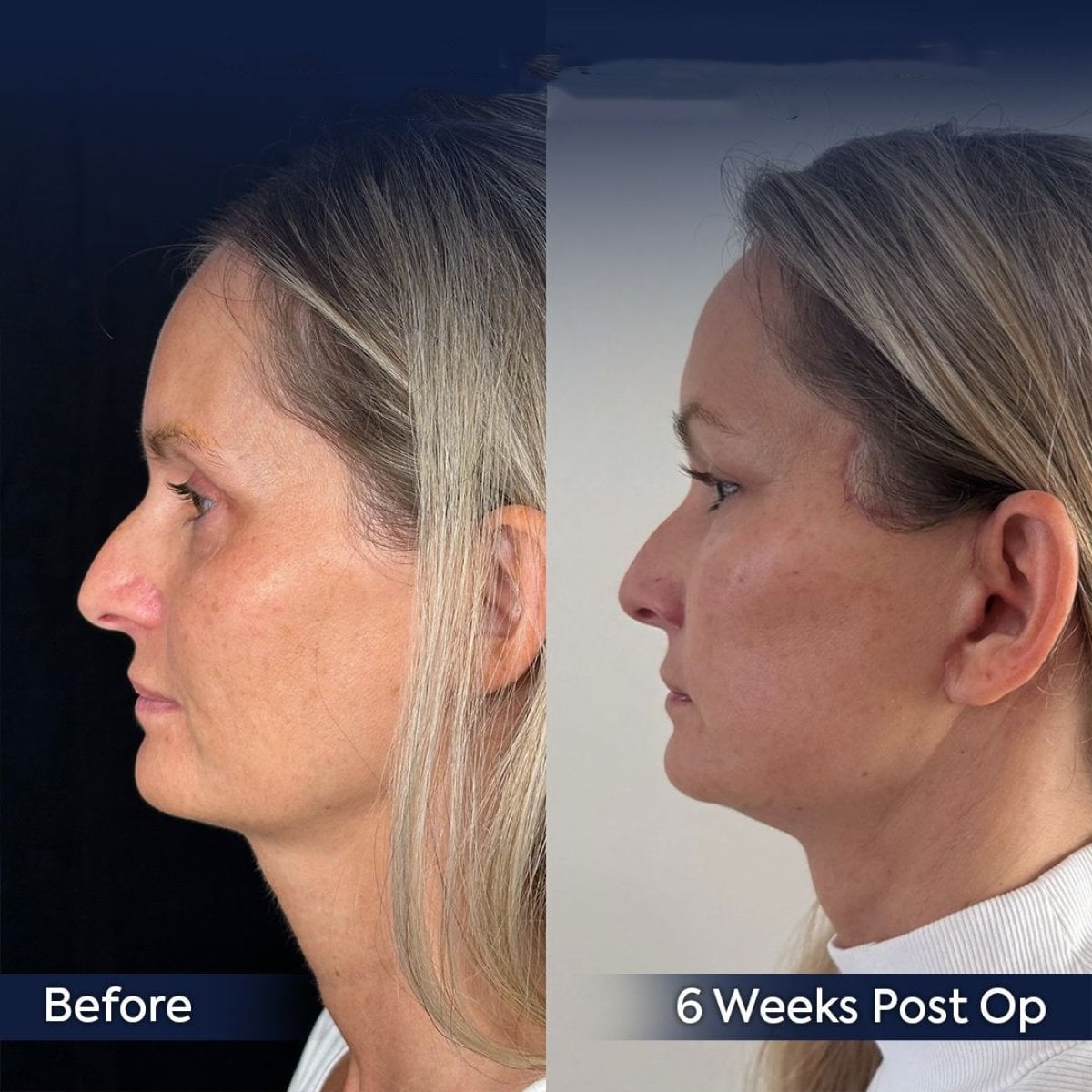
<Las cicatrices del contorno de la frente en Turquía suelen estar bien ocultas dentro de la línea del cabello y se desvanecen significativamente durante 6 a 18 meses. La visibilidad depende de la técnica elegida, como las incisiones pre-triquiales o coronales, y el uso de cierre tricofítico para permitir el crecimiento del cabello a través de la línea de la cicatriz.
Perspectiva del experto de Bookimed: Si bien muchas clínicas ofrecen incisiones coronales estándar, es vital priorizar a cirujanos como la Dra. Ceren Durgun, que se especializan en el contorno específico de la frente. Los datos muestran que el cierre tricofítico es un diferenciador en Turquía. Esta técnica asegura que, incluso si existe una cicatriz, el crecimiento del cabello la enmascara por completo. Confirme siempre qu