Trasplante de corazón en Turquía — obtén 3 clínicas con costos


Revisado médicamente por
Fahad Mawlood
¿Cuál es el precio de Trasplante de corazón en Turquía? Descubra ahora
El costo de un trasplante de corazón en Turquía suele oscilar entre $175,000 y $250,000. Los precios varían según el hospital, la experiencia del cirujano, la compatibilidad del donante y la complejidad de la cirugía. UU.
Los hospitales turcos suelen incluir en el precio las pruebas preoperatorias, la cirugía, el órgano donante, la estancia en UCI, la hospitalización, los medicamentos inmunosupresores y el seguimiento temprano. En EE. UU., muchos de estos conceptos—especialmente los medicamentos, la UCI y el seguimiento prolongado—se facturan por separado. Siempre confirmar qué incluye el paquete de cada clínica antes de comprometerse.
Beneficios clave
¿Por qué eligen los pacientes Turquía para un trasplante de corazón?
- Clínicas acreditadas: Hospitales certificados por JCI y centros acreditados por el Ministerio de Salud de Turquía ofrecen atención de alta calidad.
- Últimas tecnologías: Turquía emplea técnicas innovadoras como el Corazón Artificial Total (TAH) y Dispositivos de Asistencia Ventricular Izquierda (LVADs). Marcas como SynCardia y HeartMate III están a la vanguardia del soporte cardíaco.
- Altas tasas de éxito: Los procedimientos de trasplante de corazón en Turquía tienen una tasa de eficacia del 85-90%. Esto resulta en mejores tasas de supervivencia para pacientes con insuficiencia cardíaca en etapa terminal.
- Cirujanos expertos: Cirujanos cardíacos líderes, muchos certificados por la Junta Europea de Cirugía Cardiotorácica, han realizado más de 500 trasplantes de corazón. Su amplia experiencia y pericia están bien documentadas.
Acceda a soluciones avanzadas de trasplante de corazón en clínicas de confianza de $175,000.
| España | Turquía | México | |
|---|---|---|---|
| Trasplante de corazón | ≈ $140,000 | ≈ $175,000 | ≈ $150,000 |
Sus beneficios y garantías con Bookimed
Precios directos
Bookimed no añade cargos adicionales a los precios de Trasplante de corazón. Las tarifas proceden de las listas de precios oficiales de las clínicas. Pagará directamente en la clínica por su Trasplante de corazón a su llegada al país.
Sólo clínicas y médicos verificados
Bookimed está comprometido con su seguridad. Solo trabajamos con las clínicas que mantienen altos estándares internacionales en Trasplante de corazón y tienen las licencias necesarias para atender a pacientes internacionales en todo el mundo.
Asistencia 24/7 gratuita
Bookimed ofrece asistencia experta gratuita. Un coordinador médico personal le apoya antes, durante y después del tratamiento, resolviendo cualquier problema. Nunca estará solo en su viaje médico de Trasplante de corazón.

Su coordinador médico personal de Bookimed
- Le apoya en cada etapa
- Ayuda a elegir la clínica y el médico adecuados
- Asegura un acceso rápido y conveniente a la información
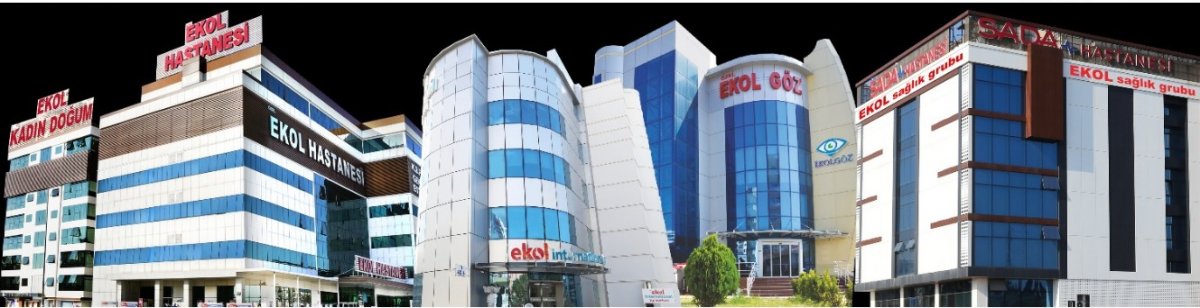
Descubra las mejores clínicas de Trasplante de corazón en Turquía: 2 opciones verificadas y Precios

Prof. Dr. Özgür Kılıçkesmez
Descripción general de Trasplante de corazón en Turquía
- Trasplante de corazón - de $175,000Esta terapia reemplaza un corazón enfermo por uno sano, reviviendo la vida del paciente y mejorando su bienestar.
- Trasplante de pulmón - de $140,000Esta operación reemplaza los pulmones dañados por otros sanos para mejorar la respiración y la calidad de vida.
- Trasplante de corazón y pulmones - de $150,000El procedimiento reemplaza el corazón y los pulmones enfermos por otros sanos, mejorando la calidad de vida y la longevidad.
Día 1
- Llegada al país e instalarse en su alojamiento.
- Consulta con un cardiólogo sobre el proceso de trasplante de corazón.
Día 2-7
- Realizar las pruebas médicas necesarias, incluidos análisis de sangre e imágenes.
- Reúnase con otros especialistas si es necesario (por ejemplo, neumólogo, nefrólogo).
- Preparación para la operación, que incluye planificación nutricional y apoyo psicológico.
Día 8
- Someterse a la cirugía de trasplante de corazón bajo anestesia general.
- La operación puede durar alrededor de 4-6 horas.
Día 9 - Semana 2
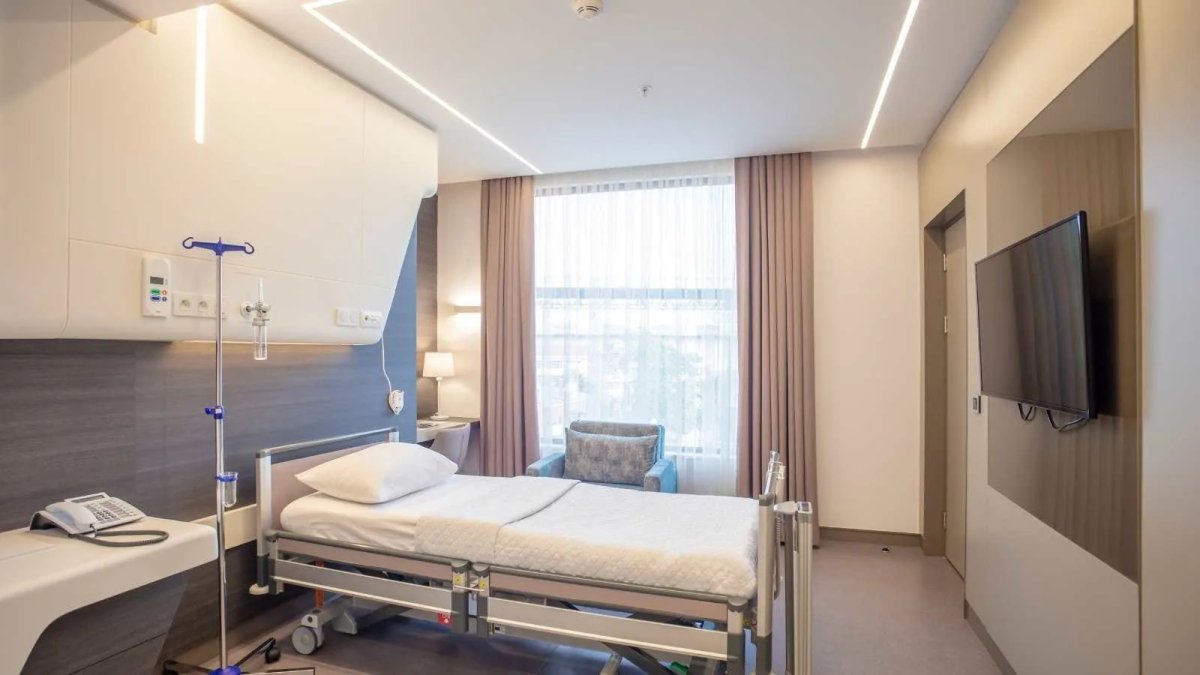
- Recuperarse en la unidad de cuidados intensivos bajo estrecha vigilancia.
- Cambie a una cámara individual para una mayor recuperación.
- Iniciar fisioterapia leve como parte de la rehabilitación temprana.
Semana 3 - Semana 6
- Continúe con la rehabilitación que incluye ejercicio moderado y fisioterapia.
- Revisiones periódicas para controlar la función cardíaca y la salud en general.
Semana 7 en adelante
- Regresar gradualmente a las actividades normales.
- Puede volver al trabajo en la semana 8 después de la operación.
- Los resultados finales del trasplante generalmente se ven en la semana 12.
Tenga en cuenta: el proceso de recuperación de cada paciente es único y puede variar según las condiciones de salud individuales y la respuesta al trasplante.
- Depósito de Bookimed: 200 $ o 200 €.
- Depósito de la clínica: Pague un porcentaje fijo por adelantado.
Obtenga una evaluación médica de Trasplante de corazón en Turquía: haga una consulta con 7 médicos experimentados ahora
Ver todos los médicos
Öztekin Oto

Nurettin Unal
El Dr. Nurettin Unal se especializa en cardiología pediátrica con décadas de experiencia en el tratamiento de enfermedades cardíacas congénitas y adquiridas.
- Miembro de la Sociedad Europea de Cardiología desde 2008
- Experto en enfermedades cardíacas fetales y congénitas
- Amplia experiencia en enfermedades de las válvulas y músculos cardíacos
- Realiza evaluaciones cardiológicas previas a la práctica deportiva en niños

Naci Karacaoglan
33 años especializado en cirugía plástica y reconstructiva, reconocido como uno de los mejores cirujanos plásticos de Turquía.
- Nombrado uno de los '10 mejores cirujanos plásticos' por Harper's Bazaar y Elle
- Experto en trasplantes capilares, liposucción y cirugías faciales
- Formado en el Onep Plastic Surgery Institute y el Breast Surgery Center
- Miembro de múltiples sociedades quirúrgicas internacionales de prestigio

Op. Dr. Selman Taşkın
Historias en video de pacientes de Bookimed
Reseñas
Todas las reseñasCompartir contenido
 Olena Sikoza
Preguntas frecuentes sobre Trasplante de corazón en Turquía
¿Cómo es el proceso de recuperación después de un trasplante de corazón?
La recuperación después de un trasplante de corazón implica una estancia hospitalaria de dos a cuatro semanas, seguida de tres meses de seguimiento intensivo. Los pacientes comienzan a caminar a los dos días para prevenir coágulos, mientras que el esternón requiere ocho semanas para sanar. La medicación inmunosupresora de por vida es obligatoria para evitar el rechazo del órgano.
- Seguimiento clínico: Los pacientes pasan de tres a cinco días en la unidad de cuidados intensivos para su estabilización.
- Curación esternal: El esternón tarda ocho semanas en soldarse; evite levantar más de 4,5 kg (10 libras).
- Controles de rechazo: Las biopsias cardíacas semanales mediante catéter en el cuello son estándar durante el primer mes.
- Cronograma de actividades: La mayoría de los pacientes retoman la conducción a las seis semanas y el trabajo ligero a los tres meses.
Perspectiva del experto de Bookimed: Las instalaciones turcas como el Hospital Memorial Şişli reportan una tasa de éxito de trasplantes del 90%, a menudo dando el alta a pacientes estables en solo 10 días. Esta transición más rápida a la atención ambulatoria es posible gracias a la gran experiencia quirúrgica. Sin embargo, los pacientes deben permanecer cerca para realizarse biopsias quincenales durante los primeros 90 días.
Consenso de los pacientes: Muchos sobrev
¿Es segura la cirugía cardíaca en Turquía para pacientes internacionales?
La cirugía cardíaca en Turquía es excepcionalmente segura para los pacientes internacionales debido a la alta densidad de hospitales acreditados por la Joint Commission International (JCI) y a cirujanos expertos. Instalaciones como el Hospital Memorial Şişli mantienen una tasa de éxito del 90% en trasplantes de órganos y utilizan sistemas robóticos da Vinci avanzados para procedimientos mínimamente invasivos.
- Certificación hospitalaria: Turquía posee uno de los números más altos de instalaciones acreditadas por la JCI a nivel mundial en cuanto a seguridad.
- Experiencia del cirujano: Los cirujanos cardíacos principales realizan frecuentemente más de 4,000 procedimientos a lo largo de sus carreras médicas.
- Tasas de éxito: Los centros de primer nivel en Estambul y Ankara reportan tasas de éxito del 95% al 98.5% en cirugías de bypass.
- Afiliaciones clínicas: Hospitales líderes como el Anadolu Medical Center mantienen afiliaciones activas con Johns Hopkins Medicine.
Perspectiva del experto de Bookimed: Los pacientes a menudo pasan por alto que los equipos cardíacos turcos, como los del Liv Hospital Vadistanbul, priorizan la atención cardíaca pediátrica y adulta simultáneamente. Esta doble especialización sugiere un mayor nivel de precisión y una experiencia técnica a menor escala que beneficia a todos los pacientes cardíacos complejos. Elegir
¿Cuáles son las tasas de supervivencia de los trasplantes de corazón en Turquía?
Las tasas de supervivencia de los trasplantes de corazón en Turquía se alinean con los estándares internacionales, alcanzando del 85% al 92% durante el primer año. Los centros especializados acreditados por la JCI en Estambul e Izmir mantienen estos altos estándares mediante dispositivos de asistencia ventricular avanzados y terapias inmunosupresoras modernas para casos cardíacos complejos.
- Supervivencia al año: Las instituciones líderes reportan tasas de éxito de entre el 85% y el 92% para pacientes adultos.
- Resultados a largo plazo: Las tasas de supervivencia a cinco años suelen oscilar entre el 70% y el 75% en centros de alto volumen.
- Referentes clínicos: Los centros acreditados por la JCI, como el Hospital Memorial Şişli, reportan una tasa de éxito general de trasplantes del 90%.
- Éxito pediátrico: Los programas cardíacos pediátricos especializados muestran tasas de éxito a corto plazo que alcanzan hasta el 95%.
Perspectiva del experto de Bookimed: Los centros de alto volumen en Turquía han realizado más de 1,200 trasplantes desde 2002. Los datos muestran que clínicas como el Hospital Memorial Şişli, que fue la primera en Turquía en obtener la acreditación JCI, a menudo logran mejores resultados mediante el uso de dispositivos de asistencia ventricular de tercera generación como puente hacia la cirugía.
Consenso de los
¿Quién es elegible para un trasplante de corazón en Turquía?
La elegibilidad para un trasplante de corazón en Turquía requiere un diagnóstico de insuficiencia cardíaca terminal con una esperanza de vida inferior a 12 meses. Los candidatos deben haber agotado todas las terapias médicas para afecciones como la miocardiopatía dilatada o la enfermedad valvular grave, manteniendo un IMC inferior a 35 y órganos vitales funcionales.
- Límites de edad: La mayoría de los centros priorizan a los pacientes menores de 65 años, aunque se consideran candidatos estables de hasta 75 años.
- Salud de los órganos: Los pacientes no deben tener insuficiencia irreversible de pulmones, hígado o riñones (EPOC/cirrosis).
- Estado del cáncer: Los candidatos deben estar libres de cáncer durante al menos 5 años para garantizar la supervivencia a largo plazo.
- Estabilidad psicológica: El éxito requiere un examen toxicológico limpio y un sistema de apoyo local o familiar comprometido.
Perspectiva del experto de Bookimed: Mientras que los hospitales públicos priorizan a los ciudadanos turcos, los centros privados acreditados por la JCI, como el Hospital Memorial Şişli, reportan una tasa de éxito del 90% en trasplantes de órganos. Estas instalaciones a menudo actúan más rápido para los pacientes internacionales que proporcionan cobertura financiera por adelantado y pasan rigurosas pruebas de compatibilidad. Esta eficiencia convierte
¿Qué incluye el paquete de trasplante?
Los paquetes de trasplante de corazón en Turquía cubren principalmente el procedimiento quirúrgico, la obtención del órgano del donante y los cuidados intensivos especializados. Estos paquetes integrales incluyen exámenes preoperatorios, honorarios del cirujano y la hospitalización inicial. Centros como el Hospital Memorial Şişli mantienen altas tasas de éxito y ofrecen ahorros significativos en comparación con los costos médicos en EE. UU.
- Servicios médicos: Cubren la cirugía, la anestesia y pruebas diagnósticas esenciales como ecocardiogramas y ECG.
- Estancia hospitalaria: Incluye de 2 a 4 semanas de recuperación hospitalaria y monitorización inicial en la UCI.
- Obtención del donante: Los procesos para encontrar y extraer un órgano de donante compatible suelen estar incluidos.
- Apoyo logístico: Muchos centros ofrecen traslados al aeropuerto y alojamiento básico para un cuidador designado.
Perspectiva del experto de Bookimed: Aunque los precios base que oscilan entre $175,000 y $250,000 parecen incluirlo todo, rara vez cubren los medicamentos inmunosupresores a largo plazo. Los pacientes deben presupuestar por separado estos medicamentos antirrechazo esenciales. Las clínicas líderes de Estambul, como Memorial Şişli, justifican sus costos con una tasa de éxito del 90 % y la acreditación JCI.
Consenso de los
¿Cuánto dura la lista de espera para un trasplante de corazón en Turquía?
Los tiempos de espera para un trasplante de corazón en Turquía suelen oscilar entre 6,5 meses y 1 año, dependiendo de la urgencia médica. Aunque la lista nacional incluye aproximadamente a 1.500 pacientes, aquellos en estado crítico suelen recibir prioridad. Centros especializados como el Hospital Memorial Şişli mantienen altas tasas de éxito en trasplantes de órganos complejos.
- Urgencia médica: Los casos de emergencia suelen esperar de 6,5 a 7 meses para un donante compatible.
- Compatibilidad biológica: Los tiempos de espera dependen del grupo sanguíneo, el tamaño corporal y los niveles específicos de anticuerpos.
- Disponibilidad de donantes: Turquía realizó aproximadamente 46 trasplantes de corazón en 2025 a pesar de la alta demanda.
- Opciones alternativas: La cirugía de corazón artificial (LVAD) a menudo se puede programar en unos pocos días.
Opinión de expertos de Bookimed: Aunque las listas públicas son largas, los centros privados como el Hospital Memorial Şişli reportan una tasa de éxito del 90% en trasplantes. Los pacientes internacionales a menudo encuentran una compatibilidad más rápida en sistemas privados donde la logística está optimizada. Algunos pacientes incluso aseguran un trasplante en 45 días si su condición se clasifica como de alta prioridad.
Consenso de los pacientes: Los pacientes informan que