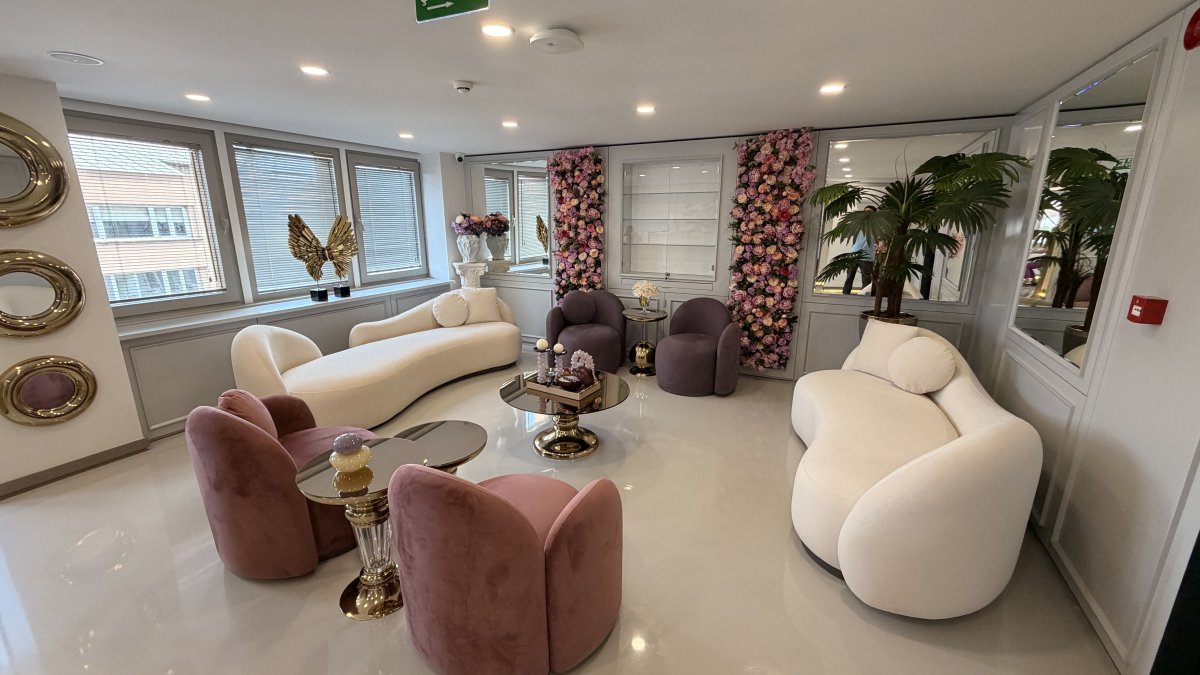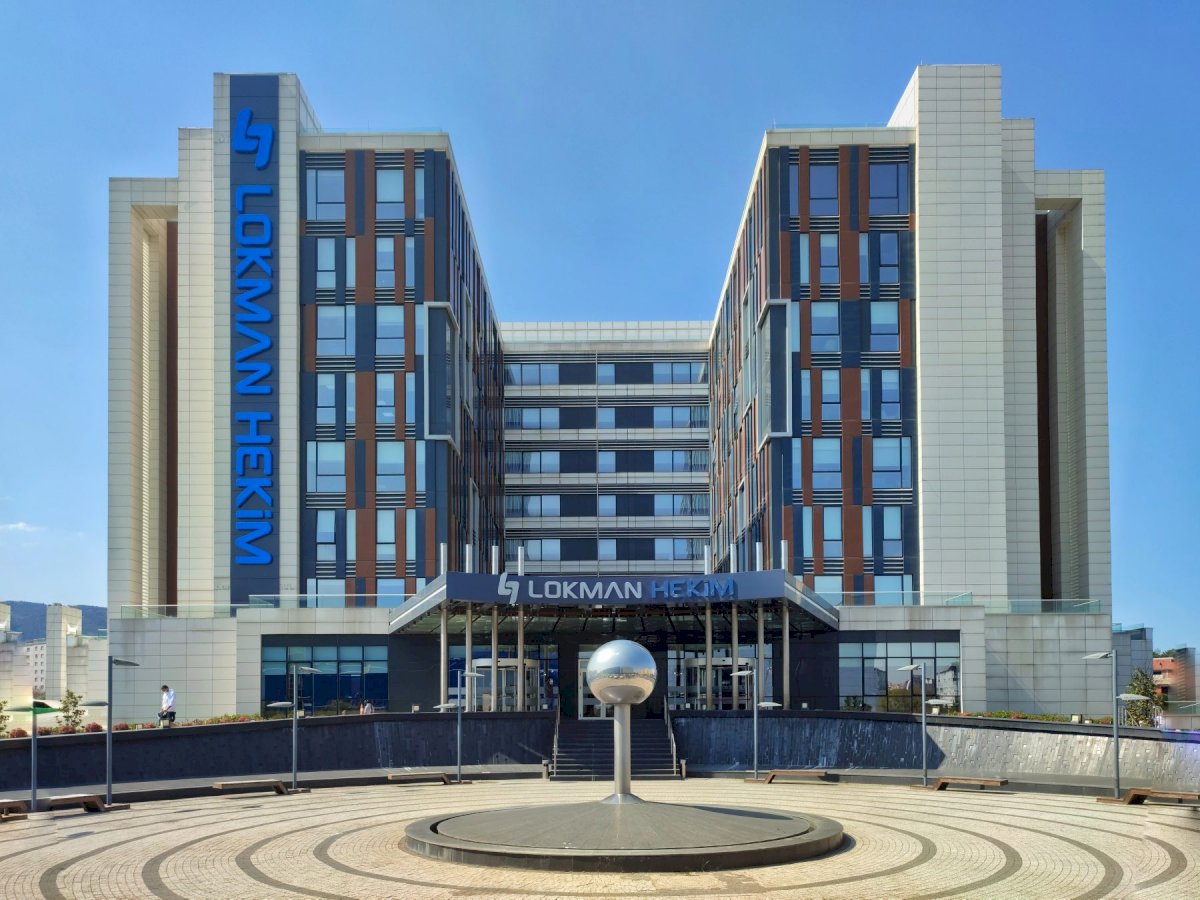
Hospital Lokman Hekim de Estambul (Lokman Hekim Istanbul Hospital)
Turquía, Estambul
Murat Yaman
11 años de experiencia

Clínica certificada por : 



Revisado médicamente por
Fahad Mawlood
El costo del aumento de cadera en Turquía suele oscilar de $2,800 a $5,600. Los precios varían según la clínica, la experiencia del cirujano, el tipo de implante (silicona sólida frente a injerto de grasa) y si el procedimiento se combina con liposucción. En Estados Unidos, el precio promedio es $10,800 (según la ASPS). El aumento de cadera en Turquía es aproximadamente un 61% menos costoso que en EE. UU.
Las clínicas turcas suelen ofrecer paquetes que incluyen pruebas preoperatorias, anestesia general, implantes de silicona de alta calidad o transferencia de grasa, estancia hospitalaria, medicamentos y visitas de seguimiento. En EE. UU., el precio base suele cubrir solo los honorarios del cirujano, con cargos adicionales por implantes, anestesia y uso de las instalaciones. Siempre confirmar qué está incluido en cada clínica antes de reservar.
| Turquía | España | Estados Unidos | |
|---|---|---|---|
| Aumento de сadera | de $2,800 | de $5,300 | ≈ $7,500 |
Día 1
Dia 2
Día 3
Día 4
Día 5-7
Semana 2
Semana 4
Semana 8
semana 12
Tenga en cuenta que el cronograma de recuperación de cada paciente puede variar según el estado de salud individual y la complejidad de la cirugía.
El Dr. Yaman realiza entre 500 y 600 procedimientos al año, especializándose en resultados de aspecto natural para el aumento de caderas y el contorno corporal en el Hospital Lokman Hekim de Estambul.
El Dr. Pasazade combina la excelencia académica con la certificación europea y un enfoque meticuloso centrado en el paciente para el aumento de cadera.

El miembro más joven de la prestigiosa Sociedad de Rinoplastia – el Dr. Manavbaşı se especializa en cirugía nasal funcional y rejuvenecimiento facial.

El Dr. Aydinol se especializa en el aumento de caderas con un fuerte enfoque en técnicas estéticas y reconstructivas. Su experiencia está respaldada por una amplia formación y reconocimiento profesional.











 Olena Sikoza
El aumento de cadera en Turquía es seguro cuando lo realizan cirujanos certificados por la Sociedad Turca de Cirugía Plástica, Reconstructiva y Estética (TPRECD). Las clínicas líderes en Estambul mantienen la seguridad mediante la acreditación de la Joint Commission International (JCI) y tecnologías avanzadas como la liposucción VASER para reducir el trauma quirúrgico.
Perspectiva del experto de Bookimed: Los datos muestran que las clínicas especializadas como Estetik International, fundada por el galardonado Prof. Bülent Cihantimur, a menudo ofrecen mayores márgenes de seguridad que los hospitales generales. Con más de 26 años de experiencia y más de 500.000 procedimientos, estos centros estéticos «boutique» se centran exclusivamente en el contorno corporal, reduciendo el riesgo de infecciones hospitalarias comun
Las técnicas de aumento de cadera en Turquía incluyen principalmente la transferencia de grasa, los implantes de silicona y los rellenos de ácido hialurónico. Los cirujanos utilizan el injerto de grasa para un contorno natural, mientras que los implantes de silicona proporcionan un ensanchamiento estructural permanente. Los rellenos no quirúrgicos ofrecen una solución temporal para suavizar los huecos de la cadera con un tiempo de inactividad mínimo y sin incisiones.
Perspectiva del experto de Bookimed: Los datos de las mejores clínicas de Estambul muestran una fuerte preferencia por la transferencia de grasa asistida por Vaser sobre los implantes. Si bien los implantes ofrecen un ancho permanente, el injerto de grasa proporciona una tasa de seguridad del 99,5 % en centros especializados como Dr. MED. Elegir la tecnología Vaser
La recuperación después de un aumento de caderas en Turquía suele implicar de 7 a 14 días de tiempo de inactividad inicial antes de viajar a casa. Los pacientes deben evitar sentarse o acostarse directamente sobre las caderas durante 3 semanas para prevenir la necrosis por presión o el desplazamiento de los implantes. La integración física completa de la grasa o los implantes toma de 3 a 6 meses.
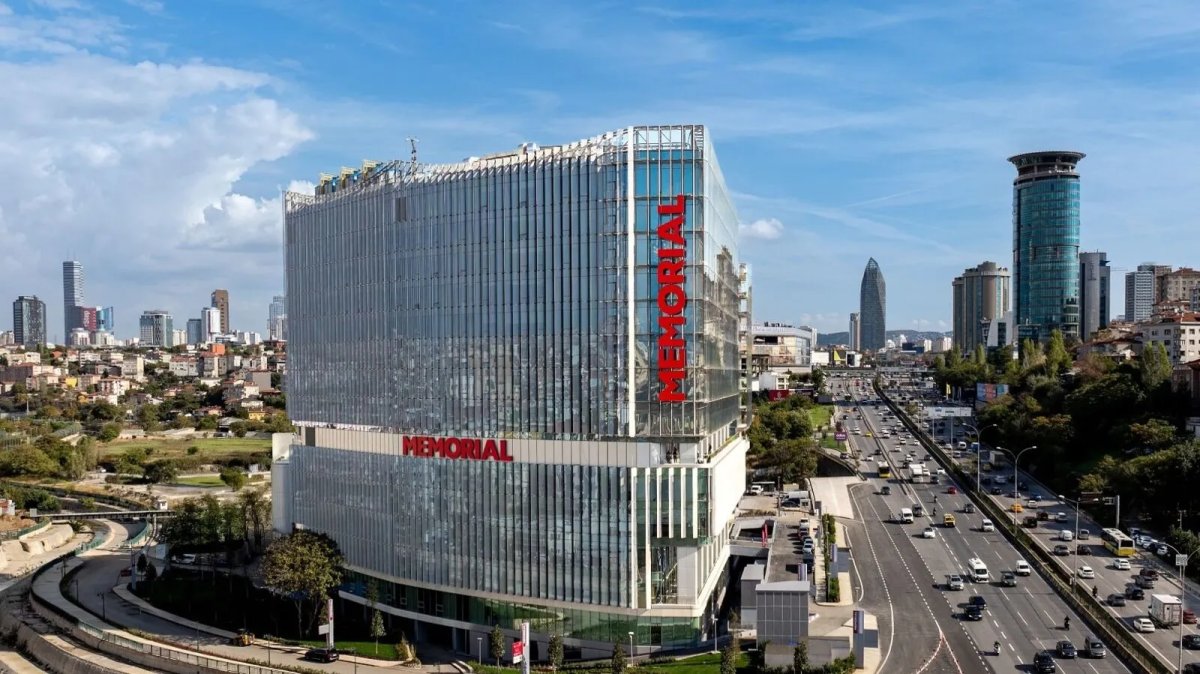
Perspectiva del experto de Bookimed: Aunque muchos buscan el precio más bajo, el verdadero factor diferenciador es la estancia hospitalaria. Clínicas como Memorial Atasehir o Lokman Hekim ofrecen entornos acreditados por la JCI donde los protocolos de seguridad internos reducen los riesgos postoperatorios tempranos. Elegir un centro con una estancia más larga a menudo evita errores de movilidad tempranos que causan complicacion
Los paquetes de aumento de cadera con todo incluido en Turquía suelen agrupar el procedimiento quirúrgico, la anestesia y los honorarios médicos con alojamiento de lujo y logística VIP. Estos planes integrales cubren las pruebas preoperatorias, las estancias en hospitales privados y los elementos esenciales postoperatorios, como prendas de compresión y medicamentos, para garantizar un proceso de recuperación sin problemas para los pacientes internacionales.
Perspectiva de expertos de Bookimed: Aunque muchas clínicas ofrecen liposucción VASER para la transferencia de grasa, los centros de gran volumen como el Istanbul Aesthetic Plastic Surgery Center tratan a más de 4.000 pacientes al año. Elegir una clínica con un volumen tan alto a menudo garantiza que el equipo médico tenga una gran expe