La depilación láser en Turquía — encuentre las 3 mejores clínicas con costos


Revisado médicamente por
Fahad Mawlood
Cómo funciona
¿Cuál es el precio de La depilación láser en Turquía? Descubra ahora
De $100. Los precios varían según la cantidad de zonas a tratar, el tipo de tecnología láser utilizada (como Alexandrita, Diodo o Nd:YAG) y la reputación de la clínica. En Estados Unidos, el costo promedio es $430 (según ASDS). Esto significa que la depilación láser en Turquía es aproximadamente un 77% menos costosa que en EE. UU.
Las clínicas turcas suelen incluir en el precio la consulta inicial, la prueba de parche, varias sesiones de tratamiento (a menudo de 6 a 8) y consejos para el cuidado posterior. En EE. UU., los precios suelen ser por sesión y pueden no incluir consultas ni seguimientos. Siempre confirmar la cantidad de sesiones y lo que está incluido antes de reservar.
Beneficios clave
- Obtén depilación láser en Turquía a un 60-80% menos que en EE.UU.
- Opciones principales: Soprano ICE™, Candela GentleMax Pro®, y LightSheer®.
- Revisión fotográfica gratuita por un médico para determinar la mejor clínica y técnica de depilación para ti.
- 100% garantía de protección de datos y confidencialidad.
- Ofertas exclusivas de clínicas turcas de confianza de $100.
| Turquía | España | Estados Unidos | |
|---|---|---|---|
| La depilación láser | de $100 | de $160 | ≈ $250 |
Descubra las mejores clínicas de La depilación láser en Turquía: 25 opciones verificadas y Precios








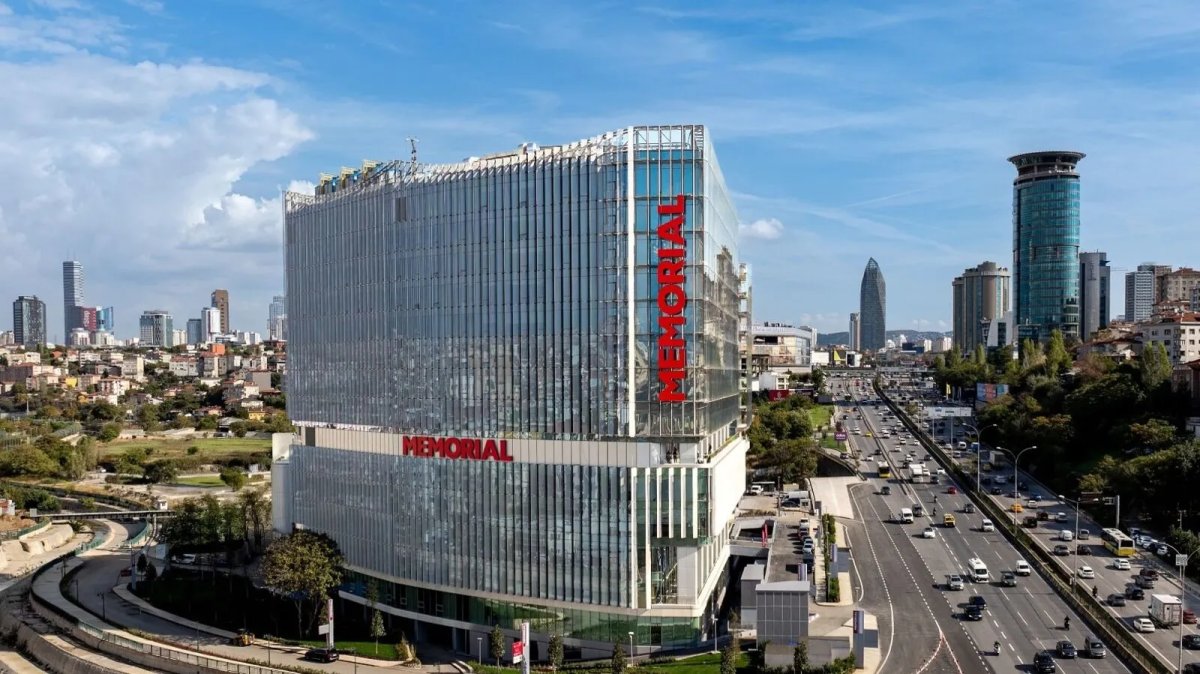
Memorial Göztepe Hospital



Istanbul Aesthetic Plastic Surgery Center
La depilación láser en Turquía: cronología día a día
Día 1: Llegada a Turquía
- Al aterrizar en Turquía, deberá asegurarse de que dispone de todos los documentos y datos necesarios para las sesiones de depilación láser programadas.
- Regístrese en su alojamiento e instálese. Debe descansar e hidratarse después del vuelo.
- Revise las instrucciones previas al procedimiento proporcionadas por su clínica. Si su tratamiento incluye el dispositivo Alejandrita, afeite la zona 3 días antes. Aféitese 1 día antes si utiliza el dispositivo láser Ice.
- Si está tomando algún medicamento, especialmente para afecciones cutáneas, consulte con un especialista para asegurarse de que es seguro proceder a la depilación láser.
- Evite la exposición al sol y no broncee las zonas a tratar para evitar manchas en la piel.
Día 2: Preparación previa al procedimiento
- Siga evitando la exposición al sol. Si es necesario, utilice un protector solar con FPS 30 como mínimo.
- No utilice productos decolorantes del cabello ni tratamientos cosméticos en las zonas a tratar.
- Si tiene tatuajes en la zona de tratamiento, informe a la clínica. El tratamiento láser no puede aplicarse sobre tatuajes.
- Para pieles sensibles, considere la aplicación de una crema analgésica al menos 1 hora antes de la sesión.
- Póngase en contacto con su clínica si tiene alguna duda o preocupación de última hora. Muchas clínicas, como SALUSS Medical Group, ofrecen asistencia 24 horas al día, 7 días a la semana.
Día 3: Sesión de depilación láser
- Acuda a su cita programada en la clínica. Asegúrese de haber seguido todas las instrucciones previas al procedimiento, como afeitarse la zona si es necesario.
- El procedimiento utilizará tecnologías como el láser de diodo-hielo o Soprano Ice Titanium. Estas tecnologías son conocidas por ser indoloras y eficaces en distintos tipos de piel.
- La sesión será relativamente rápida. Tecnologías como el SHR y las técnicas "en movimiento" garantizan una cobertura completa.
- Tras la intervención, evite ducharse durante un día para que la piel se asiente.
- No se aplique ningún producto irritante, como peelings o exfoliantes, durante al menos una semana.
Día 4-5: Cuidados posteriores a la intervención
- Vigile la zona tratada por si aparecen erupciones o irritaciones. Deberían desaparecer en 1 día.
- Siga evitando la exposición al sol en las zonas tratadas durante al menos 3 días después del procedimiento.
- Hidrate las zonas tratadas con regularidad, especialmente si tiene la piel seca. Esto ayuda al proceso de desprendimiento de los folículos pilosos quemados.
- El vello se caerá de forma natural entre 3 y 15 días después del tratamiento. Las personas con piel seca pueden tardar más.
- Reanude sus actividades rutinarias, pero tenga cuidado con las zonas tratadas.
Día 6: Seguimiento y sesiones adicionales
- Póngase en contacto con la clínica si tiene alguna duda o pregunta sobre el proceso de cicatrización o los resultados.
- Planifique su próxima sesión para dentro de 20-30 días. La asistencia regular es crucial para obtener resultados óptimos.
- Asegúrese de mantener la misma rutina de cuidados antes y después del procedimiento para las sesiones posteriores.
- Considere la posibilidad de programar las sesiones durante los meses de invierno para minimizar los riesgos de exposición al sol.
Día 7: Salida y regreso a casa
- Antes de salir de Turquía, asegúrese de que todas sus sesiones estén programadas y de que la clínica haya resuelto cualquier duda.
- Siga la rutina de cuidados posteriores incluso después de volver a casa para mantener los beneficios del tratamiento.
- Manténgase en contacto con la clínica para cualquier pregunta de seguimiento o para programar futuras sesiones si es necesario.
Bookimed, una plataforma líder mundial en turismo médico, se compromete a ayudar a los clientes que buscan depilación láser en Turquía ofreciéndoles asistencia experta y soluciones médicas confiables para cada situación. Se utiliza un sistema de clasificación automático inteligente para elaborar listas de clínicas transparentes, mantenidas meticulosamente por un científico de datos que utiliza IA para mayor precisión. La plataforma garantiza la autenticidad al publicar reseñas de pacientes reales después de sus tratamientos. Bookimed ofrece soluciones médicas integrales, con actualizaciones de las clínicas para garantizar la confiabilidad. El contenido sobre la depilación láser en Turquía, elaborado por autores médicos experimentados y revisado por especialistas, cumple con las pautas editoriales de Bookimed , lo que refleja el compromiso de la plataforma de brindar información de salud clara y de alta calidad. Para obtener más detalles o consultas, no dude en contactarnos en marketing@bookimed.com o obtenga más información sobre nosotros y nuestra misión Acerca de Bookimed .
Obtenga una evaluación médica de La depilación láser en Turquía: haga una consulta con 24 médicos experimentados ahora
Ver todos los médicos
Nur Afsar
La Dra. Nur Afsar combina 7 años de experiencia en estética médica con técnicas modernas como Ultherapy y Radiesse para obtener resultados de aspecto natural.
- Especializada en tratamientos estéticos personalizados, incluida la depilación láser
- Formada en técnicas avanzadas de contorno facial no quirúrgico
- Participante habitual en congresos y formaciones estéticas internacionales
- Se centra en realzar la belleza natural y aumentar la confianza

Leyla Arvas
La Dra. Leyla Arvas se formó en uno de los mejores centros de microcirugía del mundo y aporta una amplia experiencia en láser al Hospital Quartz.
- Especializada en tratamientos láser para afecciones de la piel y depilación
- Trabajó en prestigiosos hospitales de Taiwán, Japón y España
- Utiliza tecnologías avanzadas VASER y LASER para el contorno corporal
- Profesora asistente de Cirugía Plástica en la Universidad de Yeditepe

Cemal Firat
El Prof. Firat se especializa en cirugía estética con enfoque en la depilación láser en el complejo hospitalario Medical Park Antalya.
- Profesor en la Facultad de Medicina de la Universidad Inonu
- Experto en procedimientos reconstructivos y estéticos
- Formado en microcirugía y cirugía maxilofacial
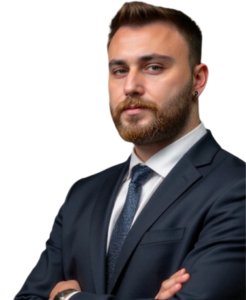
Efe Sever
Especializado en trasplante capilar con enfoque en resultados naturales, Efe Sever aporta 9 años de experiencia en técnicas FUE y DHI.
- Realiza cirugías en la International Men's Health Clinic
- Experto en trasplante de barba y cejas, además de procedimientos en el cuero cabelludo
- Conocido por una planificación meticulosa adaptada a las necesidades de cada paciente
- Utiliza equipos modernos que cumplen con altos estándares médicos
Historias en video de pacientes de Bookimed
Reseñas
Todas las reseñasCompartir contenido
 Olena Sikoza
Preguntas frecuentes sobre La depilación láser en Turquía
¿Cuántas sesiones se necesitan para la depilación láser en Turquía?
La mayoría de los pacientes requieren de 6 a 10 sesiones para lograr resultados duraderos. Mientras que las áreas estándar suelen necesitar de 6 a 8 visitas, las zonas rebeldes u hormonales a menudo requieren de 10 a 12 sesiones. Los tratamientos se realizan en intervalos de 4 a 8 semanas para coincidir con los ciclos de crecimiento.
- Rango de tratamiento: La reducción de vello estándar suele requerir de 6 a 8 sesiones por área.
- Zonas hormonales: Zonas como la línea del bikini a menudo necesitan de 10 a 12 sesiones.
- Duración de la sesión: Una sesión de cuerpo completo con láser de grado médico suele durar unos 40 minutos.
- Necesidades de mantenimiento: Se recomiendan retoques de mantenimiento anuales para mantener la reducción permanente del vello.
Perspectiva del experto de Bookimed: La depilación láser en Turquía suele ser más barata que en los EE. UU., donde cuesta $430. Puede ahorrar 77% en centros acreditados por la JCI como Medical Park Göztepe, que atiende a más de 200,000 pacientes cada año.
Consenso de los pacientes: Espere planificar de 8 a 12 sesiones para obtener resultados en todo el cuerpo. El éxito depende del uso de láseres de grado médico como Alexandrite o Candela en lugar de dispositivos estándar de salón.
¿Qué tecnologías se utilizan en Turquía?
Las clínicas turcas utilizan tecnologías láser avanzadas, incluidos los sistemas Alexandrite, Diode y Nd:YAG, para proporcionar una depilación de alta precisión. Los centros especializados como el Hospital Quartz cuentan con dispositivos de alta gama como el Candela GentleMax, que combina láseres de doble longitud de onda para tratar de forma segura diversos tonos de piel y texturas de cabello con sistemas de refrigeración integrados.
- Tipos de láser: Alexandrite 755nm y Nd:YAG 1064nm ofrecen versatilidad para pieles claras y oscuras.
- Dispositivos avanzados: Candela GentleMax Pro proporciona fototermólisis de doble longitud de onda para sesiones corporales más rápidas y eficientes.
- Protocolos de seguridad: Los sistemas láser utilizan tecnología de refrigeración integrada para minimizar las molestias y proteger la superficie de la piel.
- Estándares médicos: Los principales hospitales como Medical Park Göztepe mantienen los estándares de acreditación de la Joint Commission International (JCI).
Perspectiva del experto de Bookimed: Los resultados más efectivos en Turquía provienen de clínicas que utilizan sistemas de doble longitud de onda como el Candela GentleMax. Estos dispositivos permiten a los cirujanos cambiar entre longitudes de onda en una sola sesión. Esta flexibilidad es vital porque el grosor del cabello cambia a lo largo del cicl
¿Ofrecen las clínicas en Turquía paquetes para pacientes internacionales?
Las clínicas turcas ofrecen paquetes todo incluido para pacientes internacionales, que principalmente agrupan los honorarios médicos, alojamiento en hoteles de 4 o 5 estrellas y traslados privados al aeropuerto. Instalaciones como el Centro Médico Adem and Havva o el Hospital Memorial Antalya proporcionan coordinadores personales dedicados e intérpretes multilingües para garantizar un viaje médico sin problemas.
- Logística de viaje: Los paquetes suelen incluir traslados VIP entre el aeropuerto de Estambul, el hotel y el centro médico.
- Estándares de alojamiento: La mayoría de los planes internacionales incluyen de 3 a 5 noches en hoteles de lujo asociados de 4 estrellas.
- Apoyo lingüístico: Los hospitales líderes ofrecen intérpretes gratuitos en más de 15 idiomas, incluidos el inglés y el italiano.
- Inclusiones quirúrgicas: Los paquetes quirúrgicos integrales cubren la anestesia, los análisis de sangre preoperatorios y la atención de seguimiento postoperatoria inicial.
Perspectiva del experto de Bookimed: Si bien los procedimientos quirúrgicos como el trasplante de cabello o la rinoplastia cuentan con paquetes todo incluido sólidos, los tratamientos ambulatorios como la depilación láser rara vez incluyen hoteles. Para la estética no quirúrgica, céntrese en clínicas como el Hospital Quartz o el Hospital Hisar. Estas instalaciones ofrecen un
¿Cuáles son las principales ubicaciones en Turquía para la depilación láser?
Los principales centros de depilación láser en Turquía se concentran en Estambul y Antalya. Estas ciudades albergan instalaciones acreditadas por la Joint Commission International (JCI) que utilizan tecnologías avanzadas Soprano, Alexandrite y Candela. Dermatólogos especialistas en barrios como Şişli y Nişantaşı brindan tratamientos bajo supervisión médica en entornos clínicos certificados.
- Centros médicos en Estambul: Las clínicas están densamente ubicadas en los distritos de Şişli, Nişantaşı y Kadıköy.
- Centros clínicos en Antalya: Las mejores instalaciones médicas brindan servicios láser cerca de Muratpaşa y complejos hospitalarios costeros.
- Seguridad hospitalaria: Grupos importantes como Medical Park ofrecen terapia láser dentro de entornos hospitalarios multicentro.
- Tecnología certificada: Las instalaciones utilizan dispositivos Candela y Soprano auténticos verificados por los portales oficiales de los fabricantes.
Perspectiva del experto de Bookimed: Los datos de Bookimed muestran una clara brecha de calidad entre los salones de belleza generales y las clínicas hospitalarias como Quartz Hospital o Memorial Antalya. Los pacientes que reservan a través de centros médicos se benefician de la supervisión de dermatólogos expertos como la Dra. Makbule Dundar. Estos entornos clínicos garantizan protocolos de seguridad que a menudo faltan