Remoción de lunares en Turquía — encuentre las 3 mejores clínicas con costos


Revisado médicamente por
Fahad Mawlood
Cómo funciona
¿Cuál es el precio de Remoción de lunares en Turquía? Descubra ahora
El costo de la eliminación de lunares en Turquía suele oscilar entre $210 y $610. Los precios varían según el método de eliminación (escisión quirúrgica, láser o afeitado), la cantidad y el tamaño de los lunares, la clínica y la experiencia del médico. En Estados Unidos, el costo promedio es de $150 (según la AAD). Eliminar lunares en Turquía es aproximadamente un 0% más económico que en EE. UU.
Las clínicas turcas suelen incluir la consulta inicial, análisis de sangre preoperatorios, medicación postoperatoria, visitas de seguimiento y atención al paciente 24/7. El personal que habla inglés y los planes de atención personalizados son estándar. En EE. UU., los precios suelen cubrir solo el procedimiento, con cargos separados por pruebas, medicamentos y seguimientos. Siempre confirmar qué está incluido antes de reservar.
Beneficios clave
- Obtén la eliminación de lunares en Turquía con un ahorro del 60% en comparación con los EE.UU.
- Opciones populares: eliminación láser, escisión quirúrgica, y crioterapia.
- Revisión gratuita de fotos por un médico para determinar la mejor opción de eliminación de lunares para ti.
- Garantía de 100% de protección de datos y confidencialidad.
- Acceso exclusivo a ofertas de clínicas turcas de confianza de $210.
| Turquía | España | Estados Unidos | |
|---|---|---|---|
| Remoción de lunares | de $210 | de $300 | de $150 |
| Eliminación de lunares con láser | de $110 | de $560 | de $150 |
| Eliminación de lunares atípicos | de $2,300 | de $1,100 | ≈ $1,500 |
Descubra las mejores clínicas de Remoción de lunares en Turquía: 70 opciones verificadas y Precios






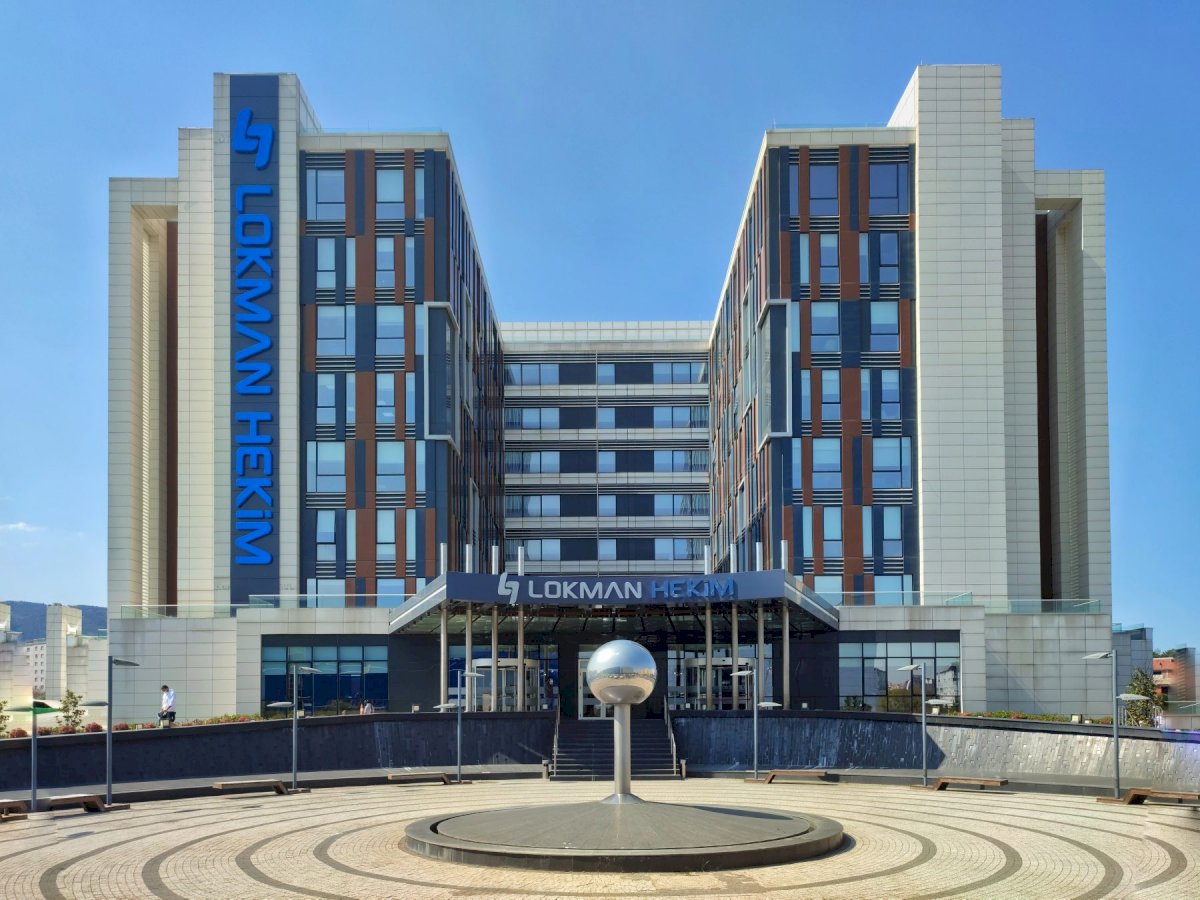
Hospital Lokman Hekim de Estambul (Lokman Hekim Istanbul Hospital)


Hair Clinic

Memorial Ankara Hospital

Clínica de Cirugía Plástica Estética y Reconstructiva Db'est Clinic

Remoción de lunares en Turquía: cronología día a día
Día 1: Llegada a Turquía
- Debe llegar a Turquía al menos un día antes de la intervención de extirpación de lunares programada para completar los preparativos necesarios.
- Un representante de la clínica le recogerá en el aeropuerto y le llevará a su alojamiento.
- Deberá registrarse en su hotel, donde permanecerá durante todo el tratamiento.
- Descanse y prepárese para las consultas y pruebas previas al procedimiento programadas para el día siguiente.
Día 2: Consultas y pruebas previas al procedimiento
- Acudirá a la clínica para someterse a pruebas de salud preoperatorias, incluidos análisis de sangre y consultas con el médico y el anestesista.
- Se hablará del procedimiento específico de eliminación de lunares, como la escisión del nevus o la eliminación con láser, en función del tipo y la ubicación del lunar.
- Asegúrese de que se cumplimenta toda la documentación y los pagos necesarios. Suele exigirse un depósito del 10%, que no es reembolsable a menos que haya problemas de salud.
- Siga las directrices de la clínica en cuanto a medicación y restricciones dietéticas, como dejar de comer y beber 8 horas antes de la anestesia.
Día 3: Procedimiento de eliminación de lunares
- Debe presentarse en la clínica para la intervención de extirpación de lunares programada, que puede realizarse con anestesia local.
- El procedimiento puede incluir la escisión e injertos de piel de espesor total para lunares más grandes o la extirpación con láser para lunares superficiales.
- Tras la intervención, el lunar se envía al departamento de patología para su examen. Los resultados suelen estar disponibles en una semana.
- Recupérese en la clínica bajo la supervisión del personal médico, con asistencia de enfermería disponible las 24 horas del día, los 7 días de la semana, si es necesario.
Día 4-7: Recuperación postoperatoria
- Deberá permanecer en Turquía unos días después de la intervención para garantizar una cicatrización adecuada y asistir a las consultas de seguimiento que sean necesarias.
- Siga las instrucciones de cuidados postoperatorios proporcionadas por la clínica, incluidos los cuidados de la herida y los horarios de medicación.
- Póngase en contacto con la clínica si experimenta algún síntoma o complicación inusual durante la recuperación.
- Utilice los servicios de traducción de la clínica si surgen barreras lingüísticas durante su estancia.
Día 8: Salida y seguimiento
- Asista a una consulta final en la clínica para evaluar el progreso de la recuperación y abordar cualquier inquietud antes de partir.
- Recibirá por correo electrónico instrucciones para continuar los cuidados en casa, incluida la fecha en que debe esperar el informe patológico.
- Abandone el hotel y organice el transporte al aeropuerto que le proporcionará la clínica.
- Vuelva a casa con la seguridad de haber completado el procedimiento de extirpación de lunares y las pautas de cuidados posteriores.
Bookimed, una plataforma líder mundial en turismo médico, se compromete a ayudar a los clientes que buscan la eliminación de lunares en Turquía ofreciéndoles asistencia experta y soluciones médicas confiables para cada situación. Se utiliza un sistema de clasificación automático inteligente para elaborar listas de clínicas transparentes, mantenidas meticulosamente por un científico de datos que utiliza IA para mayor precisión. La plataforma garantiza la autenticidad al publicar reseñas de pacientes reales después de sus tratamientos. Bookimed ofrece soluciones médicas integrales, con actualizaciones de las clínicas para garantizar la confiabilidad. El contenido sobre la eliminación de lunares en Turquía, elaborado por autores médicos experimentados y revisado por especialistas, cumple con las pautas editoriales de Bookimed , lo que refleja el compromiso de la plataforma de brindar información de salud clara y de alta calidad. Para obtener más detalles o consultas, no dude en contactarnos en marketing@bookimed.com o obtenga más información sobre nosotros y nuestra misión Acerca de Bookimed .
Obtenga una evaluación médica de Remoción de lunares en Turquía: haga una consulta con 49 médicos experimentados ahora
Ver todos los médicos
Murat Yaman
El Dr. Murat Yaman es un experimentado cirujano plástico y estético. Es conocido por su experiencia en cirugías de abdominoplastia y el empleo de técnicas quirúrgicas avanzadas para obtener resultados óptimos. Ha realizado un número impresionante de diversas cirugías, incluyendo más de 1 500 operaciones de nariz y aumento de senos, 500 estiramientos faciales, 1 000 cirugías de lifting, y alrededor de 1 000 liposucciones utilizando la tecnología VASER lipo.

Nur Afsar
La Dra. Nur Afsar combina 7 años de experiencia en estética médica con técnicas avanzadas para la eliminación de lunares con aspecto natural en el Quartz Hospital.
- Especializada en toxina botulínica, rellenos dérmicos y rejuvenecimiento cutáneo no quirúrgico
- Formada en técnicas avanzadas como Ultherapy y Radiesse para tratamientos precisos
- Participante habitual en congresos internacionales de estética para mantenerse al día de los últimos métodos
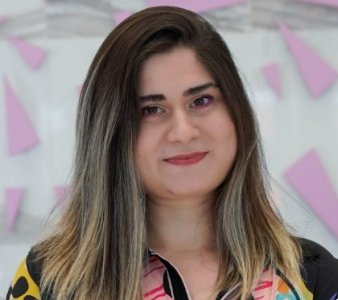
Aysel Pasazade
La Dra. Aysel Pasazade es cirujana plástica, reconstructiva y estética. Se graduó en la Facultad de Medicina Cerrahpaşa de la Universidad de Estambul y se especializó en la Facultad de Medicina de la Universidad de Bursa Uludağ. Posee la certificación de la Junta Europea de Cirugía Plástica, Reconstructiva y Estética (EBOPRAS).
Ha trabajado en hospitales universitarios y clínicas privadas. Asiste a congresos internacionales, cursos de cirugía en vivo y formación avanzada, lo que mantie
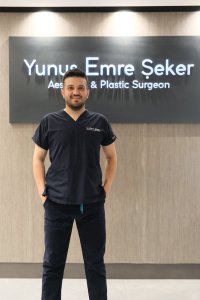
Yunus Emre Seker
El Dr. Yunus Emre Şeker es cirujano plástico, reconstructivo y estético en Antalya. Se graduó en la Facultad de Medicina de la Universidad de Ankara. Completó la residencia en el Hospital Universitario de Akdeniz. Se formó con el Prof. Ömer Özkan. Fue miembro activo del equipo en cirugías de trasplante de útero y de trasplante bilateral de brazos.
En 2023 obtuvo el segundo lugar (rama clínica) en el Concurso de Investigación de la Sociedad Turca de Cirugía Plástica, Reconstructiva y Es
Historias en video de pacientes de Bookimed
Reseñas
Todas las reseñas
Compartir contenido
 Olena Sikoza
Preguntas frecuentes sobre Remoción de lunares en Turquía
¿Es segura la eliminación de lunares en Turquía y cuáles son los riesgos?
¿Puedo exponerme al sol después del procedimiento?
Evite la exposición directa al sol durante al menos 4 semanas después de la extirpación de un lunar en Turquía para prevenir el oscurecimiento permanente y el retraso en la cicatrización. Las cicatrices frescas son altamente sensibles a los rayos UV. Los cirujanos recomiendan usar SPF 50+ y cubiertas físicas para asegurar los mejores resultados cosméticos durante la regeneración del tejido.
- Cronología de curación: La curación superficial toma de 1 a 7 días, pero la estabilización del pigmento requiere de 4 a 8 semanas.
- Recuperación con láser: Los pacientes que se someten a una extirpación con láser pueden reanudar la exposición tentativa al sol después de 2 semanas.
- Cuidado de la escisión: Los sitios de escisión quirúrgica requieren protección hasta por 3 meses para la maduración de la cicatriz.
- Riesgo ambiental: El alto índice UV de Turquía aumenta los riesgos de hiperpigmentación incluso durante el clima nublado.
Perspectiva del experto de Bookimed: Los pacientes a menudo pasan por alto que el calor de Turquía puede ser tan dañino como el sol mismo. Las altas temperaturas en las clínicas costeras de Antalya o Estambul aumentan la sudoración, lo que puede irritar las incisiones frescas y provocar infecciones. Recomendamos programar los procedimientos durante los meses más frescos o permanecer en entornos con clima controlado durante la
¿Qué técnicas se utilizan para la eliminación de lunares y cuál necesitaré?
La eliminación de lunares en Turquía suele implicar ablación láser, escisión quirúrgica, escisión por afeitado o crioterapia. La técnica que necesite dependerá del tamaño y la profundidad del lunar, y de si se requiere una biopsia. Los cirujanos certificados en Estambul y Antalya utilizan la dermatoscopia para determinar si un lunar es sospechoso antes de seleccionar un método.
- Escisión quirúrgica: La mejor opción para lunares profundos o potencialmente cancerosos que requieren tejido de profundidad completa para una biopsia de laboratorio.
- Eliminación láser: Ideal para lunares cosméticos planos y no cancerosos; deja cicatrices mínimas pero impide el análisis mediante biopsia.
- Escisión por afeitado: Preferida para lunares benignos y elevados; elimina el crecimiento al ras de la piel sin necesidad de puntos.
- Crioterapia: Utiliza nitrógeno líquido para congelar y eliminar rápidamente pequeñas manchas cutáneas superficiales no cancerosas.
Perspectiva del experto de Bookimed: Aunque la eliminación láser es popular para los lunares faciales en Turquía, las clínicas de gran volumen como Memorial Sisli a menudo recomiendan la escisión quirúrgica para cualquier caso sospechoso. Cirujanos especializados como el Dr. Bekir Zafer Akad han realizado más de 3.000 procedimientos, enfatizando que unos márgenes adecuados durante la cirugía reducen signi