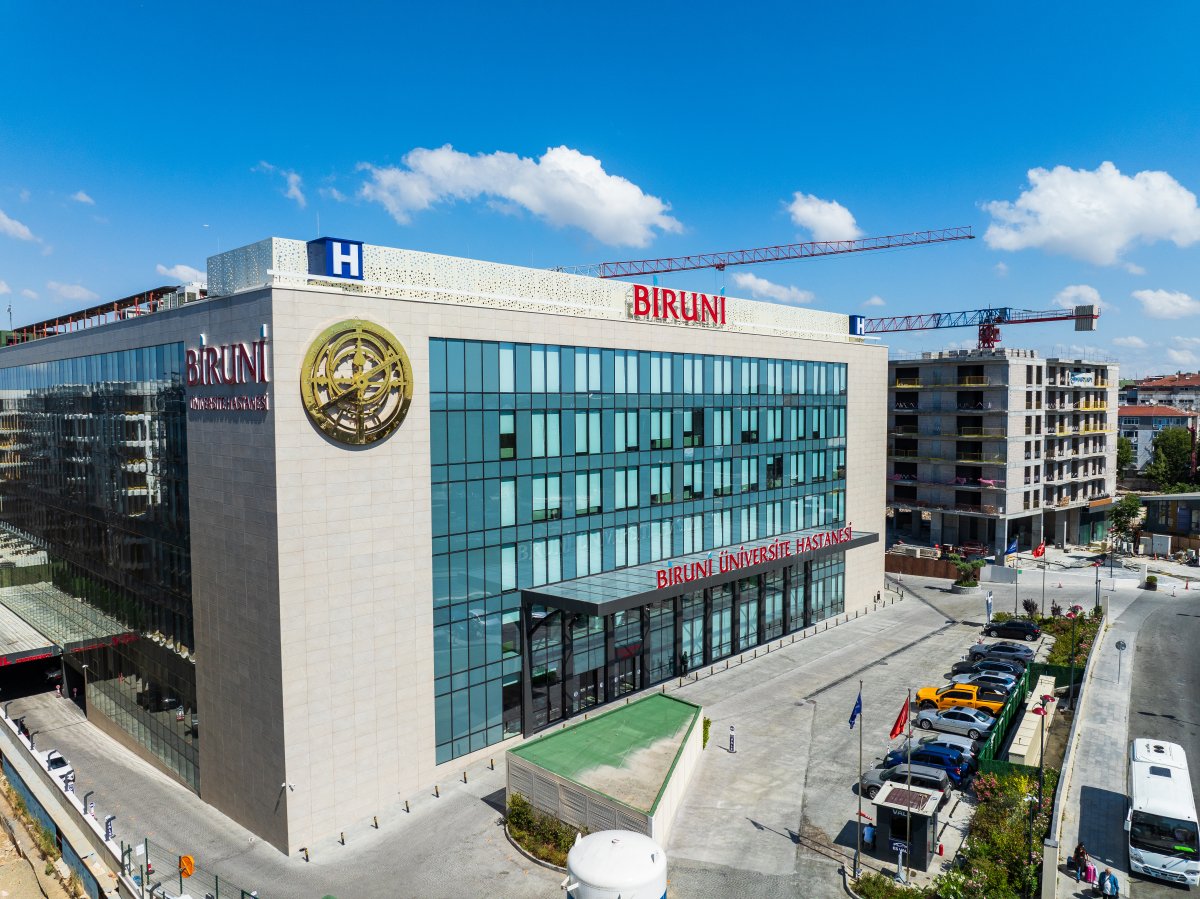
Memorial Sisli Hospital
Turquía, Estambul
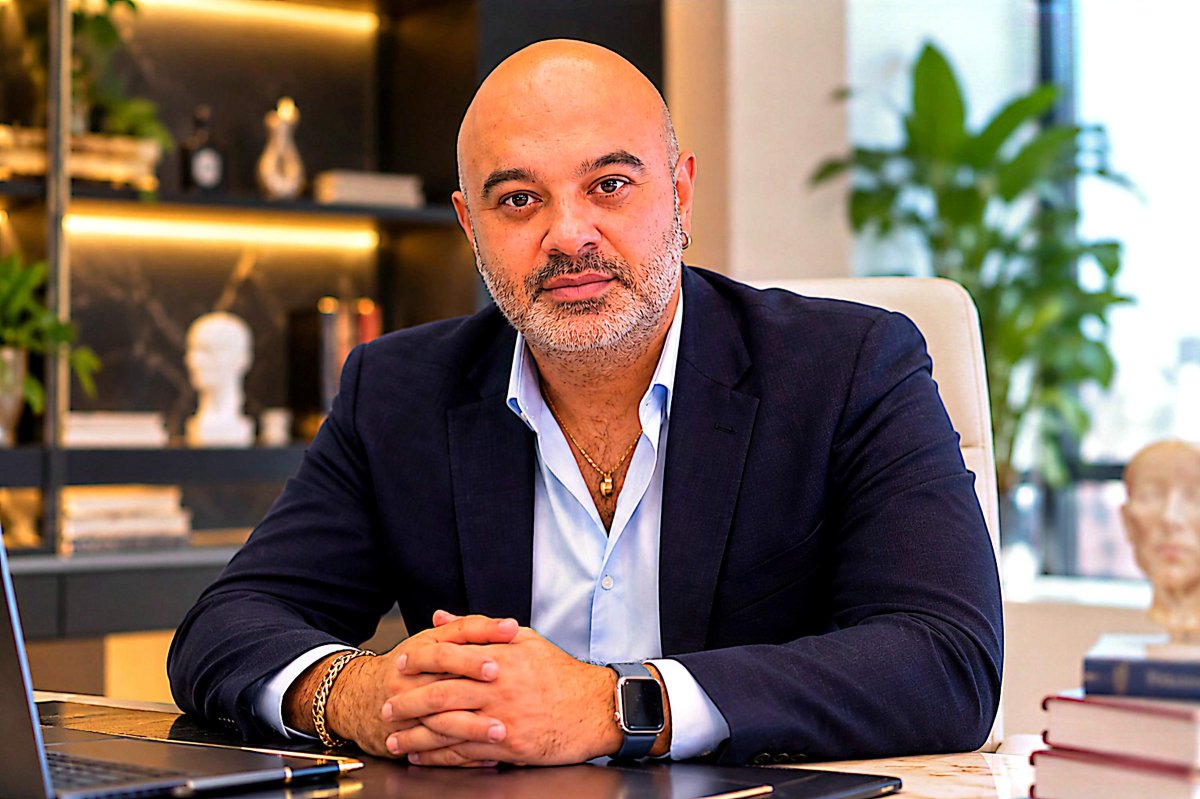
Betul Tavil
29 años de experiencia

acreditaciones : 
Clínica certificada por : 



Revisado médicamente por
Fahad Mawlood
El costo de la terapia con células madre para la enfermedad de Alzheimer en Turquía suele oscilar de $11,900 a $11,900. Los precios pueden variar según la clínica, la experiencia del equipo médico, el tipo de células madre utilizadas (autólogas o alogénicas) y la cantidad de sesiones de tratamiento. UU.
Las clínicas turcas suelen incluir en el precio las evaluaciones previas al tratamiento, la recolección y el procesamiento de células madre, los procedimientos de infusión o inyección, la estancia hospitalaria (si es necesaria) y las visitas de seguimiento. En EE. UU., los costos suelen dividirse entre el procedimiento, las tarifas hospitalarias y la atención de seguimiento. Se debe confirmar exactamente qué incluye cada paquete antes de comprometerse con el tratamiento.
La Dra. Betül Tavil es profesora de hematología y oncología pediátricas, experta de clase mundial en trasplante de médula ósea para niños.
Por qué los pacientes confían en la Dra. Tavil:

El Prof. Dr. Hasan Özgür Özdemir se especializa en cirugía cerebral endoscópica y operaciones vasculares en el complejo hospitalario Medical Park Antalya.

Especializado en diversos procedimientos neuroquirúrgicos, incluida la terapia con células madre para el Alzheimer en el complejo hospitalario Medical Park Antalya.
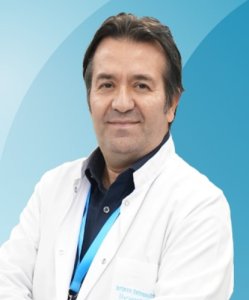
El profesor Halil Can realiza investigación clínica sobre la terapia con células madre mesenquimales para afecciones neurológicas.

 Olena Sikoza
La terapia con células madre no puede curar la enfermedad de Alzheimer, ya que permanece en etapas experimentales. Aunque los ensayos clínicos muestran que el tratamiento es generalmente seguro, ninguna agencia reguladora lo ha aprobado para revertir la condición. La investigación se centra en el uso de células madre mesenquimales para reducir la inflamación cerebral en lugar de reemplazar las neuronas perdidas.
Perspectiva del experto de Bookimed: La documentación importa más que el marketing para este procedimiento. Centros líderes como el Liv Hospital Ulus utilizan laboratorios internos con estándares GMP para garantizar la calidad de las células. Los pacientes deben verificar si el centro cuenta con la aprobación del Ministerio de Salud de Turquía para ensayos clínicos específicos. Los paquetes de alta calidad a menudo incluyen 16 días de estancia en h
La terapia con células madre para el Alzheimer en Turquía utiliza principalmente células madre mesenquimales alogénicas derivadas del tejido del cordón umbilical, conocido como gelatina de Wharton. Estas células producidas bajo normas GMP se administran a menudo por vía intratecal o intravenosa para combatir la neuroinflamación y apoyar la posible regeneración del tejido neural en instalaciones acreditadas por la JCI.
Perspectiva del experto de Bookimed: Los datos del Liv Hospital Ulus muestran una transición hacia el uso exclusivo de células producidas bajo normas GMP del primer centro privado de células madre hospitalario de Turquía. Aunque muchos esperan células autólogas, las clínicas aquí prefieren las MSC derivadas del cordón umbilical porque estas células de donante suelen ser más potentes
La terapia con células madre para el Alzheimer en Turquía se considera generalmente segura para pacientes de edad avanzada cuando se realiza en instalaciones acreditadas por la JCI. El uso de inyecciones intravenosas o intratecales mínimamente invasivas evita los altos riesgos de la anestesia general o la cirugía mayor. Los centros especializados utilizan células madre mesenquimales con certificación GMP para garantizar la seguridad biológica y reducir las respuestas inflamatorias.
Perspectiva del experto de Bookimed: Aunque muchos buscan el costo más bajo, la inclusión de 16 noches de hotel en clínicas como el Liv Hospital Ulus es un diferenciador de seguridad crítico. Este período prolongado asegura que los pacientes de edad avanzada se estabilicen después de la te
Los pacientes suelen observar mejoras cognitivas sutiles de 3 a 6 meses después de la terapia con células madre para el Alzheimer en Turquía. Los efectos regenerativos máximos generalmente se manifiestan alrededor de los 12 meses posteriores a la inyección, ya que las células madre mesenquimales trabajan para reducir la neuroinflamación y respaldar los protocolos de reparación neuronal dentro de las instalaciones acreditadas por la JCI.
Perspectiva de expertos de Bookimed: Los datos del Liv Hospital Ulus muestran que combinar células madre con estándares GMP con estancias de recuperación de 16 noches optimiza el monitoreo. El Prof. Erdal Karaöz utiliza protocolos de dosis múltiples porque la exposición repetida a menudo produce una estabilización neurológica más consistente que una sola infusión. Este enfoque estructurado ayuda a gestionar la fase inflamatoria inicial de manera
Las principales clínicas turcas para la terapia con células madre para el Alzheimer incluyen instalaciones acreditadas por la JCI como el Liv Hospital Ulus y el Memorial Şişli Hospital. Estos centros utilizan células madre mesenquimales (MSC) y laboratorios certificados por las Buenas Prácticas de Fabricación (GMP) para proporcionar tratamientos regenerativos bajo protocolos neurológicos especializados en Estambul.
Opinión del experto de Bookimed: Si bien muchas clínicas ofrecen tratamientos de dosis única, los programas turcos más establecidos, como el Liv Hospital Ulus, enfatizan los protocolos de dosis múltiples (hasta 3 dosis) combinados con estancias de recuperación prolongadas de 16 días. Este enfoque de monitoreo a largo plazo es un diferenciador significativo en comparación con las infusiones ambulatorias estándar
Los principales especialistas en terapia con células madre para el Alzheimer en Turquía incluyen investigadores de terapia celular y neurocirujanos que operan en instalaciones con estándares GMP. Figuras clave como el profesor Erdal Karaoz en el Liv Hospital Ulus y el profesor asociado Necati Kaplan lideran ensayos clínicos utilizando células madre mesenquimales procesadas en entornos de laboratorio especializados.
Perspectiva del experto de Bookimed: Aunque muchos neurocirujanos ofrecen infusiones de células madre, los resultados más avanzados provienen de especialistas que controlan sus propios entornos de laboratorio. El profesor Erdal Karaoz en el Liv Hospital Ulus gestiona una de las pocas clínicas con un laboratorio GMP integrado, asegurando la viabilidad celular y protocolos precisos de 2 a 3 dosis que rara vez son igualados por ce
Los pacientes que viajan a Estambul suelen gastar entre 50 y 150 dólares por noche en hoteles estándar, mientras que los entornos de recuperación de alta gama oscilan entre 160 y 200 dólares. Muchas clínicas, especialmente para la terapia con células madre, incluyen 16 días de estancia en hotel en paquetes premium para garantizar un seguimiento adecuado después del tratamiento.
Opinión de expertos de Bookimed: Aunque las tarifas diarias parecen bajas, la terapia con células madre a menudo requiere ventanas de recuperación de 16 días. Elegir paquetes premium en centros como el Liv Hospital Ulus es más rentable porque incluyen la estancia completa de 16 noches en el hotel y traslados VIP, lo que de otro modo añadiría entre 1.200 y 2.000 dólares a su presupuesto de viaje independiente.
Consenso de los pacie