Terapia con células madre para la azoospermia en Turquía: clínica verificada y sus precios


Revisado médicamente por
Fahad Mawlood
¿Cuál es el precio de Terapia con células madre para la azoospermia en Turquía? Descubra ahora
El costo del tratamiento con células madre para la azoospermia en Turquía suele oscilar de _price_from_ a _price_to_. Los precios varían según la clínica, la experiencia del especialista en fertilidad y la complejidad del plan de tratamiento.
Las clínicas turcas suelen incluir la consulta inicial, análisis de sangre preoperatorios, medicación postoperatoria, consultas de seguimiento y soporte al paciente las 24 horas. Los planes de tratamiento personalizados y las instrucciones de cuidado son estándar, con personal que habla inglés y comidas durante las visitas a la clínica. En EE. UU., muchos de estos servicios—especialmente los seguimientos y los medicamentos—se facturan por separado. Siempre confirmar exactamente qué está incluido con la clínica elegida.
Sus beneficios y garantías con Bookimed
Precios directos
Bookimed no añade cargos adicionales a los precios de Terapia con células madre para la azoospermia. Las tarifas proceden de las listas de precios oficiales de las clínicas. Pagará directamente en la clínica por su Terapia con células madre para la azoospermia a su llegada al país.
Sólo clínicas y médicos verificados
Bookimed está comprometido con su seguridad. Solo trabajamos con las clínicas que mantienen altos estándares internacionales en Terapia con células madre para la azoospermia y tienen las licencias necesarias para atender a pacientes internacionales en todo el mundo.
Asistencia 24/7 gratuita
Bookimed ofrece asistencia experta gratuita. Un coordinador médico personal le apoya antes, durante y después del tratamiento, resolviendo cualquier problema. Nunca estará solo en su viaje médico de Terapia con células madre para la azoospermia.

Su coordinador médico personal de Bookimed
- Le apoya en cada etapa
- Ayuda a elegir la clínica y el médico adecuados
- Asegura un acceso rápido y conveniente a la información
Descubra las mejores clínicas de Terapia con células madre para la azoospermia en Turquía: 1 opciones verificadas y Precios

Descripción general de Terapia con células madre para la azoospermia en Turquía
- Terapia con células madre - de $1,600Esta terapia es un tratamiento que usa células del cuerpo para reparar tejidos dañados. Es eficiente, seguro y versátil.
- Terapia con células madre para la artritis - de $4,400Esta terapia utiliza las propias células para reparar las articulaciones dañadas, reduciendo el dolor y la inflamación asociados con la artritis.
- Terapia con células madre para el autismo - de $7,500Esta terapia utiliza las propias células del cuerpo para reparar el daño cerebral relacionado con el autismo y ofrece una mejor conducta social.
- Esta terapia utiliza células regenerativas para tratar el daño cerebral y mejorar las funciones motoras en personas con parálisis cerebral.
- Esta terapia utiliza células mantenidas por el cuerpo para retrasar la progresión de la enfermedad de Parkinson, mejorando la función y la actividad del cerebro.
- Esta terapia utiliza células madre para reparar las células pancreáticas dañadas, lo que podría controlar los síntomas de la diabetes.
- Terapia con células madre para las rodillas - de $4,000Esta terapia se basa en el potencial de autocuración, inyectando células recolectadas en las articulaciones de la rodilla para reparar el cartílago dañado.
- Curso de tratamiento con células madre propias - de $4,500Esta terapia utiliza sus células madre para reparar células y tejidos dañados, mejorando su salud.
- Depósito de Bookimed: 200 $ o 200 €.
- Depósito de la clínica: Pague un porcentaje fijo por adelantado.
Obtenga una evaluación médica para Terapia con células madre para la azoospermia en Turquía: Elija su especialista entre los mejores en el campo
Ver todos los médicos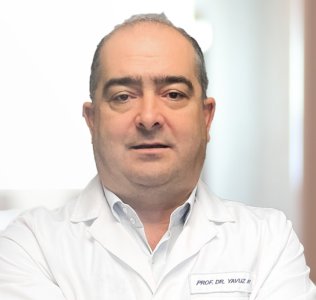
Yavuz Aydin
El profesor Yavuz Aydin se especializa en medicina reproductiva con décadas de experiencia en instituciones prestigiosas. Su experiencia abarca tratamientos avanzados de infertilidad.
- Formado en las universidades de Hacettepe y Cerrahpaşa, las mejores facultades de medicina de Turquía
- Miembro de ASRM y ESHRE, las principales sociedades internacionales de fertilidad
- Realiza tuboplastia microquirúrgica y procedimientos avanzados de FIV
- Actualmente ejerce en el hospital VM Medical Park Florya

Sedef Tavukcu Özkan
Sedef Tavukcu Özkan se especializa en anestesia y cuidados intensivos en el hospital VM Medical Park Pendik.
- Certificada en Anestesiología y Reanimación
- Más de _doctor_9581_ años de experiencia médica
- Actualmente cursando un doctorado en Gestión Sanitaria
- Miembro de varias asociaciones profesionales, incluida la Asociación Turca de Anestesiología y Reanimación
Historias en video de pacientes de Bookimed
Reseñas
Todas las reseñas
Compartir contenido
 Olena Sikoza
Preguntas frecuentes sobre Terapia con células madre para la azoospermia en Turquía
¿Cómo funciona el tratamiento con células madre para la azoospermia?
El tratamiento con células madre para la azoospermia funciona inyectando células madre mesenquimales directamente en el tejido testicular para reparar el entorno de producción de esperma. Estas células se diferencian en precursores similares a los espermatozoides y liberan factores de crecimiento que activan la espermatogénesis natural. El procedimiento tiene como objetivo restaurar la fertilidad en hombres con azoospermia no obstructiva.
- Recolección de células: Los cirujanos recolectan células autólogas mediante aspiración de médula ósea o liposucción manual.
- Expansión en laboratorio: Las células se someten a un protocolo de expansión en cultivo de 2 a 4 semanas para alcanzar concentraciones terapéuticas.
- Administración dirigida: Los especialistas realizan inyecciones bilaterales guiadas por ultrasonido de 50 a 200 millones de células en los testículos.
- Monitoreo clínico: Los pacientes se someten a análisis de semen independientes a los 3, 6 y 12 meses posteriores al procedimiento.
Perspectiva del experto de Bookimed: Aunque muchas clínicas ofrecen inyecciones de un solo día, los datos muestran que el protocolo de expansión de 2 a 4 semanas generalmente produce recuentos celulares más altos. El uso de centros especializados como VM Medical Park Pendik garantiza el acceso a expertos en anestesiología como Sedef Tavukcu Özkan para la rec
¿Cuál es la tasa de éxito de la terapia con células madre para la azoospermia?
La terapia con células madre para la azoospermia no obstructiva (ANO) muestra tasas de éxito experimentales de entre el 25 % y el 76 % para la generación de nuevos espermatozoides. Aunque es prometedora para el soporte regenerativo, estas cifras clínicas varían según la condición del paciente. Los resultados dependen en gran medida de la puntuación de Johnsen y de la salud del tejido testicular existente.
- Detección de espermatozoides: Aparecen espermatozoides detectables en el eyaculado en el 25 % al 76 % de los pacientes tratados.
- Extracción quirúrgica: La probabilidad de encontrar espermatozoides viables mediante TESE aumenta a aproximadamente el 40 %.
- Recuperación hormonal: Los ensayos clínicos muestran hasta un 47 % de éxito en la normalización de las hormonas reproductivas clave.
- Puntuación del tejido: El éxito es mayor en pacientes con una puntuación de Johnsen de 4 o superior.
Perspectiva del experto de Bookimed: Aunque las clínicas reportan altos éxitos técnicos, los datos del mundo real sugieren que estos tratamientos se utilizan mejor como complementos. Los pacientes a menudo obtienen los mejores resultados al combinar la terapia con TESE microquirúrgica. Especialistas como el Dr. Yavuz Aydin de VM Medical Park enfatizan los enfoques de fertilidad multimodales sobre la terapia celular independiente.
Consenso de
¿Cuánto tiempo se tarda en ver resultados después de una inyección de células madre para la azoospermia?
Los pacientes suelen ver los resultados iniciales de las inyecciones de células madre para la azoospermia en un plazo de 3 a 6 meses. Este cronograma sigue el ciclo natural de producción de esperma de 75 días. Los efectos regenerativos completos y las mejoras medibles en el recuento o la calidad del esperma suelen alcanzar su punto máximo entre los 6 y 12 meses posteriores al tratamiento.
- Monitoreo inicial: El primer análisis de semen se realiza a los 3 meses para verificar la presencia de espermatozoides vivos.
- Estabilización hormonal: Los niveles mejorados de testosterona y hormona foliculoestimulante (FSH) a menudo aparecen dentro de los 3 a 6 meses.
- Resultados máximos: Muchos pacientes reportan aumentos significativos en la cantidad de esperma entre los 6 y 12 meses.
- Seguimiento a largo plazo: Lograr el embarazo puede llevar más de 1 año, a menudo requiriendo tecnologías asistidas como la ICSI.
Perspectiva de expertos de Bookimed: Los datos de clínicas turcas como VM Medical Park Pendik sugieren que los especialistas a menudo monitorean la puntuación de Johnsen para predecir la velocidad de recuperación. Si bien los controles iniciales ocurren a los 3 meses, nuestros equipos de coordinación notan que muchos casos exitosos requieren un compromiso total de 9 a 12 meses antes de ver espermatozoides viables para la FIV.
C
¿Existen restricciones en el estilo de vida durante el tratamiento con células madre para la azoospermia?
Las restricciones en el estilo de vida se centran en proteger el delicado tejido germinal y maximizar la viabilidad de las células madre. Los pacientes deben evitar la eyaculación, el alcohol y el ejercicio de alto impacto durante 2 a 4 semanas. Mantener una temperatura escrotal baja y evitar los medicamentos antiinflamatorios son fundamentales para una integración celular exitosa y la futura producción de esperma.
- Actividad física: Evite los entrenamientos en el gimnasio, el ciclismo o el motociclismo durante 30 días después del procedimiento.
- Control de temperatura: Evite estrictamente las saunas, los jacuzzis y colocar computadoras portátiles sobre su regazo.
- Consumo de sustancias: Absténgase de la nicotina, el alcohol y la marihuana para proteger el frágil ADN de los espermatozoides.
- Seguridad de los medicamentos: Evite los AINE como el ibuprofeno, ya que bloquean las señales esenciales de las células madre.
Perspectiva del experto de Bookimed: Los especialistas turcos enfatizan una abstinencia sexual de 1 mes para asegurar el injerto celular. Si bien se recomienda caminar suavemente para la circulación, se restringen las vibraciones de actividades como el ciclismo. Las clínicas modernas en Estambul a menudo combinan estas reglas con un seguimiento específico de la temperatura escrotal. Este paso adicional ayuda a mantener la brecha
¿Qué clínicas líderes en Turquía ofrecen terapia con células madre para la azoospermia?
Instituciones turcas líderes, incluyendo EMPCLINICS, Acibadem Healthcare Group y Memorial Bahçelievler, ofrecen terapia con células madre para la azoospermia. Estos centros combinan inyecciones de células madre mesenquimales con Micro-TESE para estimular la producción de esperma. Los protocolos avanzados a menudo integran terapia con exosomas y PRP para mejorar los resultados regenerativos en casos no obstructivos.
- Acreditación de la clínica: EMPCLINICS cuenta con certificaciones de Temos International y la Asociación Médica Turca por su calidad.
- Experiencia especializada: El Dr. Tolga Okutucu en EMPCLINICS utiliza formación afiliada a Johns Hopkins para la atención urológica.
- Protocolos integrados: Centros como Andro Expertise combinan inyecciones de células madre SVF con protocolos P-Shot.
- Líderes en medicina regenerativa: Expertos como el Dr. Ramazan Altin se centran en la uro-oncología multidisciplinaria y tratamientos de infertilidad.
Perspectiva del experto de Bookimed: Aunque muchas clínicas ofrecen terapia con células madre, los resultados más exitosos involucran tratamientos "apilados". Los centros líderes ahora combinan células madre con Micro-TESE y terapia con exosomas. Este enfoque multicapa tiene como objetivo maximizar la recuperación de espermatozoides durante una sola ventana quirúrgica.
Consenso de los p