Catarata en Azerbaiyán: las 4 mejores clínicas para su tratamiento


Revisado médicamente por
Fahad Mawlood
¿Cuál es el precio del diagnóstico y los tratamientos de Catarata en Azerbaiyán? Descubra ahora
Sus beneficios y garantías con Bookimed
Precios directos
Bookimed no añade cargos extra a los precios de los tratamientos de Catarata. Las tarifas proceden de las listas de precios oficiales de las clínicas. Pagará directamente en la clínica por su tratamiento a su llegada al país.
Sólo clínicas y médicos verificados
Bookimed está comprometido con su seguridad. Solo trabajamos con las clínicas que mantienen altos estándares internacionales en el tratamiento de Catarata y cuentan con las licencias necesarias para atender a pacientes internacionales en todo el mundo.
Asistencia 24/7 gratuita
Bookimed ofrece asistencia experta gratuita. Un coordinador médico personal le apoya antes, durante y después de su tratamiento, resolviendo cualquier problema. Nunca estará solo en su viaje médico de tratamiento de Catarata.

Su coordinador médico personal de Bookimed
- Le apoya en cada etapa
- Ayuda a elegir la clínica y el médico adecuados
- Asegura un acceso rápido y conveniente a la información
Descubra las mejores clínicas de tratamiento de Catarata en Azerbaiyán: 4 opciones verificadas y Precios





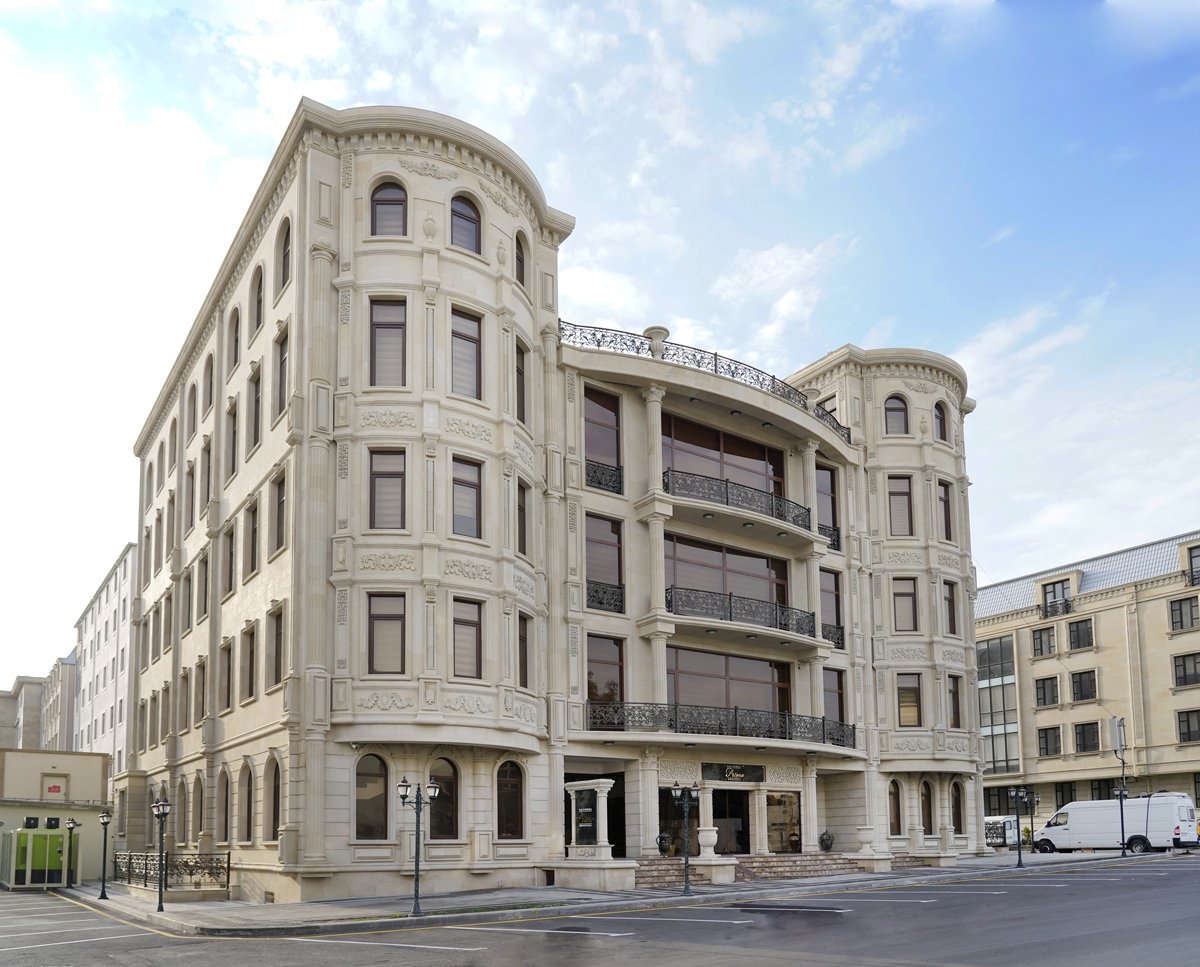
National Prime Hospital
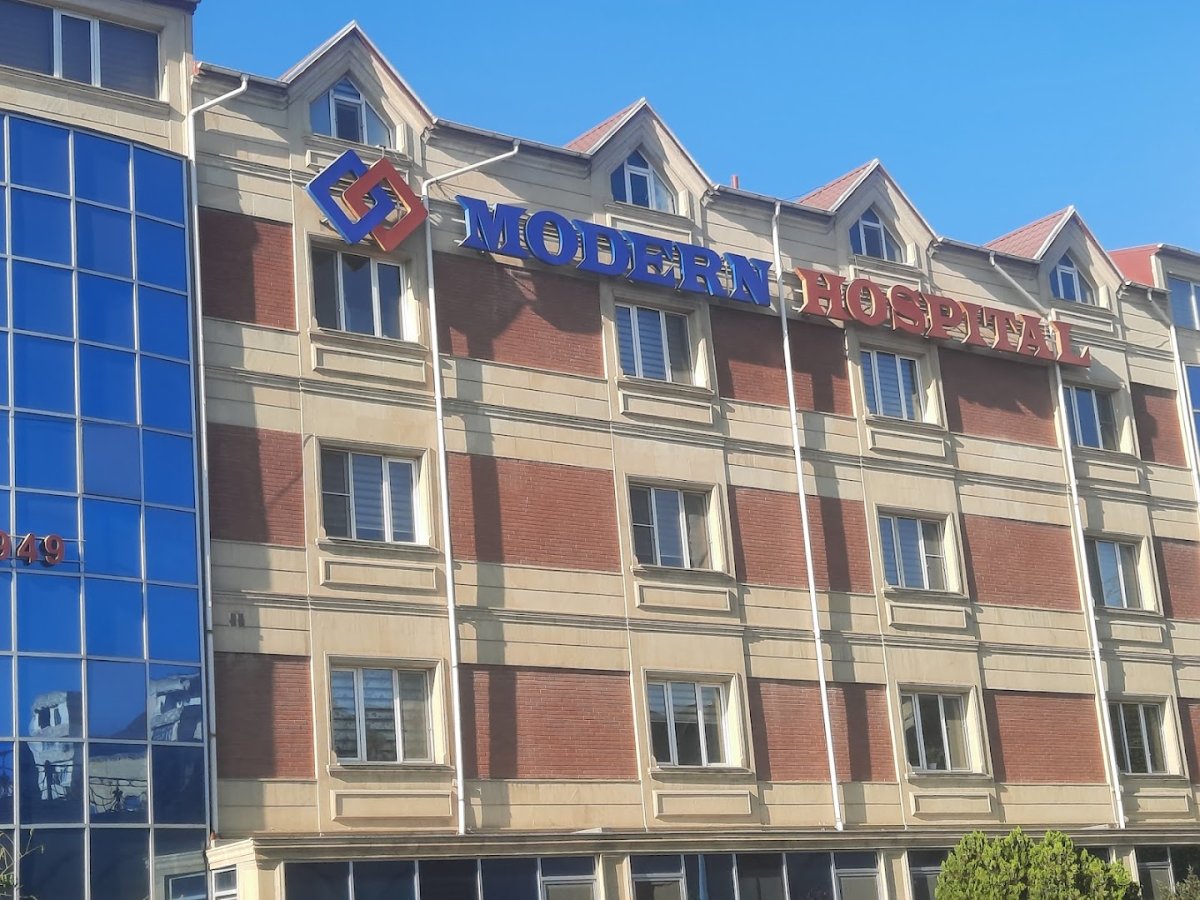
Modern Hospital
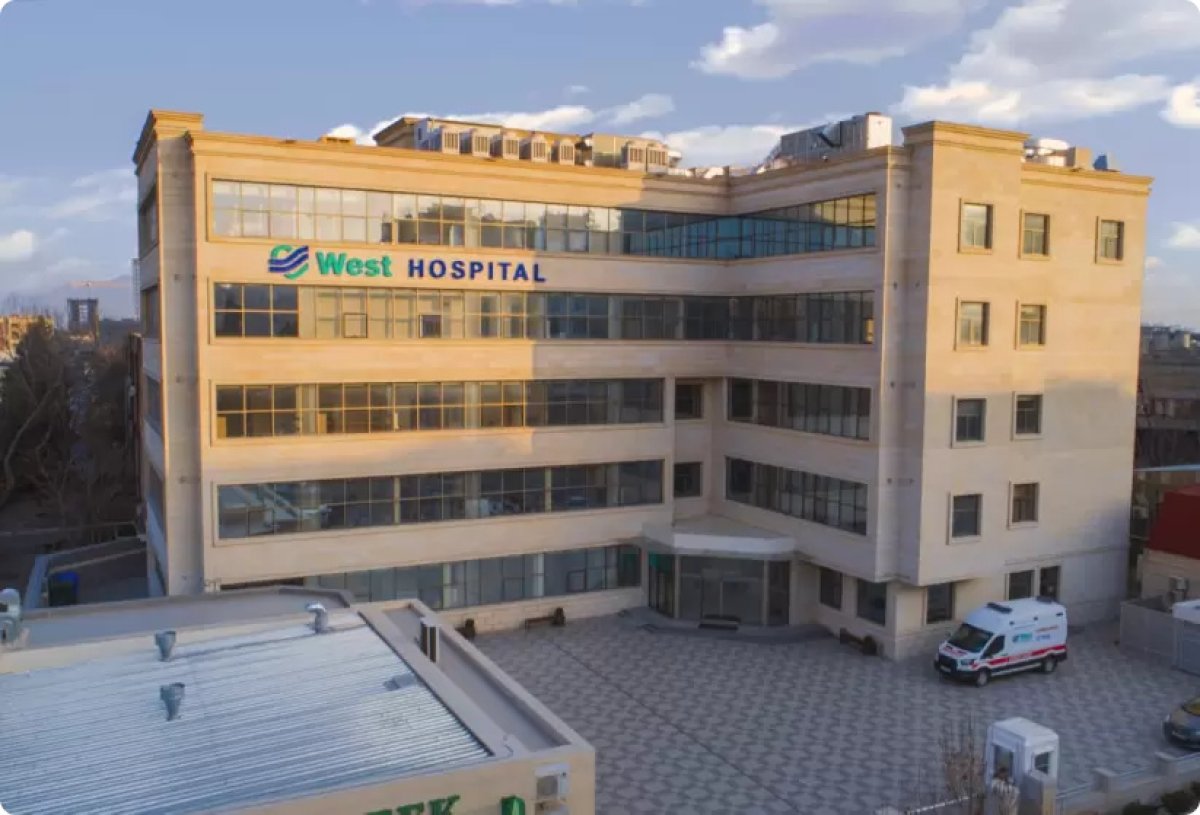
West Hospital
Obtenga una evaluación médica para Catarata en Azerbaiyán: consulte con doctores experimentados ahora
Ver todos los médicos
Nahid Mammadov
El Dr. Nahid Mammadov es oftalmólogo en el Hospital Liv Bona Dea de Bakú. Ha realizado aproximadamente 15.000 cirugías oculares. El Dr. Mammadov recibió su formación especializada en la Facultad de Medicina Jerrahpasha de la Universidad de Estambul. Trabaja en un centro acreditado por la JCI, reconocido por cumplir al 100% con las normas internacionales de seguridad.
- Realiza operaciones refractivas con láser, incluidas las técnicas iLasik, Smile y NoTouch.
- Trata enfermedade
Ahmad Abdullayev
El Dr. Ahmad Abdullayev es oftalmólogo. Brinda atención médica y quirúrgica para una amplia gama de enfermedades oculares.
Realiza cirugía de cataratas con lentes monofocales, EDOF y trifocales, así como implante secundario de lentes. Ofrece corrección visual con láser excímer, incluidas Femto-LASIK, PRK y SMILE. Brinda atención médica y quirúrgica para el glaucoma. Trata enfermedades de la retina con terapia médica. Realiza cirugía de estrabismo. Maneja enfermedades de la córnea, incl

Tural Qalbinur
Compartir contenido
Historias en video de pacientes de Bookimed
 Olena Sikoza
Preguntas frecuentes sobre el tratamiento de Catarata en Azerbaiyán
¿Qué tipos de cirugías de cataratas se realizan habitualmente en las clínicas de Azerbaiyán?
La facoemulsificación es el método principal para el tratamiento de cataratas en las clínicas de Azerbaiyán. Esta técnica sin suturas utiliza ondas ultrasónicas para destruir el cristalino opaco. Los centros más importantes de Bakú también ofrecen cirugía láser de femtosegundo. Durante estos procedimientos, los cristalinos dañados se reemplazan con lentes intraoculares monofocales, trifocales o tóricas para garantizar una visión nítida.
- Facoemulsificación: el método de referencia para la extracción microinvasiva del cristalino guiada por ultrasonido.
- Láser de femtosegundo: una tecnología de alta precisión disponible en centros acreditados por la JCI, como Liv Bona Dea.
- Lentes inteligentes: Lentes intraoculares multifocales y trifocales que ayudan a reducir la dependencia de las gafas de lectura.
- Lentes intraoculares tóricas: Lentes intraoculares especializadas diseñadas para corregir el astigmatismo existente durante la cirugía.
Opinión de expertos de Bookimed: Los grandes centros de Bakú, como el Hospital Liv Bona Dea, atienden a 200 000 pacientes al año. Este enorme volumen permite a cirujanos como el Dr. Nahid Mammadov mantener un alto nivel de especialización. Las clínicas acreditadas por la JCI suelen incluir de una a tres visitas de seguimiento como parte de la atención quirúrgica estándar. Este servicio integral de atención postope
¿Qué tan segura es la cirugía de cataratas en Azerbaiyán y cuáles son los estándares de atención?
La cirugía de cataratas en Azerbaiyán es segura en los centros acreditados de Bakú. Las principales clínicas privadas reportan una tasa de éxito del 98 % en la restauración de la visión. Estas instituciones cumplen con los estándares internacionales y utilizan técnicas de facoemulsificación y láser de femtosegundo. Los hospitales líderes siguen protocolos estrictos para garantizar altos estándares de seguridad.
- Tasas de éxito: Aproximadamente el 98% de los pacientes experimentan una mejora significativa de la visión tras la cirugía.
- Seguridad clínica: Las complicaciones postoperatorias graves se producen en menos del 1% de los casos.
- Acreditación hospitalaria: Los centros líderes, como el Hospital Liv Bona Dea en Bakú, cuentan con la acreditación JCI.
- Experiencia quirúrgica: Especialistas como el Dr. Nahid Mammadov se especializan en procedimientos oftalmológicos complejos.
Opinión de expertos de Bookimed: Los grandes centros de Bakú demuestran una clara ventaja en términos de seguridad quirúrgica. El Hospital Liv Bona Dea de Bakú atiende a 200 000 pacientes anualmente en 20 departamentos especializados. Los datos sugieren que las clínicas con un volumen tan elevado de pacientes mantienen un menor riesgo de rupturas de la cápsula posterior del cristalino, que son poco frecuentes. Los pacientes deberían priorizar estas grandes institucione
¿Cuál es el tiempo de recuperación típico y cuándo puedo volar a casa?
Los pacientes que se han sometido a una cirugía de cataratas en Azerbaiyán suelen regresar a casa en un plazo de 2 a 7 días. La mayoría de los oftalmólogos recomiendan una revisión previa al viaje para asegurar que la presión intraocular sea estable. La recuperación comienza de inmediato. La visión suele estabilizarse significativamente durante la primera semana. Evite forzar la vista durante el vuelo.
- Recuperación inicial: La mayoría de los pacientes retoman la actividad física ligera dentro de las 48 horas posteriores a la cirugía.
- Autorización de vuelo: Los cirujanos suelen autorizar los viajes tras la revisión postoperatoria del primer día.
- Estabilización de la visión: A menudo se recupera una claridad significativa entre el cuarto y el séptimo día.
- Recuperación completa: Los ojos tardan entre 4 y 6 semanas en sanar por completo y en que la graduación se estabilice.
Opinión de expertos de Bookimed: Los datos clínicos del Hospital Liv Bona Dea en Bakú demuestran el alto nivel de atención médica que ofrece. Este centro, acreditado por la JCI, atiende a más de 200 000 pacientes al año en diversas especialidades. El Dr. Nahid Mammadov brinda atención oftalmológica especializada en un entorno dinámico. Los pacientes suelen beneficiarse de protocolos de diagnóstico optimizados que reducen la duración de su estancia en Bakú.
C
¿Quiénes deberían retrasar o evitar la cirugía de cataratas en Azerbaiyán?
En Azerbaiyán, los pacientes deben posponer la cirugía de cataratas si su visión sigue siendo funcional con gafas. También se pospone la cirugía para quienes padecen infecciones oculares activas o tienen un estado de salud inestable. Abordar los problemas de salud sistémicos con antelación garantiza un procedimiento más seguro y mejores resultados del tratamiento.
- Estabilidad de la visión: Posponer la consulta si las tareas cotidianas como leer o conducir siguen siendo factibles.
- Optimiza tu salud: Pospon la cirugía hasta que se estabilicen afecciones crónicas como la diabetes o la hipertensión.
- Salud ocular: Las infecciones activas, la sequedad ocular severa o los problemas de la córnea deben tratarse de forma proactiva.
- Seguridad de la medicación: Los pacientes que toman anticoagulantes podrían tener que dejar de tomarlos una semana antes.
Opinión de expertos de Bookimed: Para mayor seguridad, lo mejor es elegir centros médicos acreditados por la JCI, como el Hospital Liv Bona Dea en Bakú. Esta clínica atiende a 200 000 pacientes al año y cumple con los protocolos internacionales. Elegir centros con un alto volumen de pacientes y certificaciones internacionales ayuda a mitigar los riesgos médicos y legales regionales. Esto es especialmente importante en regiones con protección limitada contra la negligencia médica para pacientes interna
¿Qué tipos de lentes intraoculares (LIO) existen y cómo puedo elegir una?
En Azerbaiyán, los pacientes con cataratas eligen las lentes intraoculares (LIO) según su estilo de vida, anatomía ocular y objetivos de corrección visual. Se ofrecen lentes monofocales, multifocales, de profundidad de campo extendida (EDOF) y tóricas. Los cirujanos de instituciones médicas acreditadas por la JCI, como el Hospital Liv Bona Dea en Bakú, utilizan escaneo biométrico para calcular con precisión la potencia óptica y alinear la lente.
- Lentes monofocales: Estas lentes estándar proporcionan una visión nítida a una distancia determinada, normalmente para conducir.
- Lentes multifocales: Estas lentes de alta gama ofrecen múltiples distancias focales, lo que reduce su dependencia de las gafas de lectura.
- Las lentes de profundidad de campo extendida (EDOF, por sus siglas en inglés) proporcionan una visión ininterrumpida a distancias medias y largas.
- Lentes tóricas: Los profesionales del cuidado de la vista utilizan estas lentes especiales para corregir el astigmatismo y proporcionar un enfoque más nítido.
Opinión de expertos de Bookimed: Los grandes centros de Bakú, como el Hospital Liv Bona Dea, atienden a 200 000 pacientes al año. Esta magnitud permite a los cirujanos adquirir rápidamente experiencia en procedimientos complejos y de alta precisión para la alineación de lentes. Al elegir una clínica, compruebe si ofrecen cirugía láser
¿Qué ciudades y clínicas prefieren los turistas médicos para el tratamiento de cataratas?
Para el tratamiento de cataratas, los turistas médicos prefieren ciudades como Estambul, Ankara, Tijuana y Bangkok. Estos centros cuentan con instalaciones médicas acreditadas por la Joint Commission International (JCI). Muchas clínicas se especializan en facoemulsificación avanzada y cirugía láser de femtosegundo. Los grandes centros suelen utilizar lentes trifocales y multifocales de alta calidad para restaurar la visión.
- Estambul, Turquía: El Hospital Oftalmológico Dunyagoz atiende a más de 66.000 pacientes al año en 14 departamentos especializados.
- Bakú, Azerbaiyán: El Hospital Baku Liv Bona Dea cuenta con la acreditación JCI y tiene 150 médicos experimentados.
- Tijuana, México: CODET Vision Institute es líder en cirugía refractiva cerca de la frontera con Estados Unidos.
- Bangkok, Tailandia: El Hospital Internacional Bumrungrad ofrece rehabilitación de alta calidad y cuenta con numerosas acreditaciones médicas internacionales.
Opinión de expertos de Bookimed: Bakú se está convirtiendo en una alternativa muy eficaz a los centros médicos tradicionales. El Hospital Liv Bona Dea, en Bakú, atiende a 200 000 pacientes al año. Nuestros datos demuestran que cumple con los estándares de la JCI y ofrece los servicios de oftalmólogos cualificados como el Dr. Nahid Mammadov. Elegir Bakú suele garantizar una calidad de atención médica comparable a